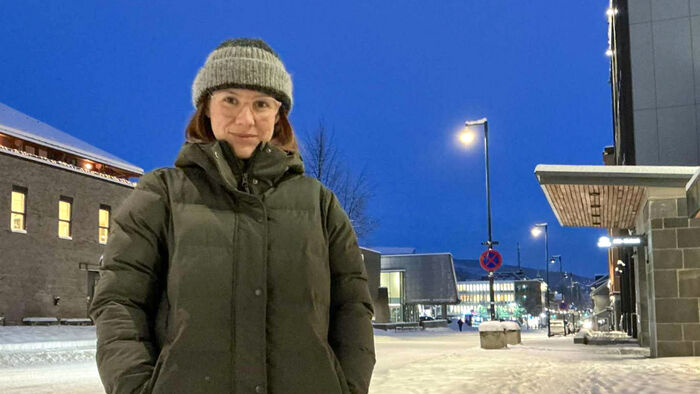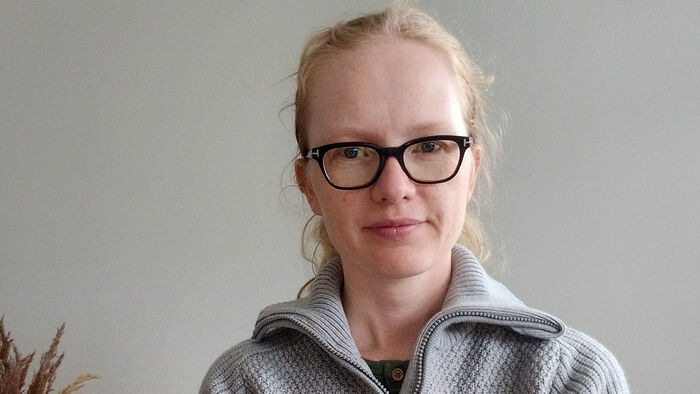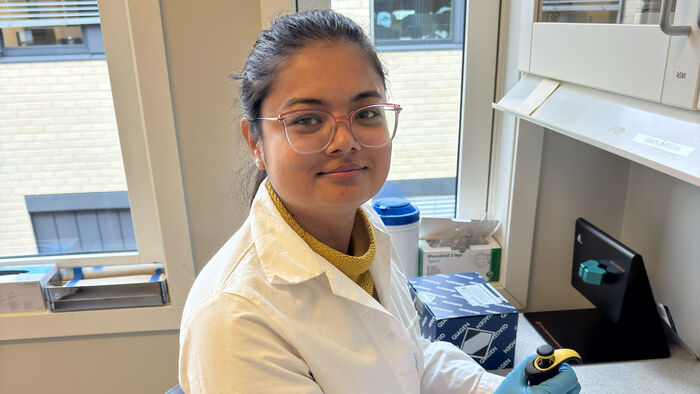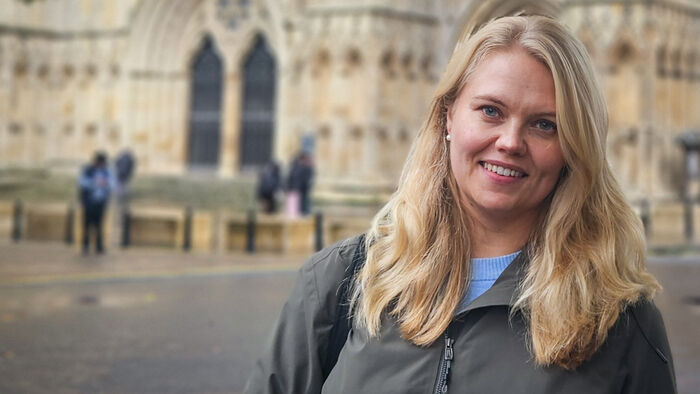
Central banks around the world had to rethink their approach when hit by the 2008 financial crisis. What did they do, how did they do it, and what was the outcome? These are questions Ingrid Hjertaker has focused on in her PhD research. She will defend her thesis on 15 October.
Public defences
There are many challenges involved in being a roe deer in today’s world. In her PhD work, Cécile Carpentier has taken a closer look at exactly this, and on 2 October she will defend her thesis.
We have little research on Muslim youth who take part both in mosque teaching and in the classroom. Anne Grethe Kjelling contributes new knowledge about how these young people experience being in between these two arenas. On 2 October, she will defend her doctoral thesis.
Elisabeth Øverland has, in her PhD work, taken a close look at autistic people in early adulthood to find out how they are doing. On 11 September, she will defend her doctoral thesis.
Co-creation is seen as a solution to the challenges facing Norwegian municipalities. But what happens when these expectations meet practical realities? Ailin Aastvedt has explored this in her doctoral research, which she will defend on 27 August.
Traumatic experiences can have major consequences for mental health. In her PhD work, Sofia Elenora Svensen, has studied how a comprehensive treatment programme affects patients facing such challenges. Her public defence will take place on 27 August.
In her doctoral thesis, Lena Dalheim Wistveen has looked at how tourism affects the quality of life of people in tourism destinations, and on 22 June she will be ready to defend her work.
Anurag Basavaraj Bellankimath has evaluated several new methods for finding disease-causing bacteria in urinary tract infections. On 17 June he will defend his doctoral thesis.
How do you lead a project where many professionals from completely different backgrounds are to work well together? Frederick Howard has developed a new management model, Trust Design, which has been tested on the production of the film "Three Wishes for Cinderella". On 10 June he will defend his artistic research thesis.
In his doctoral work, Sverre Branders has developed four new software tools that can help us spend less time figuring out what kind of antibiotics you need if you get sick. His public defence is scheduled for 10 June.
How is digital technology changing the way people access, choose, buy, and consume food? Sabrina Ionata de Oliveira Granheim has researched this in her doctoral thesis at INN University, and will defend her thesis on 5 June.
In her PhD work, Toril Merete Nysæter has spoken to both cancer patients in the final stages of life and their relatives about what care and support they need to make death at home possible. Her public defence is scheduled for 2 June.
Investing in the development of second homes in rural areas is seen as important to the development of these areas. But how important a role does this actually play? Merethe Lerfald explores this in her PhD thesis, which she will defend on 29 May.
Frode Johansen has investigated how decisions to use virtual reality (VR) in higher education are made. On 8 May he will defend his PhD thesis.
Ram Chandra Giri has been looking into how to develop good educational opportunities for students with disabilities in Nepal. On 17 June he will defend his doctoral thesis.
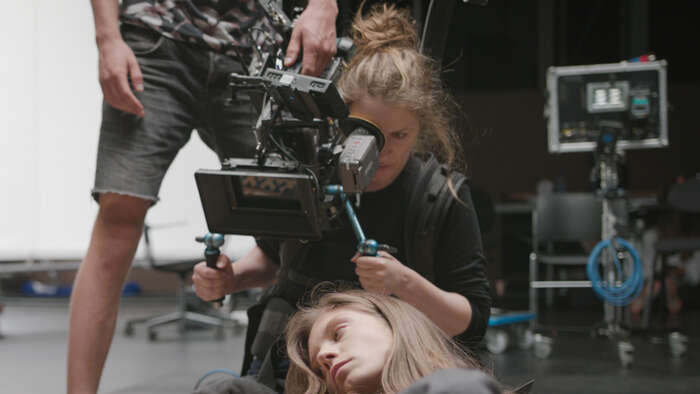
Cecilie Semec investigates in her artistic doctoral research how working with long takes affects the cinematographer’s body, gaze, and artistic expression. On 17 April, she will defend her work.
In establishing a so-called "dementia village", Ane Bast has investigated how new services can be developed for – and together with – users in vulnerable situations. On 20 March she will defend her doctoral thesis.
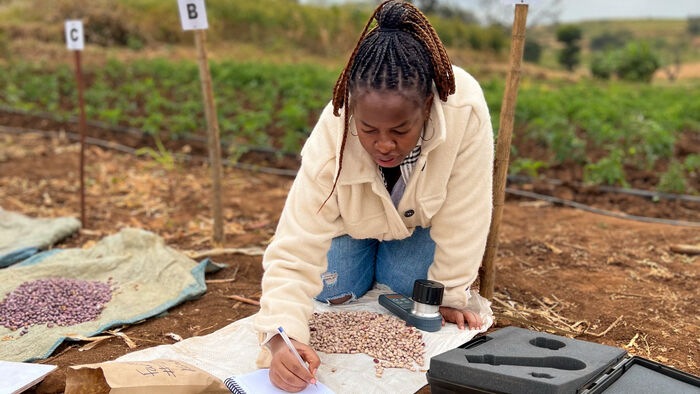
How can African farmers play a more active and effective role in the development of targeted plant varieties when climate change negatively affects agriculture? Mabel Nabateregga has researched this, and on 19 February she will defend her doctoral thesis.
How are race and racism understood, experienced and challenged in Norwegian schools? Danelle du Plessis draws on the experiences of eight teachers with minority backgrounds in her doctoral thesis, which she will defend on 18 February.
It is challenging to achieve co-creation between young adults and Nav, partly due to power imbalances. This is one of the conclusions of Marie Rønshaugen's doctoral thesis, which she will defend on 30 January.
Erik Versluijs has used modern technology to understand what affects cattle and how they fair in the boreal forest. On 30 January he will defend his doctoral thesis.
To protect endangered species, we need to understand what causes them to lose genetic diversity and how we can best protect it. In her doctoral thesis, Hanne Haugen has looked at how the landscape affects genetic diversity in the great crested newt. On 23 January she will defend her thesis.
Determining the right time for a boar to start producing semen is challenging. In her PhD, Asmita Shrestha has attempted to determine when the sperm cells reach a quality suitable for this purpose. The defense is scheduled for December 11
By working with literary texts about World War I in English lessons, 9th grade students can develop historical understanding, critical thinking, and empathy. This is a key finding of Torunn Synnøve Skjærstad's doctoral thesis, which she will defend on 8 December.
How organizations plan, conduct and follow up on exercises before a crisis is crucial to how well equipped they are to deal with crises. This is among the findings in Geir Ove Venemyr's doctoral thesis, which he will defend on 5 December.