
Norwegian municipalities face financial pressure, major demographic changes and labour shortages. Co-creation with residents, volunteers and businesses is presented as a solution that can contribute to financial sustainability, better public services, greater innovation and a stronger local democracy.
The thesis is based on research conducted in four Norwegian municipalities that wanted to make co-creation a new way of governing and developing the municipality.
When municipalities invite others in to explore problems and develop solutions, tensions arise.
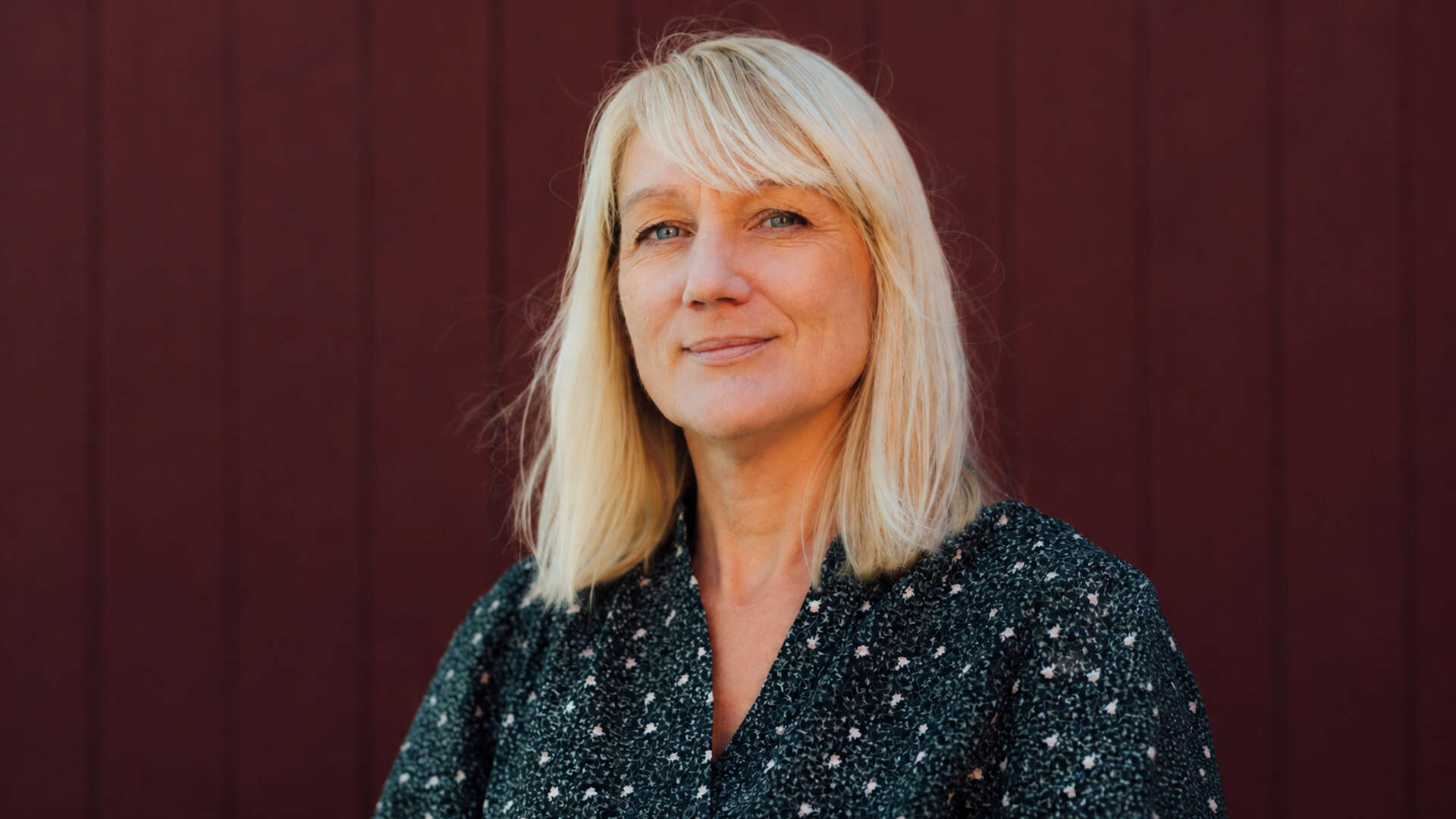
– My findings show that expectations of participants engaging on equal terms and shared influence can conflict with requirements for political governance, accountability and financial control. Municipal actors often manage these tensions by adapting and limiting co-creation, says Ailin Aastvedt.
The thesis documents the gap between the ideals found in the co-creation literature and the institutional frameworks of local government. This knowledge can encourage co-creation research to place greater emphasis on power, conflict and accountability, and focus less on simplistic prescriptions for success.
– Municipalities that want to use co-creation must clarify who makes decisions and who is accountable. In this way, the thesis can contribute to a more carefully considered transformation of the welfare municipality, without obscuring democratic responsibility, Aastvedt says.
Ailin Aastvedt has carried out her doctoral work in the PhD programme Innovation in Services in the Public and Private Sectors (INTOP). The title of her thesis is «Co-creation meets the Norwegian welfare municipality. Tensions between normative ideals and practical realities».
Main findings:
- Co-creation is a broad and ambiguous concept associated with multiple and partly conflicting expectations. It encompasses various forms of collaboration, involvement, innovation and governance, while also being expected to contribute to financial sustainability, better public services and reinvigorate local democracy. This ambiguity makes the concept mobilising, but may also obscure conflicts and power asymmetries.
- Co-creation is understood differently by different actors. These understandings vary according to actors’ roles and positions, ranging from a strategic vision and a response to resource constraints to a specific working method or established forms of collaboration presented in new terms.
- The ideals underpinning co-creation create tensions when they encounter the welfare municipality. Expectations of participation on equal terms, shared influence and autonomy confront hierarchical governance, financial control, political accountability and formal lines of decision-making.
- Co-creation is adapted and limited. It is afforded the greatest room for manoeuvre when it does not challenge established roles and power relations. Consequently, co-creation is given greater scope in relatively “safe” areas than in core municipal domains or politically contentious areas, while co-creation processes often remain disconnected from formal decision-making. Co-creation may facilitate dialogue, learning and some new solutions, but has limited influence on priorities, resource allocation and formal decisions.
- Power, conflict and accountability are integral to co-creation. They are not merely obstacles that can or should be removed through better leadership and facilitation. Co-creation theory must therefore become more empirically grounded, context-sensitive and institutionally informed.