
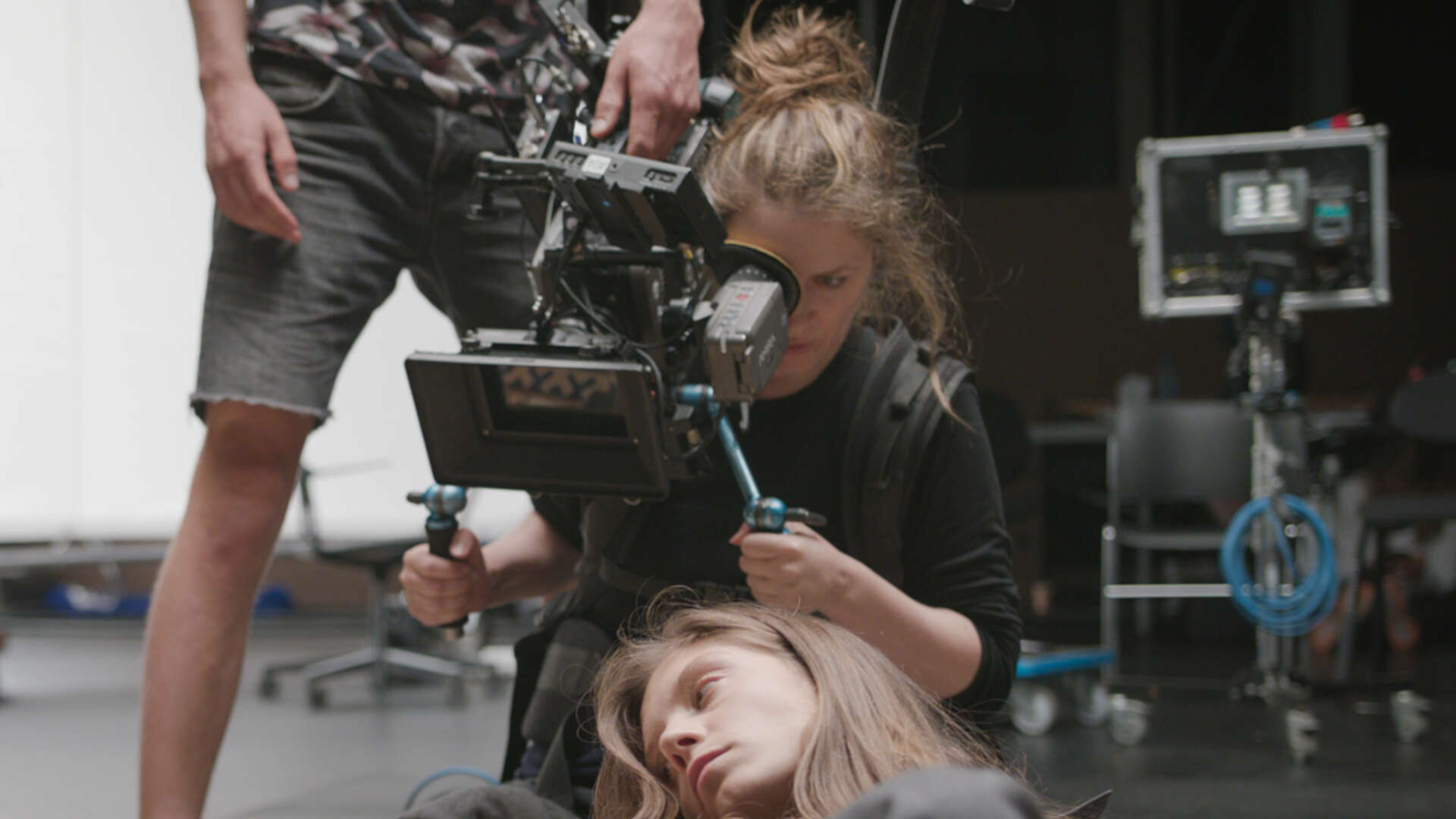
The award-winning cinematographer Cecilie Semec is a research fellow on the PhD programme Artistic Research in Film and Related Audiovisual Art Forms (FILMART) at Inland Norway University of Applied Sciences.
Through her artistic practice as a cinematographer, Semec has, during her fellowship period, explored «The Film Image and the Long Take», which is the title of her doctoral project.
The starting point is her own creative work as a cinematographer. Through her work on the films Lyset fra sjokoladefabrikken (2020) and Apart (2020), the long take is explored as both an aesthetic and an ethical choice.
– The project is based on an experience-based and embodied approach to cinematography, where the long take is understood as a form of attention and presence. Through conversations with international cinematographers such as Sean Bobbitt, Peter Zeitlinger and Dick Pope, as well as documentary filmmaker Kim Longinotto, I explore the cinematographer’s role and what time means in cinematography,” Semec explains.
Cecilie Semec has been the cinematographer on a number of award-winning feature films and short films, among them Dag Johan Haugerud’s trilogy Sex–Dreams–Love.
Dreams won the Golden Bear in the main competition programme at the Berlinale in 2025, as the first Norwegian film ever to do so. In 2025, Cecilie Semec received the Edith Calmar Award for her work on Haugerud’s trilogy.