
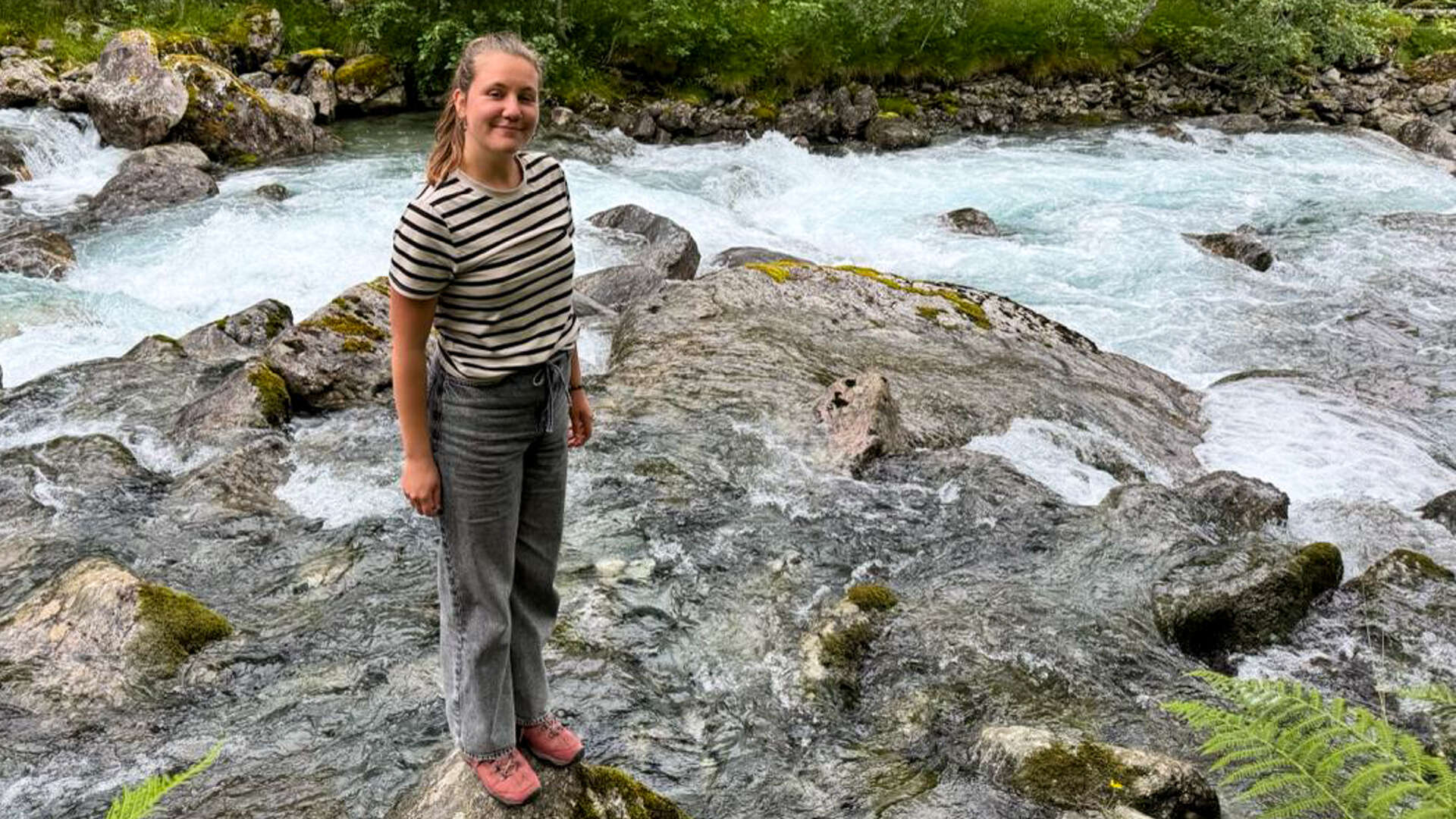
Cécile Carpentier’s doctoral project investigates which factors make it possible for roe deer populations to survive in environments where there are many different causes of mortality.
– Among other things, I have looked at predation by different predator species, human culling and extreme weather events, such as winters with heavy snowfall. Using a range of modelling approaches, I have examined how roe deer populations respond to these pressures under different ecological scenarios, Cécile writes to inn.no.
The PhD candidate’s research in the doctoral programme Applied Ecology and Biotechnology provides new insights into predator–prey dynamics.
Her work also shows how important it is to consider not only predation by several predator species, but also harvesting of both trophic levels (predators and prey), as well as landscape structure, when developing sustainable wildlife management strategies.
The title of Cécile Carpentier’s thesis is «Modelling prey dynamics in multi-predator systems: European roe deer (Capreolus capreolus) persistence under predation by Eurasian lynx (Lynx lynx) and hunting in northern landscapes».
Main findings of the doctoral thesis:
- The combined effects of predation (from several predators such as lynx and red fox) and hunting, together with extreme weather conditions, imply substantial pressure on roe deer populations in Scandinavia.
- The existence of spatial refuges (shelter from predation) and roe deer movements can help release/buffer the high mortality pressure and promote roe deer persistence.
- Wildlife management within predator-prey systems can help reduce conflicts between humans and large carnivores while supporting predator conservation.
- Harvest strategies for both lynx and roe deer influence predator–prey dynamics and can promote roe deer population persistence, highlighting the importance of considering how different harvest strategies affect the system when developing sustainable management programs.