
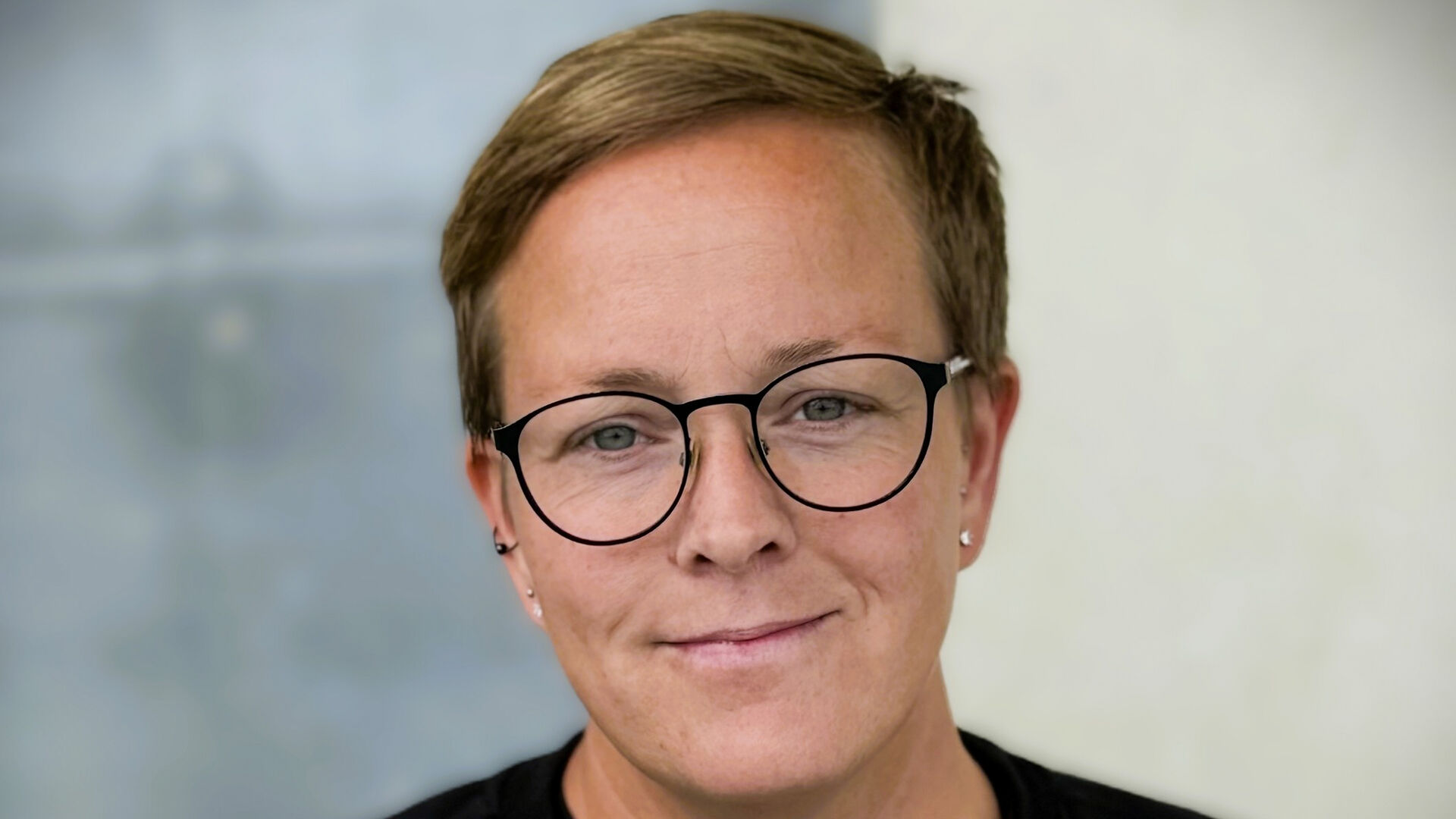
In her PhD project, Nord-Baade has explored the experiences and understanding of social inclusion among young adults with mental illness and complex needs. Social inclusion refers to how included this group is in the society around them.
She has investigated this from the perspectives of the young adults themselves and the staff in the interdisciplinary teams that follow up on people with serious mental illnesses and/or substance abuse problems – the FACT teams.
FACT stands for Flexible Assertive Community Treatment, and is a team that works with flexible, active and outreach-based treatment for people dealing with serious and long-term problems.
The aim was to strengthen the knowledge base to contribute to the further development of practices that promote social inclusion within this target group.
"The findings showed that the young adults had extensive experiences of social exclusion and that identity and the perception of mattering less compared to others were key barriers to social inclusion," says Silje Nord-Baade.
The young adults wanted to contribute to the community but felt that FACT addressed social inclusion to a limited extent, and they were uncertain whether they would ever be able to experience being socially included.
"FACT team staff reported working toward social inclusion, primarily through measures related to employment, education, and activities. However, they experienced several challenges related to the young adults themselves, the structure of health and welfare services and FACT, as well as broader societal conditions. The employees expressed a need for guidelines that could contribute to a more holistic and systematic approach in this work," says Nord-Baade.
The study concludes that there is a need for a comprehensive framework that addresses psychological, material, and social conditions in the work on social inclusion for young adults within this target group. Additionally, the study calls for a strategic development of services and societal structures that promote social inclusion.
Silje Nord-Baade thesis is titled "Social inclusion among young adults with mental health disorders and complex needs: A qualitative study of young adults' and service providers' experiences".
The main findings of the doctoral research:
- The young adults had extensive experiences with social exclusion. This had contributed to shaping an identity and a psychological barrier that challenged promoting social inclusion.
- The young adults wanted to contribute to the community but often perceived themselves as being of less value than others, with less to offer the community.
- The young adults did not feel that social inclusion was sufficiently addressed and were uncertain if and how FACT could assist with this.
- FACT staff felt that they worked toward social inclusion, mainly reported through measures related to employment, education, and activities, but recognized room for improvement and a need for increased knowledge.
- The staff found the work on social inclusion to be challenging. This was attributed to factors related to the young adults themselves, conditions in health and welfare services and FACT teams, as well as societal conditions.
- The staff called for guidelines that could contribute to a more holistic and systematic approach to this work.
- It is concluded that there is a need for a comprehensive framework that addresses psychological, material, and social conditions in social inclusion for young adults within this target group.
- The study calls for a strategic development of services and societal structures that promote social inclusion.