
Nettsider med emneord «public defence of thesis»

Central banks around the world had to rethink their approach when hit by the 2008 financial crisis. What did they do, how did they do it, and what was the outcome? These are questions Ingrid Hjertaker has focused on in her PhD research. She will defend her thesis on 15 October.

How do you lead a project where many professionals from completely different backgrounds are to work well together? Frederick Howard has developed a new management model, Trust Design, which has been tested on the production of the film "Three Wishes for Cinderella". On 10 June he will defend his artistic research thesis.
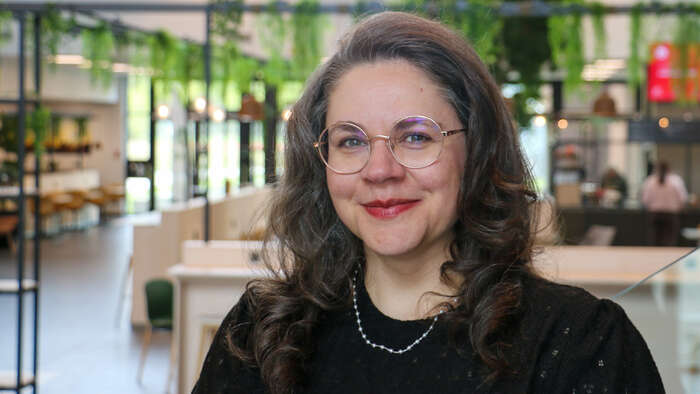
How is digital technology changing the way people access, choose, buy, and consume food? Sabrina Ionata de Oliveira Granheim has researched this in her doctoral thesis at INN University, and will defend her thesis on 5 June.

In her PhD work, Toril Merete Nysæter has spoken to both cancer patients in the final stages of life and their relatives about what care and support they need to make death at home possible. Her public defence is scheduled for 2 June.
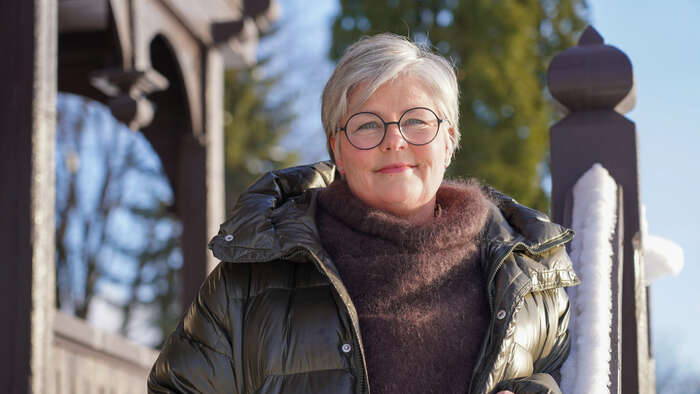
Investing in the development of second homes in rural areas is seen as important to the development of these areas. But how important a role does this actually play? Merethe Lerfald explores this in her PhD thesis, which she will defend on 29 May.

Frode Johansen has investigated how decisions to use virtual reality (VR) in higher education are made. On 8 May he will defend his PhD thesis.

Ram Chandra Giri has been looking into how to develop good educational opportunities for students with disabilities in Nepal. On 17 June he will defend his doctoral thesis.
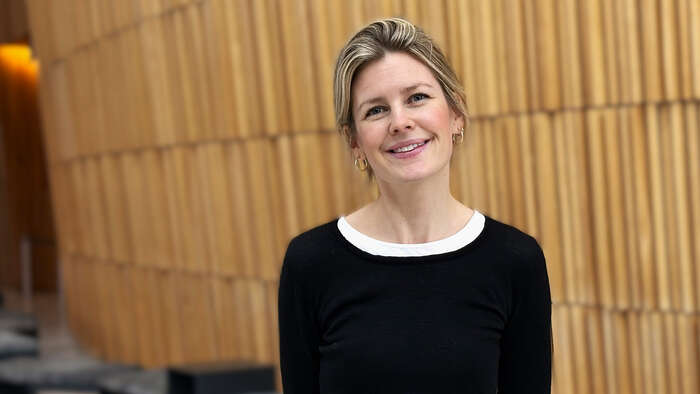
In establishing a so-called "dementia village", Ane Bast has investigated how new services can be developed for – and together with – users in vulnerable situations. On 20 March she will defend her doctoral thesis.
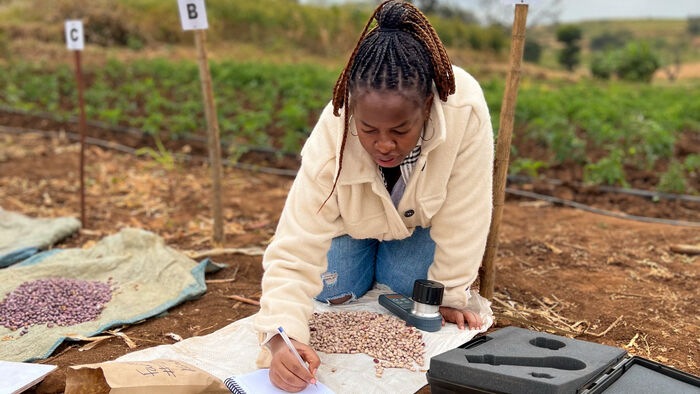
How can African farmers play a more active and effective role in the development of targeted plant varieties when climate change negatively affects agriculture? Mabel Nabateregga has researched this, and on 19 February she will defend her doctoral thesis.
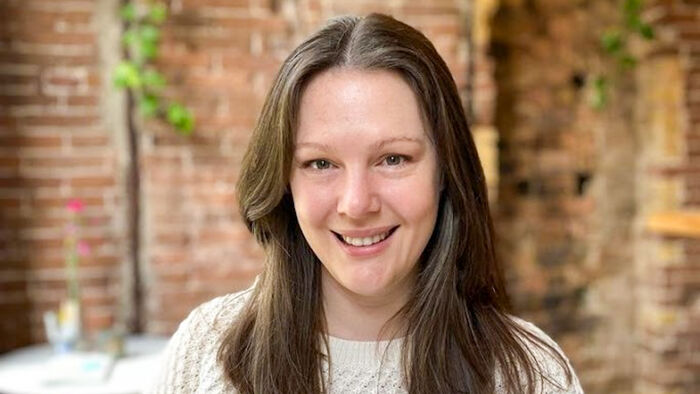
How are race and racism understood, experienced and challenged in Norwegian schools? Danelle du Plessis draws on the experiences of eight teachers with minority backgrounds in her doctoral thesis, which she will defend on 18 February.
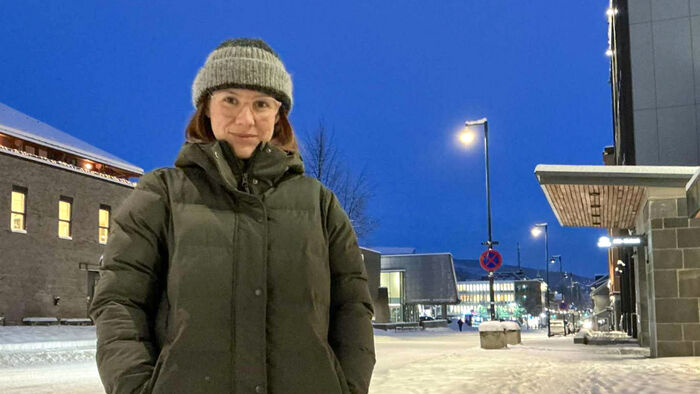
It is challenging to achieve co-creation between young adults and Nav, partly due to power imbalances. This is one of the conclusions of Marie Rønshaugen's doctoral thesis, which she will defend on 30 January.

Erik Versluijs has used modern technology to understand what affects cattle and how they fair in the boreal forest. On 30 January he will defend his doctoral thesis.

By working with literary texts about World War I in English lessons, 9th grade students can develop historical understanding, critical thinking, and empathy. This is a key finding of Torunn Synnøve Skjærstad's doctoral thesis, which she will defend on 8 December.
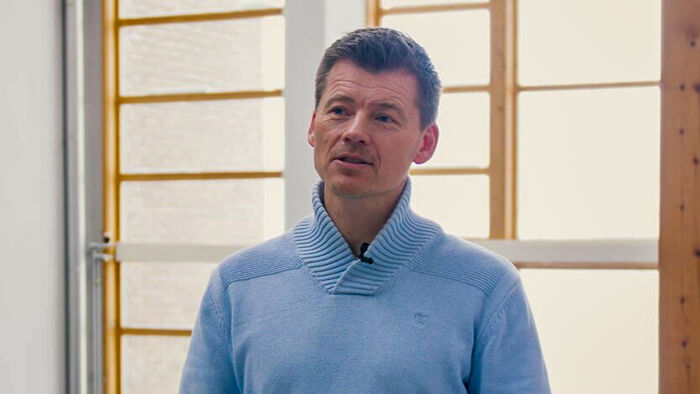
How organizations plan, conduct and follow up on exercises before a crisis is crucial to how well equipped they are to deal with crises. This is among the findings in Geir Ove Venemyr's doctoral thesis, which he will defend on 5 December.

Today, it is common to use building materials only once before throwing them away – especially materials made of wood. Shumaila Khatri has been researching what can change this, and on 2 December she will defend her doctoral thesis.
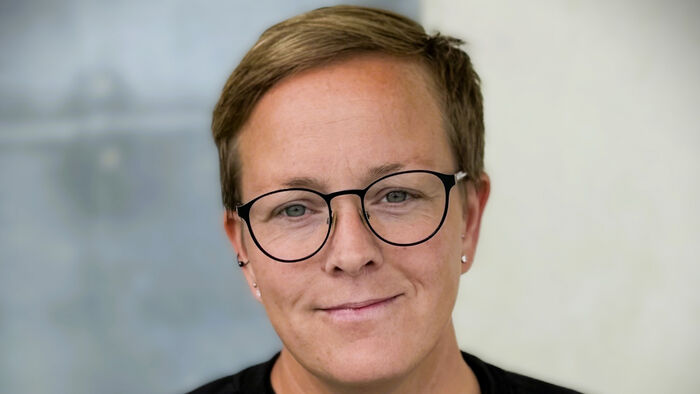
Silje Nord-Baade has explored how young adults with mental illnesses and complex needs feel in relation to their surroundings. On 1 December, she will defend her doctoral thesis.
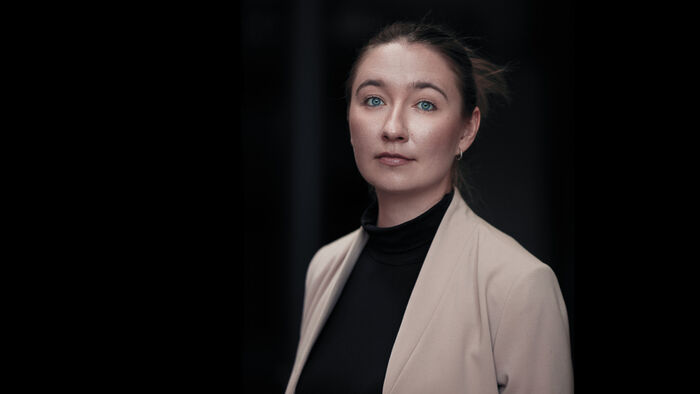
What does it mean for secondary school students with Polish as their home language to receive instruction in their own language in addition to Norwegian? Agnieszka Malgorzata Moraczewska has written her doctoral thesis about this. On 17 November she will defend her research.
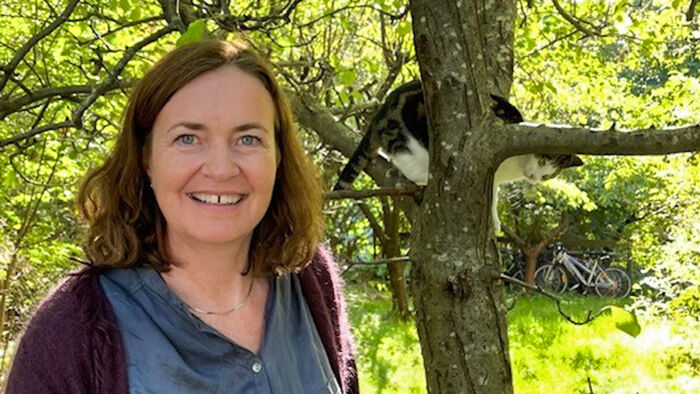
Have you ever thought about what books are read to children in kindergarten, and how this affects children's reading experiences? Marit Vik has, and on 7 November she will defend her doctoral thesis on this topic.

Pamela Joanne Helder Naylor's doctoral thesis examines what it takes to get more teachers in Norwegian primary schools to use mathematical modelling in teaching. She will defend her thesis on 5 November.

On 25 September, Anne Breivik will defend her doctoral thesis, one of the goals of which has been to increase the knowledge we have about the prevention of root caries among the elderly in Norway.

Øyvind Hennum has delved into the question above in his doctoral work in the PhD programme in Teaching and Teacher Education. The public defence is scheduled for 25 June.
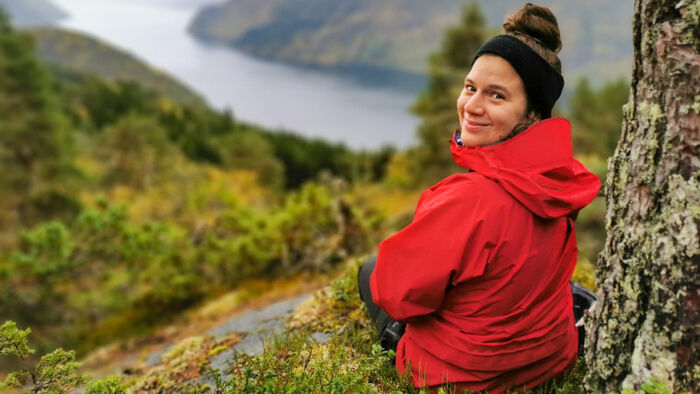
Tracking livestock can help protect both livestock and wildlife. This is one of the conclusions of Laura Jeanne Niccolai's doctoral thesis, which she will defend on 13 June.

Motivated by concerns regarding Norway's productivity growth decline, Olugbenga Michael Adewumi investigates how innovation affects competitive advantage in different contexts. He will defend his thesis on 26 May.

Pedagogy should take time into account. That is one of the conclusions in Camilla Helén Ødegården Aanstad's doctoral thesis, which she will defend on 25 April.
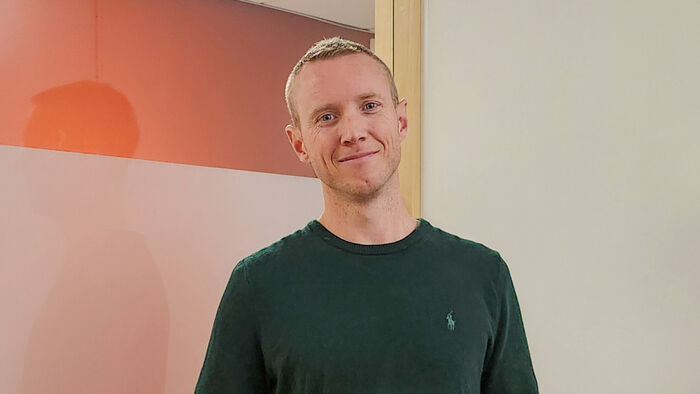
Patrick Foss Johansen defends his doctoral thesis in the PhD-program Child and Youth Competence Development at Inland Norway University of Applied Sciences, campus Elverum, October 9th, 2024.