
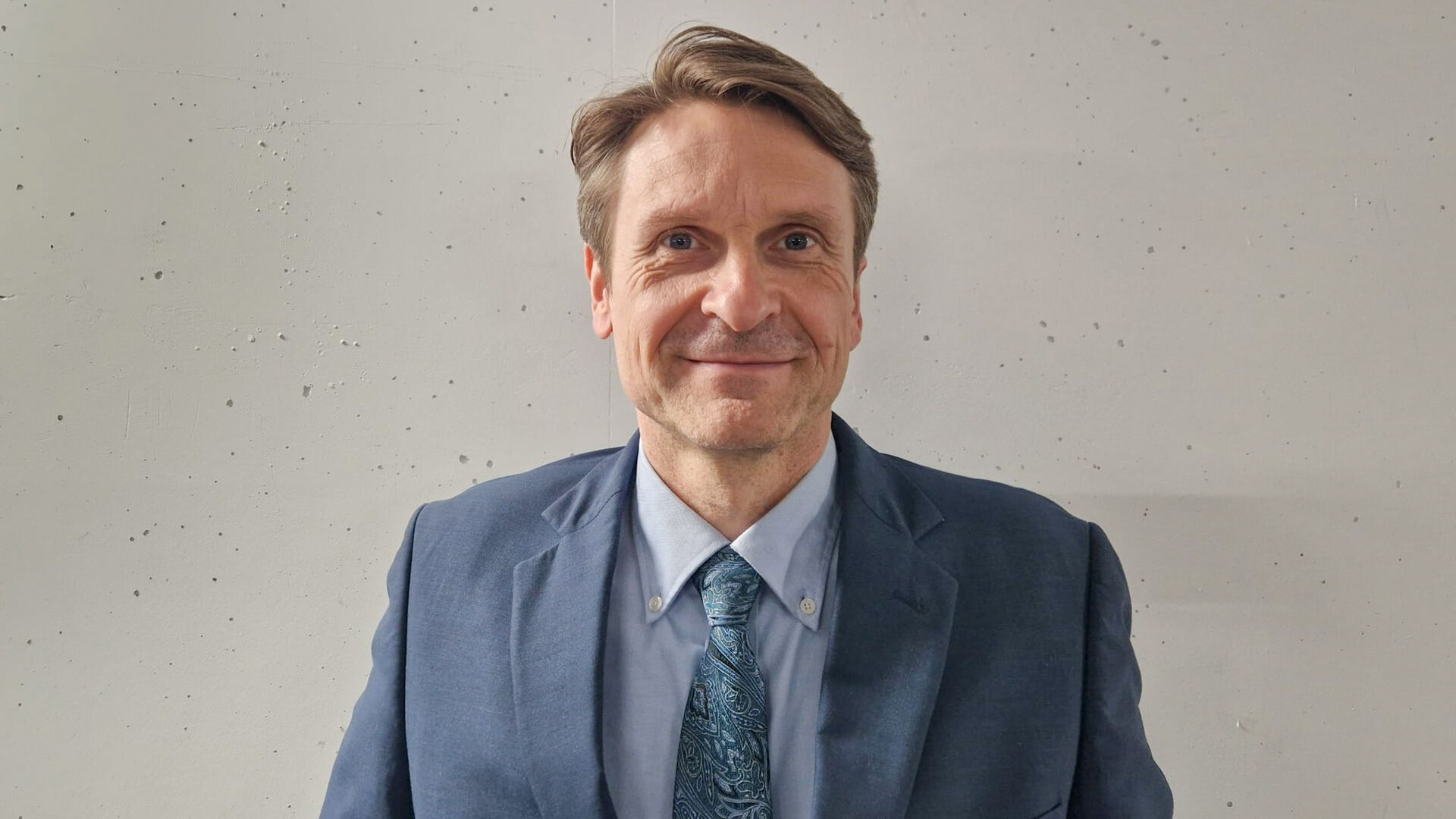
Øyvind Hennum's research project explores the issue: "How is educating the whole child understood in four school types in the Norwegian context?"
The study analyses curriculum documents and focus group interviews with teachers from Norwegian public schools, Montessori, Waldorf (Steiner), and International Baccalaureate (IB) schools.
"Key findings show that the intention to educate the whole child is recognized in all curricula and also by teachers, although with different expressions", tells Hennum to inn.no.
- It is recognized in the ideas of “Bildung” in Norwegian public schools.
- It is recognized in the ideas of “Cosmic Education” and educating the head, hands, and heart in Montessori schools.
- It is recognized in the ideas “Education towards freedom” and educating the head, heart, and hands, the body, soul, and spirit in Waldorf schools.
- It is recognized in the learner profile attributes in the IB schools.
The study indicates that the "whole child" emerges in several different areas of development with abilities, characteristics, and skills that go beyond the cognitive and intellectual.
"Teachers see it as their mandate to educate the whole child, but experiences of pressure from outside forces can conflict with this. The study indicates a conflict between fundamental values and political demands for standardization and measurement of performance", says Øyvind Hennum.
The study found indications of pressure on independent schools to conform to standards that restrict their unique and holistic approaches to education, according to Hennum.
Main findings of the doctoral research:
- The intention to educate the whole child is recognized in all curricula and also by teachers, although with different expressions.
- The study indicates that “the whole child” has developed in many domains, abilities, traits, skills, and virtues, not only intellectual and cognitive abilities.
- Teachers see it as their mandate to educate the whole child, but experiences of pressure from outside forces can conflict with this.
- This study identified a conflict between the schools values and policy demands for standardization and measuring performance.
- The study found indications of pressure on independent schools to conform to standards that restrict their unique and holistic approaches to education.