Ecology students from INN have gone on an excursion to one of Norway's most famous national parks – where Arctic foxes, reindeer and muskoxen can be spotted in the mountains.
Faculty of Applied Ecology, Agricultural Sciences and Biotechnology
INN University has welcomed 14 international students in biomedical laboratory science to Hamar. Together with Norwegian students, they have spent the week conducting research projects, building networks, and sharing cultural experiences.
Through dedicated staff and research-focused courses, ecology students at the University of Inland Norway get the opportunity to do an internship in the Mongolian Gobi where they help to save the Przewalski's horse – the only remaining wild horse species.
Students at the University of Inland Norway have landed an exciting and relevant summer job: They will map marshes of unknown depth – and determine how much stored carbon could lead to CO2 emissions if the areas are developed.
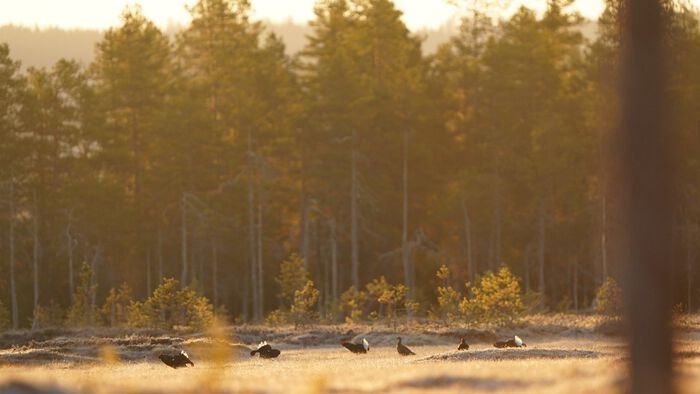
Last week, we had our annual excursion to the black grouse lek as part of the Wildlife Ecology course at Campus Evenstad.
26 international students are searching for traces of foxes. They are doing this to map the impact that wind farms in the forest have on wildlife.
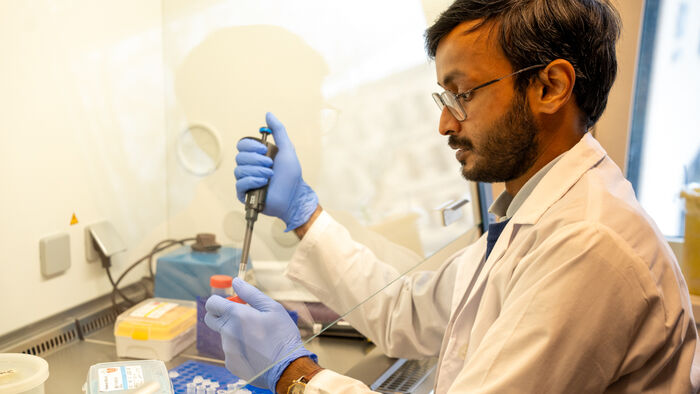
Master's students in biotechnology in Hamar contribute to internationally recognised research in both agriculture and the diagnosis of life-threatening diseases.
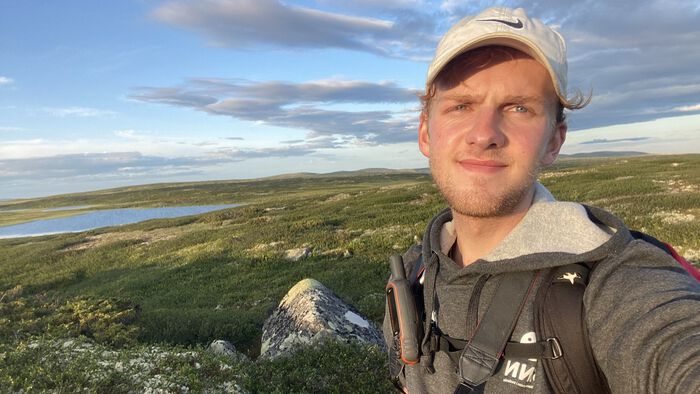
Drawn by the closeness to nature and ecological research, Wessel left the busy city life behind to study at remote Evenstad.
INN University welcomes a group of ecology students from Nepal. Due to its international initiatives and academic expertise, Evenstad campus is their first encounter with the world beyond own borders.
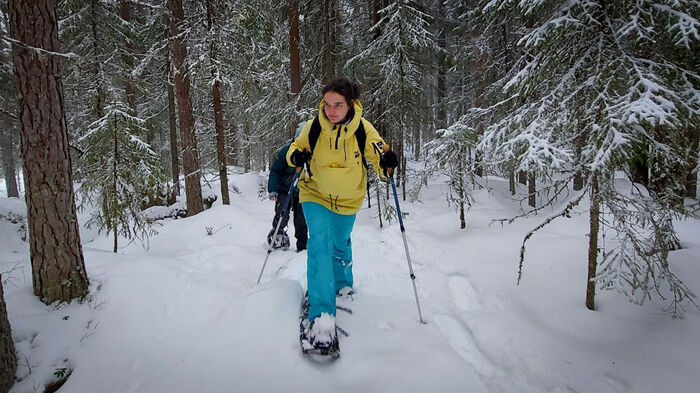
Arriving at Evenstad for the first time at the end of January is no joke. Especially if you come from sunny and Mediterranean temperatures. But that certainly doesn't dampen the mood among the 13 exchange students who have just started on the semester program Ecology and Evolution.
Students from Blæstad and Evenstad played key roles when the preliminary results and experiences from the large carbon mapping of peatlands in the Kongsvinger area were presented recently.