
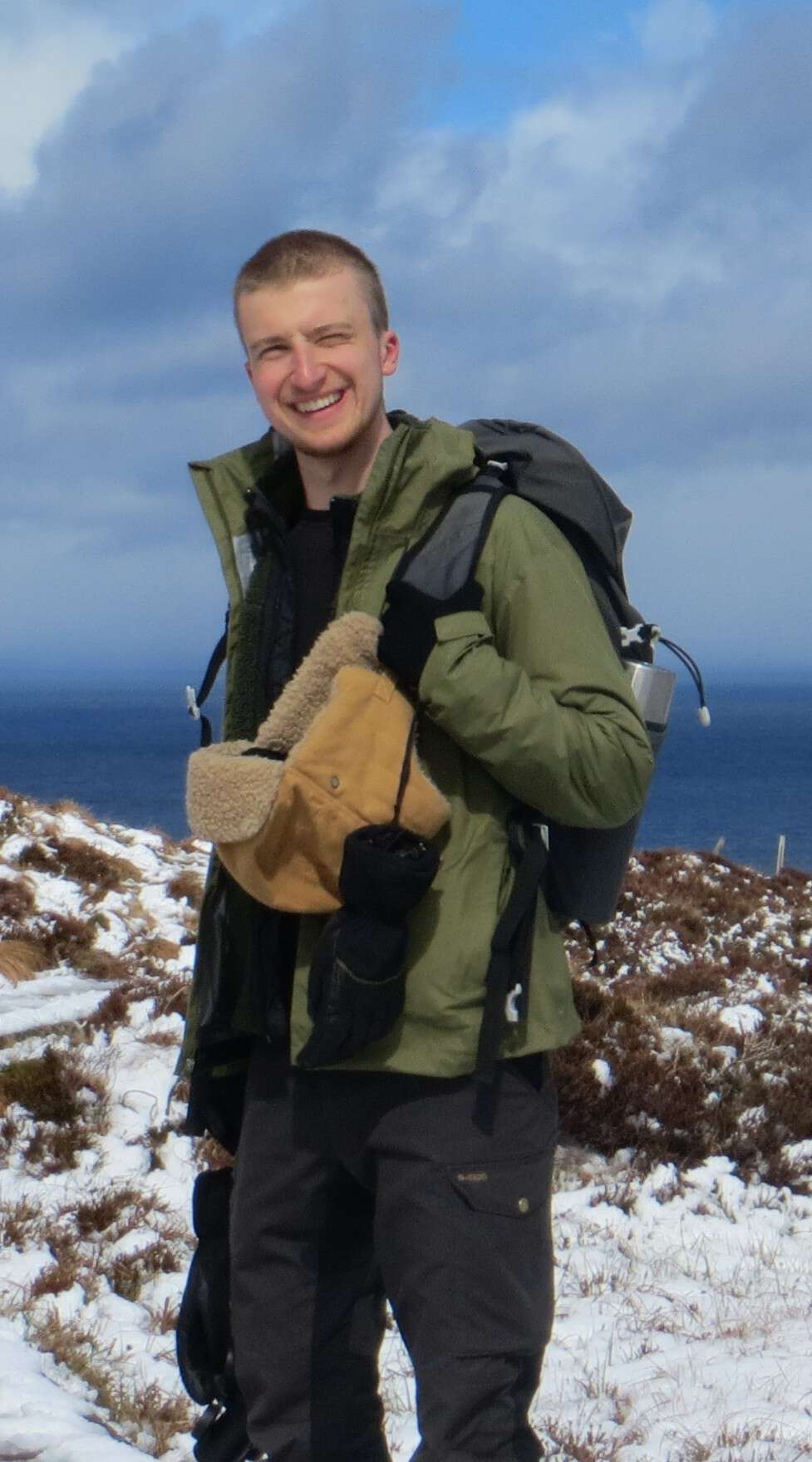
"On the first day, we went to the wild reindeer centre to receive a presentation on the biology and ecology of reindeer as well as what legislation they have in different municipalities in response to anthropogenic pressure," explains Ole Bukman, a Dutch student from Van Hall Larenstein University of Applied Sciences.
From 24 to 25 April, two Erasmus students on exchange in the Ecology and Evolution programme at the University of Inland Norway (INN) joined classmates and professors on a field trip to Dovrefjell-Sunndalsfjella National Park.
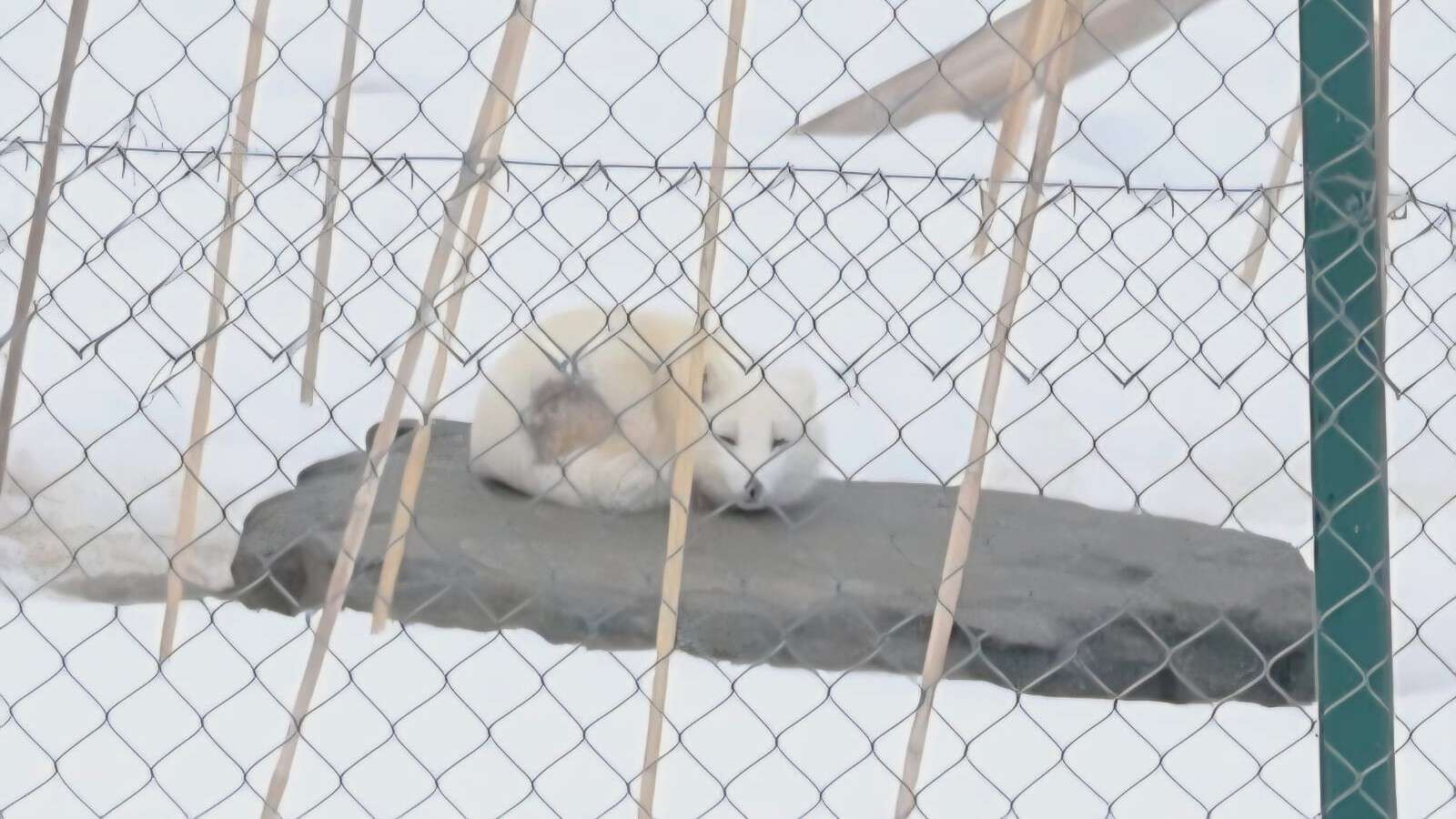
"We then visited the Arctic fox breeding station, where they explained how the breeding works, talked about heir ongoing project and their work at the station to take care of the eight fox couples," continues Ole.
The students also got to see the foxes' feeding station and live footage of the foxes in their dens.
"On the second day, we went searching for the muskox in the beautiful landscape of Dovrejfell. Unfortunately, we did not see the animals, but the hike was totally worth it," says Garance Vercambre, a French student from the School of Agricultural Engineering in Lyon.
Back home in the Netherlands and France, Ole is a student of forest and nature management, while Garance is a student of agronomy, food science and some environmental studies.
The beautiful and quiet nature of Norway is what attracted them both to go on exchange to Evenstad, the smallest and most remote campus at INN. It is located in the Østerdalen Valley by the Glomma River – surrounded by forests, mountains and wildlife.
"The people on the campus are great, open-minded, and easy-going; everybody feels like family. We go on trips together, play a lot of sports and throw parties. For example, we organised a special party for David Attenborough," says Garance.
Ole points out that the courses at Evenstad feel complete, because you have the theoretical introductions inside but also the practical training outside in the environment.
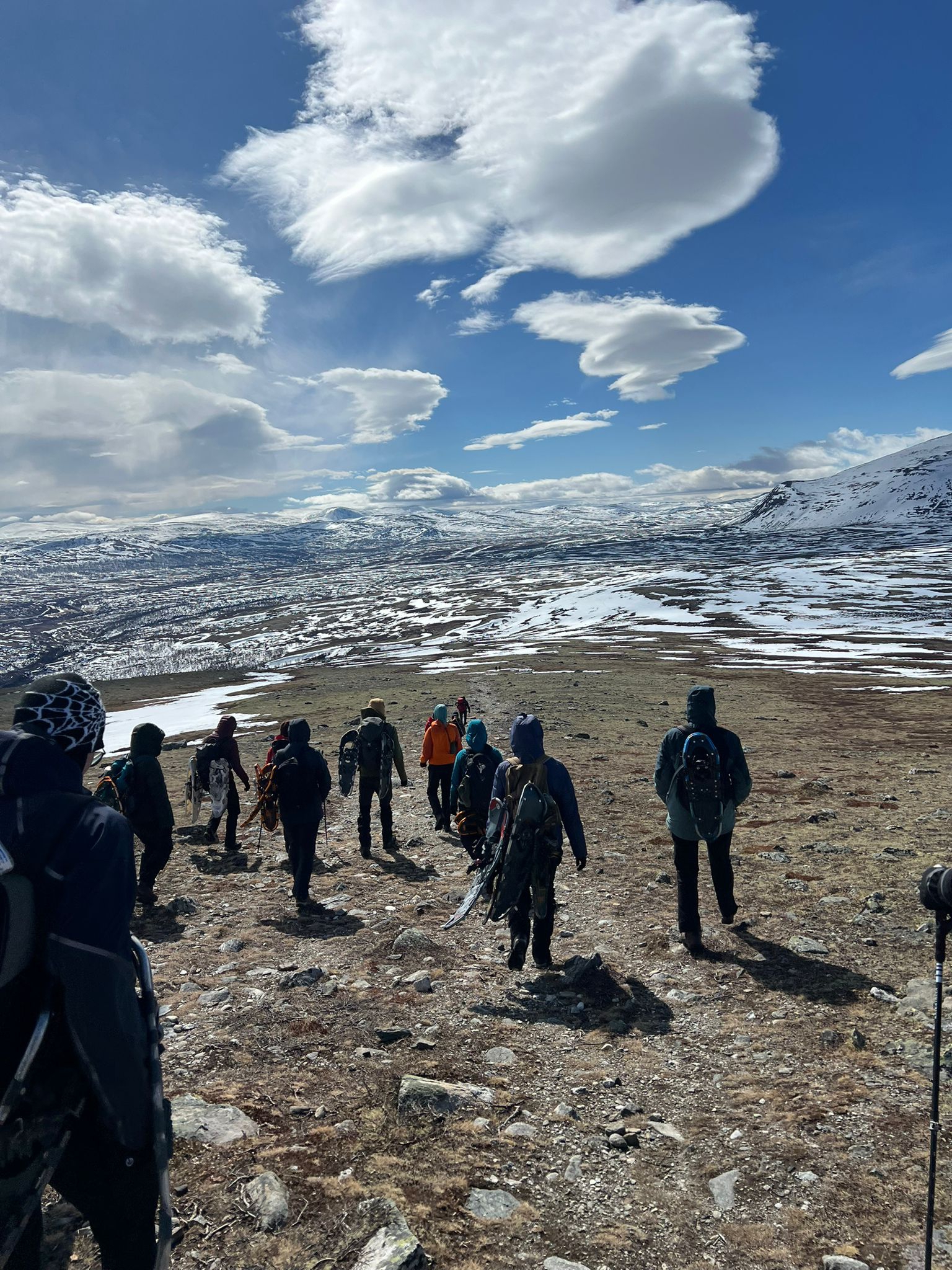
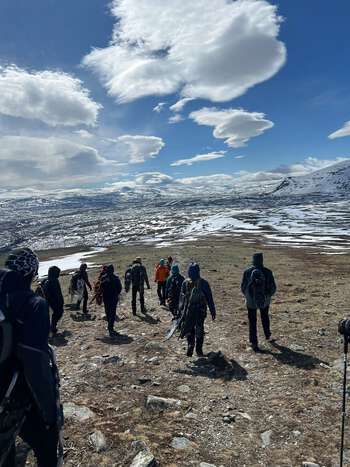
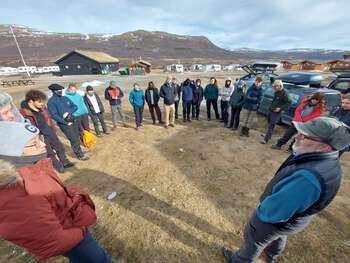
The students are searching for the muskox at Dovrefjell.
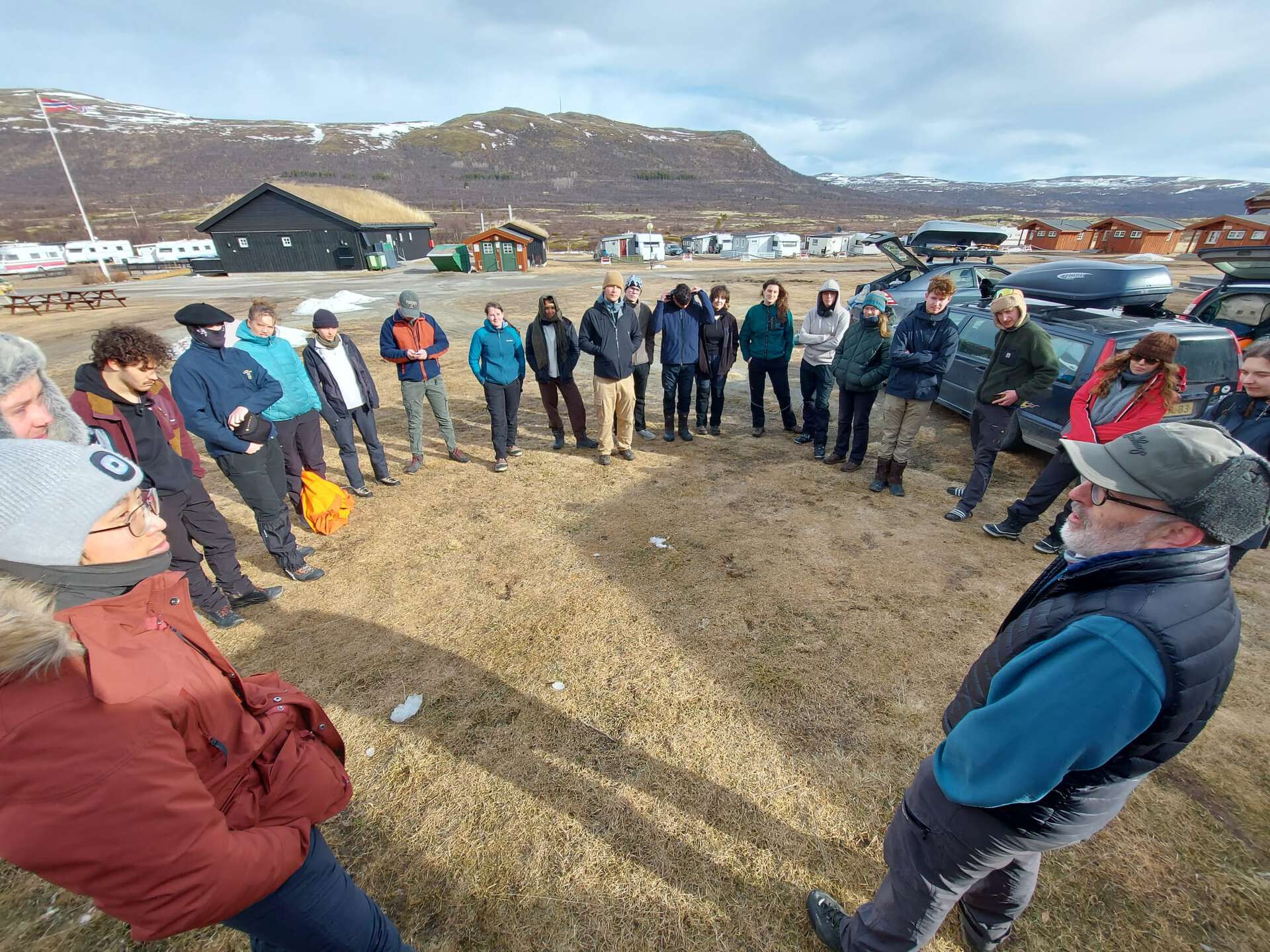
There was lots to learn about on the field trip.
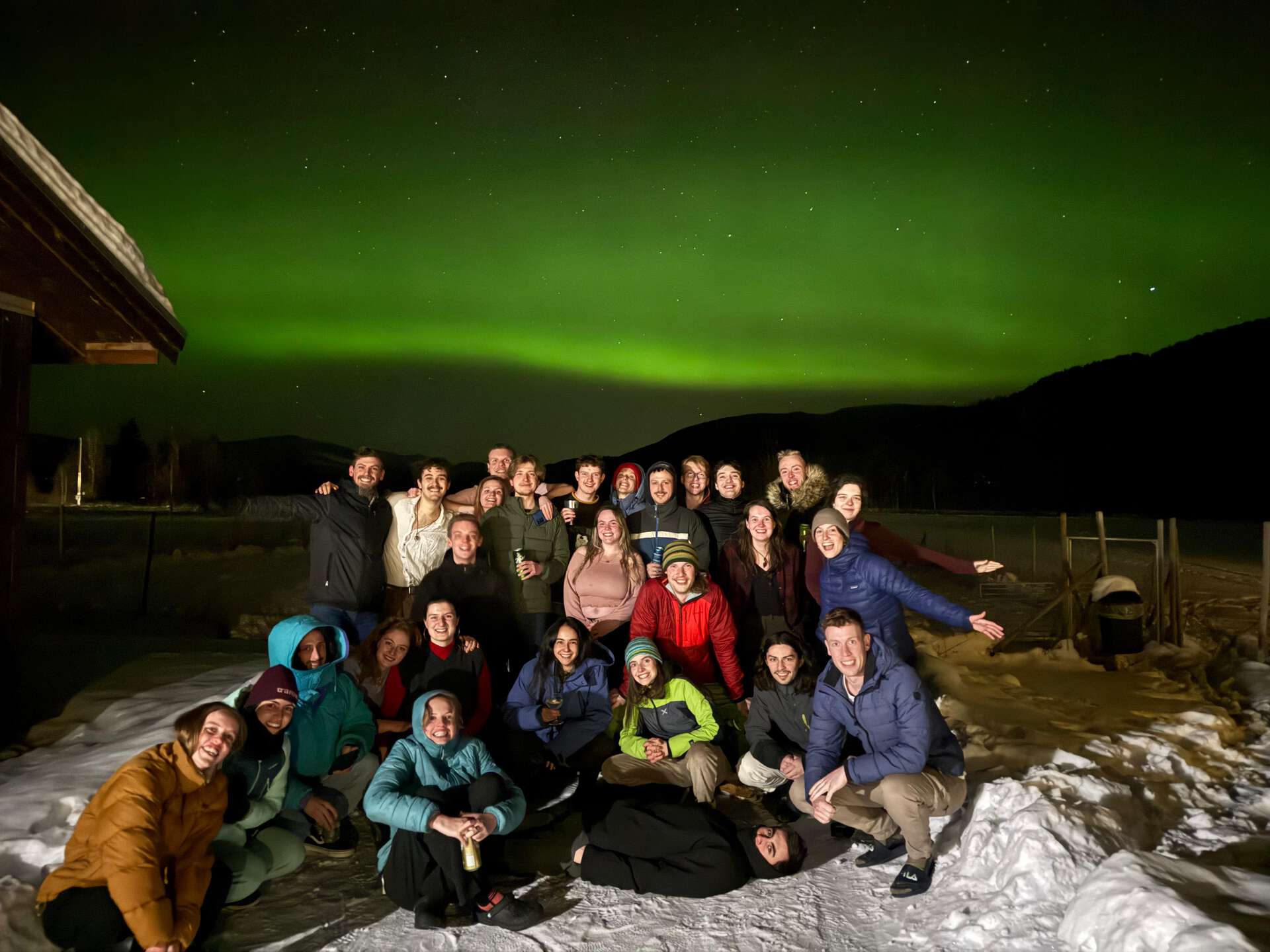
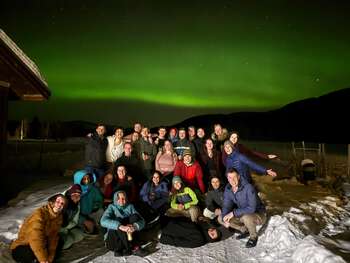
At Evenstad, it is not uncommon to see the northern lights!
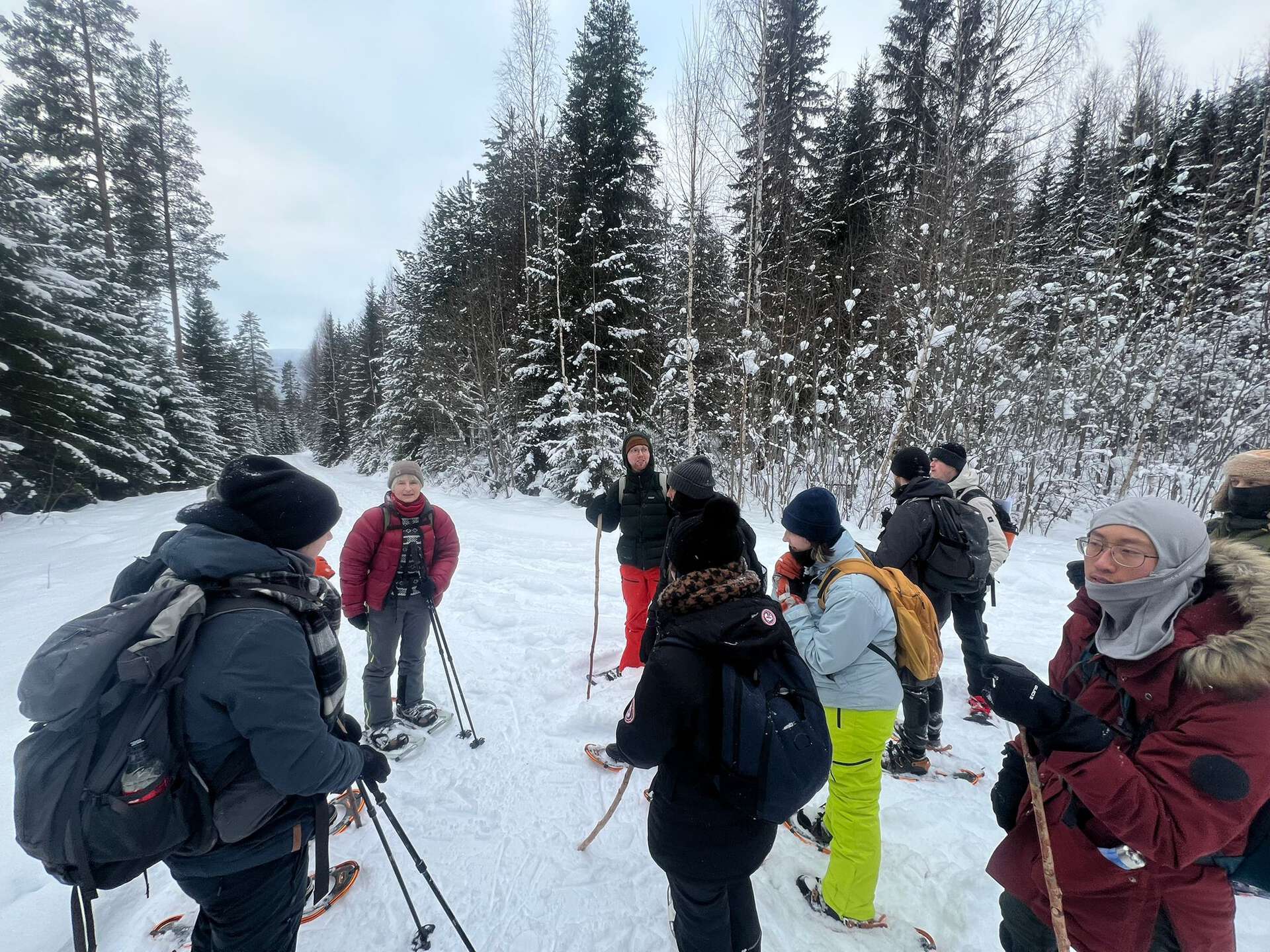
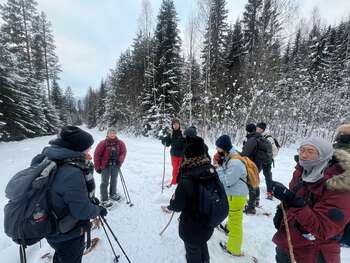
Field trips in the snow require snowshoes.
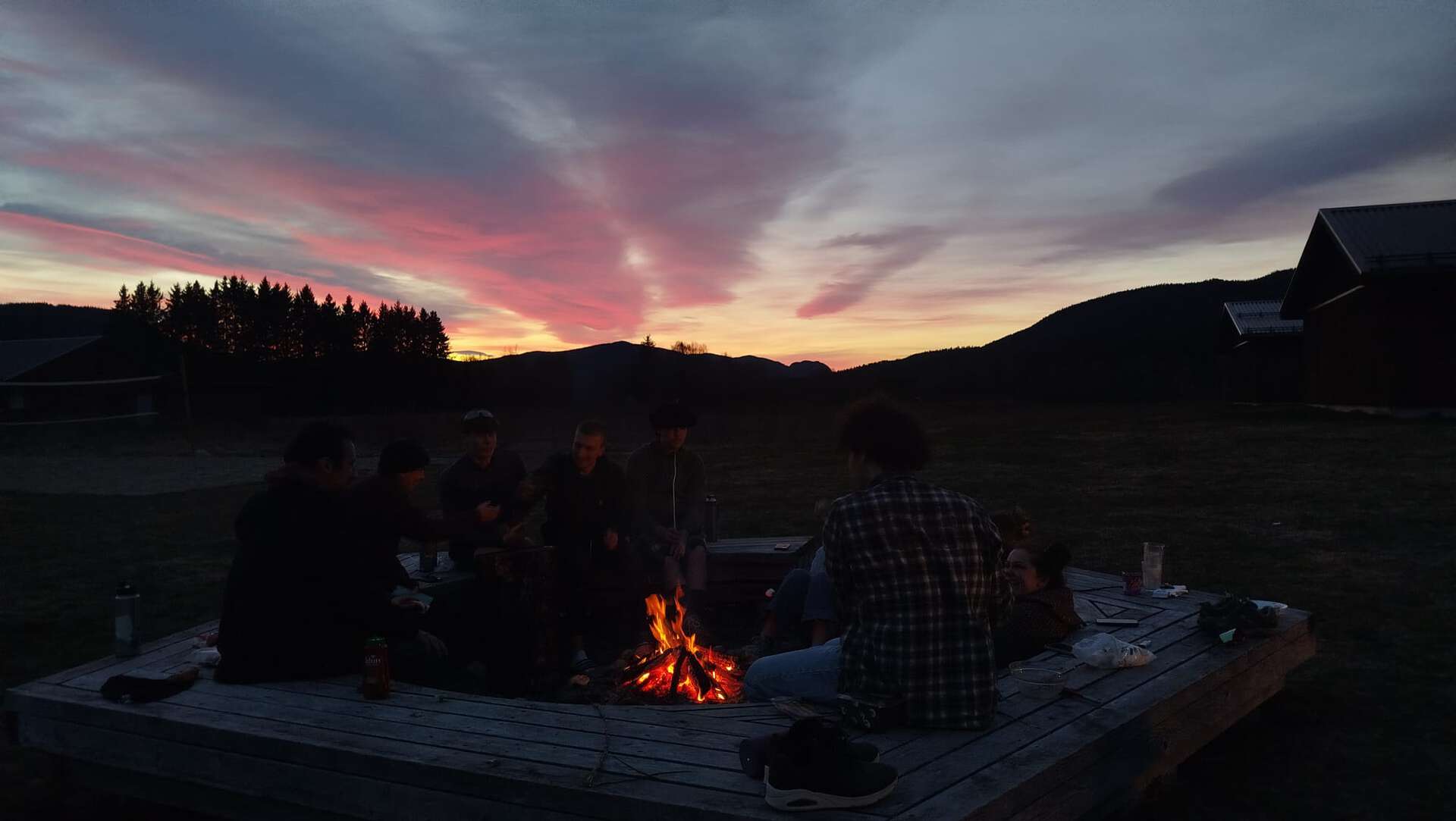
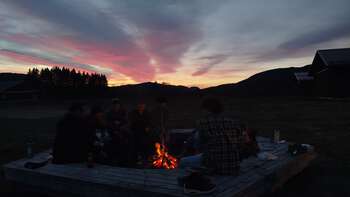
Legendary bonfire nights at Campus Evenstad.
"Going on this kind of field trip can also give you a new perspective on nature reserves, and you learn things that you cannot learn in class. You are able to have discussions with professionals who are experts in their fields," he says.
When asked if they had any remarkable experiences at Dovrefjell-Sunndalsfjella, the students mention being able to hold the skull of a male muskox, which was gigantic and heavy, and also touch the different summer and winter skin of the reindeer.
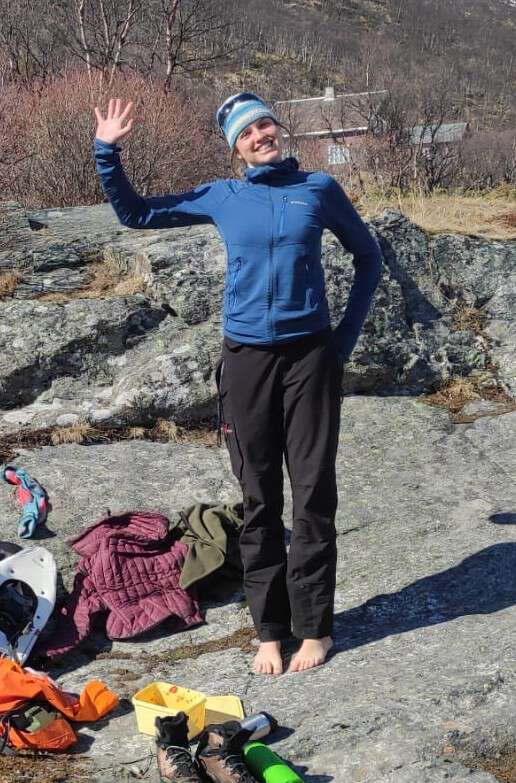
"Thanks to one of the presenters, I discovered a new profession I could see myself in: nature interpreter. During the field trip, it became a bit clearer what possible career paths I could follow," explains Garance.
Ole, on the other hand, was more convinced that he wants to work with wildlife management in the future, especially with endangered species.
Lastly, the students would like to express their gratitude to passionate staff and organisations who make experiences like this possible:
"We want to say a big thanks to our professors Petra Kaczensky and John Linnell for organising this field trip and the scientists from the Wild Reindeer Centre and Norwegian Institute for Nature Research (NINA) for their time and inspiration!"