
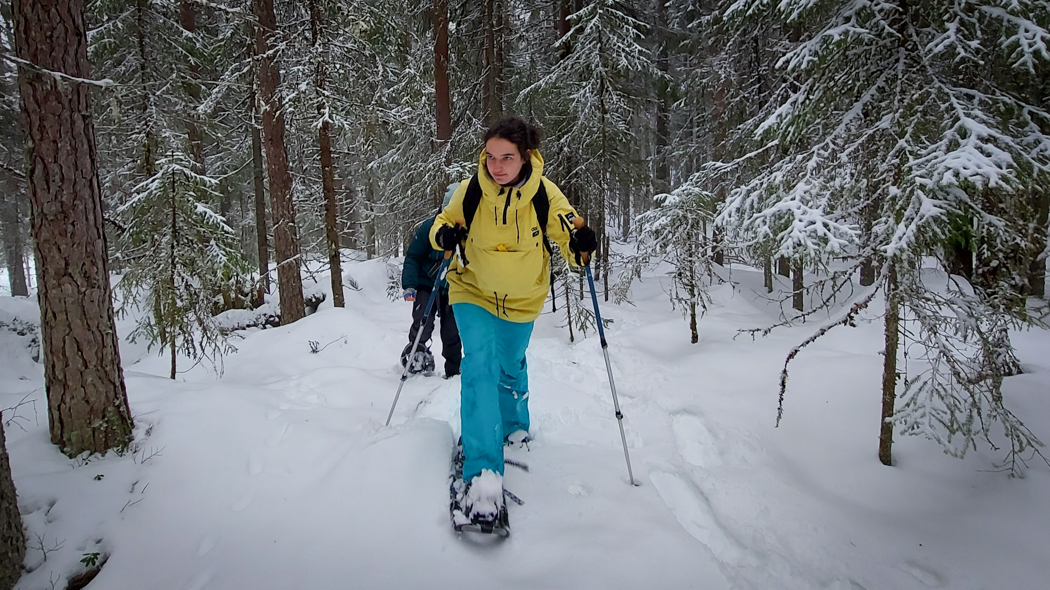
Wind power is a topic of debate. Among other concerns, there is worry about the impact on wildlife near wind farms.
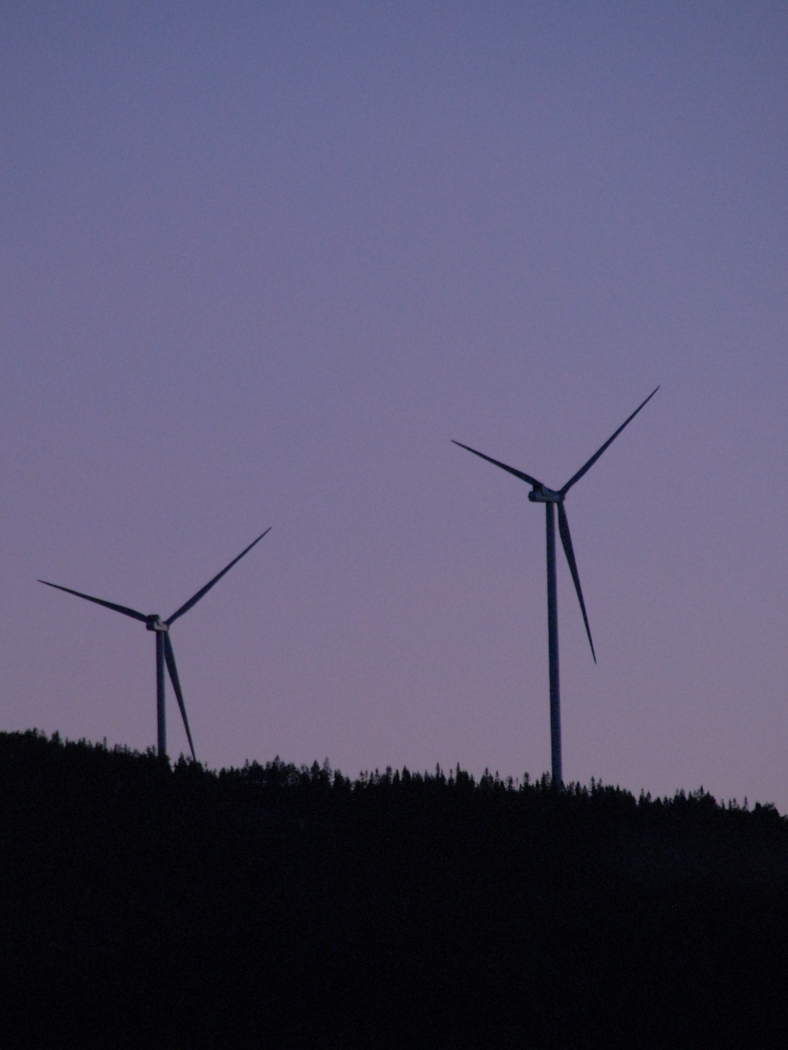
Researchers from the Department of Forestry and Wildlife Management at the University of Inland Norway (INN) are now working to gather more knowledge about the impact on forest birds near the Kjølberget wind farm in Våler.
In 2021, 13 large wind turbines were installed here, each standing 145 metres tall with a rotor diameter of 150 metres.
One of the questions the researchers aim to answer is how the wind farm affects the red fox.
Could new roads and snowmobile tracks make the area more accessible in winter, leading to an increase in fox numbers and, consequently, more predation on forest birds?
A trip to Kjølberget
It is early morning when 26 international students board a bus in Evenstad, heading for Kjølberget.
The students come from the Netherlands, France, Germany, Japan, South Korea, Spain, and Switzerland.
A light snowfall overnight has made tracking more difficult, which is bad news for their mission.
Nevertheless, under the guidance of Associate Professor Torfinn Jahren and master's student Tuur Vanmechelen, the students set out to search for red fox tracks.
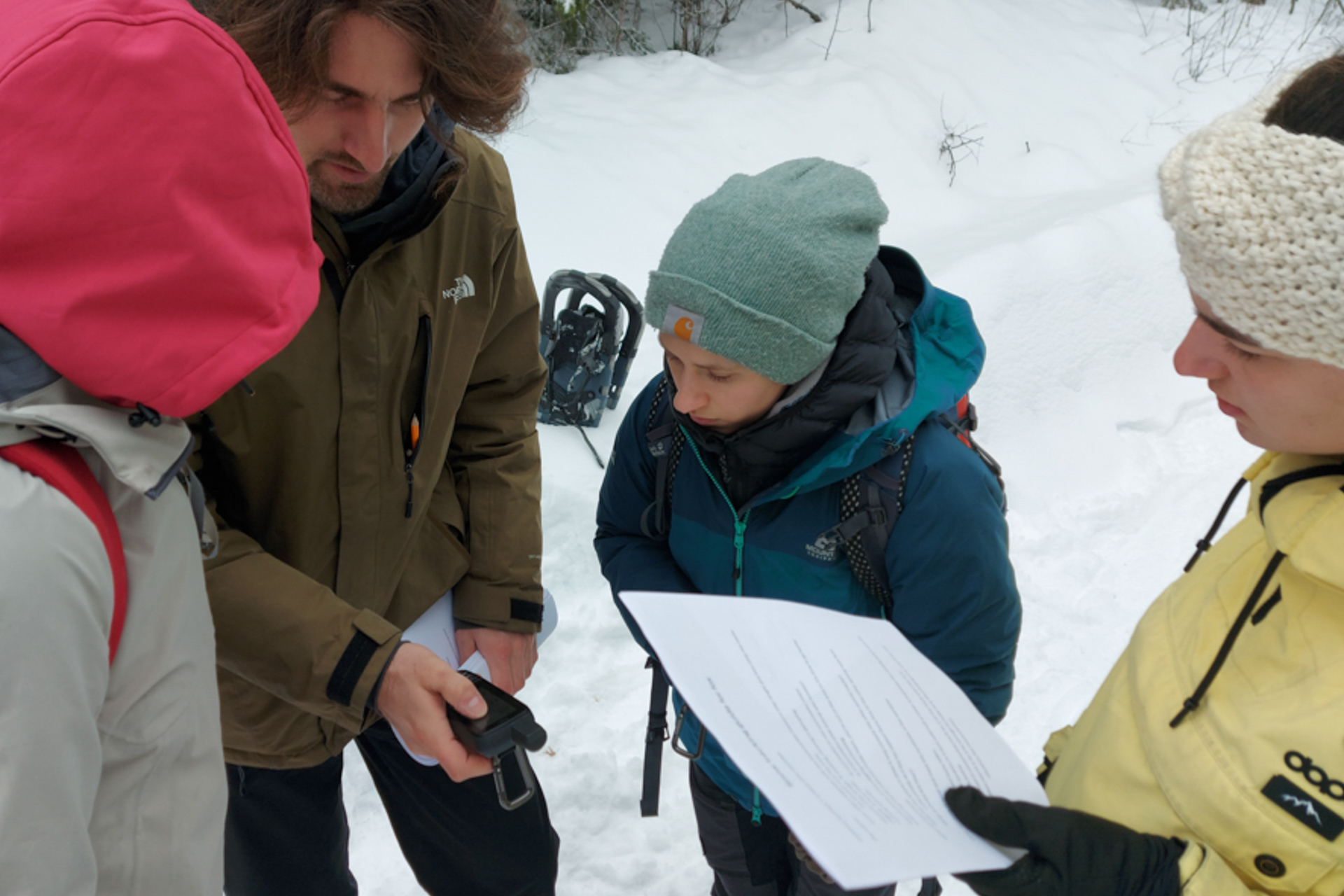
They split into ten groups. If they find any tracks, they are to follow them and record the movements using a GPS tracker.
Clémence, from the French university France AGRO3, has been on an ERASMUS exchange in Norway since January.
– I have ve never done anything like this in my life, she says.
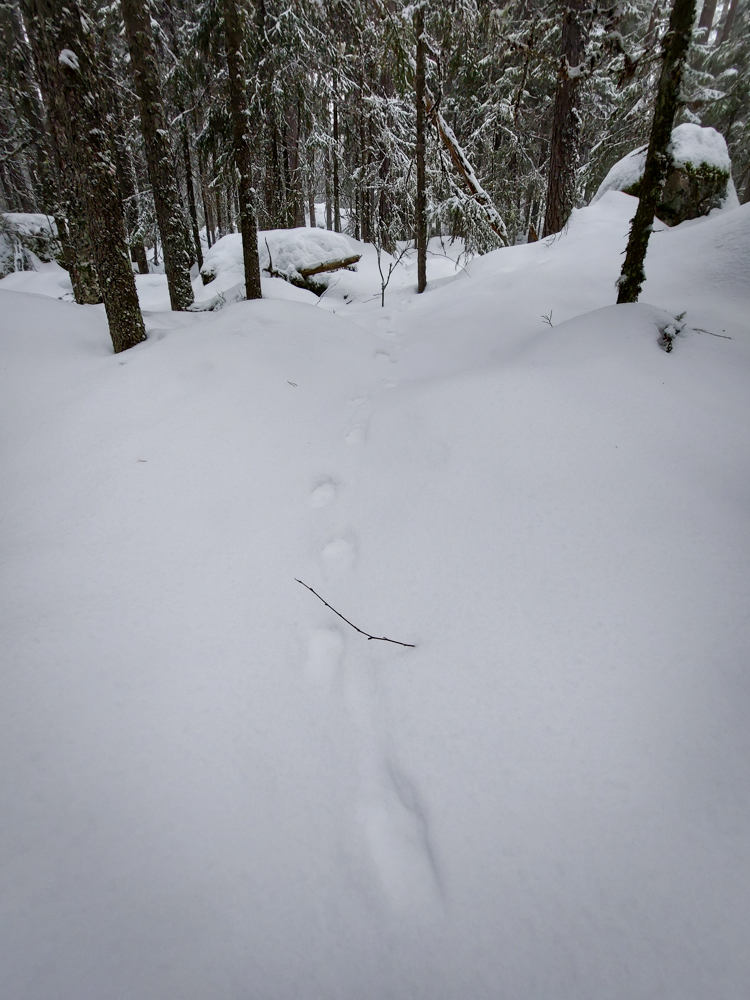
It does not take long before they find the first tracks of a red fox that passed through the area in the early morning, after the snow stopped falling.
The goal of the project is to record all details of the movement patterns. Do the animals walk in the snow within the forest, or do they prefer the ploughed forest roads? Are there signs that they are hunting or resting? How long are their steps?
In addition, the students collect faeces from the foxes, which will be DNA tested to track individual foxes around the wind farm.
The researchers are also using wildlife cameras to monitor the wildlife population in the area.
It is well known that the red fox thrives near humans and is highly adaptable.
– If new forest roads and snowmobile tracks prove to have a positive effect on the red fox, as there is reason to believe, this would be bad news for grouse and capercaillie in the area, says Torfinn Jahren, associate professor and project leader.
Little known about forest birds
There has been considerable research on the impact of wind farms on birds along the coast and in the mountains, but there is relatively little information available on forest birds.
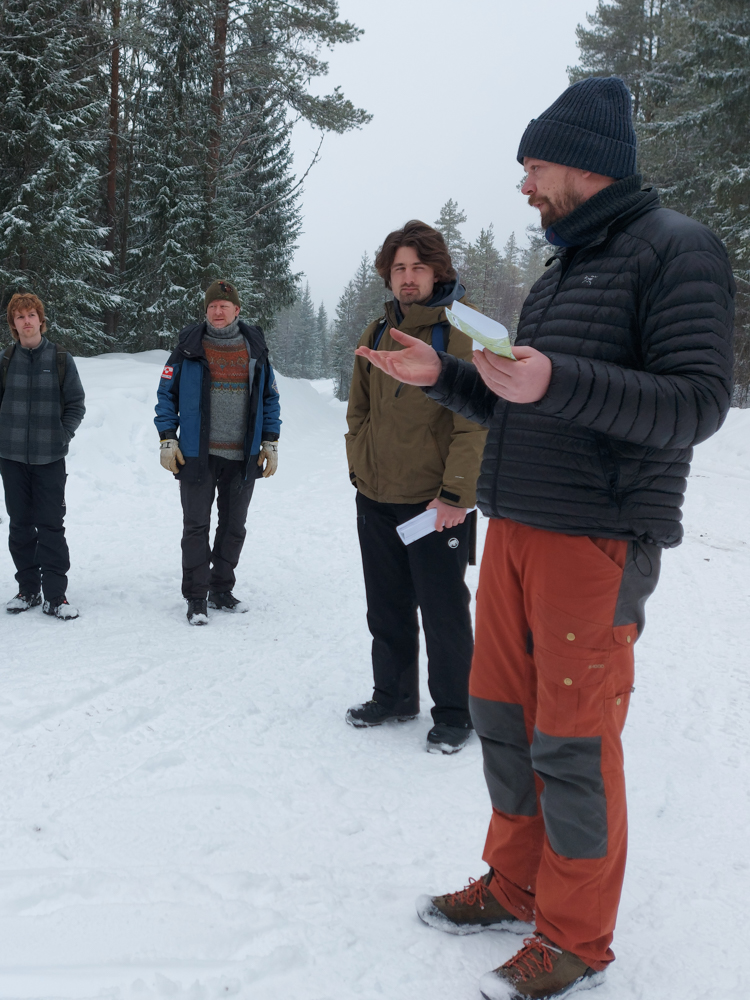
Through the ten-year project, the researchers will examine both the short-term and long-term effects on the birds at Kjølberget.
– It is a large and comprehensive project because we have the opportunity to collect data over ten years. That’s unusual, says Jahren.
This is their second winter working on the project.
They are tagging individuals of grouse and capercaillie to monitor habitat use, survival, and reproduction. They search the areas around the turbines for dead animals that may have collided with the poles or the blades themselves. And, as a side project, they are also monitoring the red fox population.
The project is funded by Austri Vind, the company operating the Kjølberget wind farm, with a budget of between eight and ten million NOK.
The company states that they have joined the project because they want more knowledge and a solid foundation for the development of potential mitigating environmental measures.
The first results are expected to be published in 2027 or 2028.
Students involved
Several students are involved in the project. This gives the researchers the opportunity to collect more information than they would have been able to otherwise, while providing the students with valuable experience.
– We try to involve student groups as much as possible. Our strength here at Evenstad is our close proximity to nature. They gain valuable practical experience by participating in research projects and collecting data outdoors.
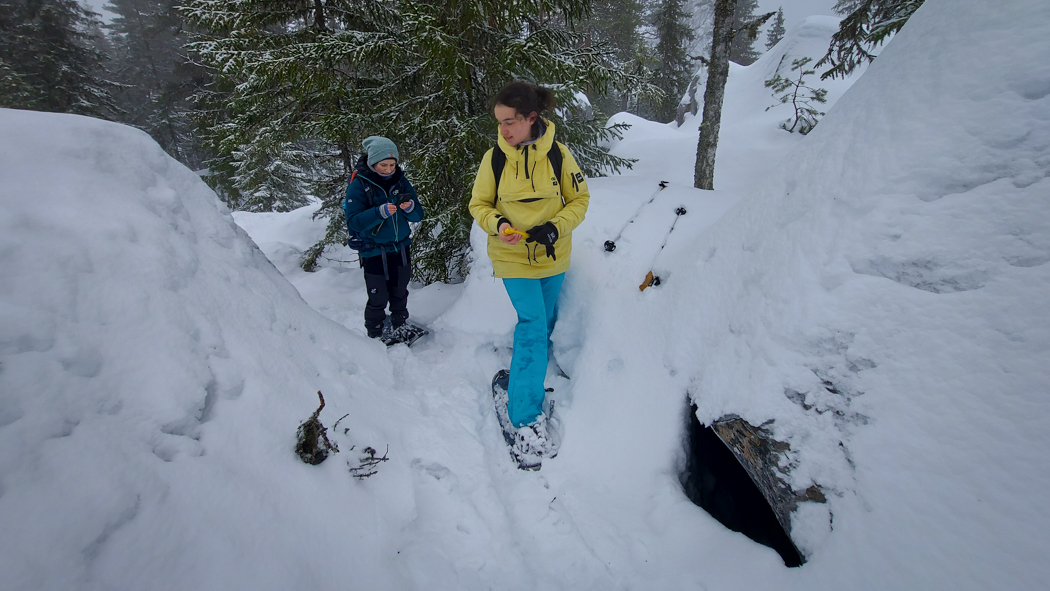
Clémence Demeilliers and Isabel Splittgerber followed the trail all the way to a large rock. There, the trail ended. It was likely the red fox’s den.
– We looked for the fox, but it was well hidden under the rock, says Clémence.
She describes it as an exciting experience.
– It was very interesting to learn more about the red fox and its behaviour. It was also fascinating to gain insight into how researchers work.
Contact information:

- torfinn.jahren@inn.no
- Phone
- +47 62 43 08 47

- petra.kaczensky@inn.no
- Phone
- +47 61 28 75 10