
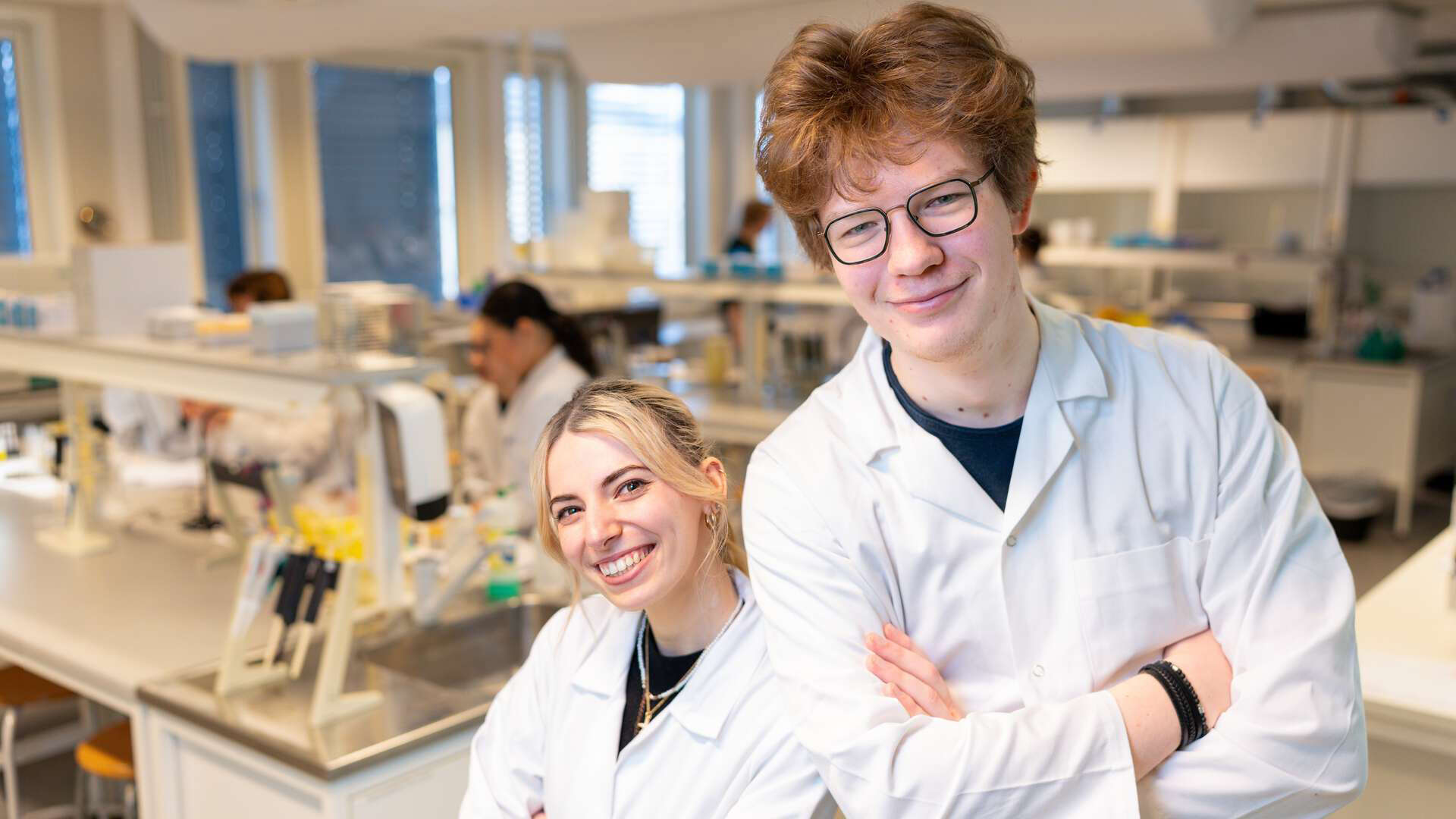
"I think it is fun to get to know new people, especially international people, and to learn how other biomedical scientists do the similar things that we do," says Nathalie Naserbacht, an Austrian student from FH Gesundheitsberufe OÖ.
Nathalie is one of the bachelor students that have participated in the first BIP (Blended Intensive Programme) organised by the Department of Biotechnology at University of Inland Norway (INN), from 16 to 20 March.
The initiative is part of a European network in biomedical sciences, with partner institutions from the Netherlands, Denmark, Austria, Belgium, Germany, Finland and Norway.
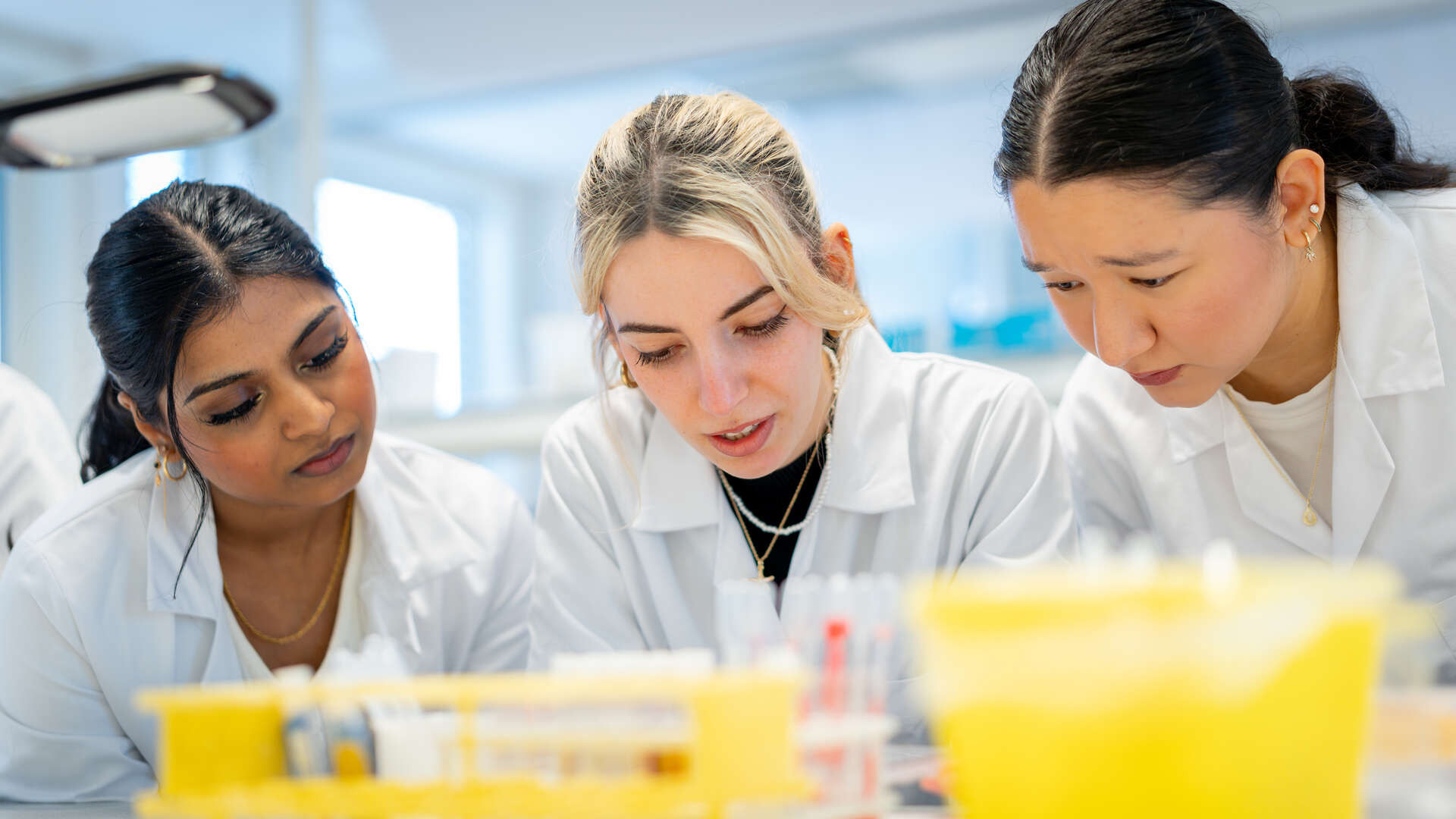
The students have spent the week conducting five different research projects – ranging from analysing the influence of thawing temperature on sperm quality to whether different blood types influence the size of platelets or not.
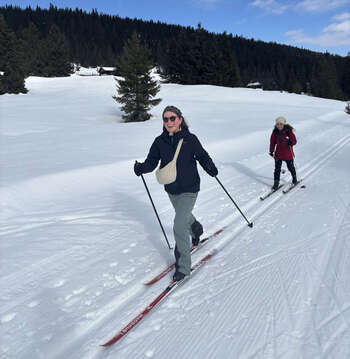
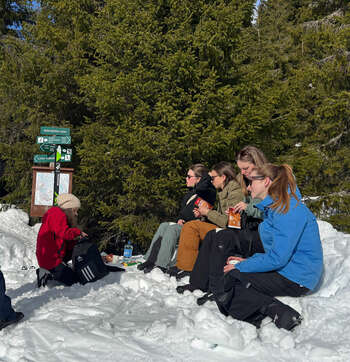
Additionally, cultural experiences are included in the programme, such as skiing and exposure to various food traditions.
"The BIP represents a valuable opportunity to integrate internationalisation into a study programme that is otherwise tightly regulated within the health professions," explains International Advisor Carolin Stefanie Mayer-Lassen.
Exchange opportunities are in demand among INN students, and participation in a BIP, as a form of short-term mobility, provides valuable international experience.
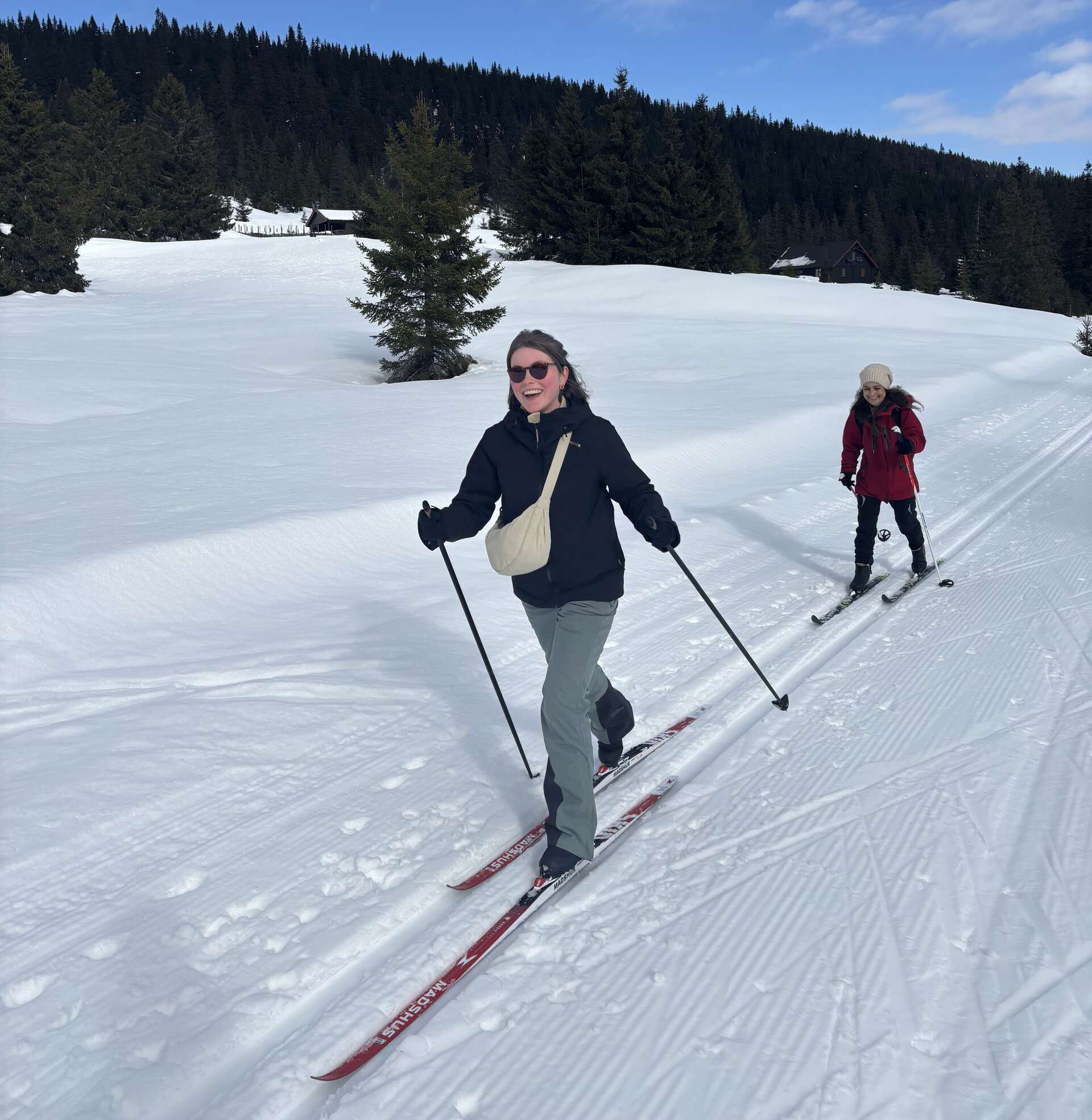
On the skiing day at Sjusjøen, the students could choose between cross-country skiing, downhill skiing or walking.
Photo: Charlotte Lerbech Jensen
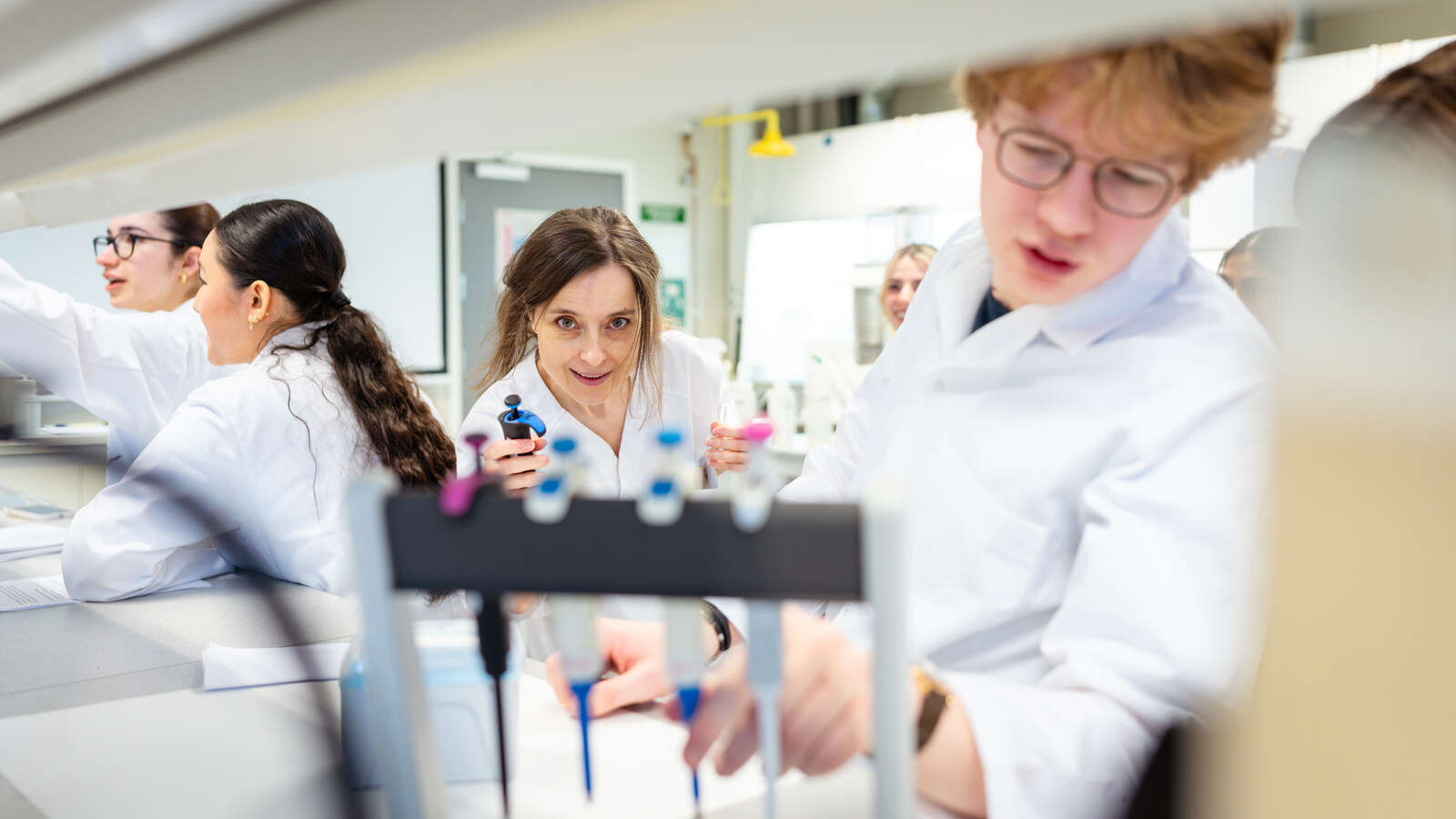
Each year, the universities in the network organise a week-long BIP. As the programmes take place at the same time, the partner institutions are able to send students to each other in parallel.
Photo: Ole-André Lagmandokk / INN
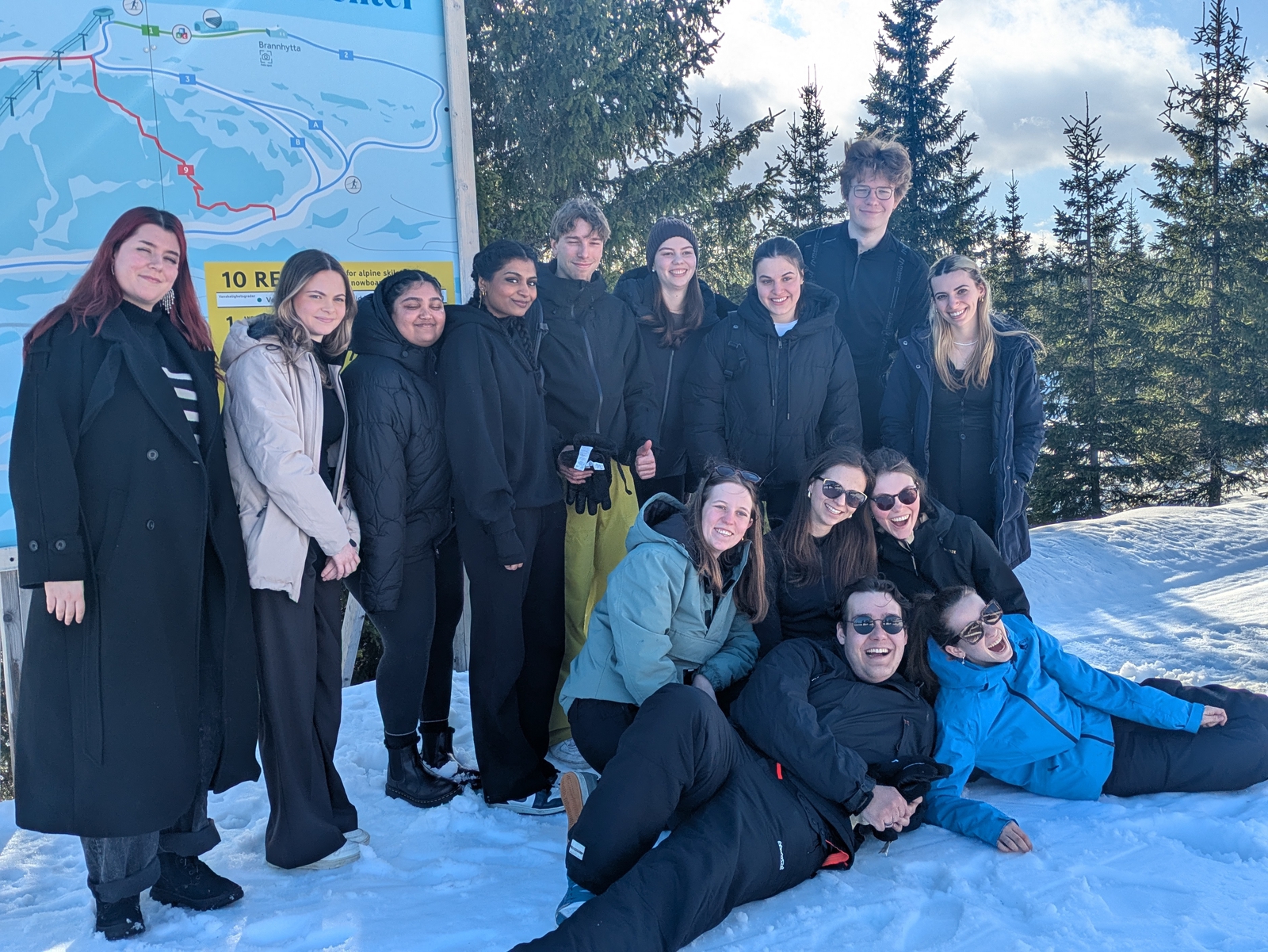
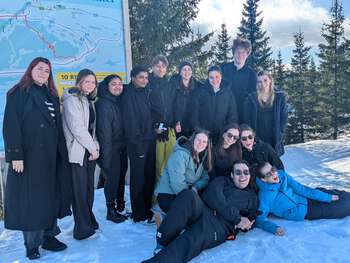
INN has been hosting 14 international students: three from FH Gesundheitsberufe OÖ in Austria, seven from UCLL in Belgium, and four from Professionshøjskolen Absalon in Denmark.
Photo: Elisabeth Ersvær / INN
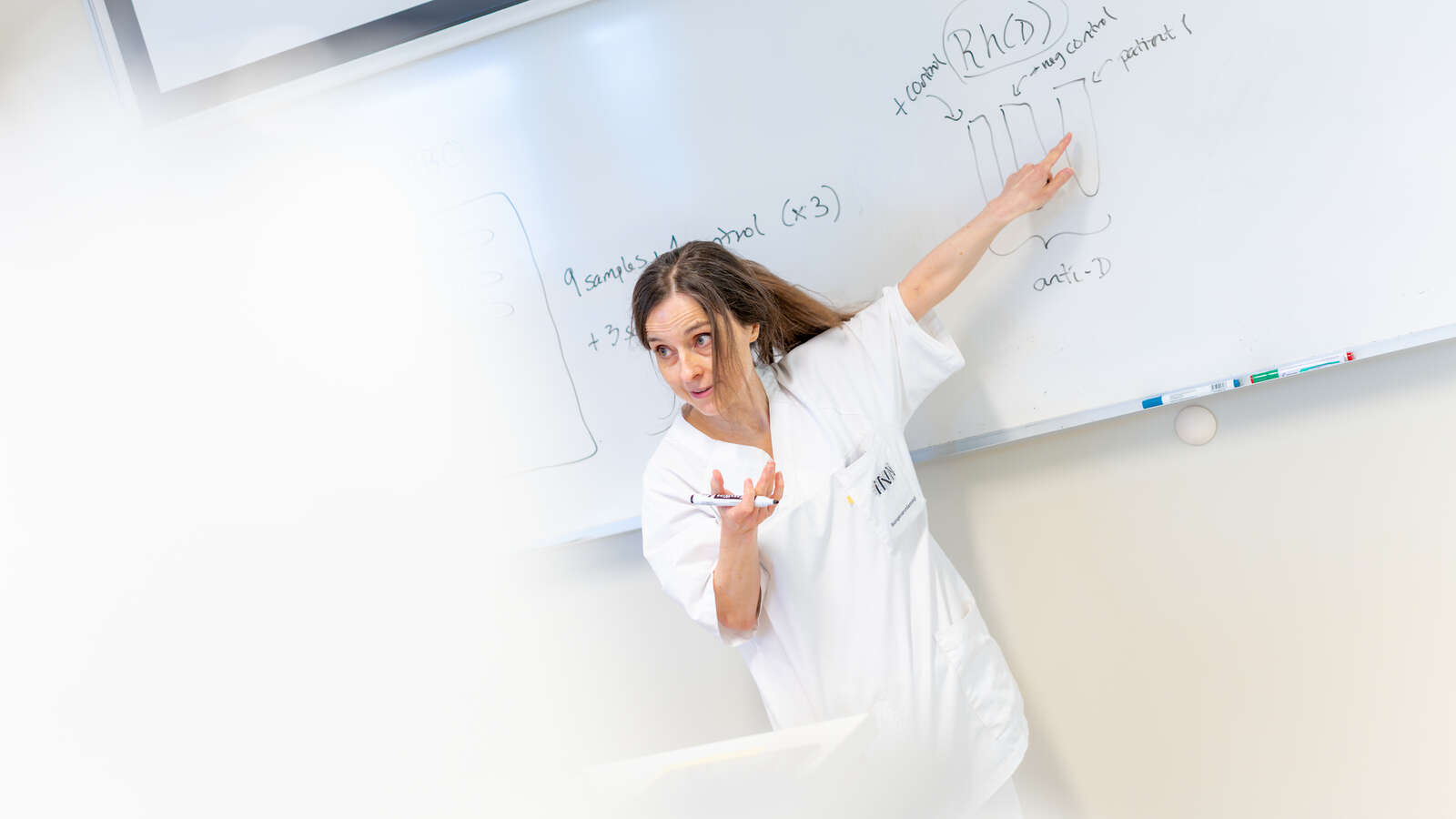
The network was established ten years ago by UCLL in Belgium, in collaboration with partner institutions from Denmark and the Netherlands, and has since expanded. From 2024 onwards, the bioengineering programme at INN has sent 4-5 fourth-semester students to the BIP at UCLL in Leuven.
Photo: Ole-André Lagmandokk / INN
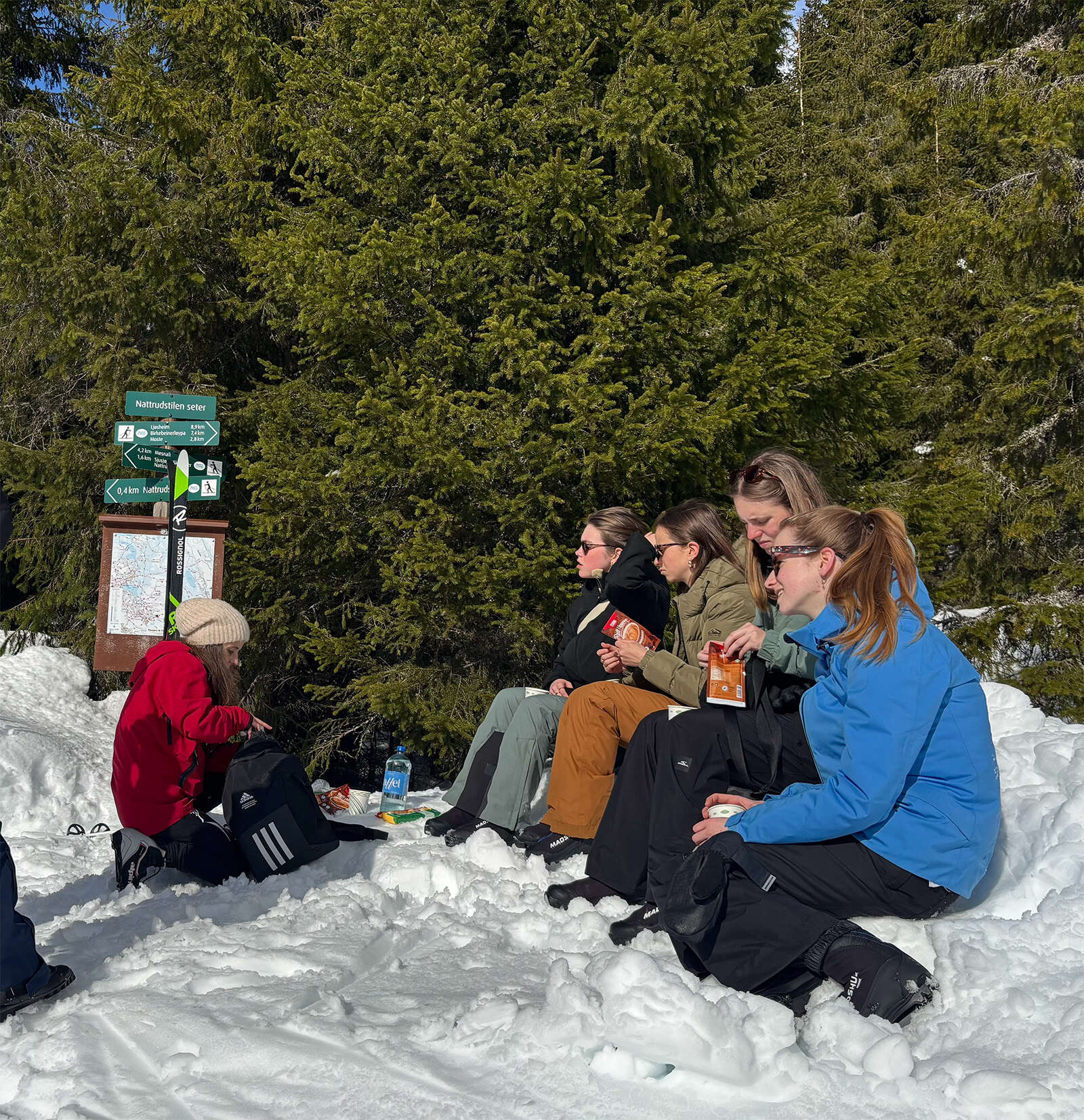
Receiving international students and collaborating with them also contributes to internationalisation at home, for students who do not have the opportunity or wish to go on exchange abroad.
Photo: Charlottet Lerbech Jensen
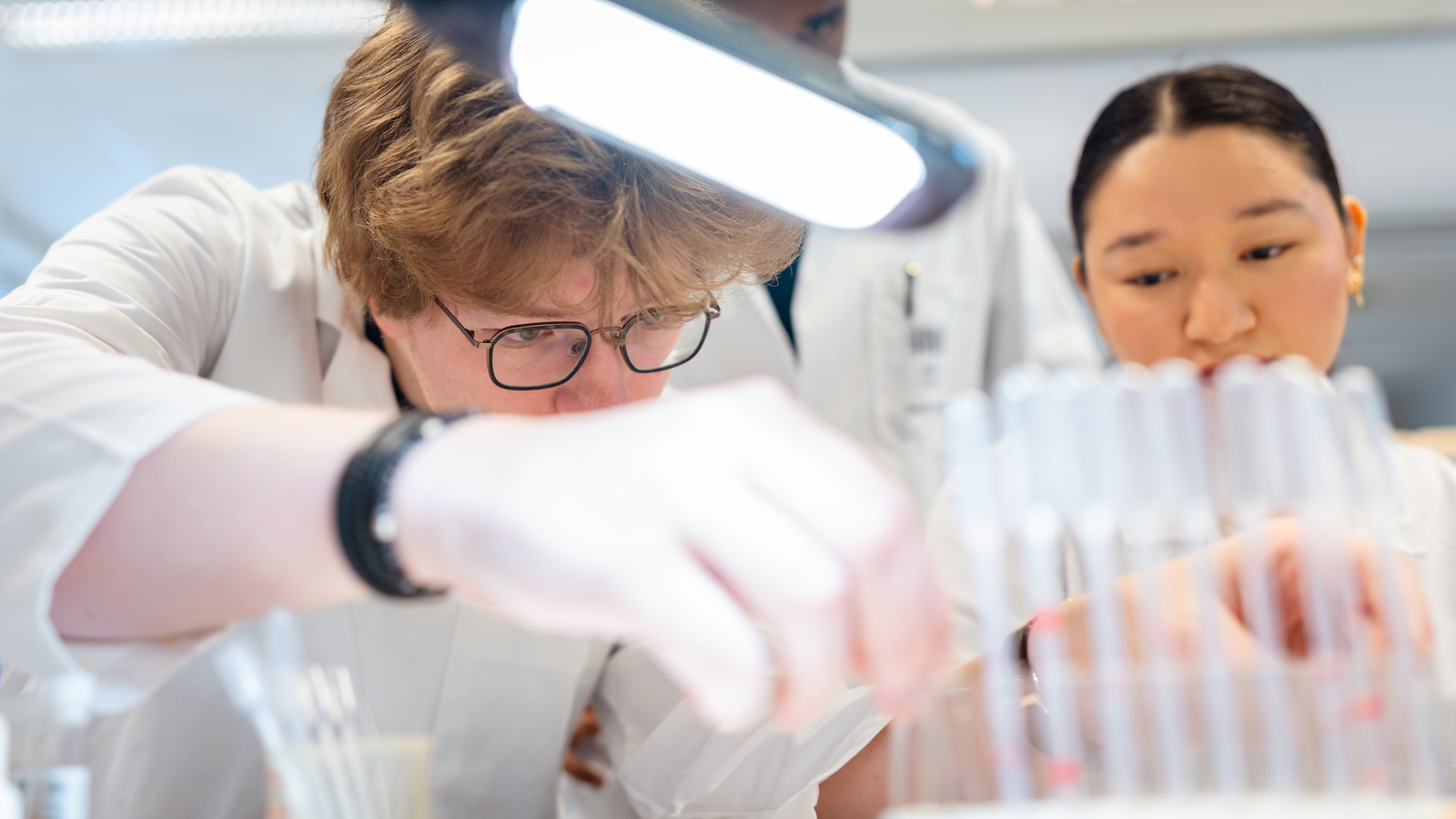
This is the first year the Department of Biotechnology is hosting a BIP, and we hope that there are many more to come!
Photo: Ole-André Lagmandokk / INN
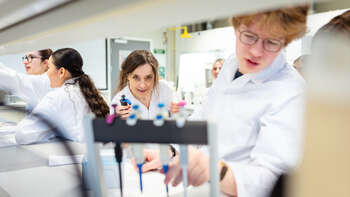

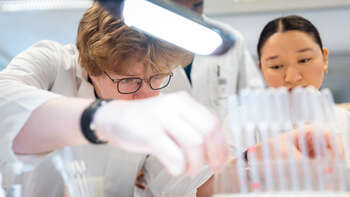
"This is a great experience to learn and to socialise, because in our work in the laboratory, we have to collaborate with many different people. I am also lucky that I ended up in a really nice group," says Ward Kelchtermans, a student from UC Leuven-Limburg in Belgium.
Both Ward and Nathalie point to collaboration and teamwork as the biggest takeaways from the programme but also mention that it is interesting to see the differences in the various countries' approaches to the biomedical field.
"The main difference in Belgium is that we have two branches you can go into – like pharmacology and then the medical," explains Ward.
In addition to getting to know each other in the lab, the students enjoyed social activities throughout the week. They had a skiing day at Sjusjøen, a Norwegian lunch buffet at the university, and a student evening at the campus pub.
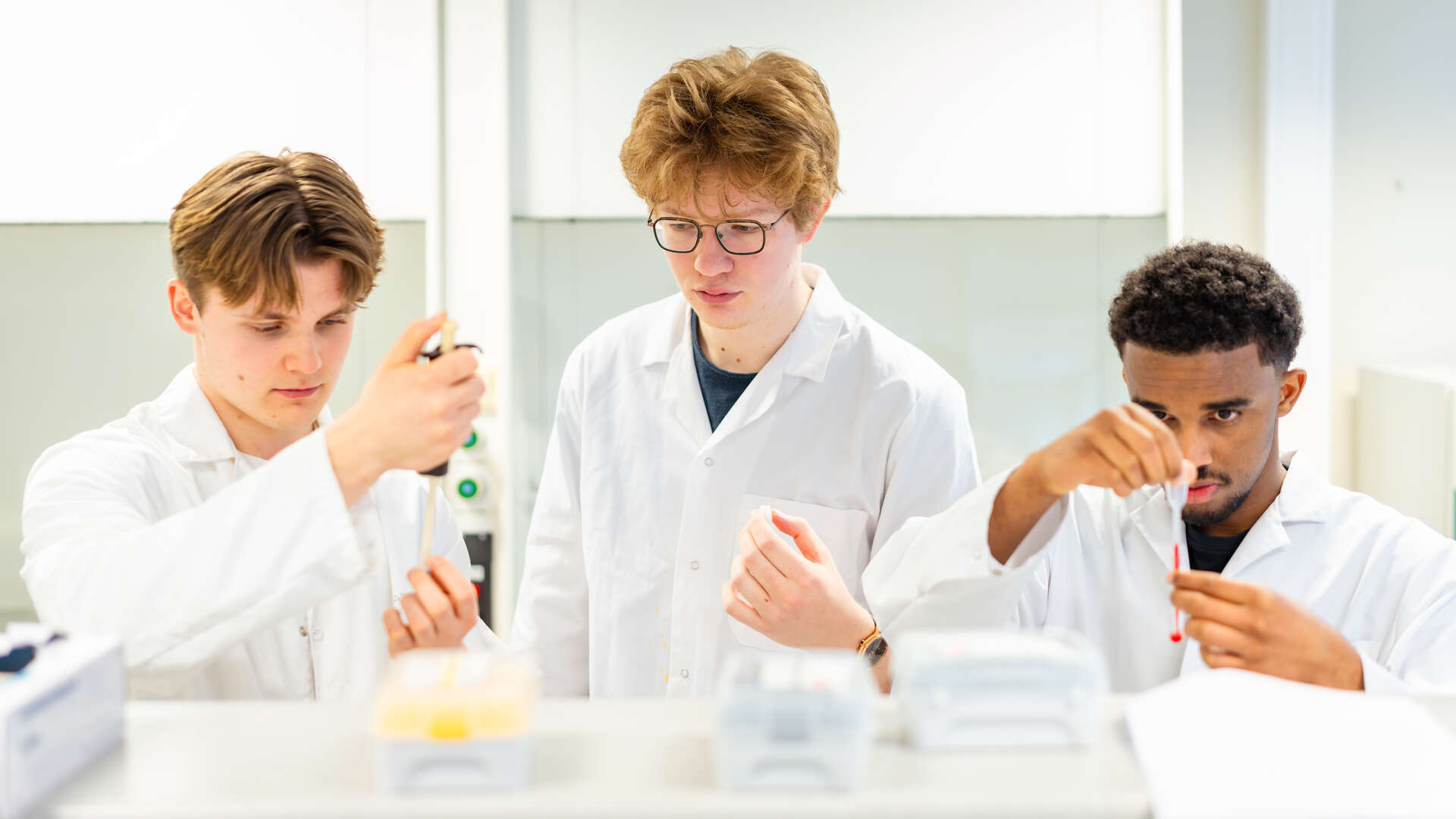
"Staff from different countries collaborate on the development of the BIP. This creates added value through the exchange of ideas and knowledge across national borders," states Associate Professor Elisabeth Ersvær, study programme coordinator of the bioemedical science bachelor's at INN.
She points to one example when UCLL visited INN, where they learned about CPR in the study model. This was not included in their study model but they are now planning to introduce CPR in the 5th semester for their students.
Thus, there seem to be many benefits from creating international exchange programmes like these. For the students specifically, Mayer-Lassen says the following:
"A week like this differs somewhat from the regular study routine. It requires other skills, such as intercultural competence and language proficiency, which the students can feel another sense of achievement and enjoyment from."
Read more:
Contact information:
