

He leads several major international research projects aimed at solving the problem of antibiotics becoming less effective – often referred to as 'the silent pandemic'.

I wanted to become a doctor, just like my father.
He realised early on how crucial timely treatment and the right medication at the right time were for saving lives.
Rafi studied pharmacy in India before moving to Exeter in England to pursue a master’s degree in bioinformatics. Eventually, he discovered that he wanted to become a researcher. Someone who could influence and drive development.
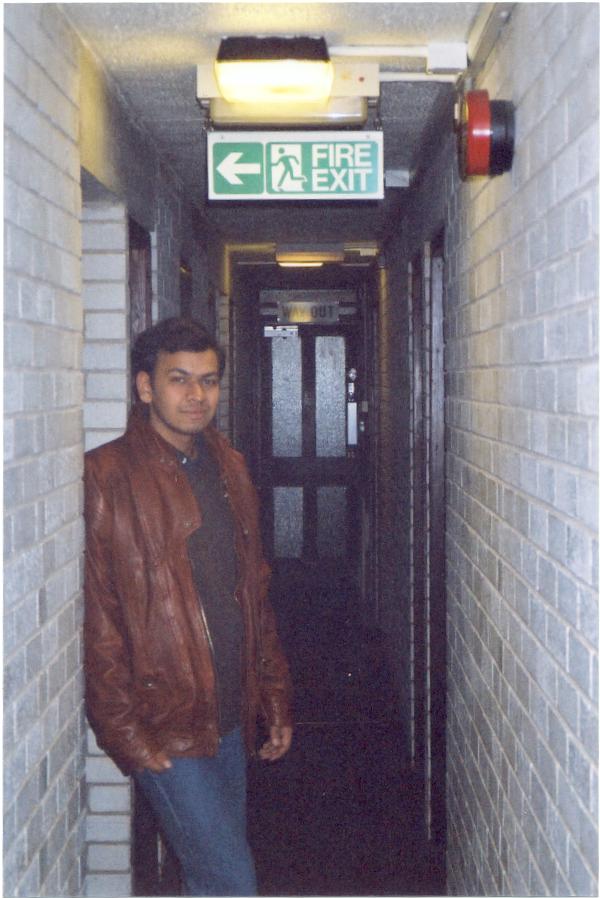
A doctor can treat a limited number of patients over a lifetime. Through research, one can impact billions of lives.


Today, he is an internationally recognised researcher in the field of biotechnology.
The UN has declared antimicrobial resistance as one of the five greatest threats to global public health.
Few places in the world have higher resistance levels than Rafi’s home country, India.
-annen-crop.jpg)
.jpg)
This already causes many deaths around the world. Estimates vary between 1.3 and 5 million deaths annually. And the problem is expected to grow much larger in the coming years.
But what exactly is antimicrobial resistance?
However, in the body, there are also some bacteria that are resistant, meaning they remain just as strong as before.
It is not surprising that this happens: the risk of resistance has been known as long as antibiotics have existed.
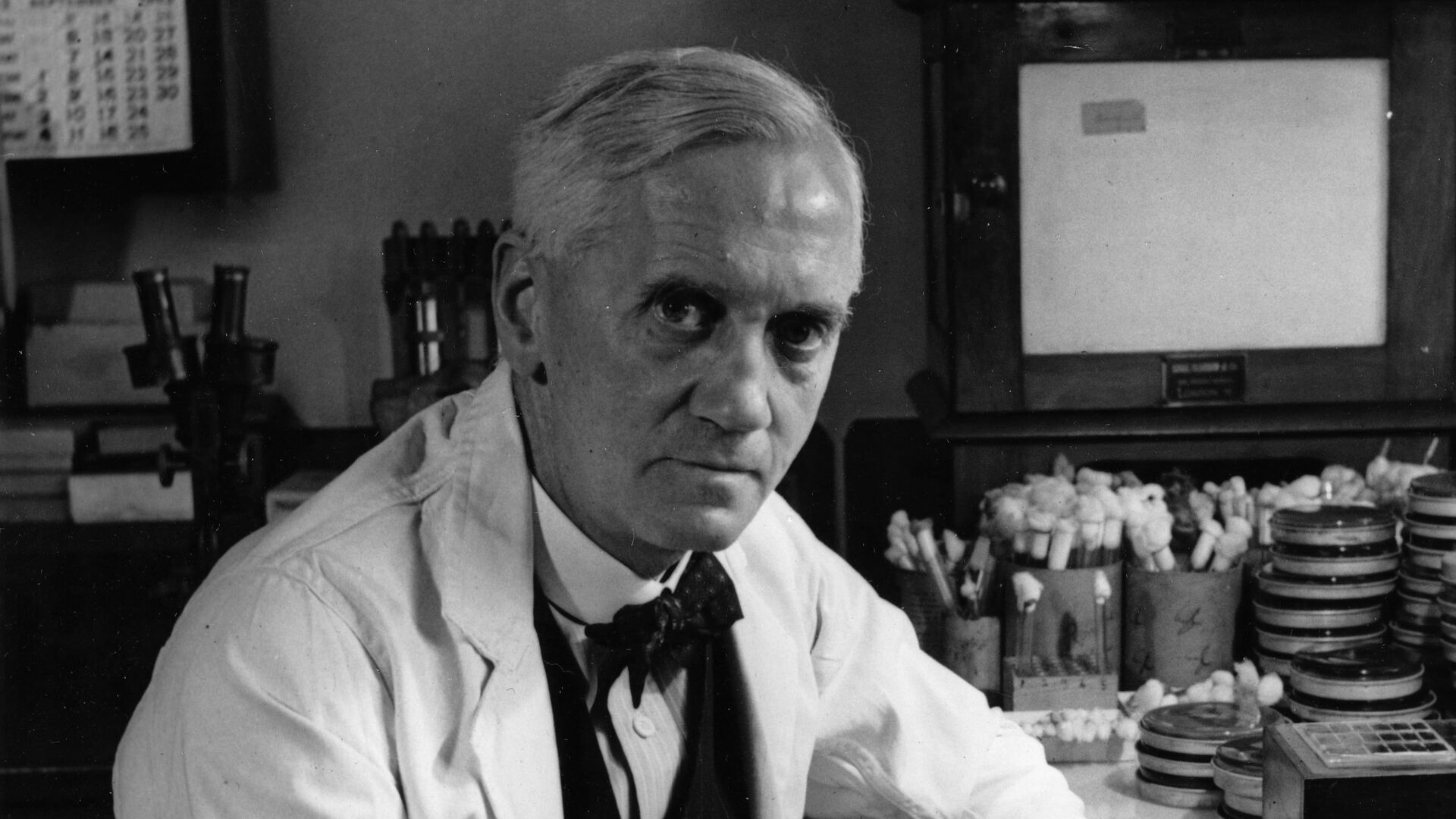
We use a lot of antibiotics today, both in livestock and in medicine.
Too much.
The more we use, the greater the risk of resistance increases.
In countries like India, many cannot afford to see a doctor and instead go straight to the pharmacy to get antibiotics without a prescription, Rafi explains.
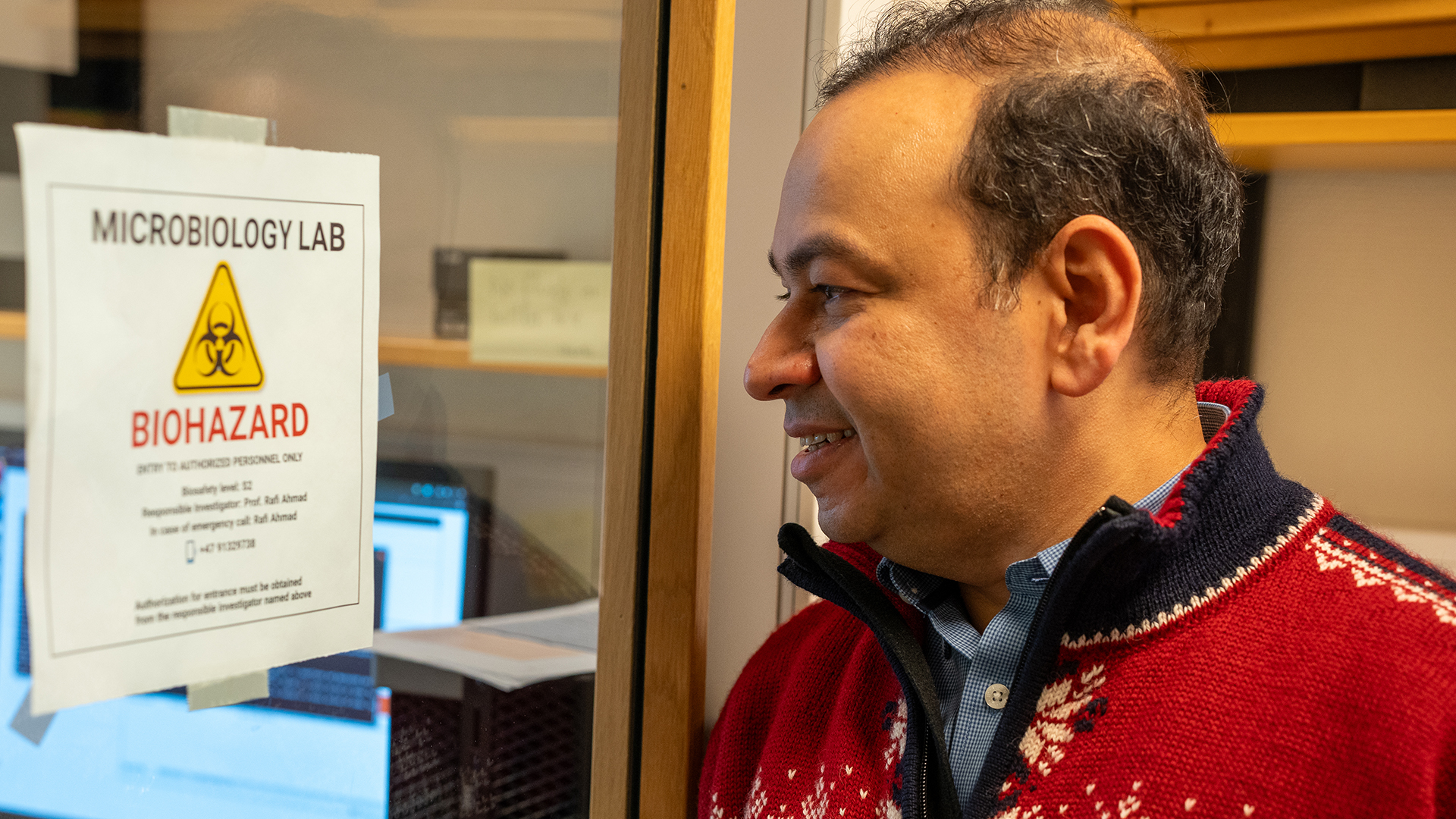
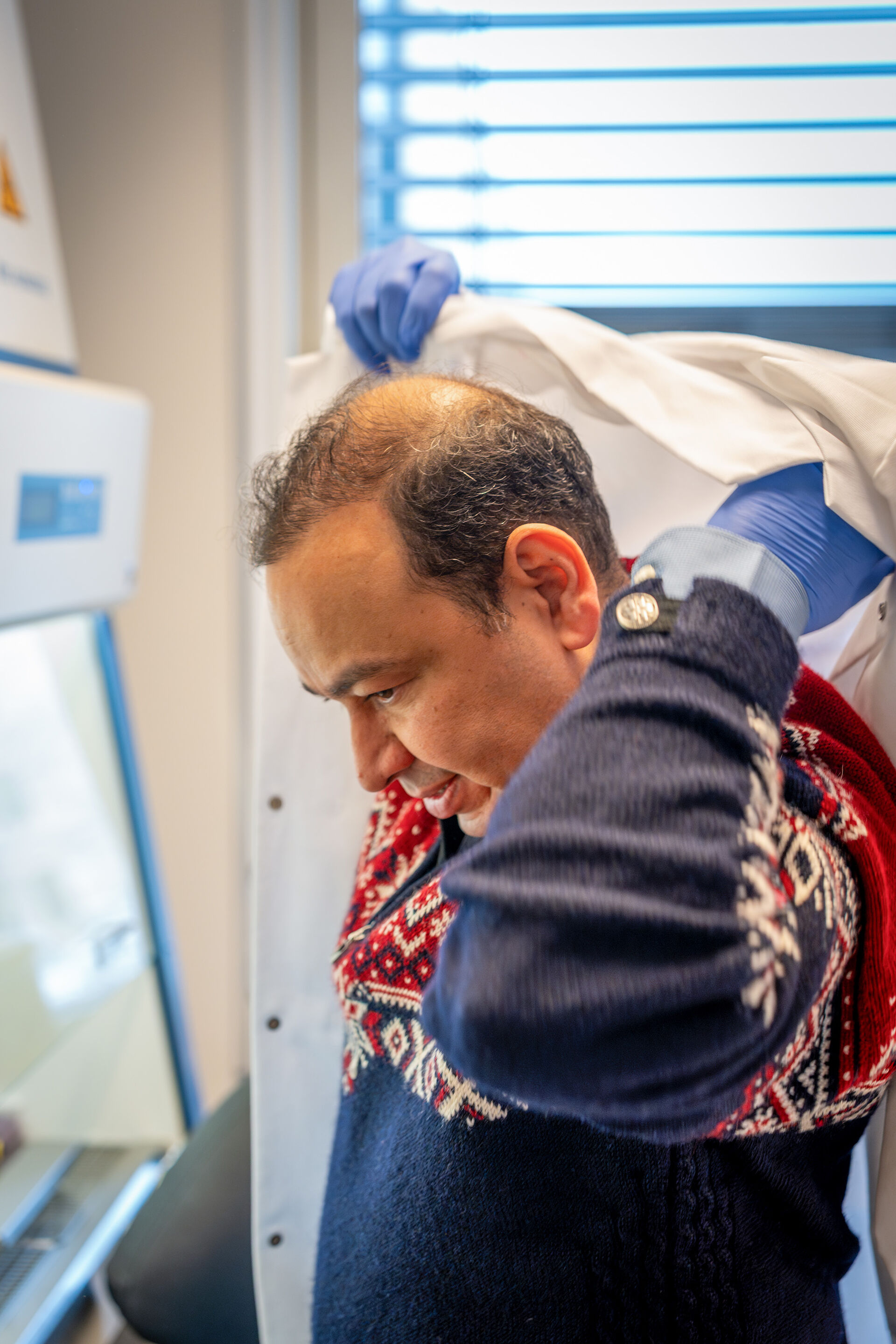
But now, Rafi Ahmad and his colleagues at the biotechnology lab in Hamar are working on a solution that aims to reduce antibiotic use and make it more targeted.
They want to shorten the time it takes from when a blood or urine sample is taken to when you get the results showing what type of infection it is.
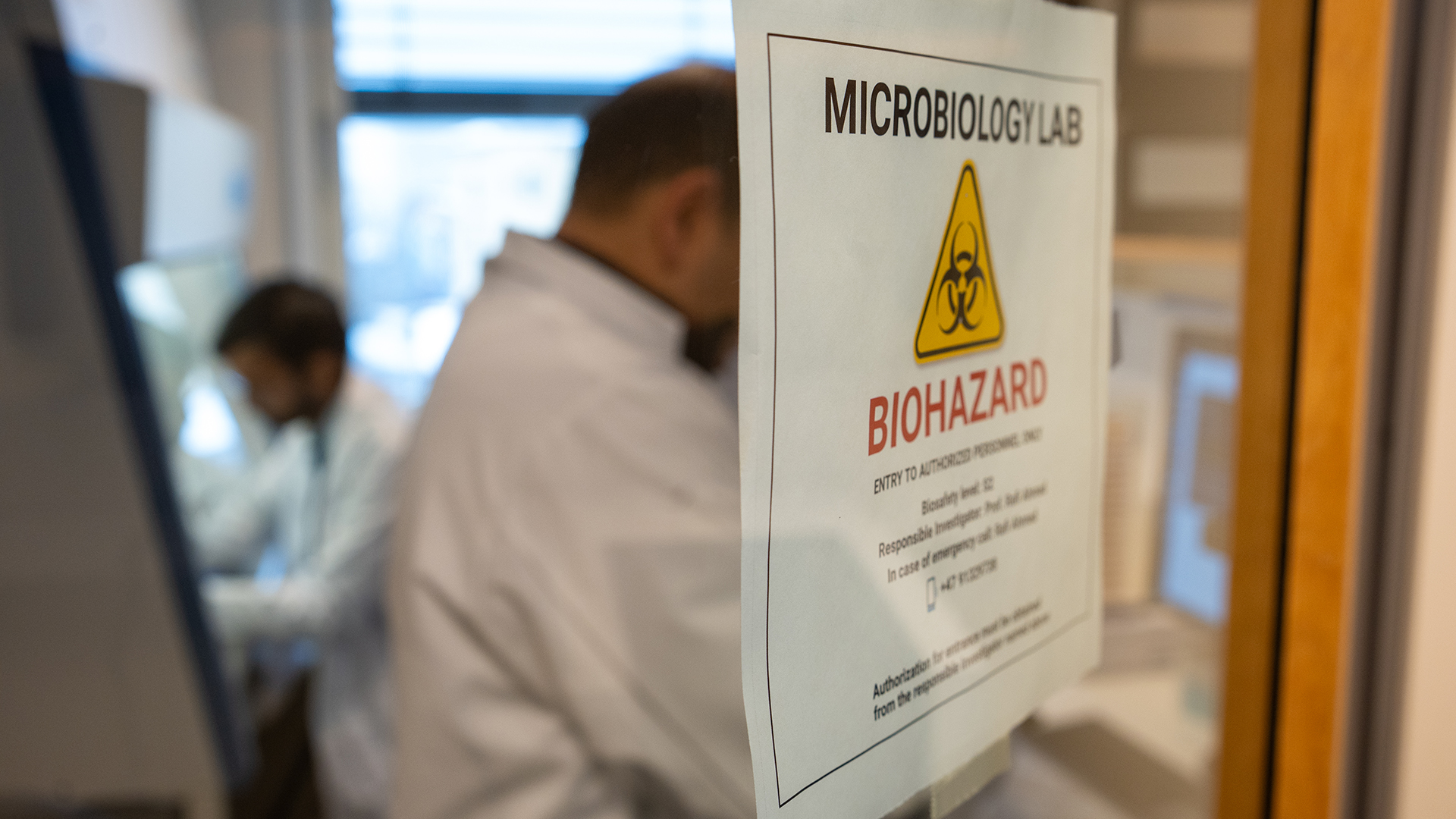
As it stands today, it takes several days from when a blood sample arrives at the laboratory until the results are ready. In the meantime, patients are often given antibiotics without the doctor knowing which type or dosage is correct.
Misuse of antibiotics costs many lives, and overuse leads to more resistance.
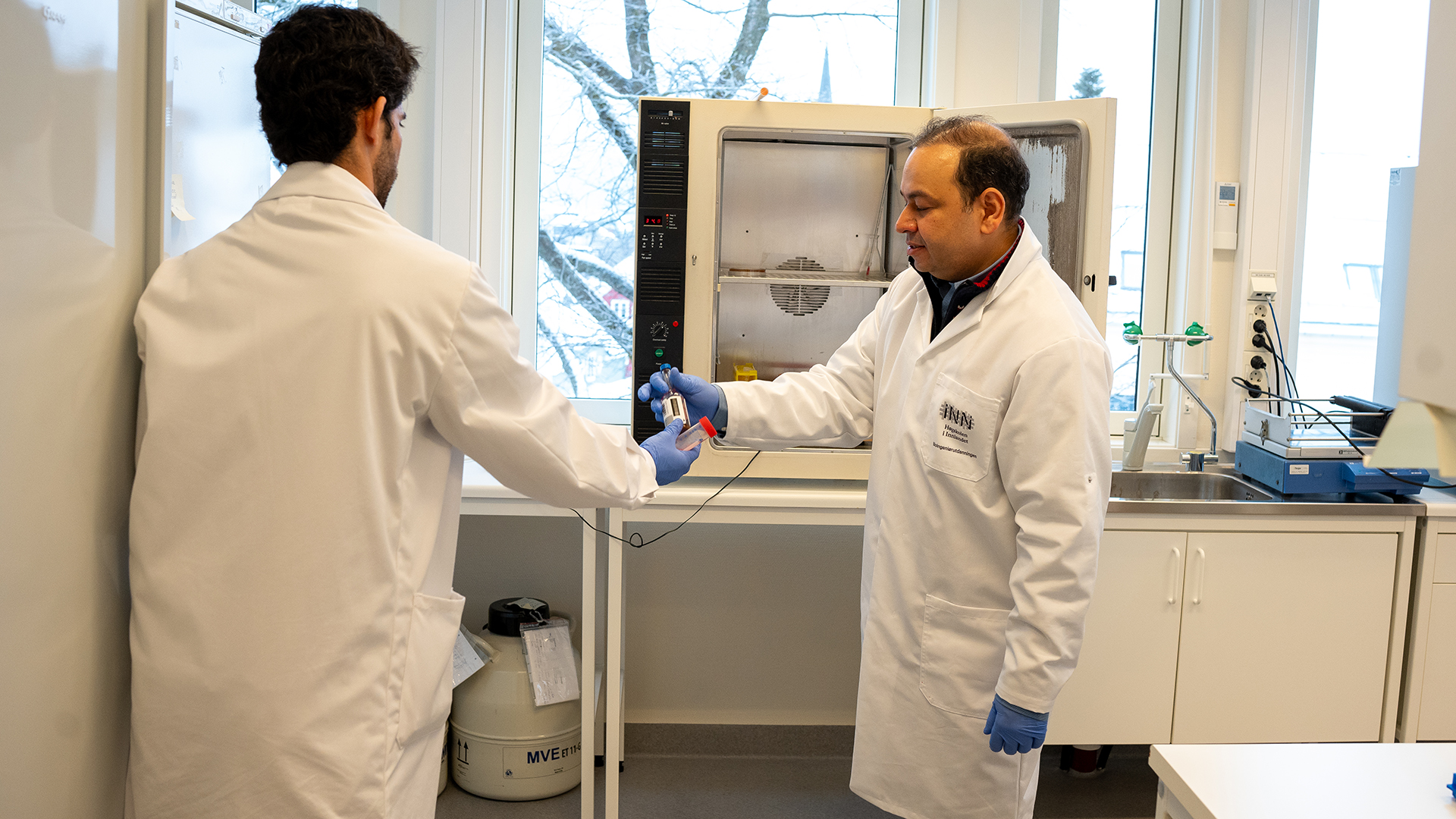
The method the researchers are testing simplifies the culturing process. Blood samples only need to stay in this incubator for two to three hours. With this method, urine samples do not need to be incubated at all.
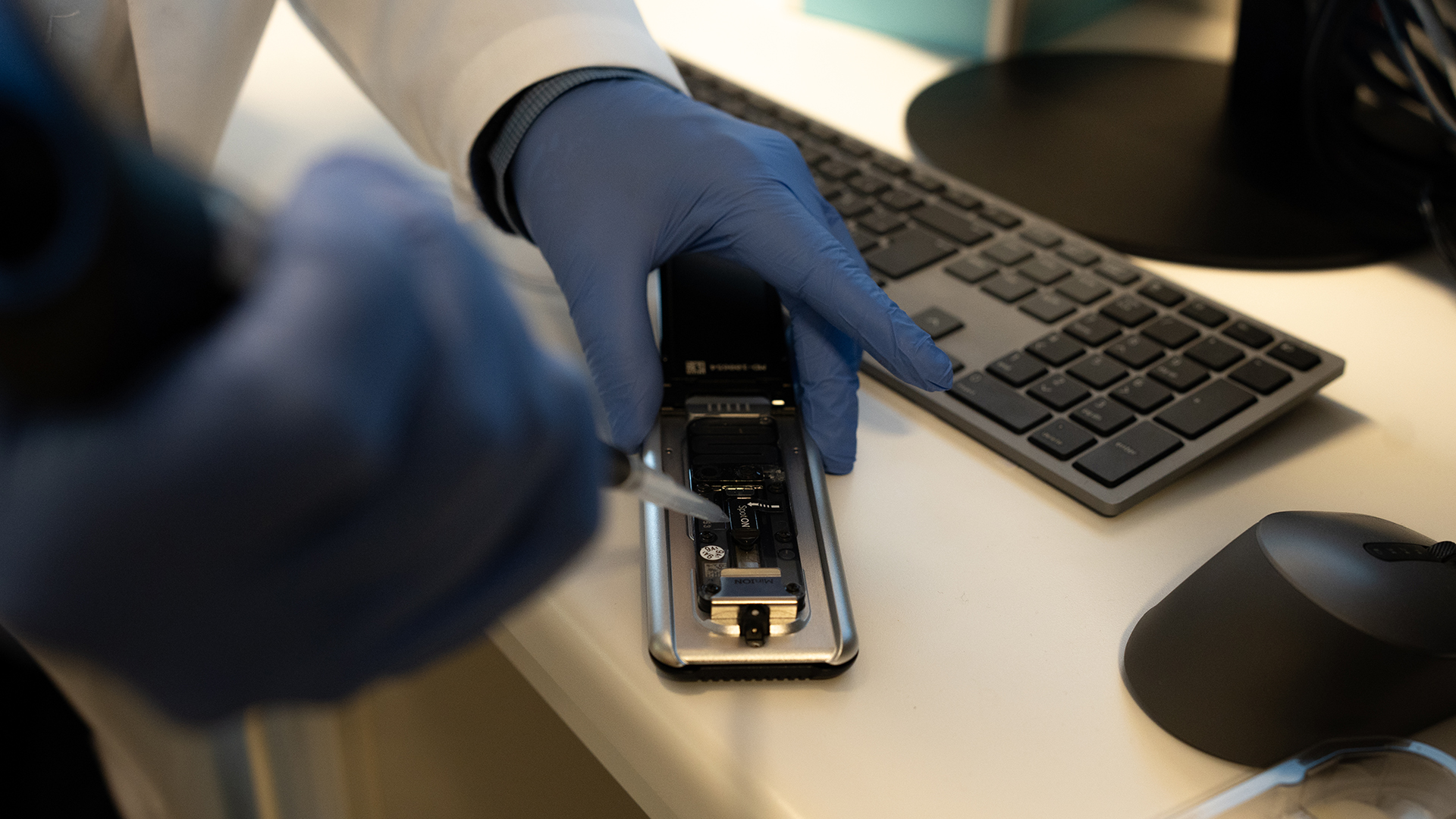
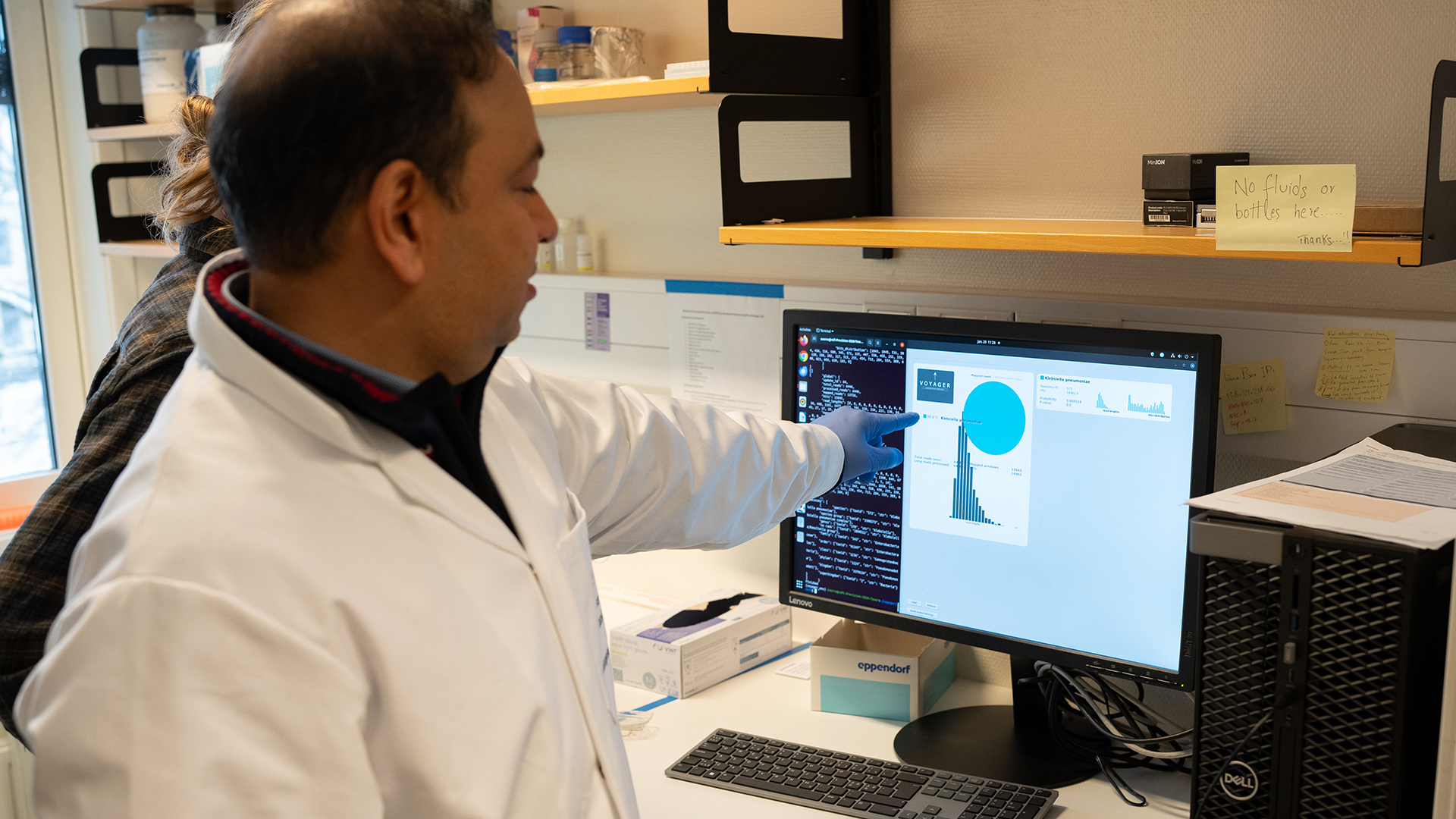
...they get results within seconds about the type of bacteria involved.
The development of the method has come a long way, and it is currently being tested at hospitals in Germany.
The researchers hope to begin trials at hospitals in Norway and England by 2025. After that, they plan to bring the method to India within a year or two.

The biotechnology community at the University of Inland Norway is still young and developing. Since Rafi started here seven years ago, the number of employees has more than doubled.
At the lab, there are professors, postdoctoral researchers, PhD candidates, and students at both the bachelor’s and master’s levels.
There are many advantages to being part of a relatively small environment. It is efficient to have such a short distance between students, staff, and management.


The Covid pandemic showed that the world can turn things around quickly when there is collective will. A vaccine was developed, and even in countries like India, people were vaccinated.
I think it gives hope that we, as humans, can also reverse the trend when it comes to antimicrobial resistance.
Ask:

- rafi.ahmad@inn.no
- Phone
- +47 62 51 78 45
Read more:
- Department of Biotechnology
- About the project 'AMR-Educate'
- About the project 'Novel technological solutions for rapid diagnostics of infection AMR'
- About the project 'OH-AMR-Diag: Novel technological solutions for rapid detection and screening of Antimicrobial resistance'
- About the project 'UTI-Diag: Reducing the burden of antimicrobial resistance – urinary tract infection using innovative and scalable rapid diagnosis'
Study at INN:
Made by:

- erlend.moe@inn.no
- Phone
- +47 61 28 80 28
- halvor.mykleby@gmail.com
- Telephone
- +47 91 81 15 37

- ole-andre.lagmandokk@inn.no
- Phone
- +47 61 28 74 44

- nan.kolby@inn.no
- Phone
- +47 62 43 03 26
Other crediting:
Photo nr. 6: Maxime Fossat / Doctors Without Borders
Photo nr. 7: Colourbox
Photo nr. 8: Wikipedia Commons