Published
Aug. 14, 2026 8:46 PM
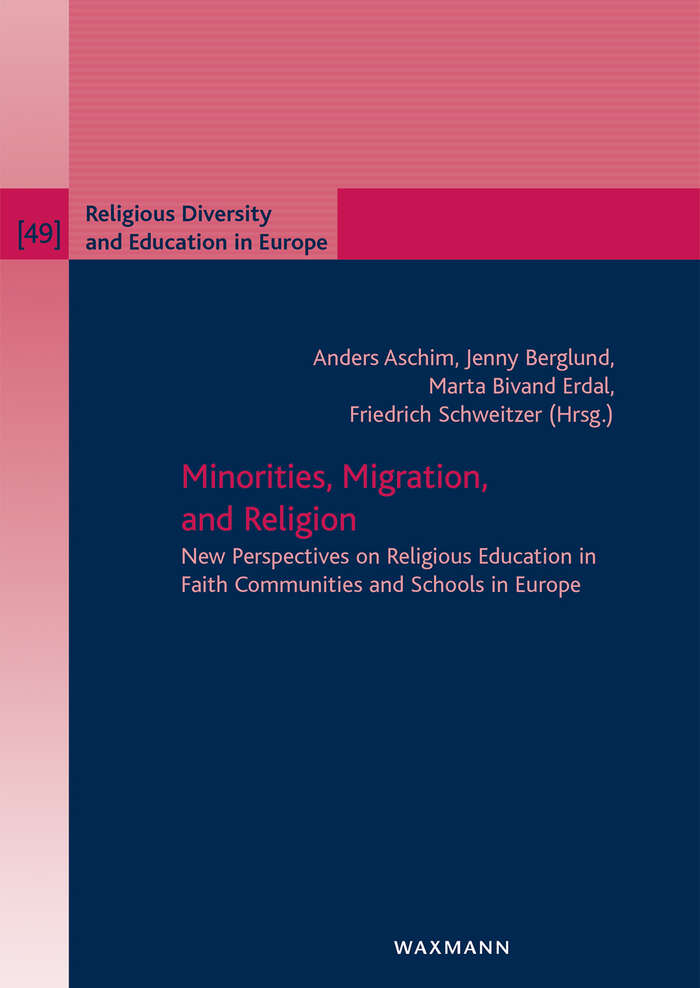
Minorities, Migration, and Religion: New Perspectives on Religious Education in Faith Communities and Schools in Europe – also as a physical book.

Minorities, Migration, and Religion: New Perspectives on Religious Education in Faith Communities and Schools in Europe – also as a physical book.
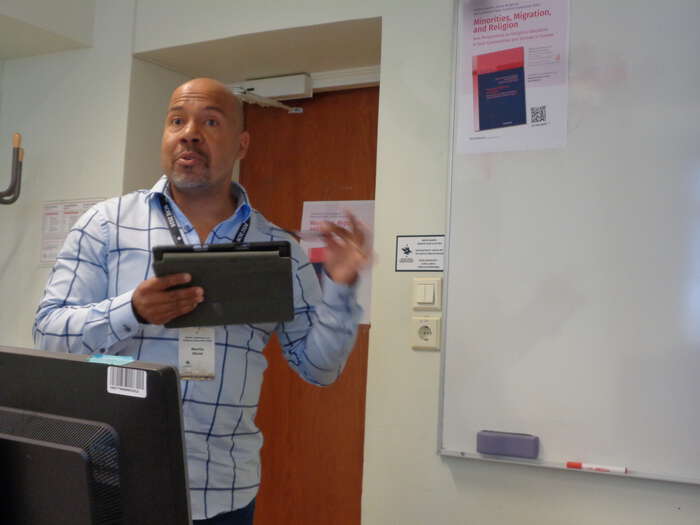
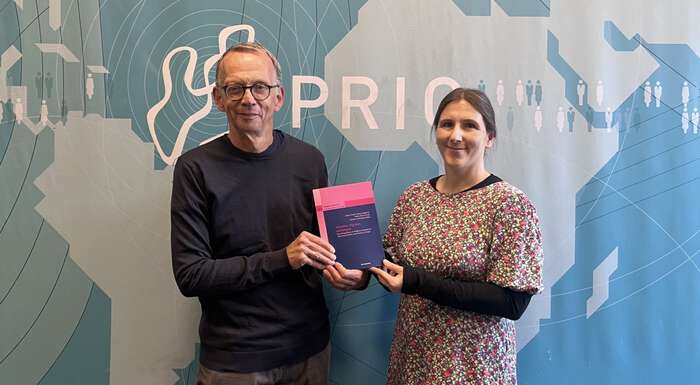
The anthology Minorities, Migration, and Religion, the final major publication from the FAITHED research project, was launched during Nordic Conference on Religious Education in Helsinki, Finland.
This is the subtitle of Minorities, Migration, and Religion, the final edited volume from the FAITHED project, including contributions from the members of the FAITHED international Advisory Board and other scholars.
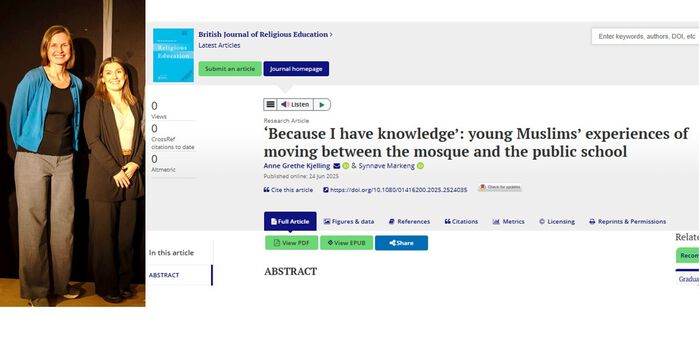
FAITHED researchers Anne Grethe Kjelling and Synnøve Markeng in top international journal.
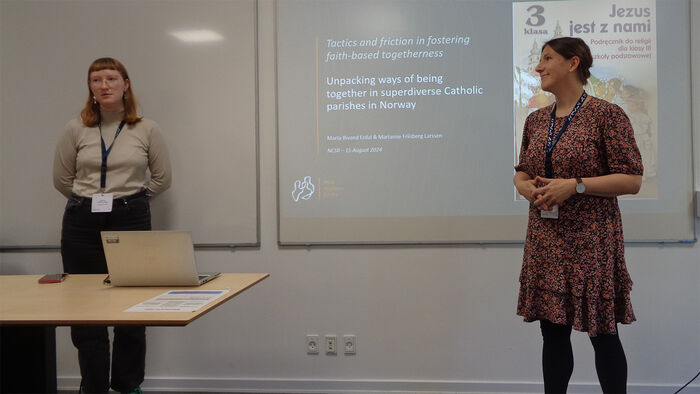
Thousands of children gather in Norwegian Catholic parishes for catechesis in Norwegian language. Most of them come from families where their parents speak another mother tongue than Norwegian.
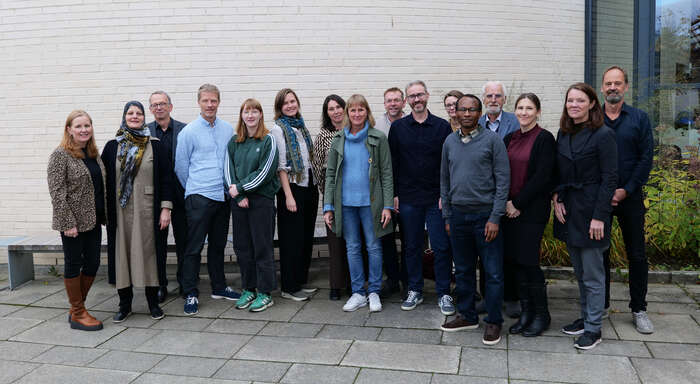
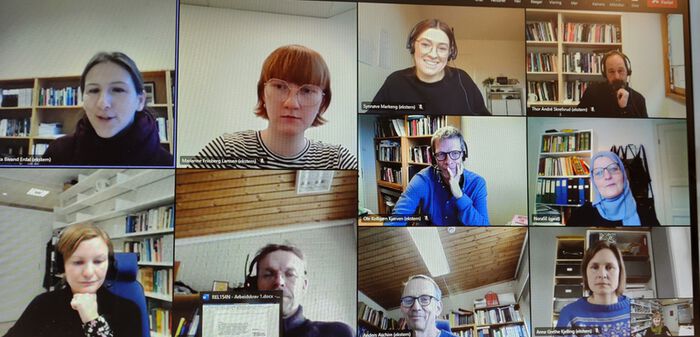
The international Advisory Board of the FAITHED project consists of five scholars from Scotland, Germany, Denmark and Sweden. They all joined twelve FAITHED researchers and interested colleagues both from INN and from other research institutions for the symposium «Minorities, migration and religion: New perspectives on religious education in schools and faith communities in Europe» at Hamar 21 – 23 October. Keynote lectures were also attended by student classes.
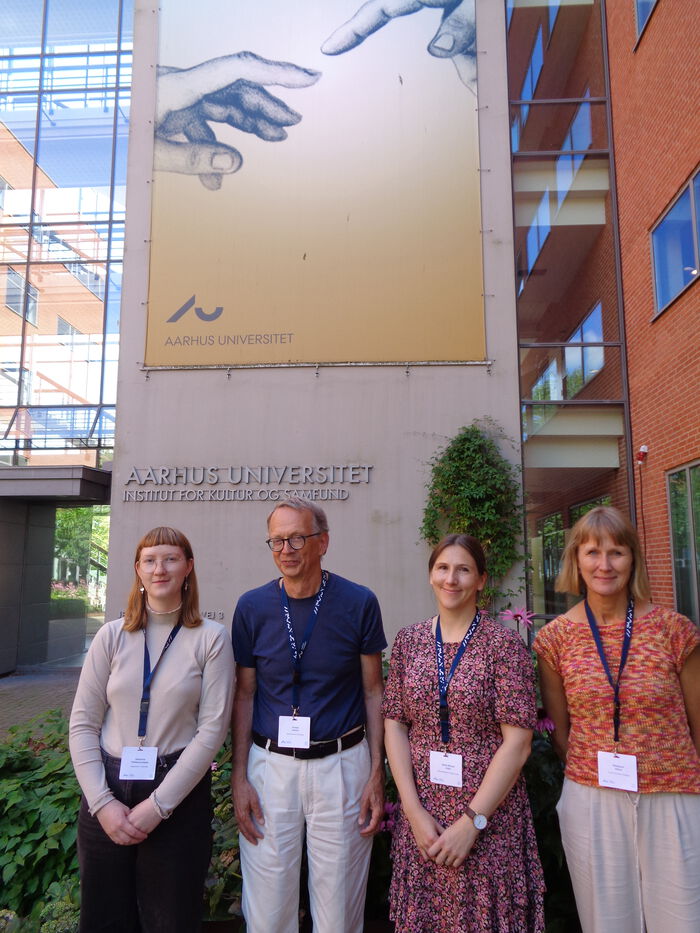
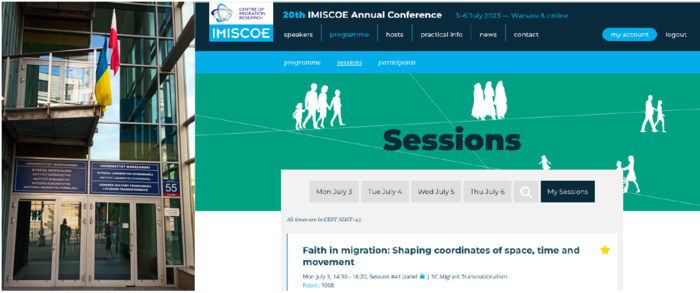
At the Nordic Conference for the Sociology of Religion in Aarhus, Denmark, 14 - 16 August, the FAITHED project was responsible for two sessions on religion, teaching and learning.
The FAITHED symposium 21 – 22 – (23) October 2024
The FAITHED research project (Non-formal faith education, the public school, and religious minorities in Norway) celebrated three milestones in Hamar during the last week of May 2024.
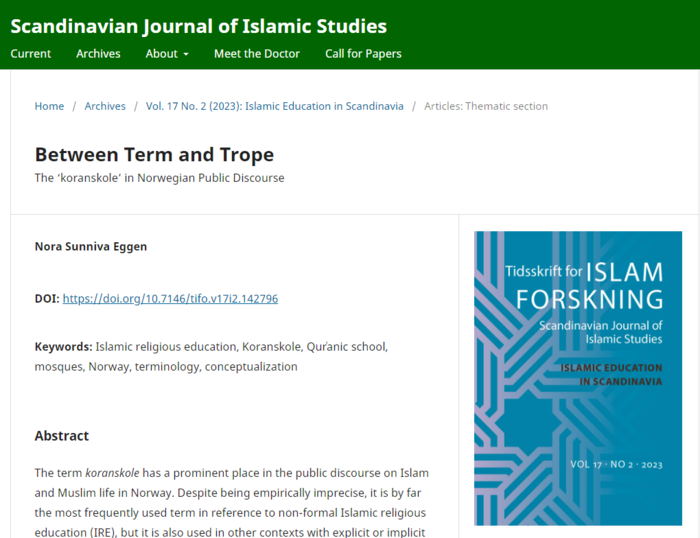
In Norwegian-language texts, "koranskole" ("Qur'an school") is a frequently used term - but what is its exact meaning?
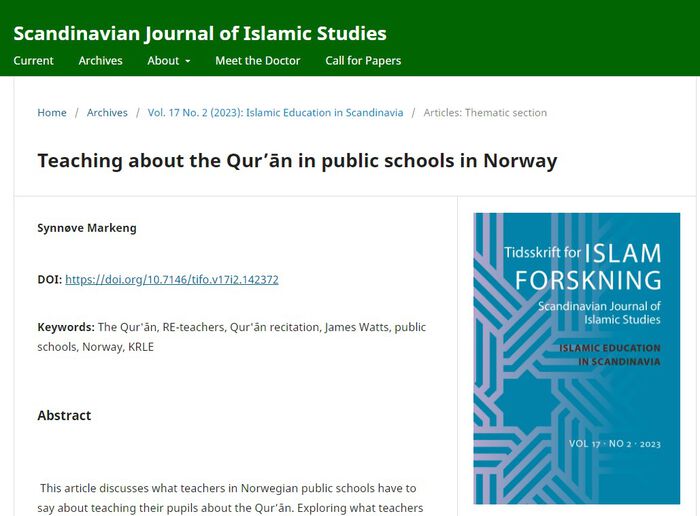
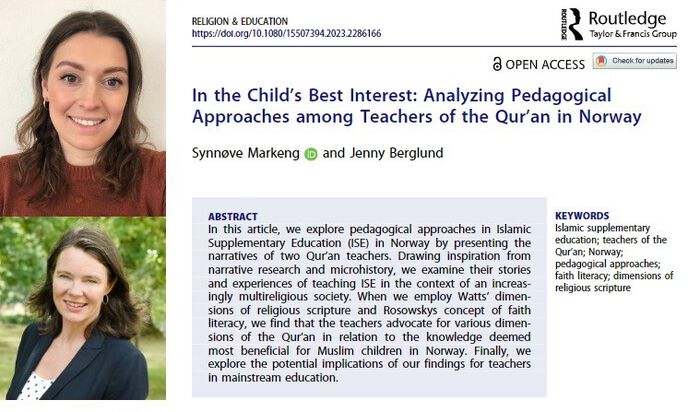
Within one week, PhD candidate Synnøve Markeng has published two articles in international journals.
In a Norwegian context, what are the pedagogical approaches of teachers of the Qur'an in Islamic supplementary education?
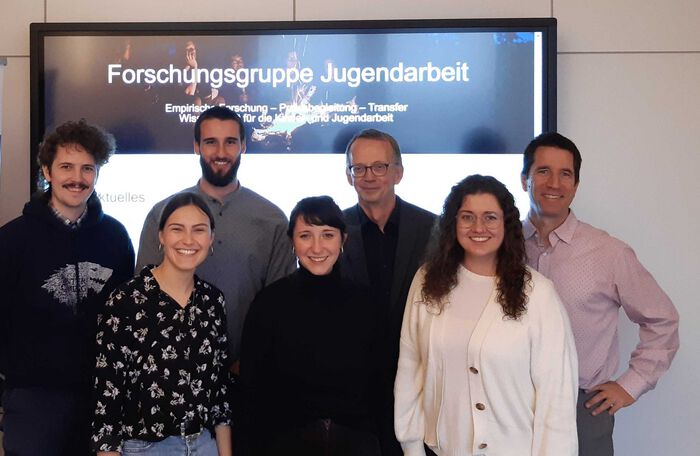
German scholars have taken a leading role in developing "non-formal religious education" as a concept and as a study field.
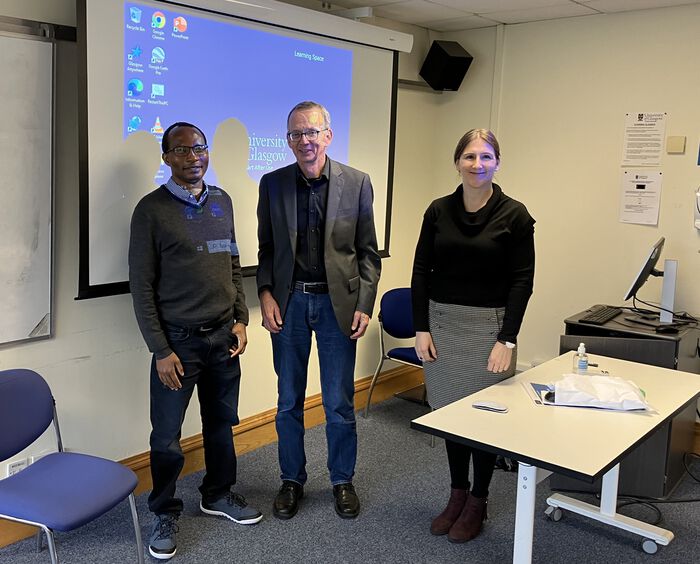
FAITHED researchers guest lecturing for master students in Global migrations & social justice at the University of Glasgow.
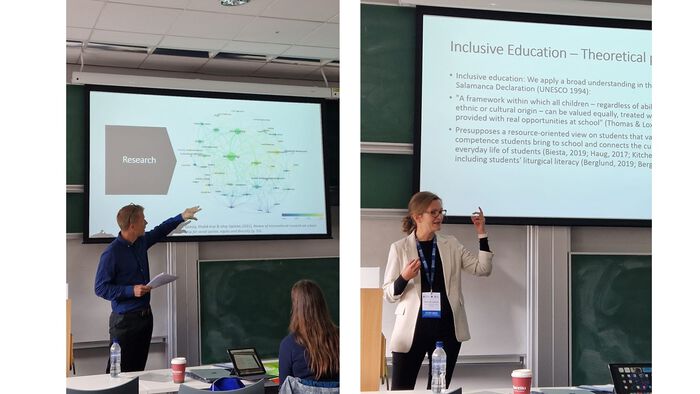
In August, FAITHED-researchers presented findings from interviews with school leaders at the international ECER conference in Glasgow.
How to conduct faith educaton with participants from all over the world?
This summer, first results from the FAITHED project will be presented at several international conferences, starting with the migration conference MIGREL in Stavanger, Norway.
Participants in faith education learn about faith, of course. But what else do they learn?
Positionality has become an important concept in research literature. Who is the researcher? What is his/her relationship to the research participants? How does this affect the knowledge that is produced?
The participants in the FAITHED project collect a large amount of data. But how will they be able to analyze it all?