
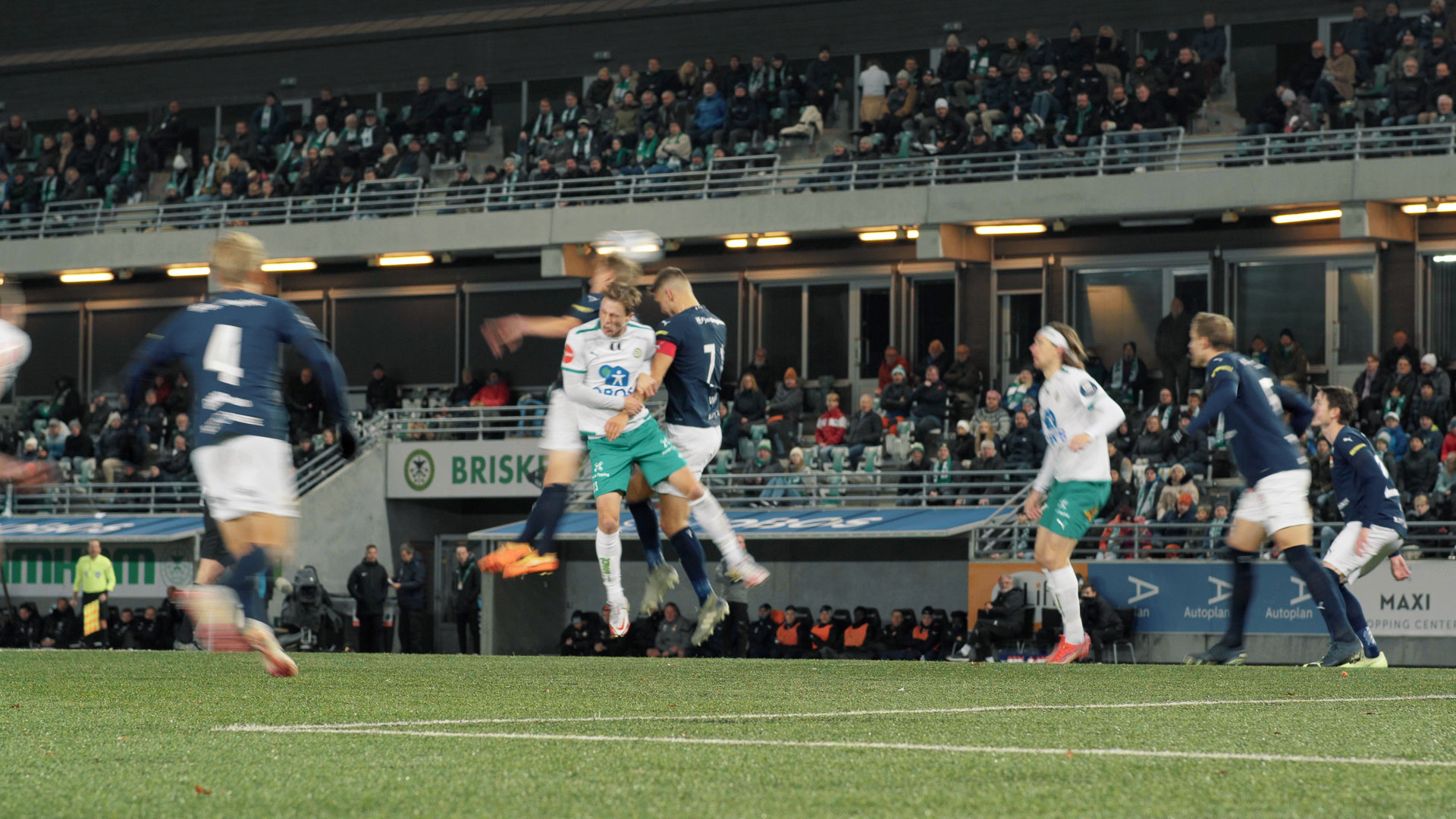

In the autumn of 2022, a unique research project Will begin between the 'Eliteserien' team HamKam and Inland Norway University of Applied Sciences (INN University).
The project will test strength training with different frequencies to find out what gives the best results in terms of speed and explosiveness.
40 football players between the ages of 16 and 19 from HamKam and Lillehammer Football Club have been recruited. All the participating players are at a high level in Norway.
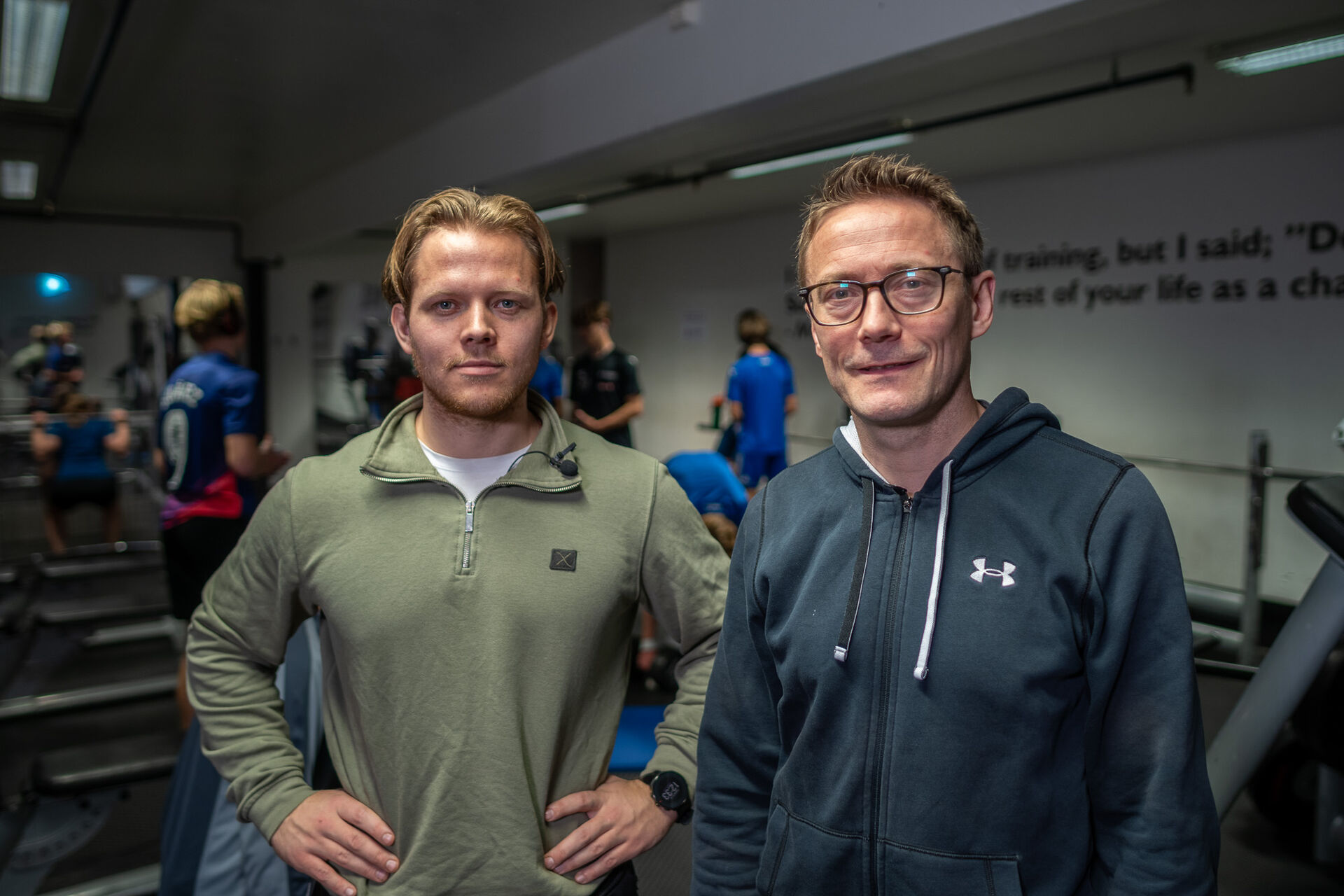
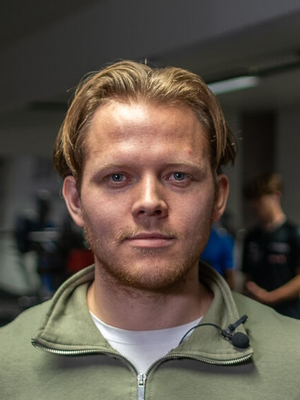
These two men will conduct the research and lead the Project. Professor Bent Rønnestad (on the right) and master's student Hermann Moen. It is Hermann who will carry out the tests and training in the coming months.
We aim to find out if it matters how often you train, as long as the total training volume over a week remains the same. Most sports have certain requirements for endurance, explosiveness and strength. Therefore, the findings from this research can be applied to many different sports.
Bent Rønnestad, professor
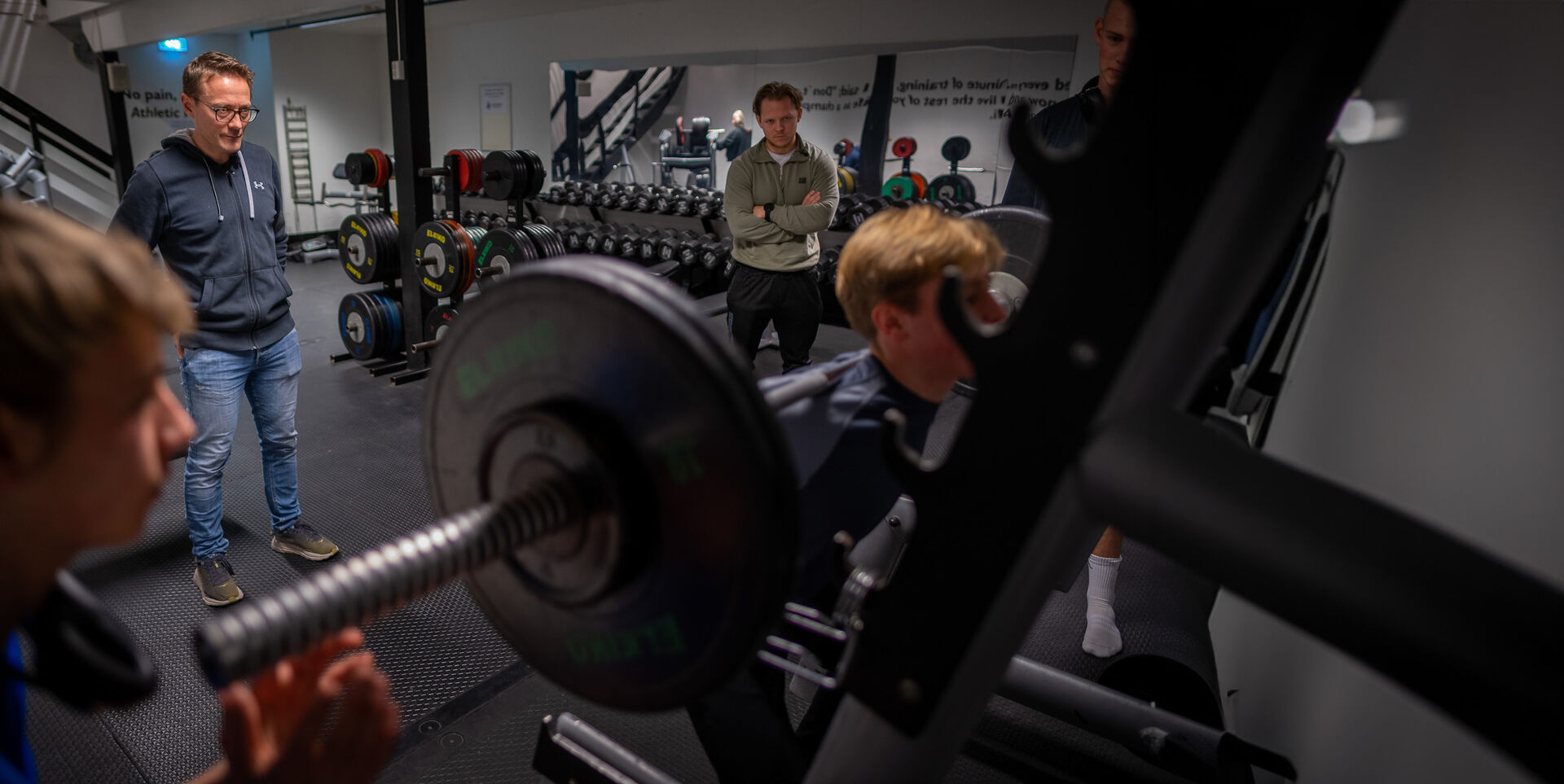
Half of the participants in the project will have few but long strength sessions. The other group will train more frequently but with shorter sessions. However, both groups will train the same total amount.
If we find a significant difference, it will be groundbreaking. If there is no difference, it will give football players and clubs much more freedom to plan their strength training in a way that suits them best.
Hermann Moen, autumn 2022
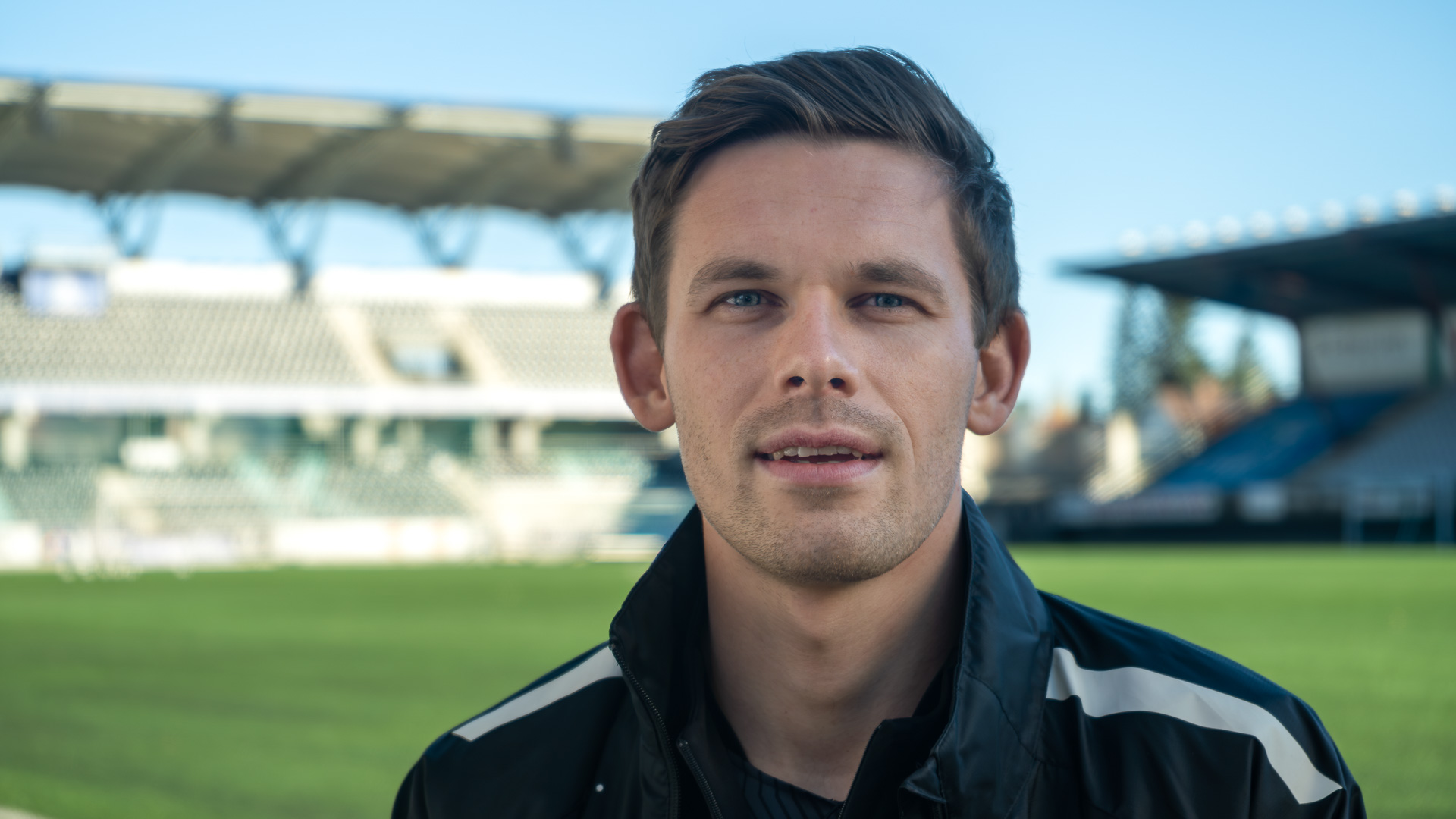
Physical trainer Jacob Mollatt from HamKam is overseeing the project from the 'Eliteserien' side. They have high expectations for this research.
Collaborating with the university is important for our development. We hope to gain knowledge that will make it easier to make decisions regarding the physical training at the club.
Jacob Mollatt
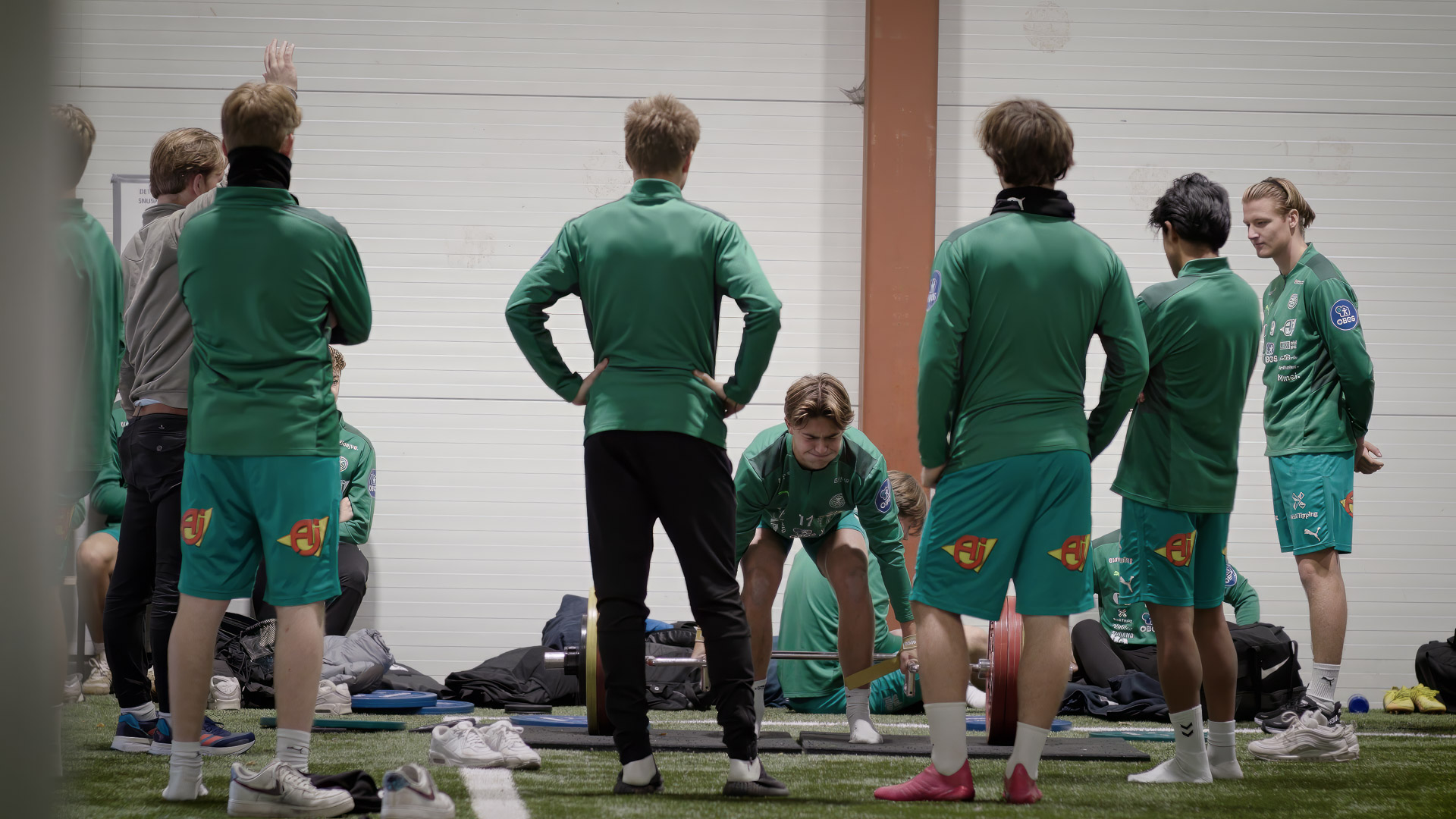
They are testing their maximum limit in deadlifts. They have to jump as high as they can, and they have to sprint. A lot.
40 meters maximum speed, and six sprints with short breaks in between. Endurance is also tested.
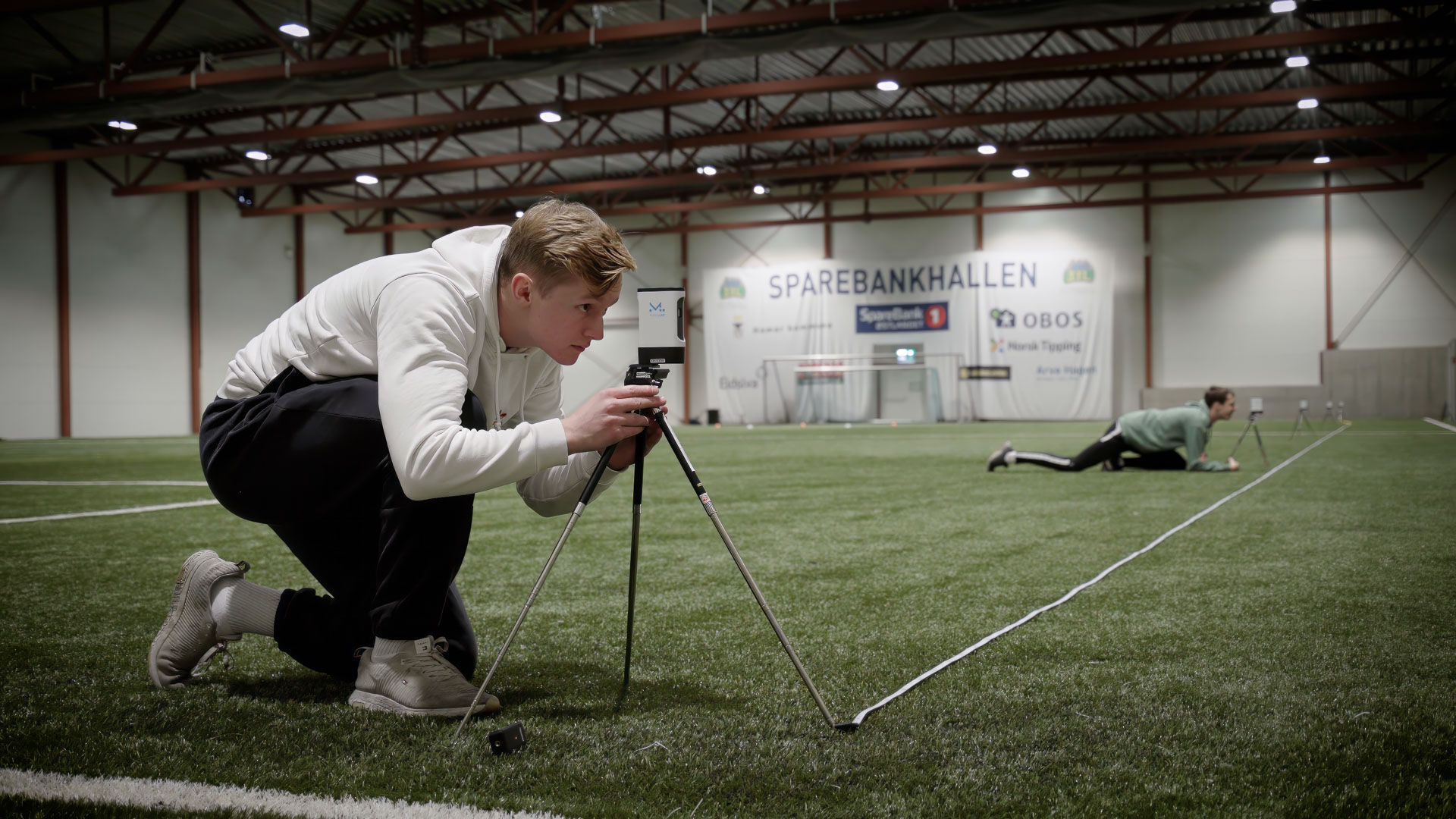
A lot of equipment needs to be set up

Top speed, acceleration and crossing times for every ten meters of the sprints are being measured.
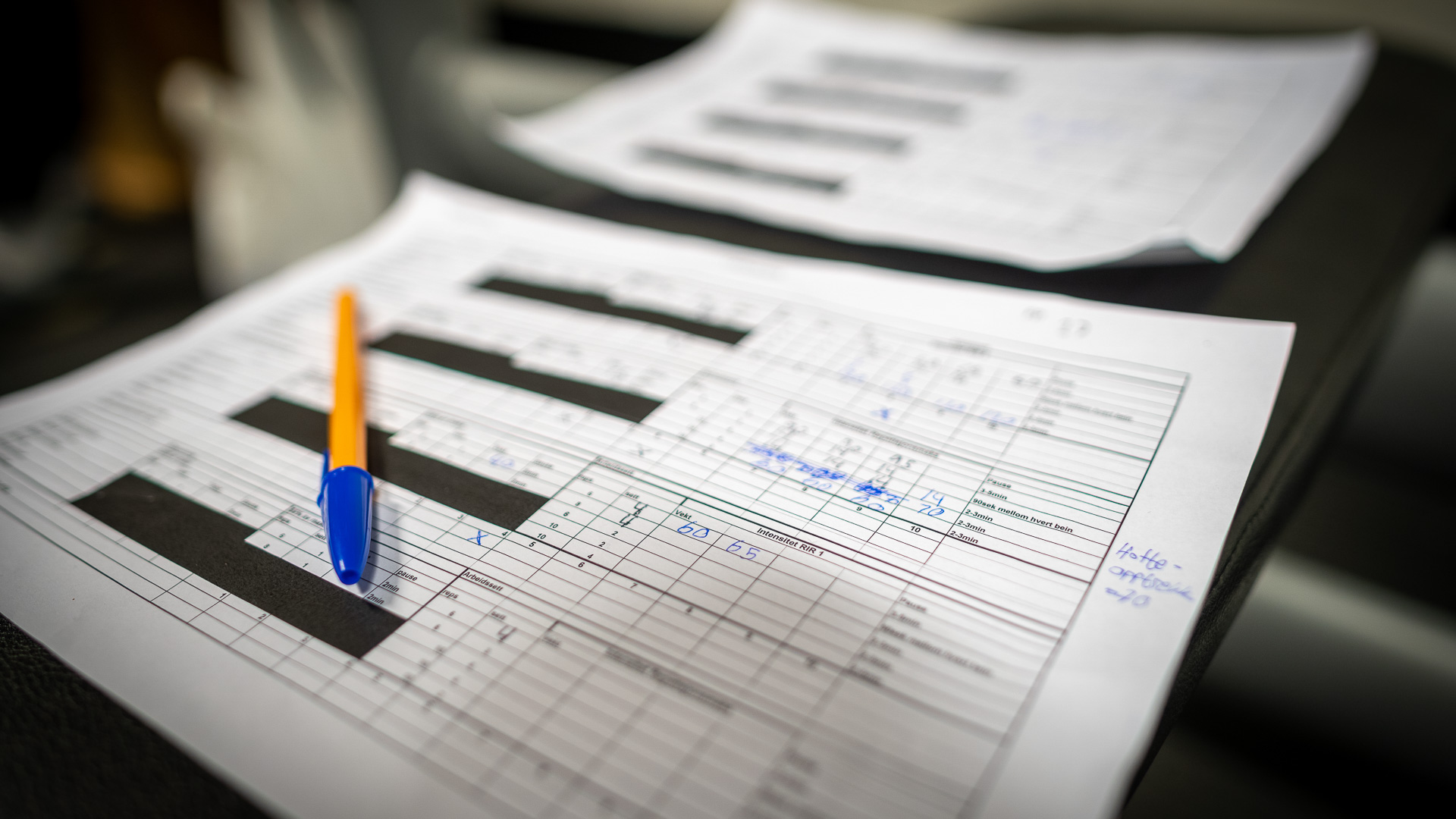
Everything is carefully noted. The researchers need the hard facts on how fast, explosive, enduring and strong they are currently. The same tests will, of course, be conducted at the end of the project. Then comparisons can be made.
The 40 players will now be divided into the two different training regimes.
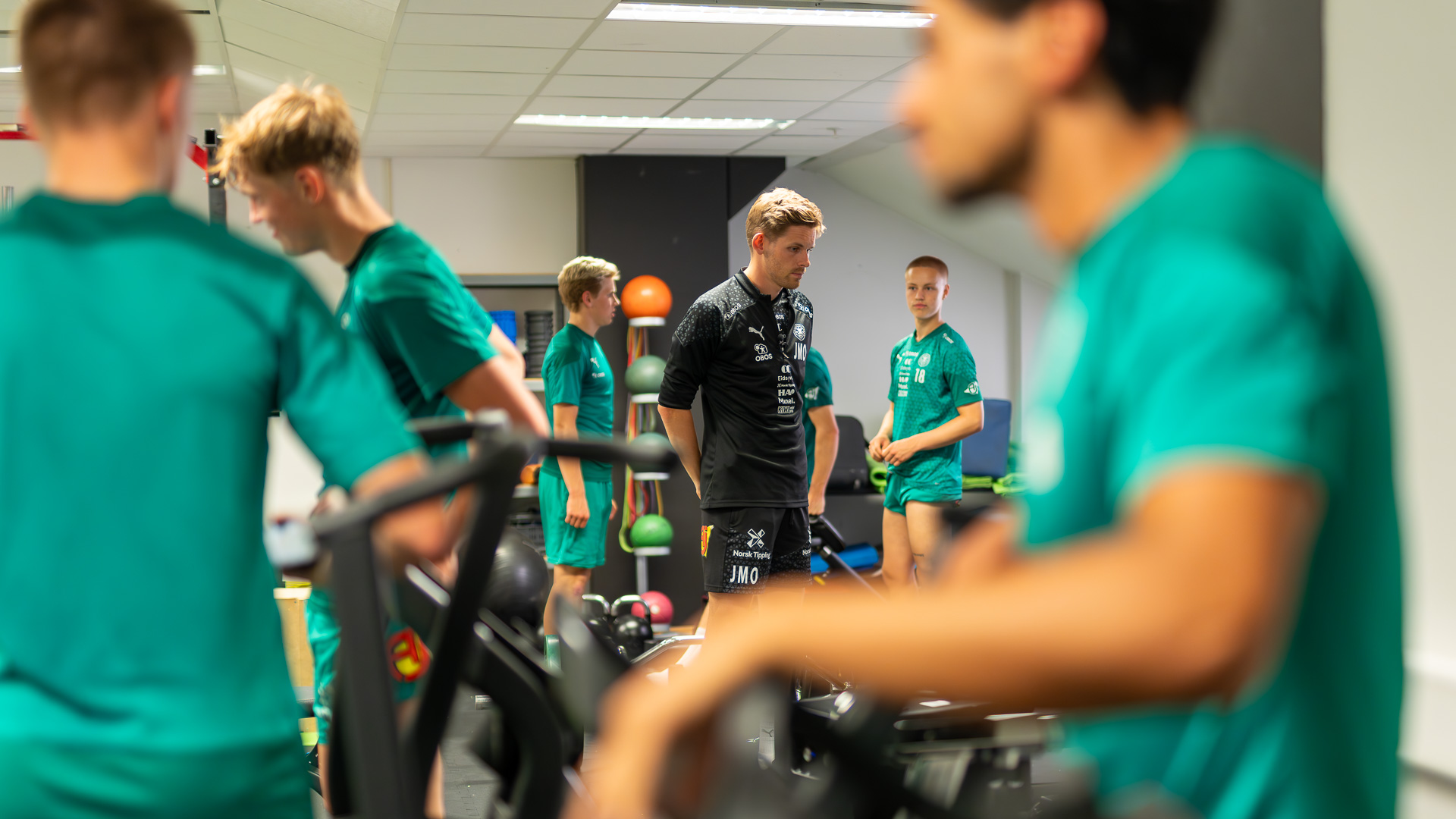
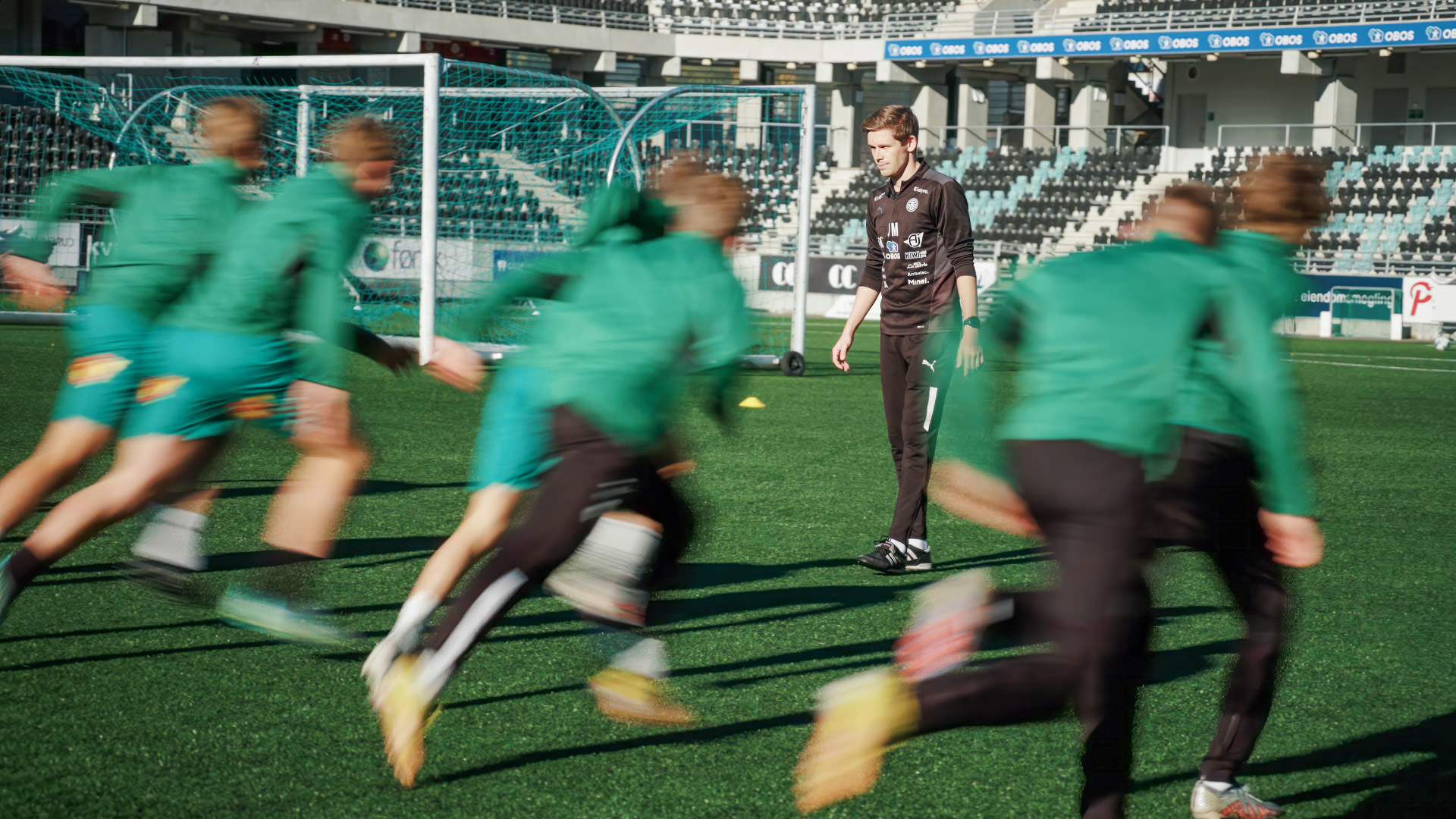
Throughout the autumn and approaching Christmas, one group trains strength for one and a half hours each session, twice a week. The other group trains strength for 45 minutes each session, four times a week.
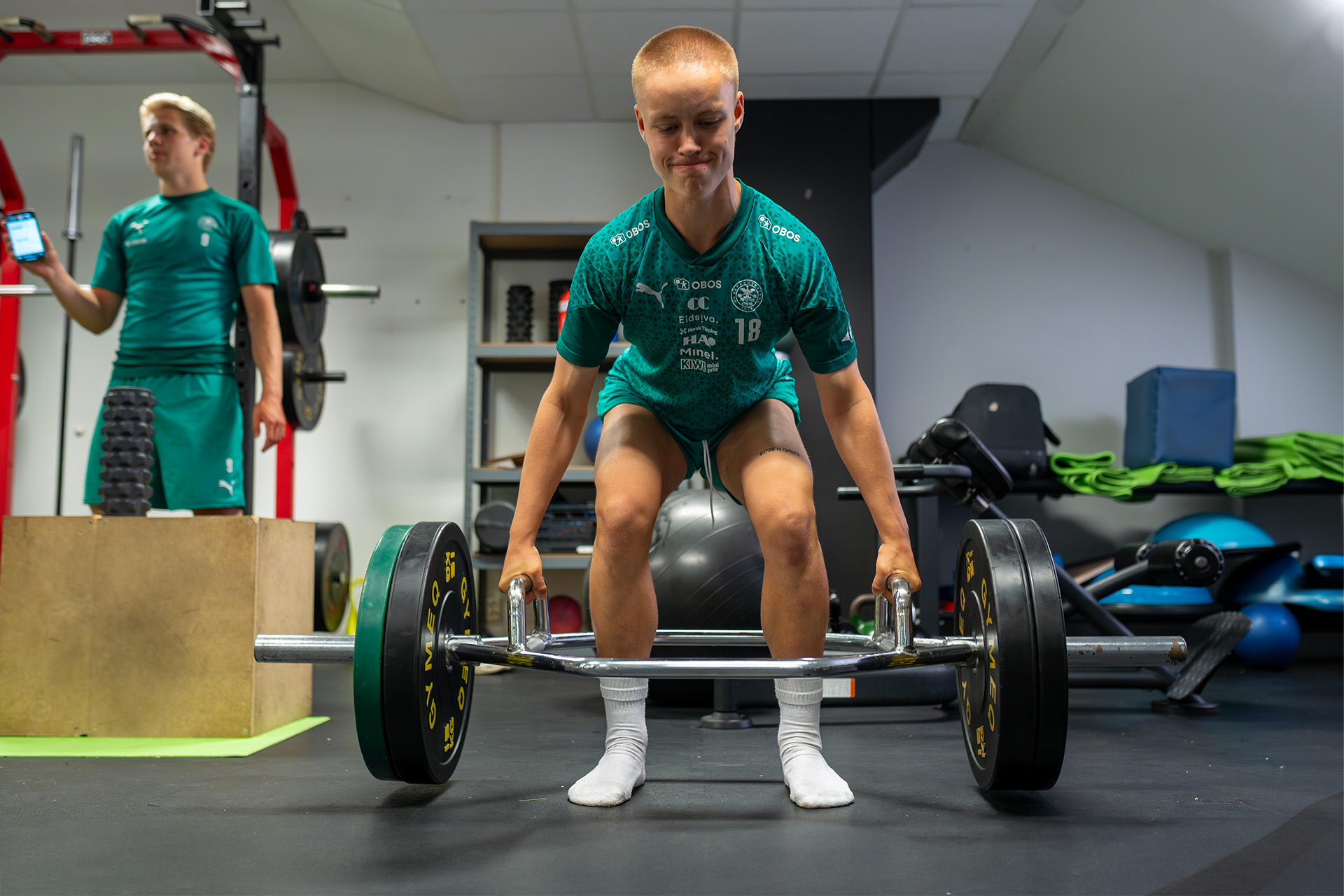
The focus is on strengthening the lower body, and the exercises have been determined through close collaboration between the university and the club.
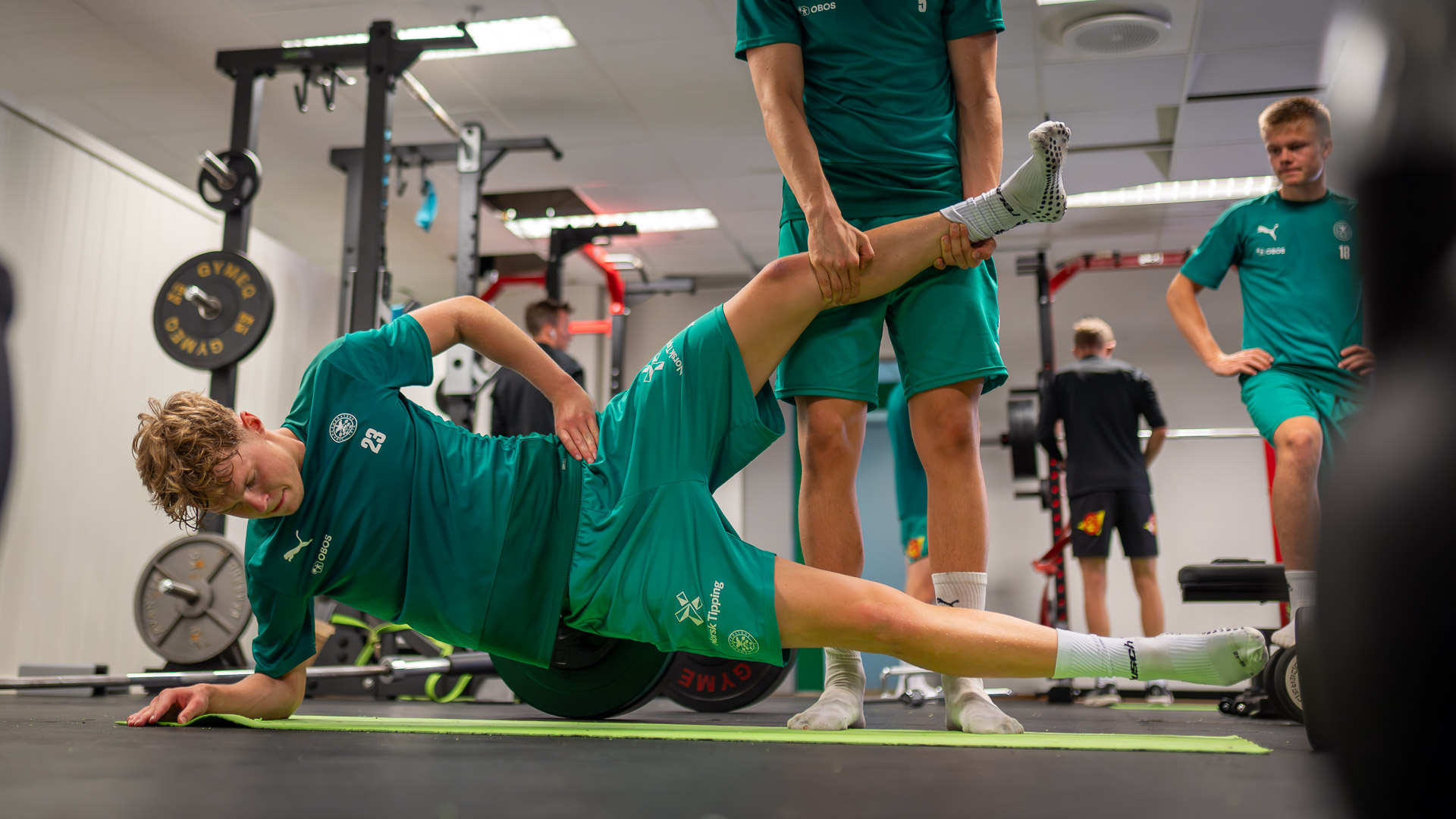
Only exercises familiar to the players are being used. Until December, there will be training with careful monitoring. 11 weeks in total.
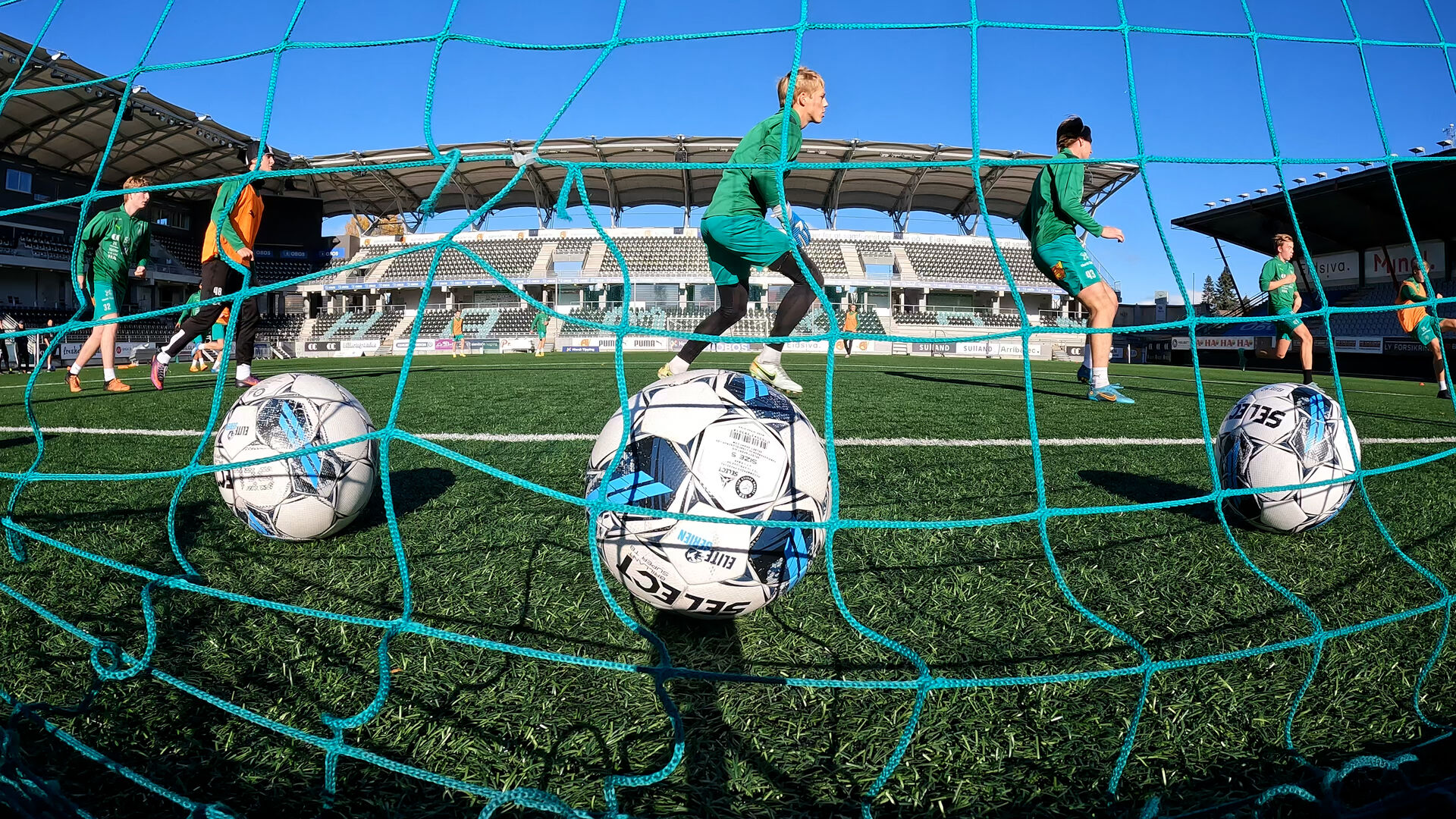
What is new compared to previous research in this area is that these players have had regular training sessions and matches alongside the new training programme.
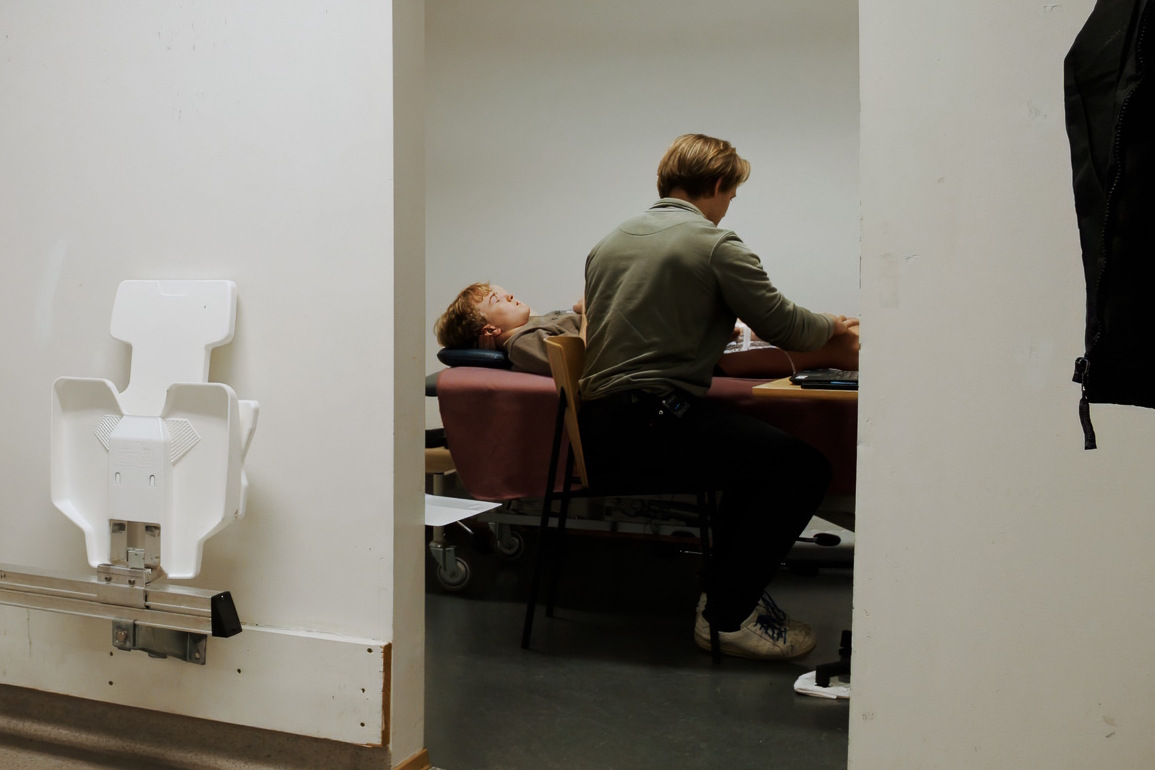
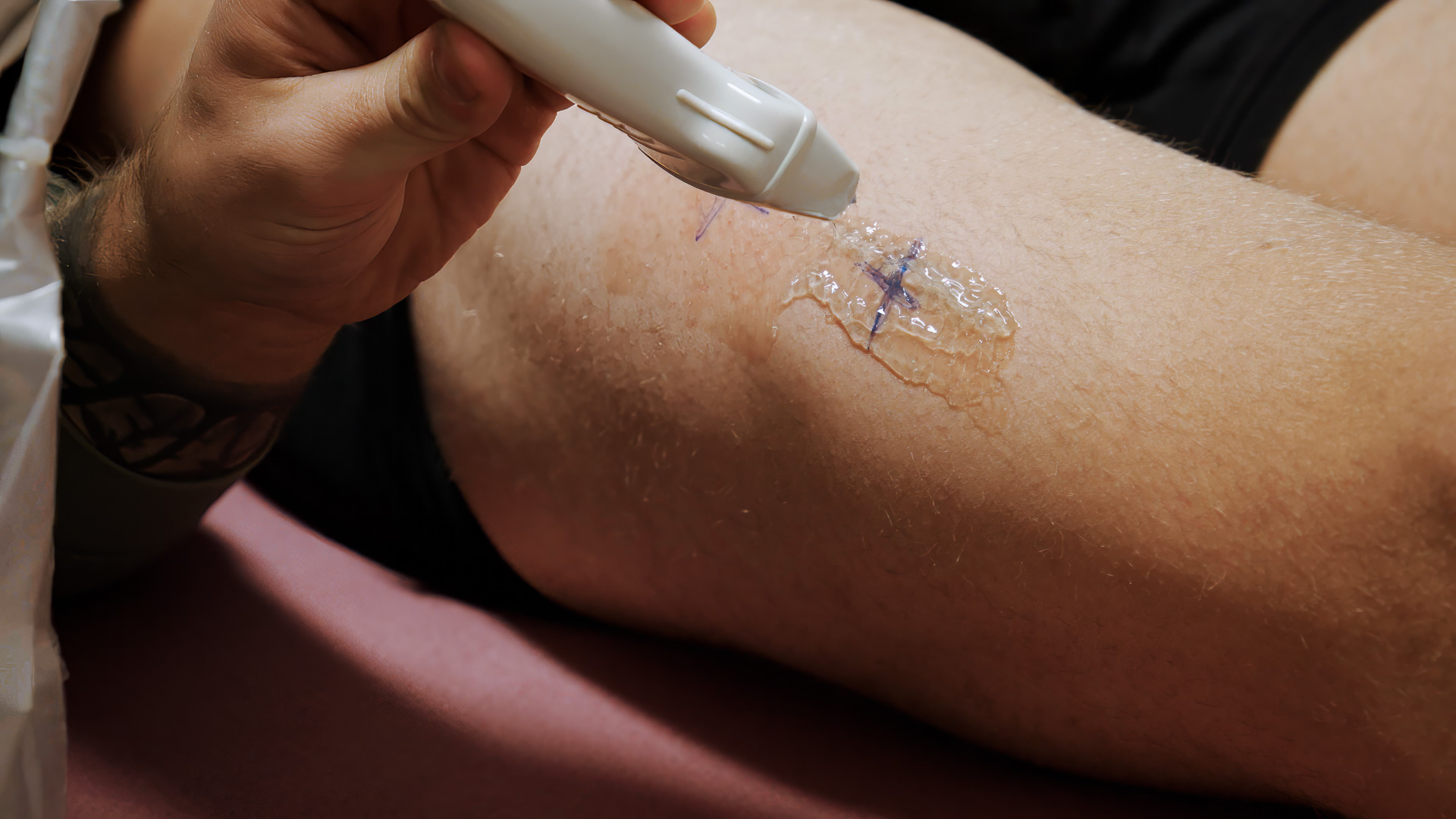
– Has the muscle become somewhat bigger, or?
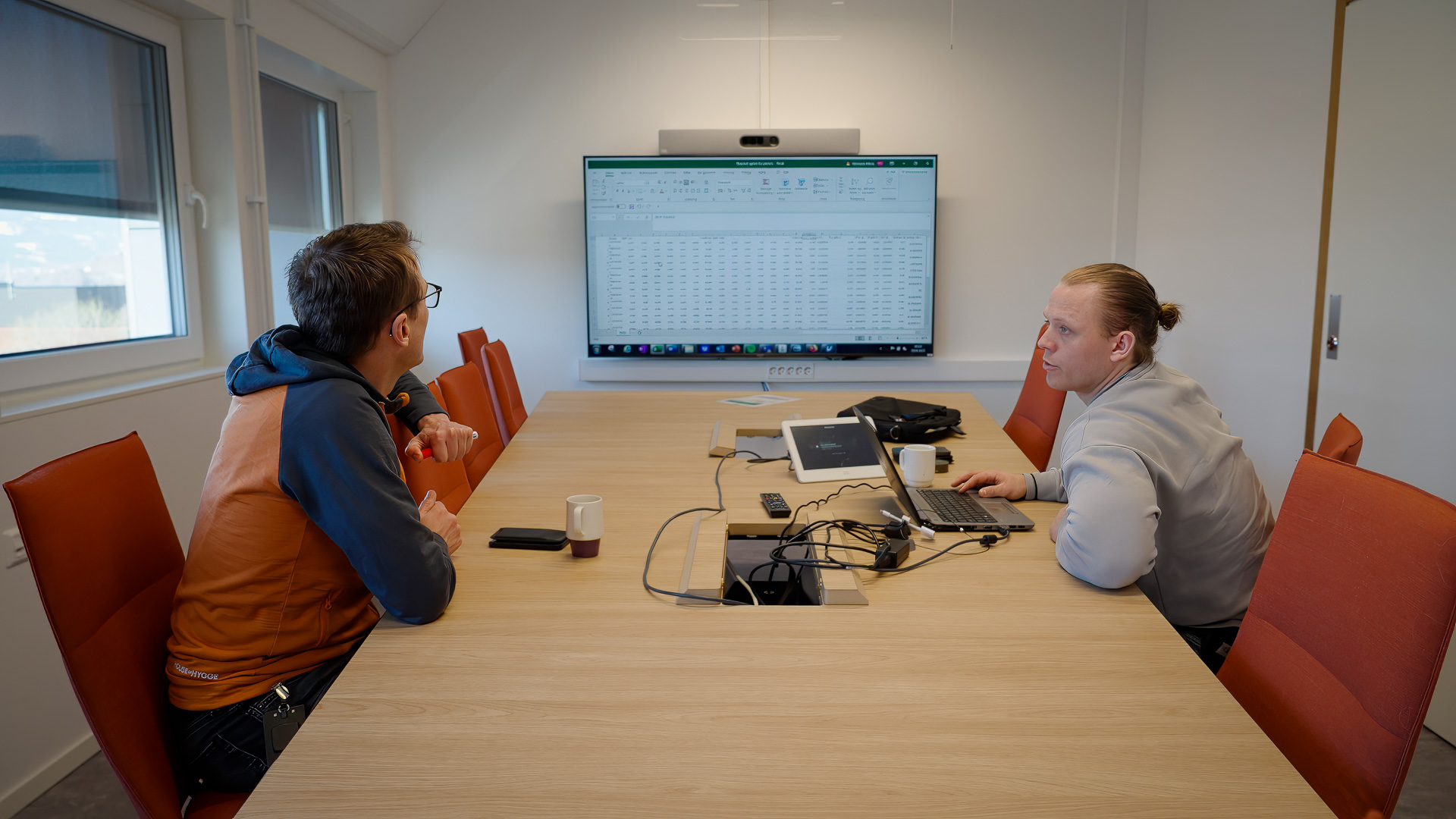
Spring has arrived in Innlandet County, and the final tests of the players are completed. Bent and Hermann are eager.
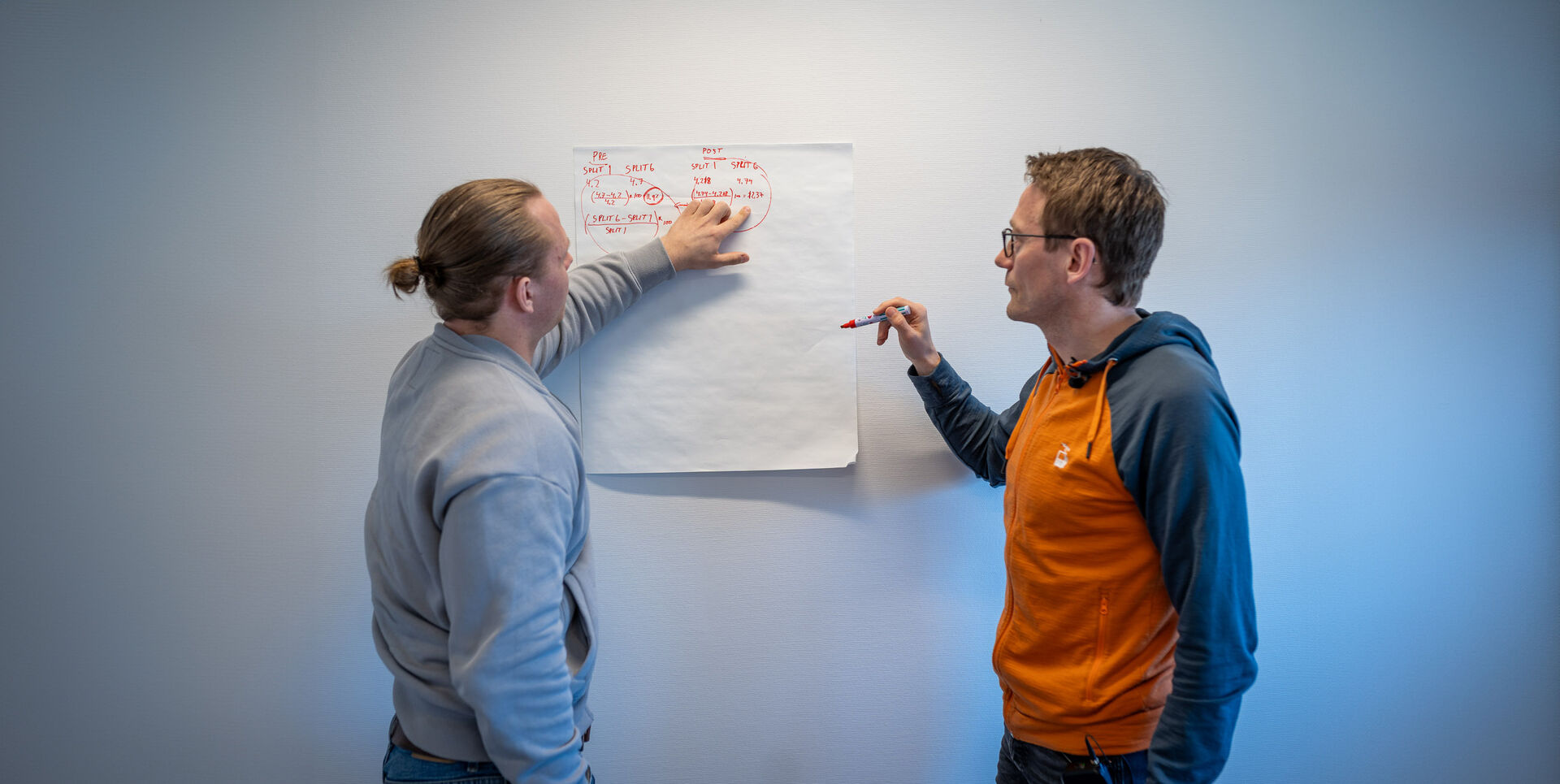
Technical terms and abbreviations for processes and trainings are flying around. The difference from sprint 6 to sprint 1 from pre- to post-time points. Changes in speed decline.
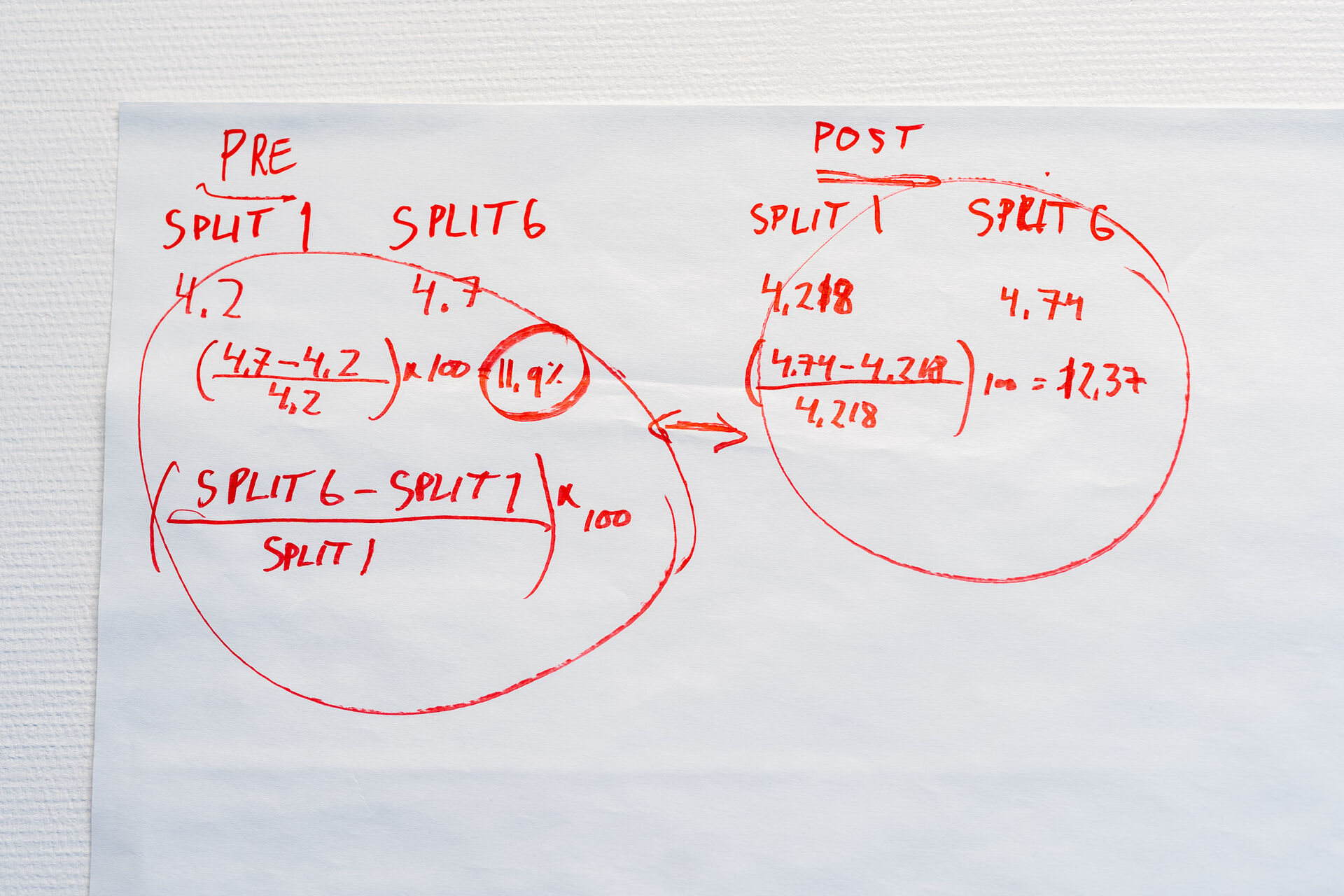
The calculations and conclusions are starting to be ready. Were there significant differences between the two training methods?
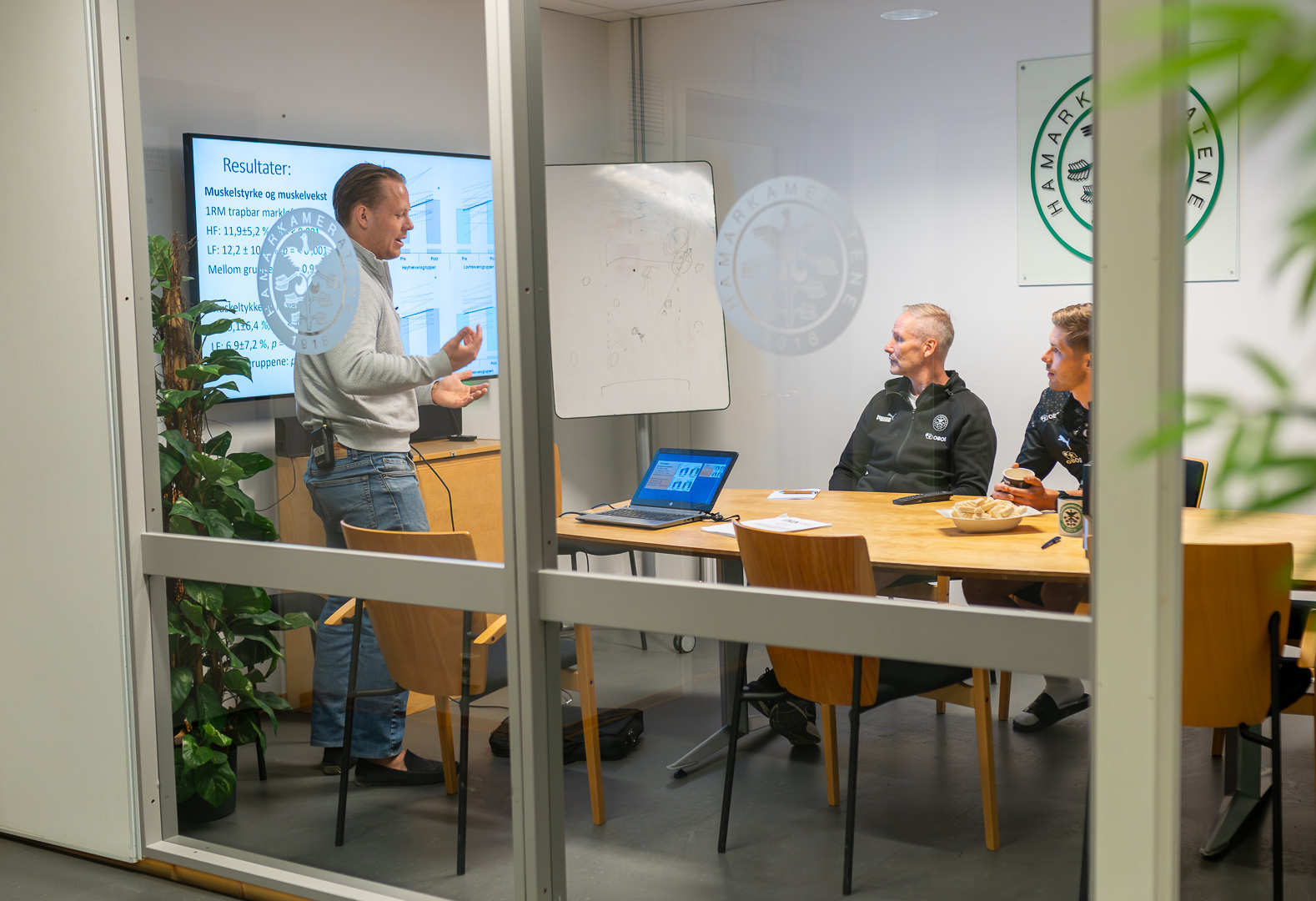
Nods are exchanged around the table in the meeting room at HamKam. On 12th June, Hermann Moen is ready to present their findings.
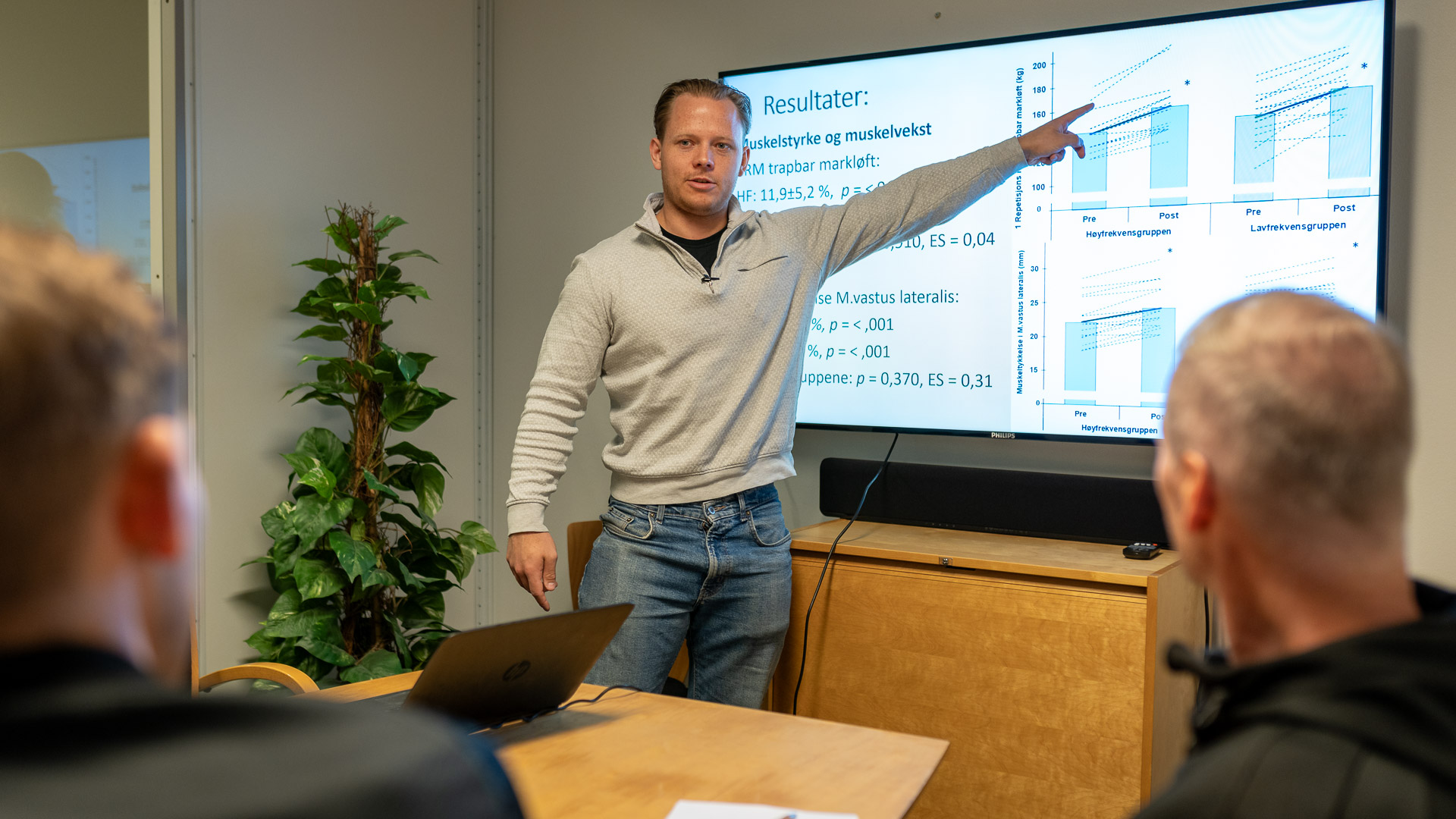
All the players became stronger and gained more muscle mass. There was no difference between those who trained frequently and for Shorter durations, and those who trained less frequently and for longer durations.
Hermann
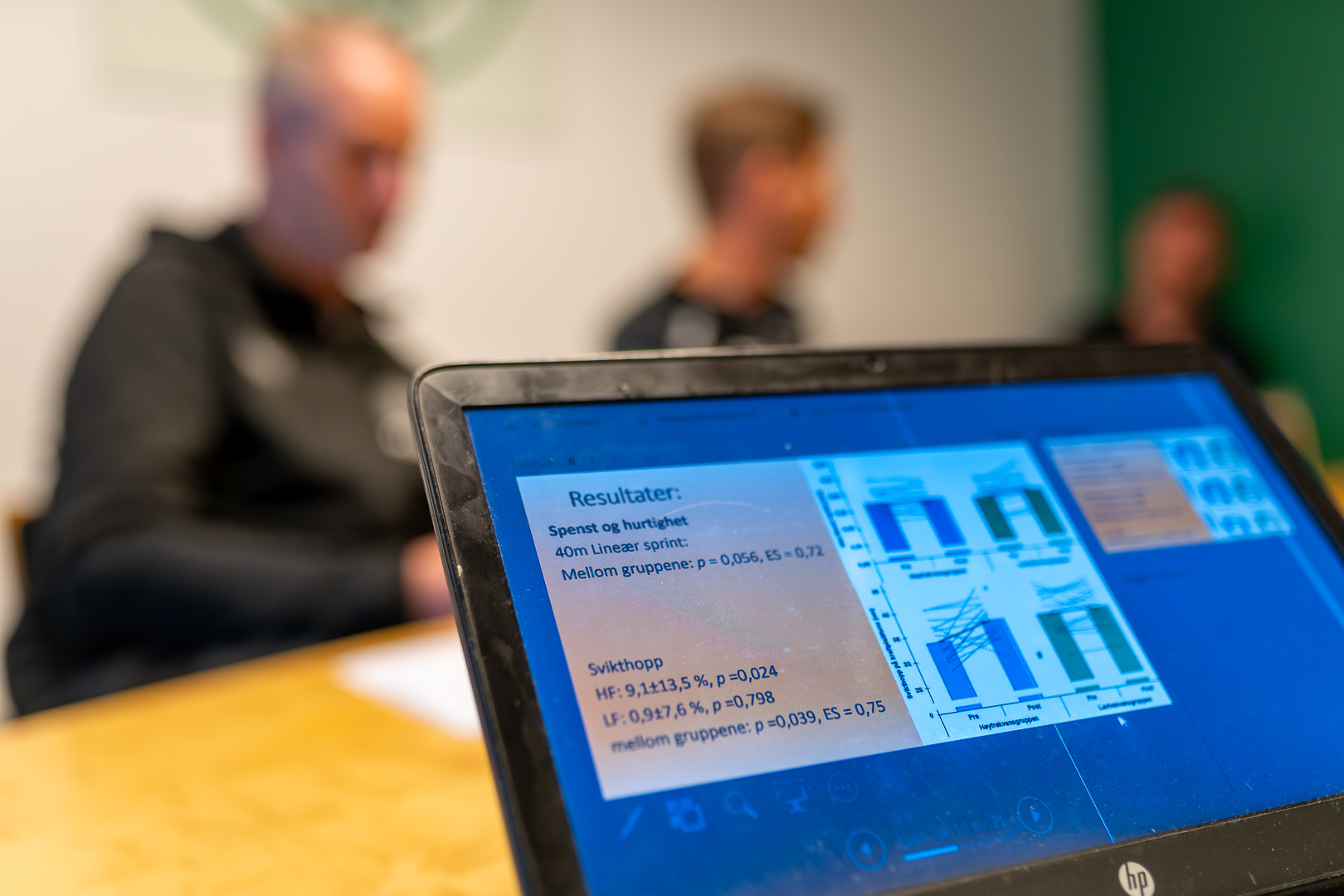
The researchers found differences in speed and explosiveness.
The group that trained frequently but for shorter durations improved significantly more than the group that trained less frequently but for longer durations.
Particularly notable was the difference in countermovement jump (CMJ) height, used to measure explosiveness. One group improved by nine percent — they jumped over three centimeters higher at the end of the project compared to the beginning. The other group showed almost no change.
This means that the ability to generate power quickly improves more in those who train frequently but for shorter durations.
Hermann
Regarding endurance, the opposite was observed. The ability to resist fatigue, to repeat the same action many times consecutively, improved in the group that trained less frequently but with greater volume.
For a player aiming to become faster and more explosive, it is wise to train strength frequently but for shorter periods. If you have a player who is fast but struggles to maintain that speed repeatedly during a match, the other training approach might be a smart move.
Hermann
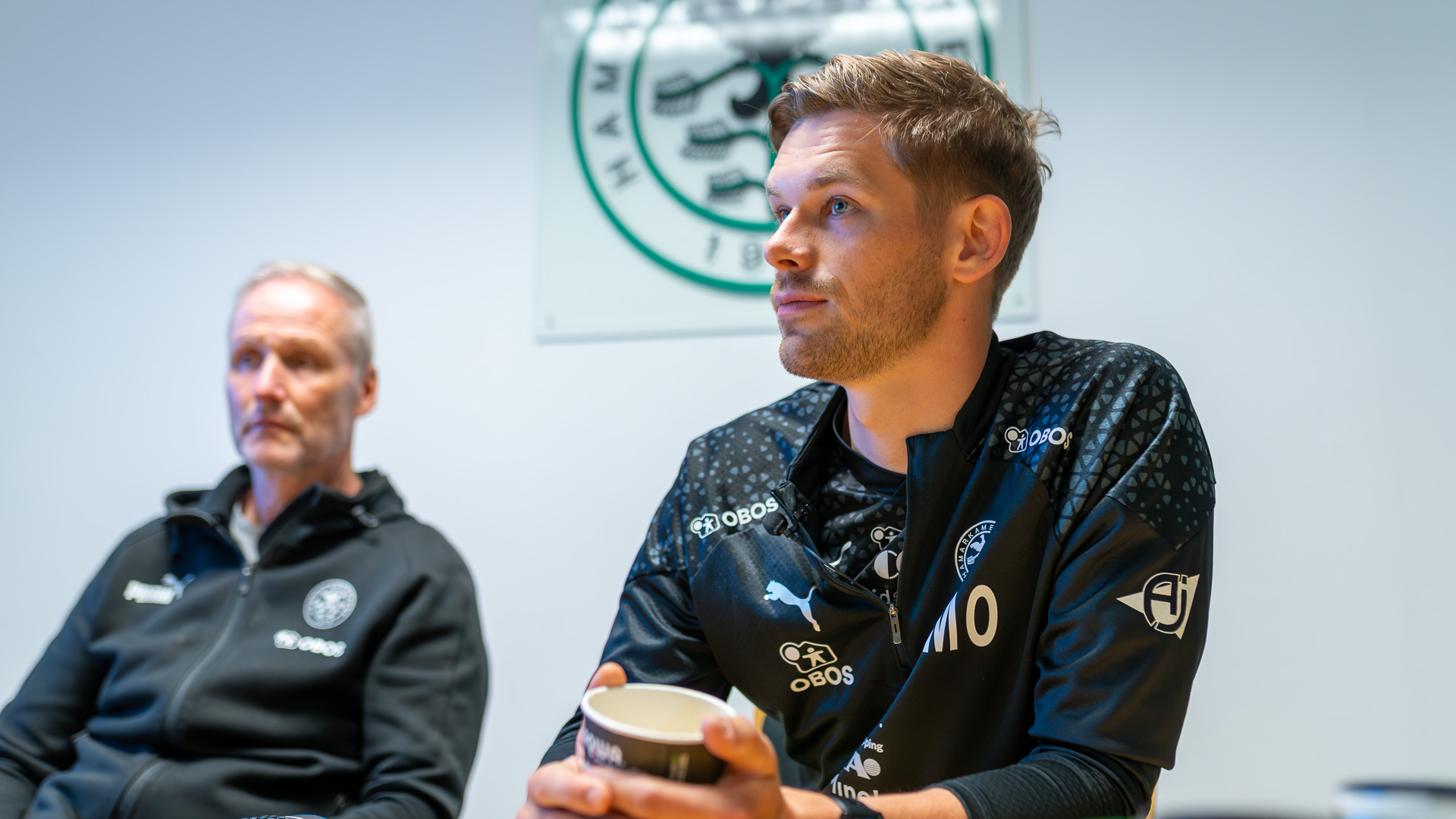
HamKam's physical trainer Jacob Mollatt is pleased. He clearly sees that this knowledge can be applied in the club's daily work.
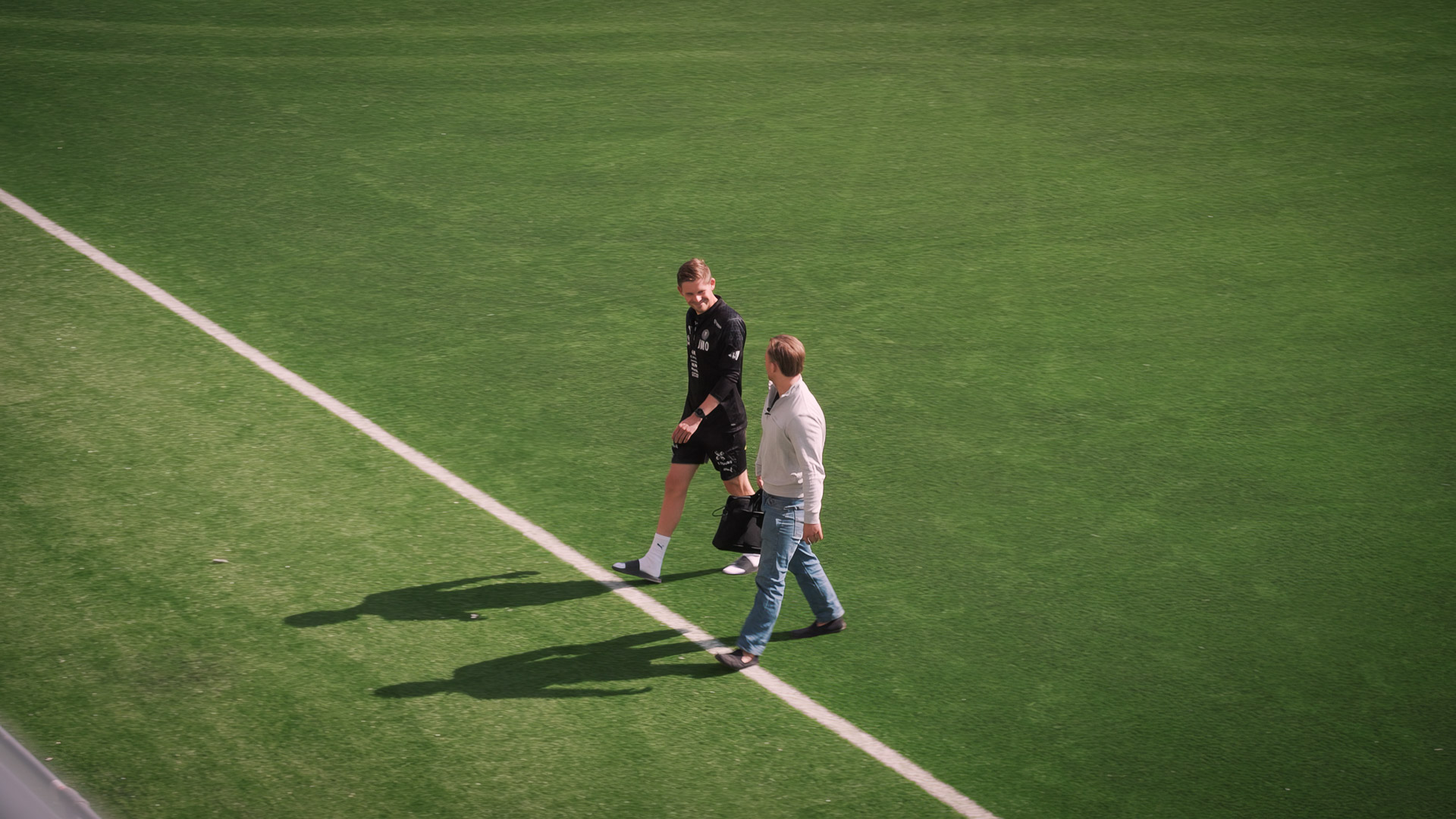
A satisfied researcher and a satisfied coach out on the pitch at Briskeby. HamKam has already opened the door for more collaboration and assistance from the academic community at the university.

A collaboration that might contribute to deciding matches in favor of HamKam in the years to come.
Read more:
Hermann Moen's master's thesis
Watch:
'Når farten teller' - documentary film
Ask:

- bent.ronnestad@inn.no
- Phone
- +47 61 28 81 93
- hermannmoen@hotmail.com
- Telephone
- +47 95 76 28 98
Made by:

- ole.ringlund@inn.no
- Phone
- +47 62 43 02 71

- ole-andre.lagmandokk@inn.no
- Phone
- +47 61 28 74 44

- nan.kolby@inn.no
- Phone
- +47 62 43 03 26