
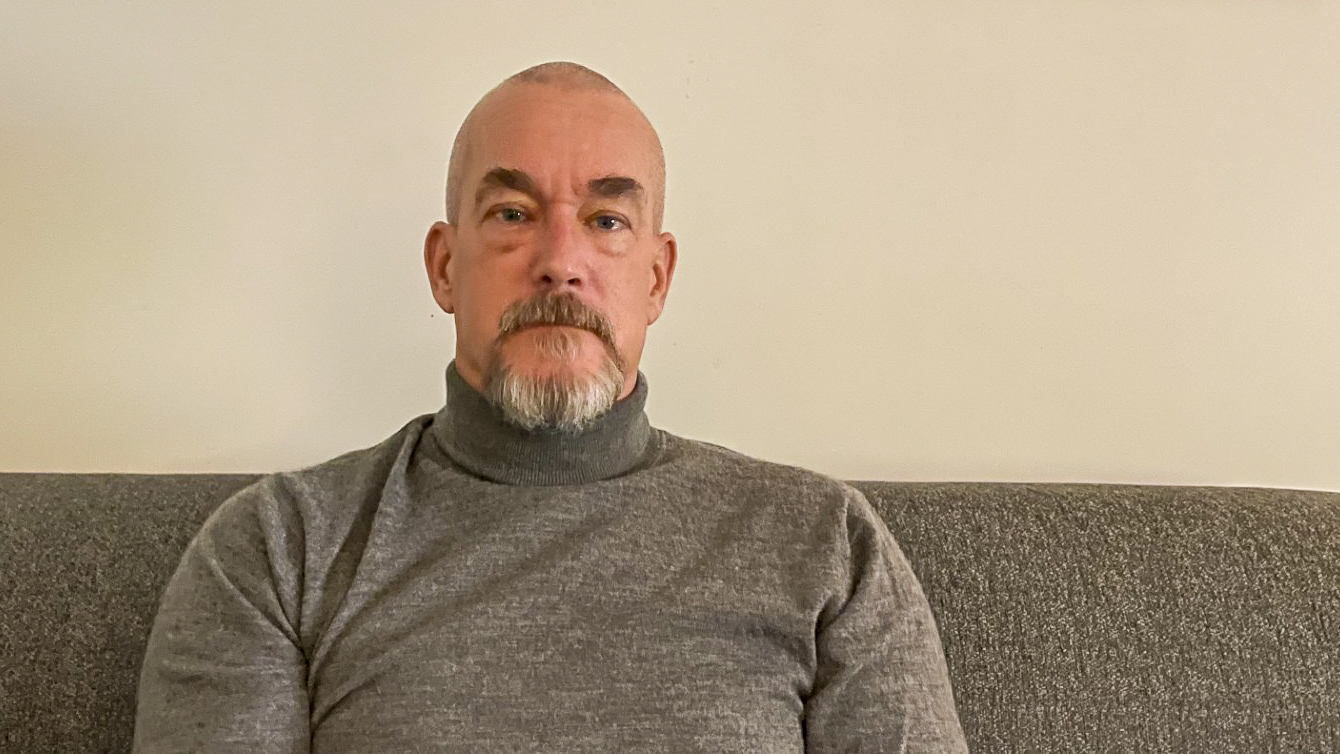
– I have explored the factors affecting the health and well-being of these individuals, as well as how they cope with daily challenges, writes Jan-Freddy Hovland to inn.no.
Drawing insights from nine in-depth interviews guided by the theory of salutogenesis, Hovland investigated coping strategies and the role of social and physical activities in promoting health.
– My research highlights the importance of inclusive and supportive communities where people with mental illnesses feel accepted and valued, says Jan-Freddy Hovland, who has been affiliated with the doctoral programme Child and Youth Participation and Competence Development.
This proves to be essential.
Social support and a sense of belonging in society bolster self-esteem, reduce stigma, and improve overall well-being, according to Hovland's findings.
He further states that developing effective coping skills depends on identifying and using personal resources tailored to cultural and social contexts, supported by families, communities, and services.
– Physical activity emerged as a key resistance resource for improving health and well-being by fostering a sense of mastery, meaning, and social belonging. However, meaningful participation depends on selecting activities that align with personal interests to ensure long-term benefits, says Hovland.
The findings emphasise the need for a shift in mental health practices towards strategies that promote active participation, resilience, and a sense of purpose.
– By prioritising approaches that strengthen self-esteem and coherence, this research provides valuable insights into creating a more inclusive and health-promoting society, concludes Jan-Freddy Hovland.
- Here you can find more information about Jan-Freddy Hovland´s defence on the 21st of February, 2025
Main findings in the doctoral work:
- Community acceptance and social support are critical for reducing stigma, strengthening self-identity, and fostering a sense of coherence and well-being.
- Developing health-promoting coping strategies requires recognising and utilising personal resources tailored to cultural and social contexts, with support from families and communities.
- Adapted physical activity boosts self-identity, health, and resilience by providing mastery, meaning, and social engagement. To sustain long-term benefits, activities should align with personal interests.
- The findings emphasise inclusive, health-promoting attitudes in society.
- The findings also highlight the need for mental health care approaches focusing on active participation, salutogenic coping, and strengthening coherence for improved health and well-being.
The title of Hovland's dissertation is 'Daily challenges and use of resistance resources among younger adults with serious mental illness: a qualitative study from a salutogenic health promotion perspective'.
Contact information:
/english/research/doctoral-degree/public-defences/young-adults-and-mental-illness/index.html, 148:3: ${include:contact}: https://www.inn.no/english/find-an-employee/jan-freddy-hovland.html?vrtx=vcf does not exist