
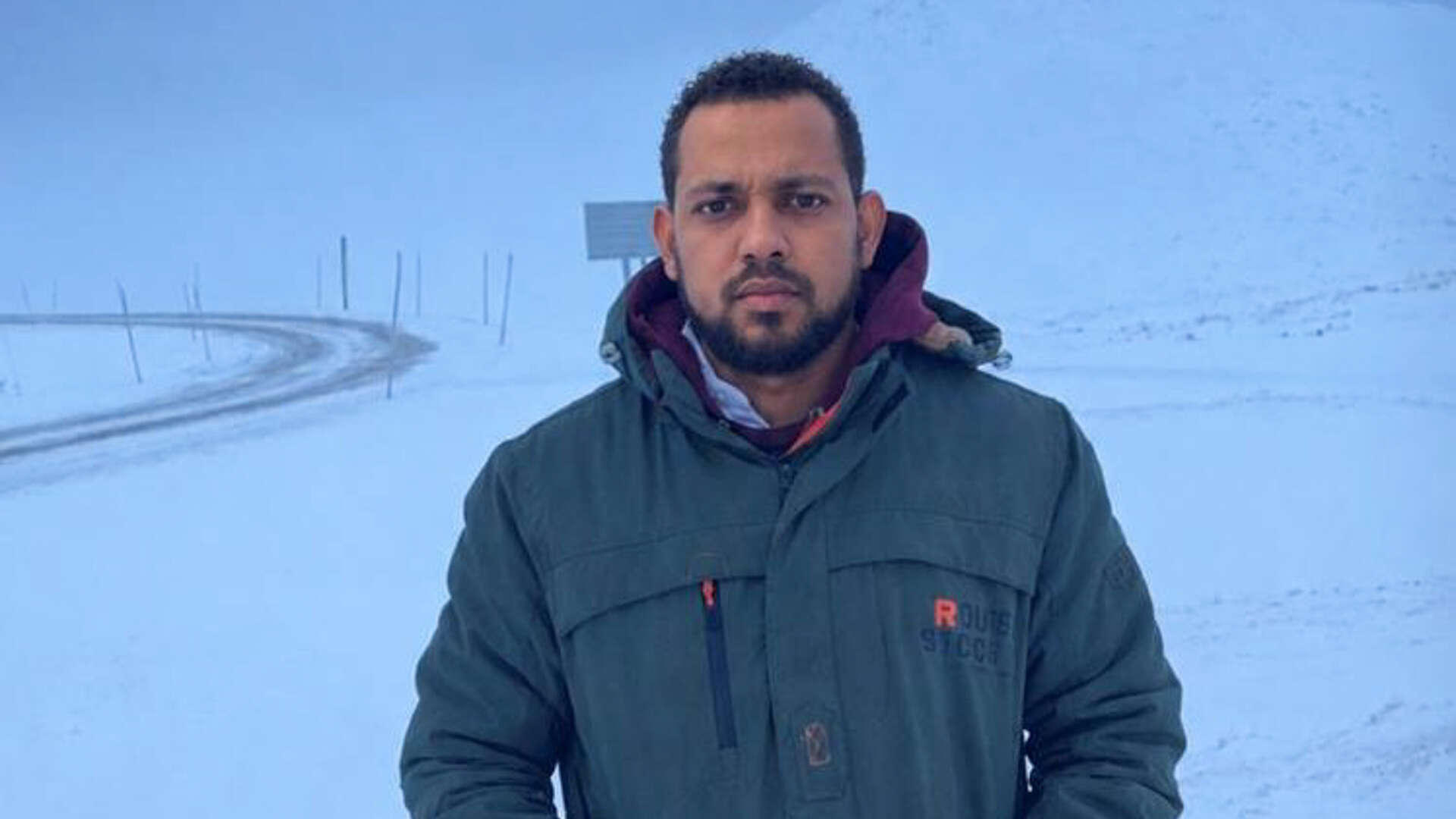
Solomon has examined landscape transitions along a coastal–inland gradient in three Norwegian regions. Using more than eight decades of agricultural census data (1918–1999), he has identified substantial changes.
– My project shows a decline in grassland area in all the regions, and in the number of livestock units in most of them, says the PhD candidate.
The extent of the changes varies regionally. Summer tourism has played a greater role in the Sogn og Fjordane region, where traditional cultural landscape features have also been better preserved.
The project also examines harvest densities and the distribution of game species assemblages in relation to land cover and elevation. It identifies five distinct game species assemblages associated with different landscape conditions.
Finally, it examines recent social–ecological changes (2011–2022) and the forces driving them: agricultural transformation, depopulation and changes in land use, as well as demographic and economic restructuring.
– My findings show a decline in traditional cultural landscape features along the coastal–inland gradient, although the extent of change varies regionally, says Solomon Mulat Beyene.
By combining analyses of changes in grassland area and livestock numbers, game species assemblages, and social–ecological change along the same gradient, the thesis provides a broader picture of long-term and contemporary landscape change and regional differences.
He believes his PhD research could have practical significance.
– The findings can help landscape planners and managers understand these changes and coordinate landscape planning and game management across administrative boundaries, says Solomon.
The title of the thesis is «Landscape transitions in Norwegian cultural landscapes: Social-ecological patterns across a coastal-inland gradient.»
Main findings of the doctoral research:
- Grassland areas declined across all three regions between 1918 and 1999, although the extent of decline and livestock trends varied regionally. Natural grasslands used for grazing and mowing declined, while cultivated grasslands for grazing increased, indicating a shift in the composition and use of the cultural landscape. Livestock units declined in Sogn og Fjordane and Hedmark but increased slightly in Oppland.
- Cultural landscape changes varied across the coastal–inland gradient. Hedmark experienced the highest declines in grassland area and livestock units, whereas Sogn og Fjordane experienced substantially smaller declines in grassland area and more moderate declines in livestock units, alongside a higher proportion of summer tourism.
- Five distinct game species assemblages were identified, associated with landscape composition and elevation rather than administrative boundaries. Harvest densities also varied regionally, with moose, roe deer, black grouse and capercaillie showing significantly higher harvest densities in inland Hedmark and Oppland, whereas red deer showed significantly higher harvest densities in coastal Sogn og Fjordane.
- All three study regions experienced contemporary social–ecological changes between 2011 and 2022, shifting towards the more forest-dominated and urbanised end of the social–ecological gradient.
- Four interconnected drivers of cultural landscape change were identified: agricultural transformation, land abandonment, demographic restructuring and economic restructuring. The findings of the thesis highlight the importance of integrated, landscape-scale management that supports the maintenance of multifunctional cultural landscapes.