
In our daily lives, we encounter various types of bacteria – some beneficial, others potentially dangerous, capable of triggering serious infections.
Blood poisoning, or sepsis in medical terms, is a life-threatening infection that claims millions of lives each year.
Early diagnosis and treatment are essential to saving patients’ lives and reducing antibiotic use.
– The current diagnostic methods are time-consuming, which often leads doctors to prescribe broad-spectrum antibiotics, a practice that can be both ineffective and contribute to resistance development, says Jawad Ali.
From days to just a few hours
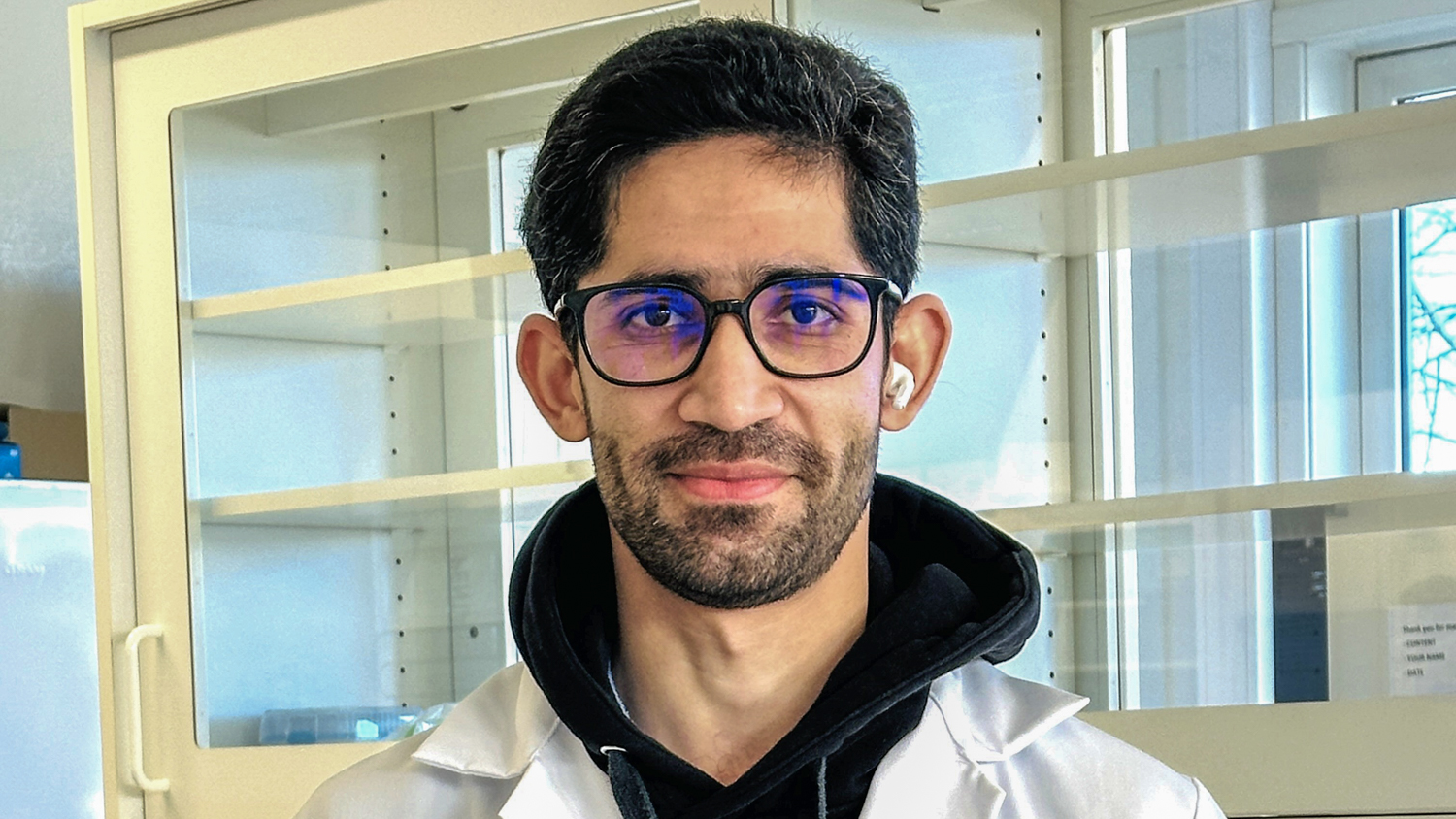
Jawad Ali has completed his doctoral thesis in the PhD programme Applied Ecology and Biotechnology. He recently got his thesis approved, which is titled 'Investigating the potential of Nanopore sequencing and Raman spectroscopy for rapid diagnosis of sepsis'.
This research explores rapid methods for identifying bacteria and their antibiotic resistance genes in blood samples and pure cultures using techniques known as nanopore sequencing and Raman spectroscopy.
– Unlike traditional techniques, which require 24-48 hours for identification in blood, nanopore sequencing can identify within 7-9 hours, Ali explains.
These methods have the potential to fill critical gaps in the rapid diagnosis of life-threatening infections like sepsis.
– Fast and accurate diagnostics can enable better treatment, reduce the need for broad-spectrum antibiotics, and thus help limit antibiotic resistance, says Jawad Ali.
For these patients, faster diagnosis could mean life-saving interventions, reduced healthcare costs, and improved patient outcomes.
Main findings in the doctoral work:
- Nanopore sequencing and Raman spectroscopy have the potential to be used as rapid diagnostic tools for bacterial infections in clinical settings.
- Nanopore sequencing identified bacterial pathogens in blood samples within 7 to 9 hours using a shorter incubation method for blood culturing.
- The cheaper Flongle flow cells can be a cost-effective sequencing method for infection diagnostics in clinical settings.
- The emerging Raman spectroscopy-based methods showed higher accuracy for strain-level classification of bacterial isolates, producing results comparable to whole genome sequencing classification.
- Supplementation of the bacterial culture media with nutrients and increasing the incubation temperature speeds up the bacterial growth and thus reduces the time to detection.
Contact information:

- jawad.ali@inn.no
- Phone
- +47 62 51 78 27