
Can forests replace oil?
The answer is more positive than many think. With an increasing focus on sustainable resource management, there are already several products that can be replaced with wood.
Stora Enso, one of the world's largest producers of wood-based products, is among the leaders in this area. The company is developing products that can replace plastic, such as disposable cutlery, plant pots, and packaging made from wood fibre.
But it is not only disposable products that can be made from wood. Forests can also help replace fossil fuels with biofuels, such as wood pellets and chips. Furthermore, there are great opportunities to use wood in the construction industry with innovative materials like cross-laminated timber (CLT), which can replace steel and concrete in buildings.

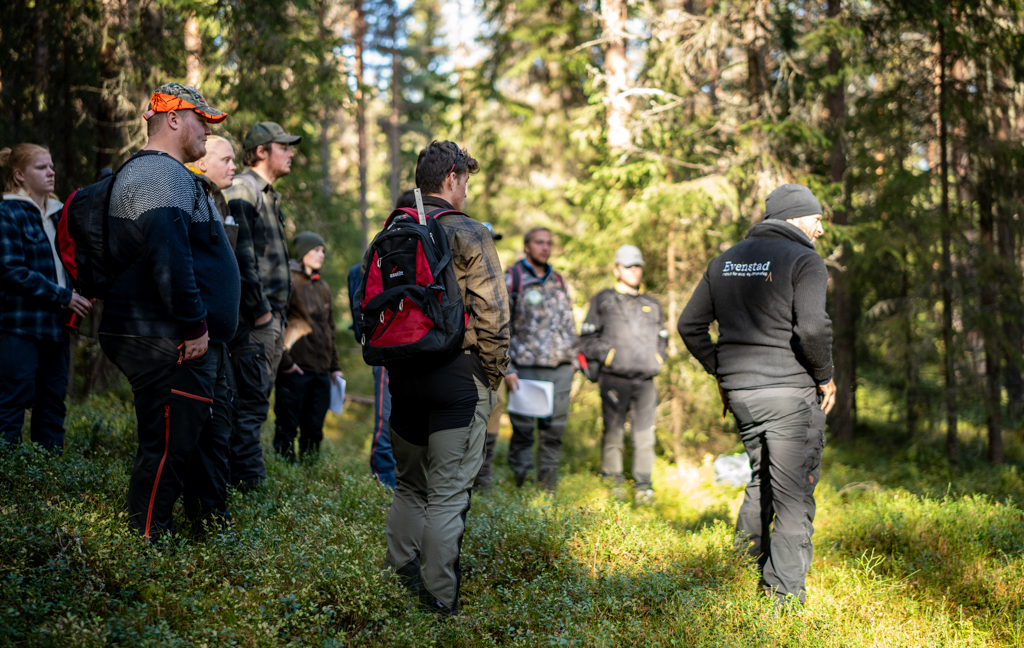
During a field day at Fiskvik in Rendalen municipality, our students are tasked with assessing the age and site quality of a forest plot. Lecturer Petter Nergaard explains how they work with different felling classes and how they use measuring equipment to obtain accurate data.
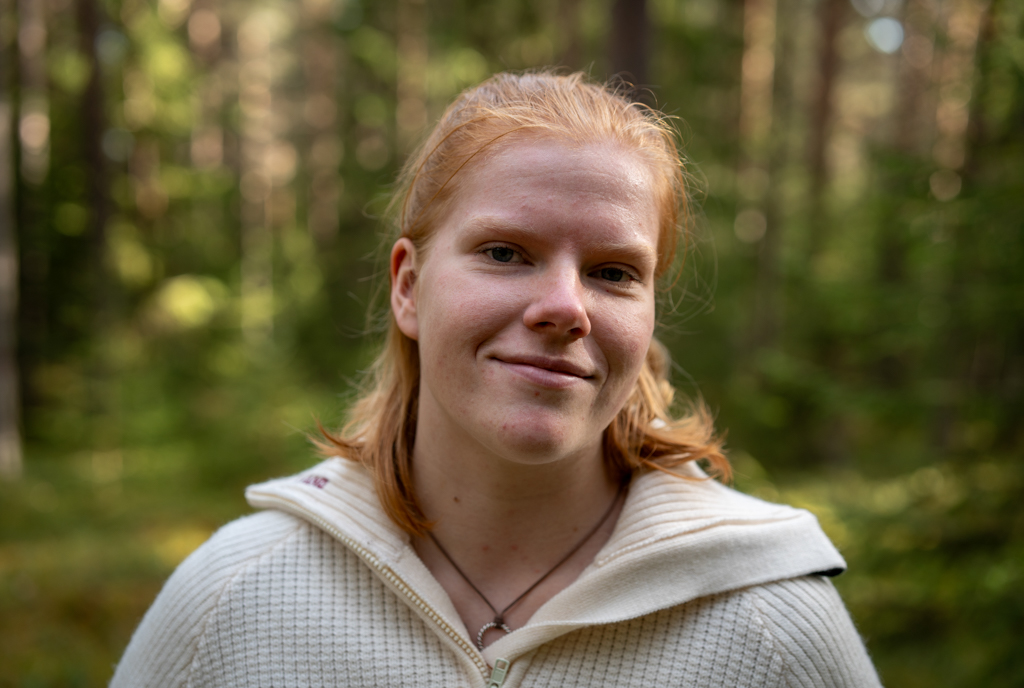
Karoline, a second-year forestry student at the University of Inland Norway at Evenstad campus, is clear that the future belongs to the forest.
– We are moving towards an increase in the use of wood products, and we can help reduce dependence on plastic and oil, she says enthusiastically.
Karoline has found her way into a world where both sustainability and technology play a key role:
– I have always been interested in forests, and a forestry course in upper secodary school made me see the career opportunities in forestry. Now, I see that the forestry market is one of the best places to get a job after graduation, she says. With an increasing focus on sustainability and recycling, forests as a resource are becoming increasingly important — both for the economy and the environment.
Karoline is not alone in seeing the potential of forests as a sustainable resource. Many forestry students view forestry as a solution to the challenges society faces today, especially regarding the environmental crisis and the need for alternative materials.
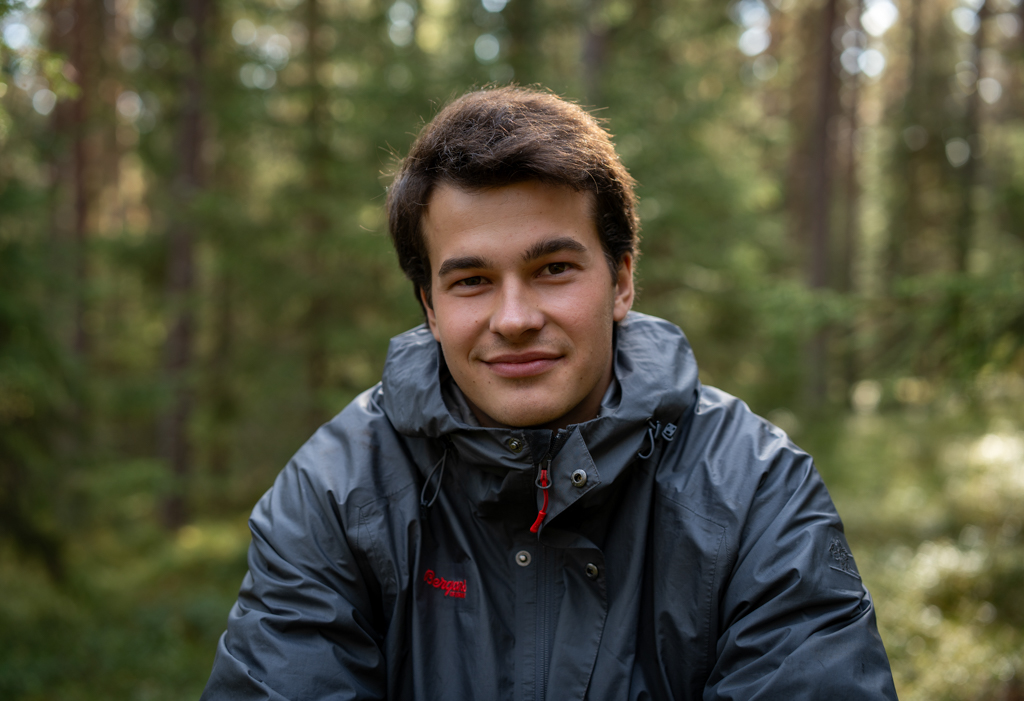
Forestry is a sector with great potential, especially considering the increased focus on sustainable solutions. I feel optimistic about job opportunities after my studies.
Evenstad stands out with its practical approach to the subjects, providing students with a solid foundation in both theory and fieldwork.
Karoline explains that she spends at least three days a week out in the forest, where she learns about management and sustainable use of natural resources.
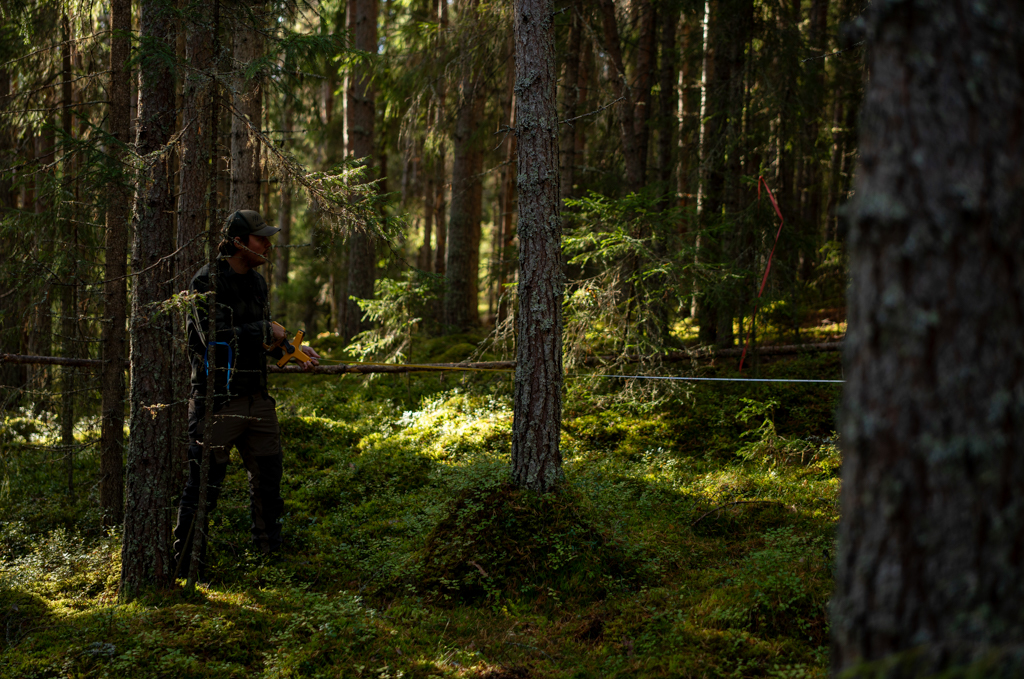
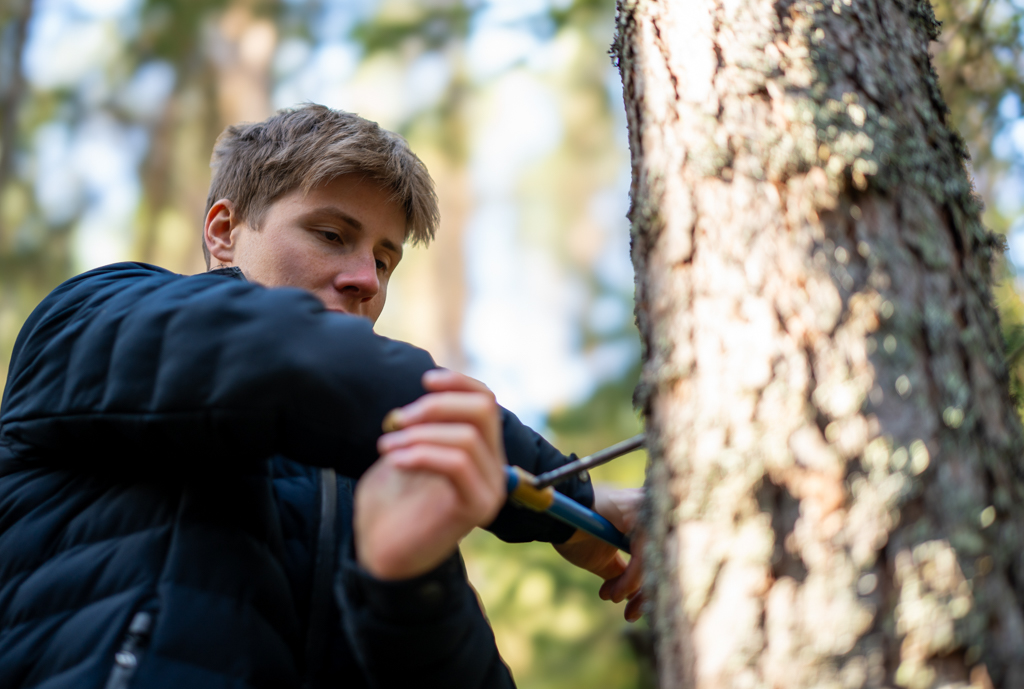
Student Eirik Olsen takes a wood sample from a pine tree to count the growth rings, allowing them to determine the age of the tree.
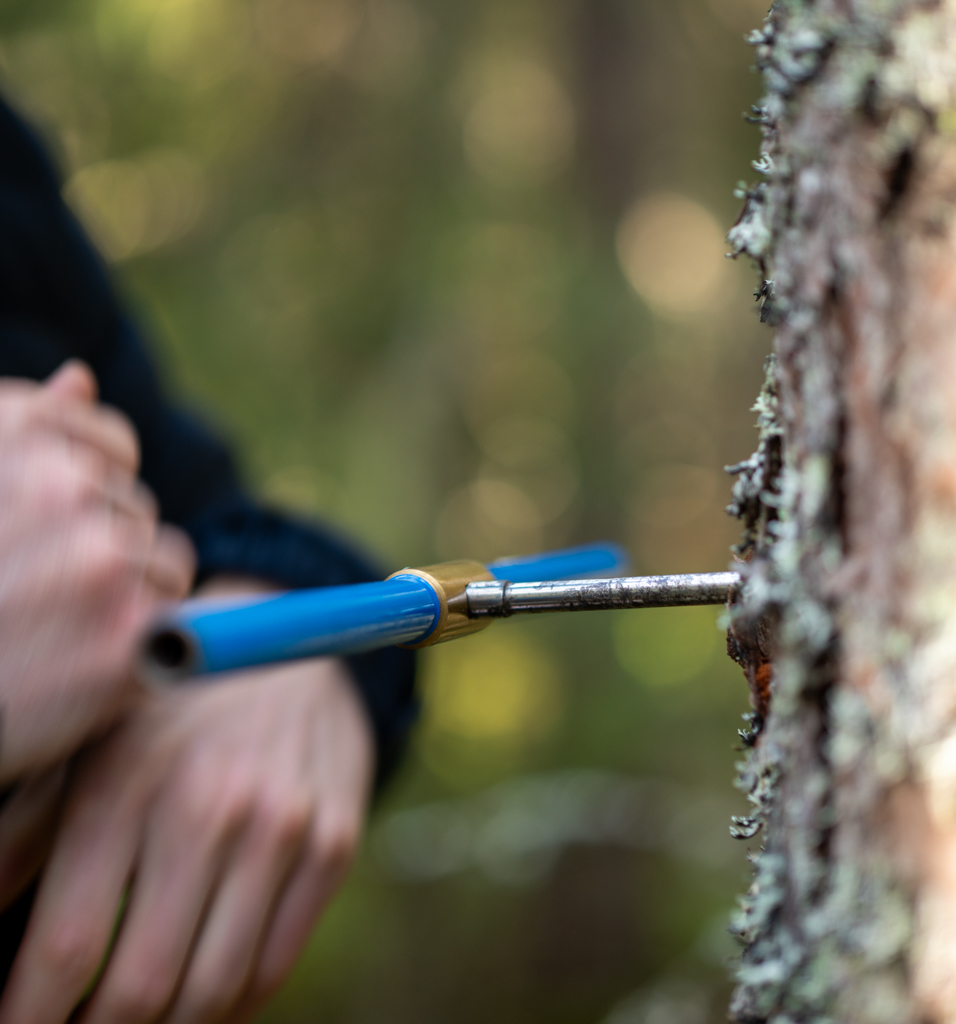
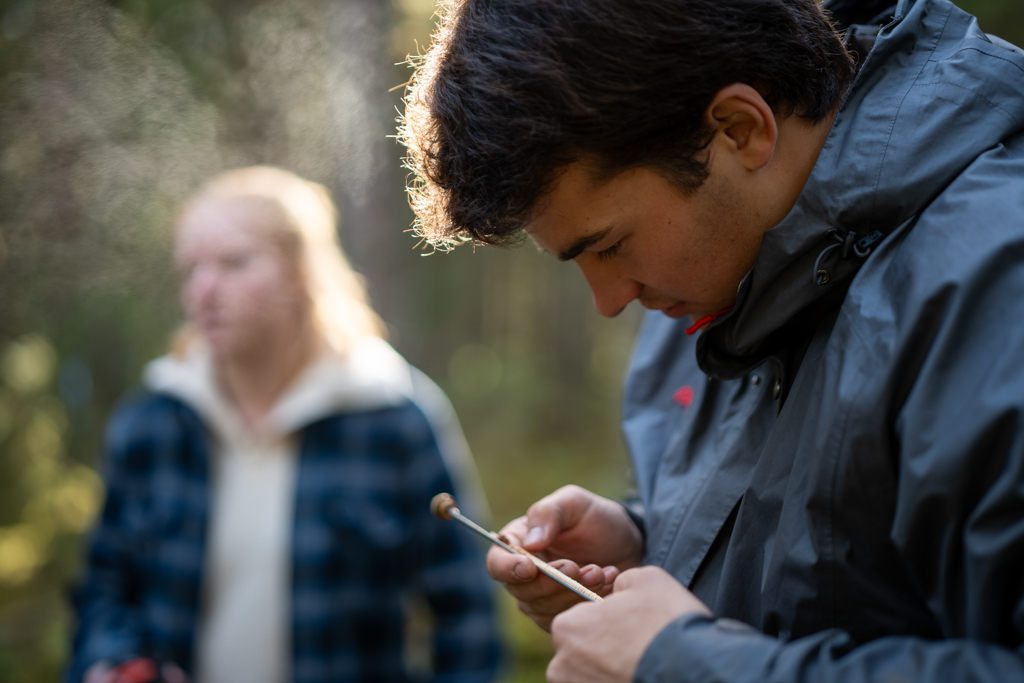
A lot of what we do involves fieldwork and measurements. We learn to use the forest in a sustainable way, and it is important that we understand how the forest develops. Oliver
Refining plant material is very exciting, and it is interesting to see the developments that have occurred in this field, as well as what might happen in the future. I am unsure if I want to specialise in this niche within forestry, but it certainly seems interesting.
Karoline
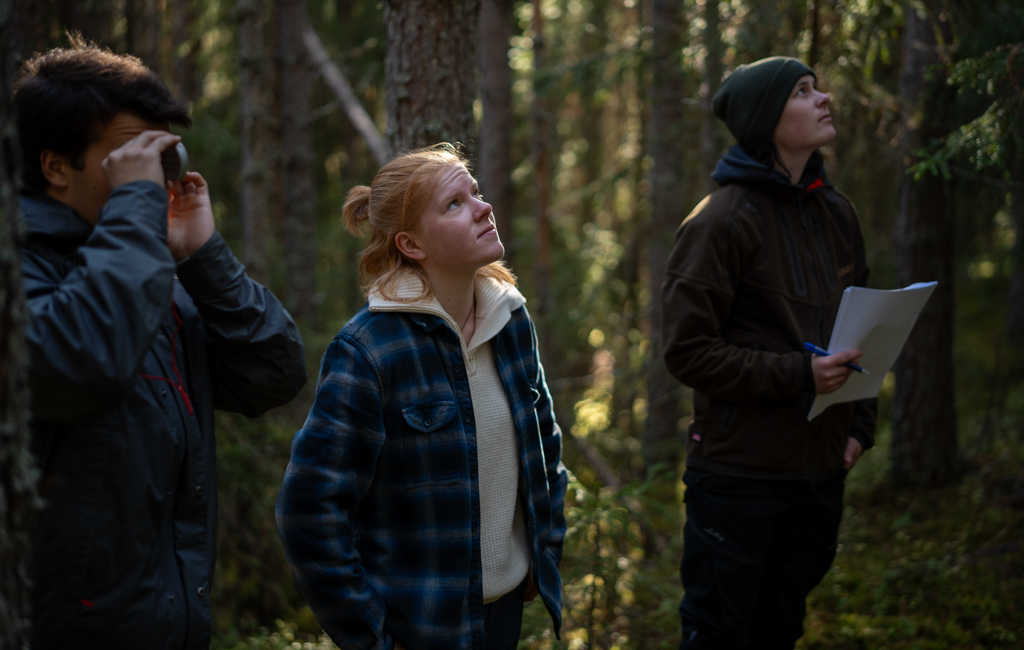
The forestry industry is rapidly evolving, and students like Karoline and Oliver are ready to be part of the ongoing innovation.
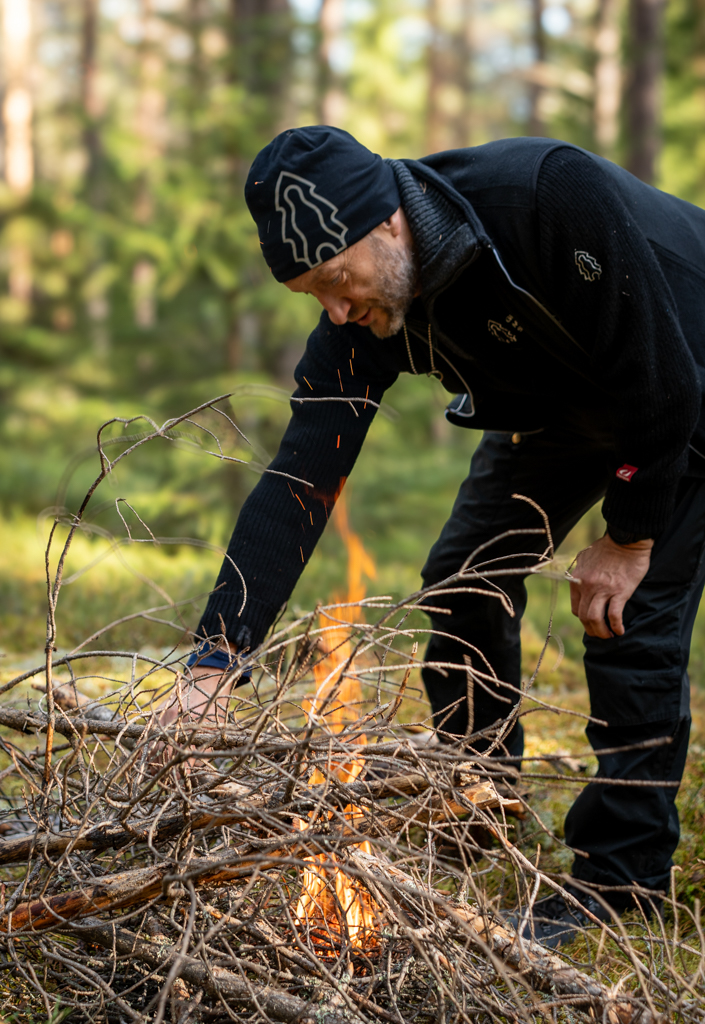
It is not all work and demanding schoolwork for the students. Lecturer Petter Nergaard lights a lunch bonfire for his students.
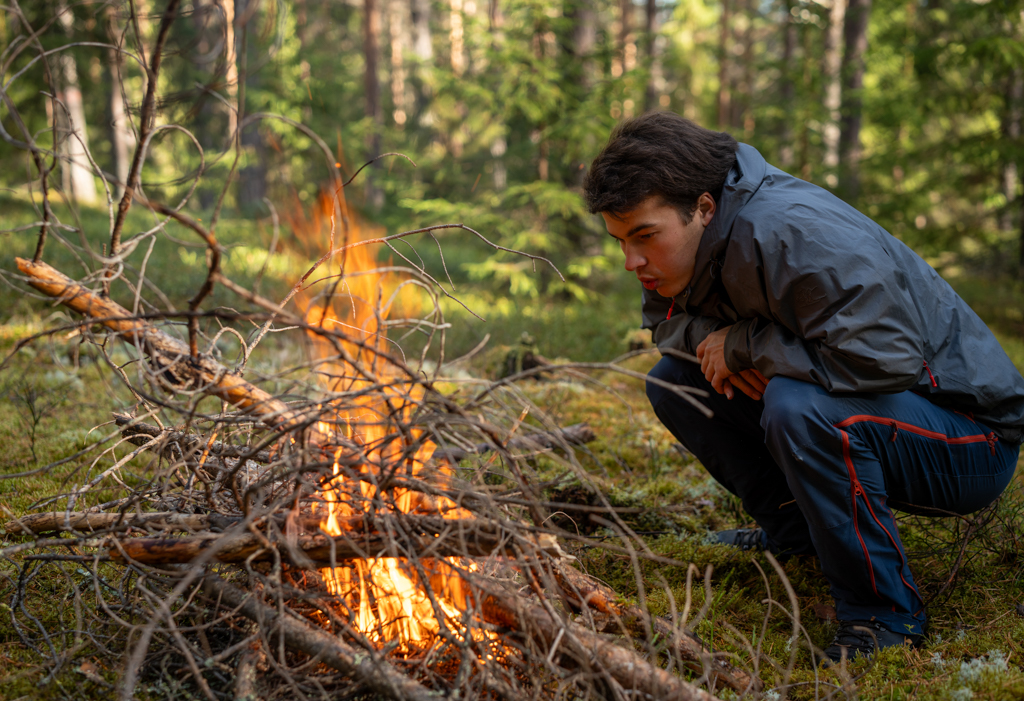
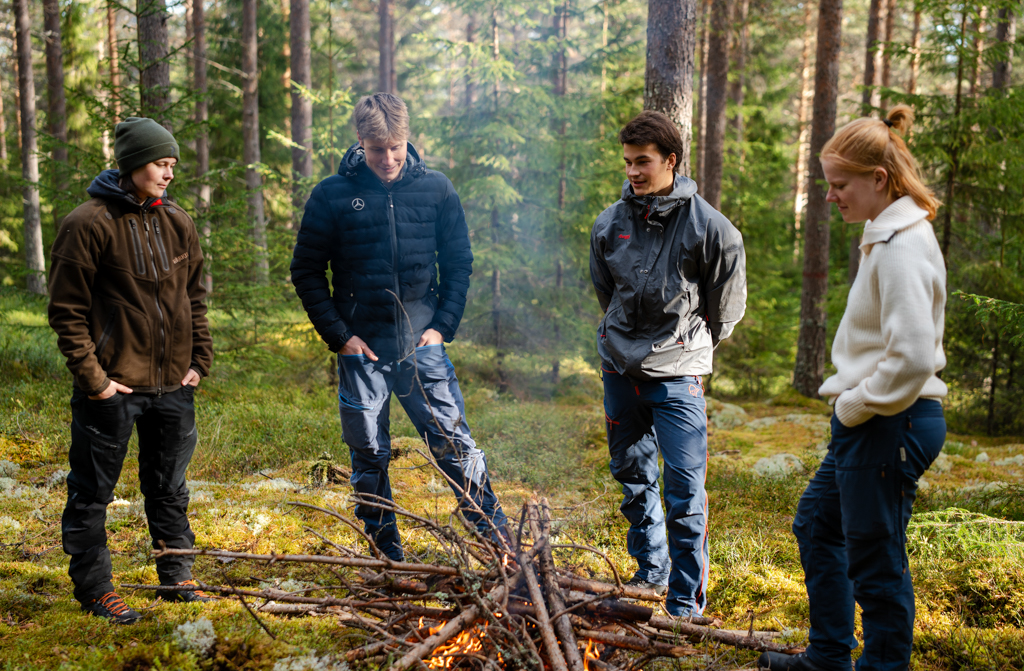
Madelen Gundersrud, Eirik Olsen, Oliver Nergaard, and Karoline Prøis Kagnes gather for a chat by the fire after completing the forest plot assessment.
We are a small class, and that is a great advantage. Everyone knows each other well, and the teachers make an effort to get to know us. This makes us feel comfortable asking for help and posing questions. This close relationship between students and teachers contributes to a safe and inclusive learning environment.
Karoline

The forestry industry is undergoing an exciting transformation. From being seen as a traditional sector, it has gained a more innovative profile, thanks to an increased interest in sustainability and technology. Forestry is no longer just for those who want to work with logging – there is a whole spectrum of opportunities, from product development and biotechnology to mechanical engineering and environmental management.
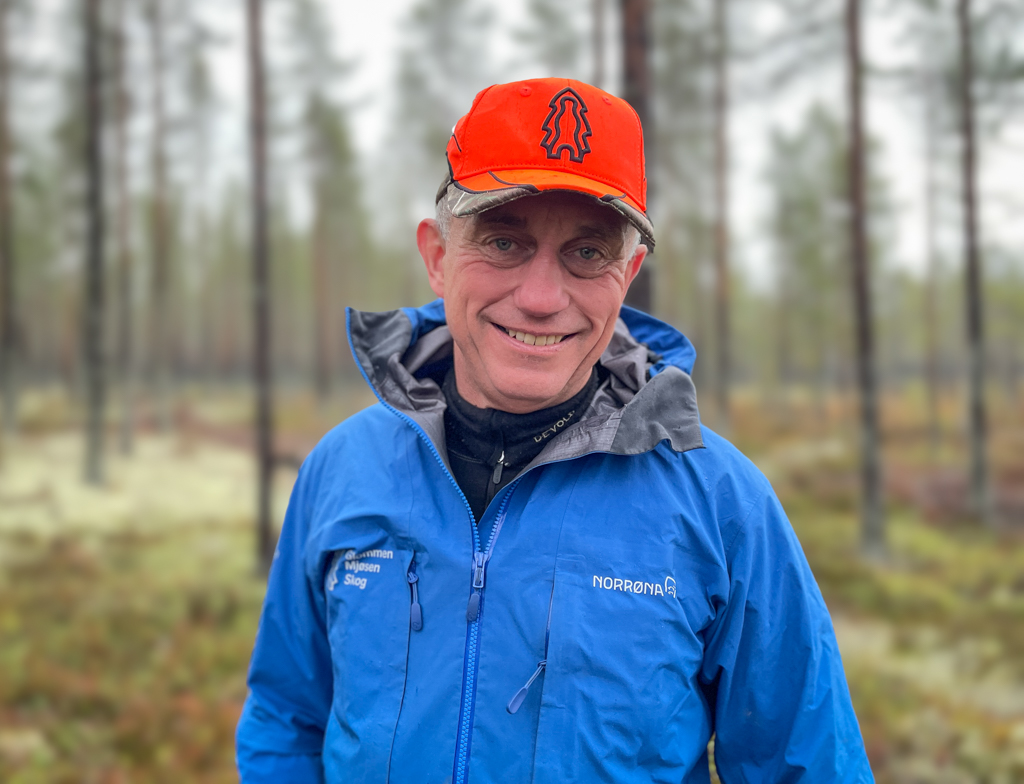
Through their studies, they will gain insight into the sustainable use of forest resources and the preservation of biological diversity. This is a key factor in forestry.
The challenge is to balance the studies between agriculture and the conservation of society. It is about finding a good balance so that the education provides a combination of knowledge about the many functions of the forest.
It is important to understand the processes for further processing of timber, which can be broadly divided into two parts: The mechanical part, which usually involves the coarser part of the tree trunk, where it is processed into planks and materials.
The other parts of the tree go to wood processing, which breaks down the components in the timber to extract chemical components. This can lead to the production of everything from clothing to cosmetics and food.
We in the industry must be accessible and ensure that students gain insight into what the industries entail and what their needs are. It is important to highlight that this is a very broad field that includes high technology, economics, and customer orientation in addition to forestry expertise.
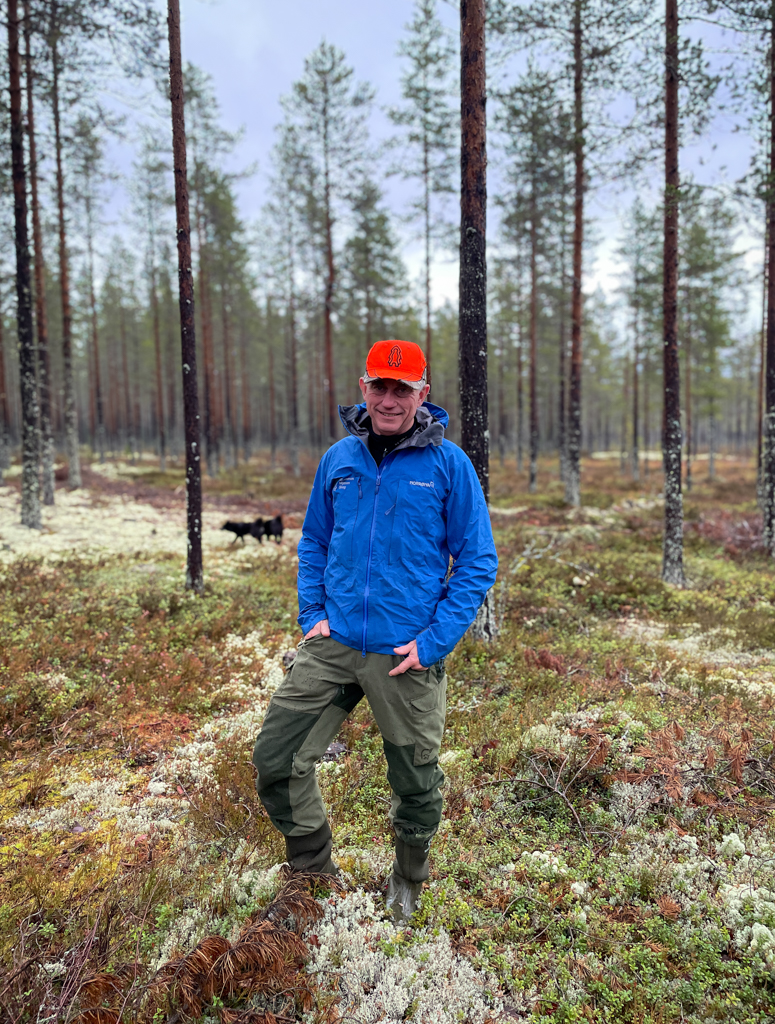
Forestry is about using natural resources responsibly and finding the right balance between economic value, proper management, the environment, and jobs.
Gudmund is clear that the industry needs competent people who can think innovatively:
There is enormous potential in wood-based products. We see that more young people are now becoming aware of the opportunities in the forestry industry, both to contribute to sustainable solutions and to build careers in an industry that needs new expertise.
Nordtun points out that Norway still has some way to go in terms of further processing of timber, but sees a bright future for those who can contribute to the development of new, sustainable solutions.
Forestry is a growing field, and with an increased focus on sustainability and technology, the future is bright for those who choose to pursue it. With both innovation and tradition on its side, the forestry industry can play an important role in the transition to a more sustainable world. The green path lies open.
Learn more:
Made by:
/english/news/from-oil-to-forests/index.html, 276:3: ${include:contact}: https://www.inn.no/english/find-an-employee/halvor-mykleby.html?vrtx=vcf does not exist

- nan.kolby@inn.no
- Phone
- +47 62 43 03 26

- hedda.smedbold@inn.no
- Phone
- +47 62 51 77 74