
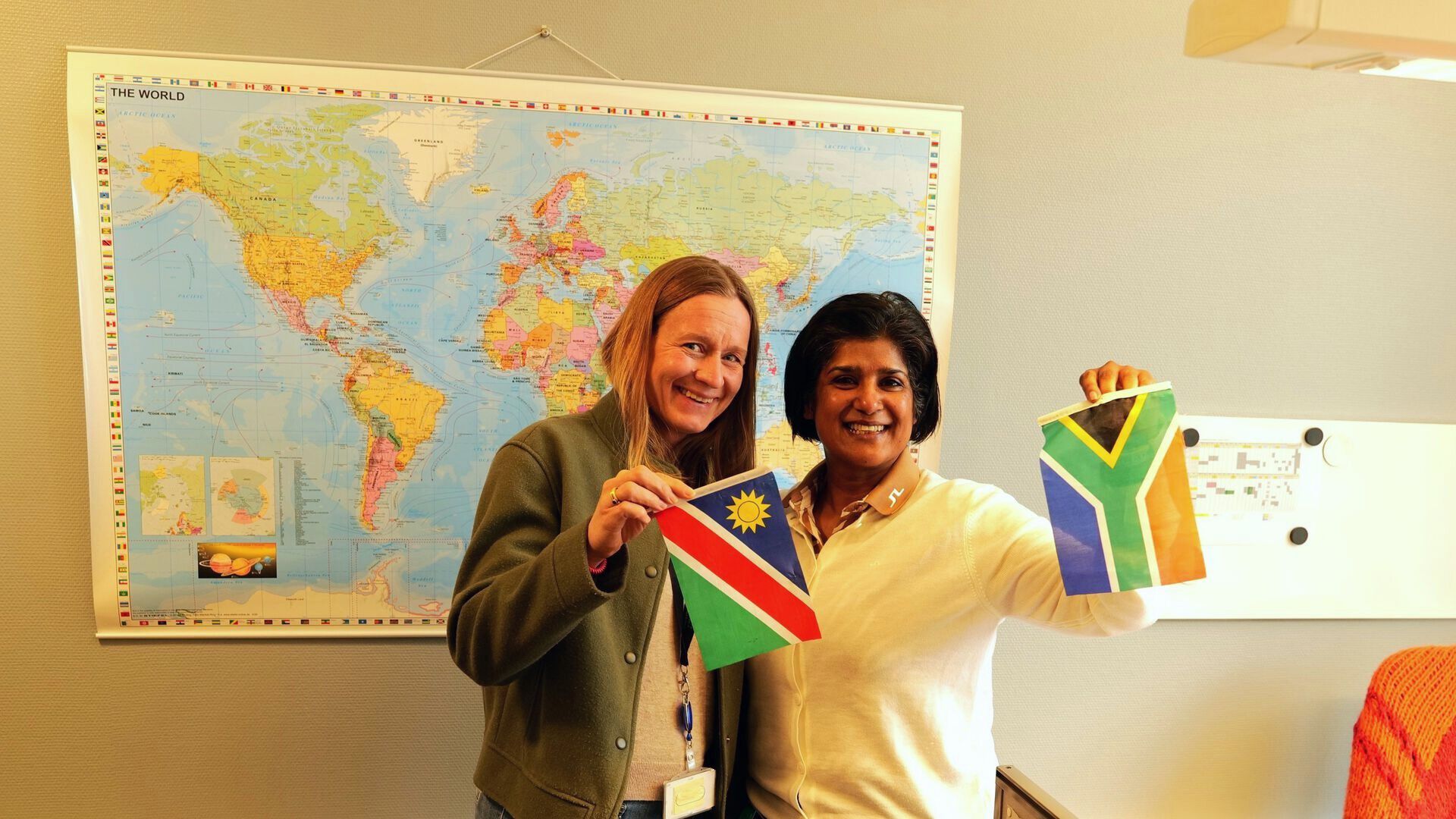
"The funding is structured so that incoming students from Namibia and South Africa will have the opportunity to come to Norway. They do not have a system like the Norwegian State Educational Loan Fund (Lånekassen), which covers tuition fees and living expenses, so it has been financially challenging to send students to us," explains Sevika Stensby, project manager for GLOMIND.
GLOMIND (Global Mindset) is an internationalisation project at the Faculty of Education at the University of Inland Norway (INN). It focuses on the Global South and on integrating diverse perspectives into education.
Lack of Reciprocity
Erasmus+ has granted the project a total of €169,076, equivalent to nearly two million Norwegian kroner, for the project period from August 2025 to July 2028.
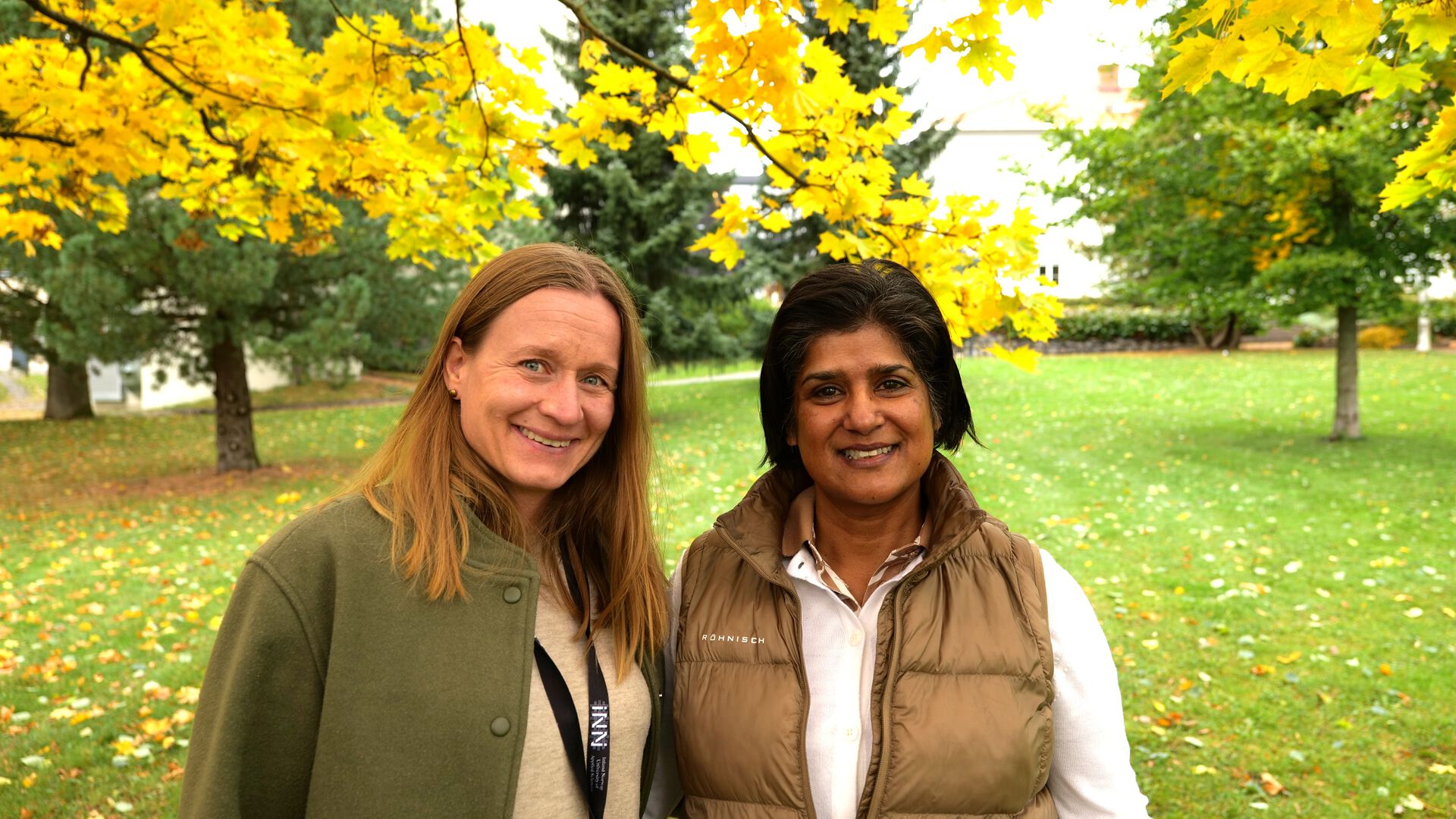
The funds will primarily be used to support incoming mobility for students and staff from our partner institutions, the University of Namibia (UNAM) and the University of KwaZulu-Natal (UKZN).
Advisor Bente Knippa Vestad and Associate Professor Knut Øystein Høvik serve as academic contacts in the project, being responsible for the subjects offered to incoming students: Education for Diversity and Sustainable Living (EDSL), Cultural Expressions in English, and Indigenous Texts in English.
"Reciprocity is a prerequisite for internationalisation and quality in education. We need to meet, get to know people different from ourselves, and collaborate across borders if we are to tackle the global challenges we face today. The climate goals, for instance, are central here," says Vestad, adding:
"The project also strengthens internationalisation at home, as the majority of our students do not travel abroad."
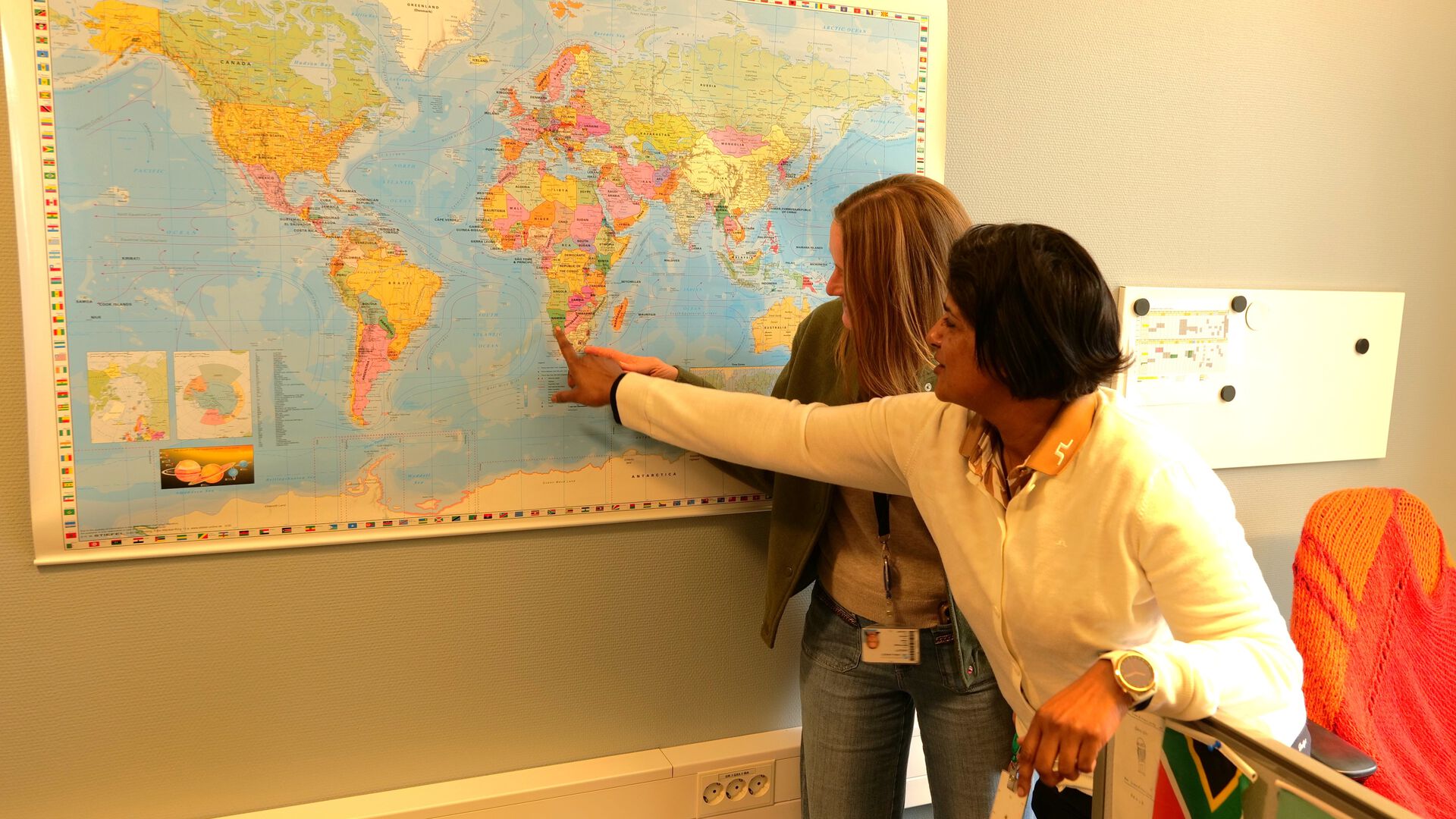
A distinctive feature of GLOMIND is that it includes two partners from the Global South, thereby strengthening South–South cooperation. This allows student and academic communities in the partner countries to exchange knowledge and build networks among themselves, while INN becomes part of a broader collaboration that promotes sustainability and reciprocity.
There are also strong historical ties between Norway and Namibia, particularly in the Innlandet region. The Namibia Association, headquartered in Elverum, was established in 1980 in solidarity with Namibia’s struggle for independence and against apartheid. Today, the association’s main focus is education, with INN as a key partner.
"We’ve previously seen how Norwegian teaching methods have been introduced in Namibia after students completed placements here. For instance, play-based learning is common in Norwegian schools but not a tradition in Namibian education. It’s quite amazing that teacher students bring such approaches to communities so far away – it really shows the impact these exchanges can have," says Stensby.
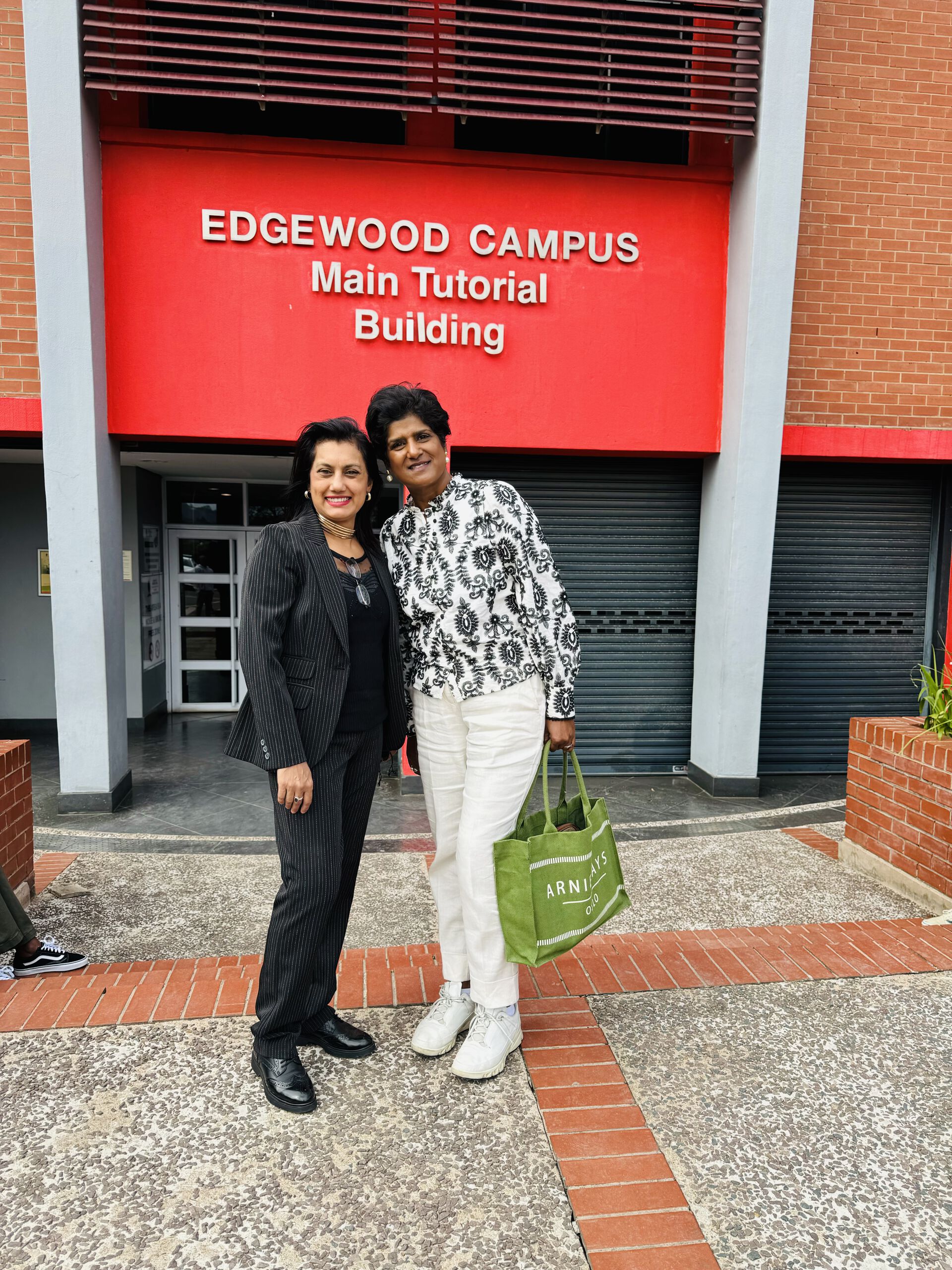
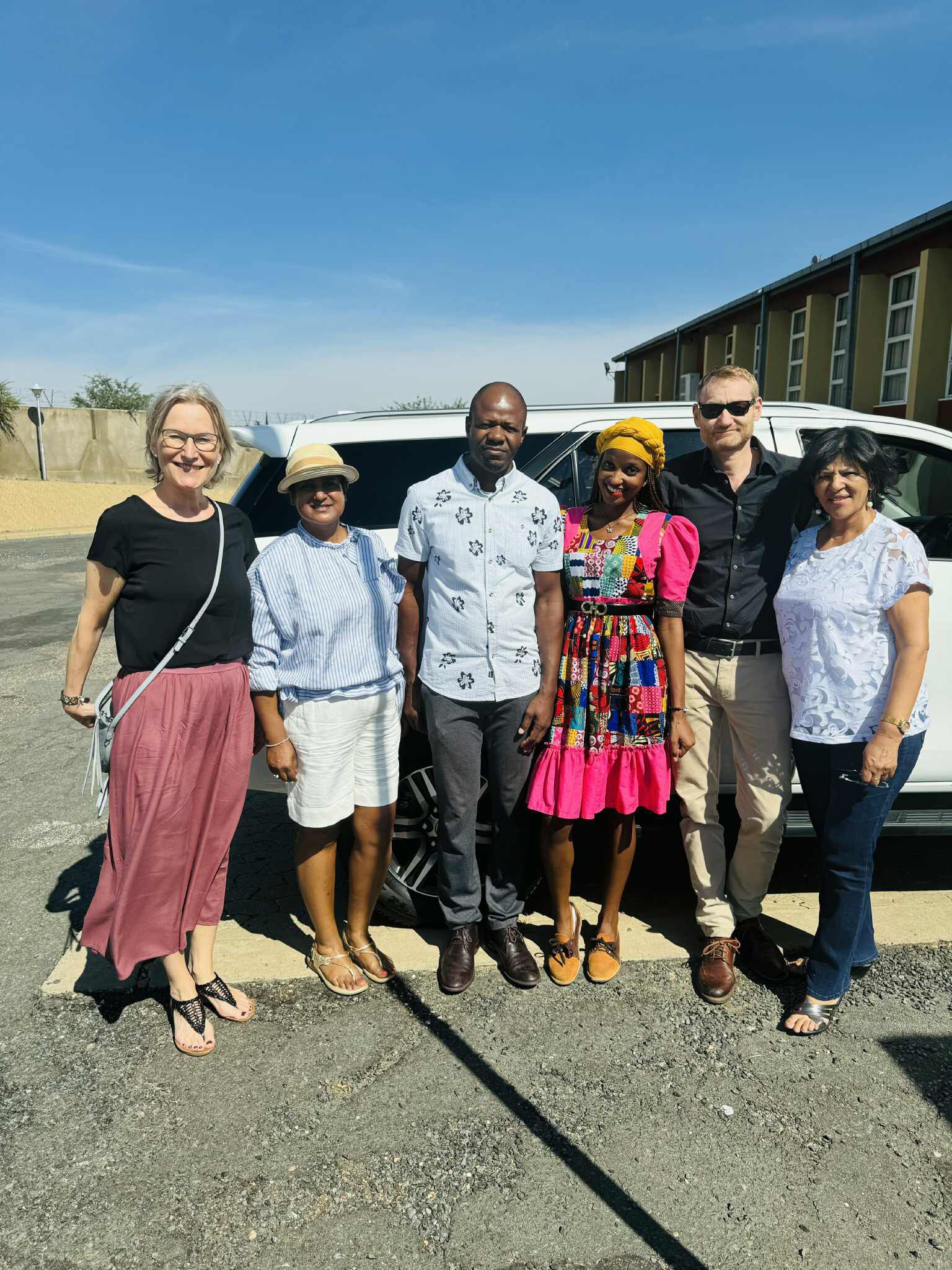
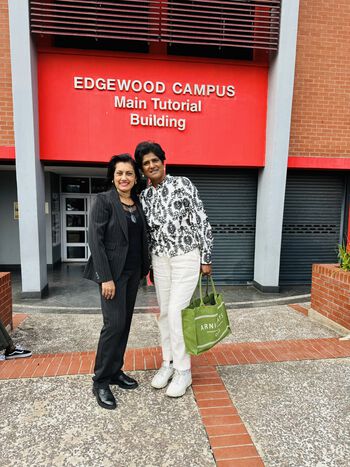
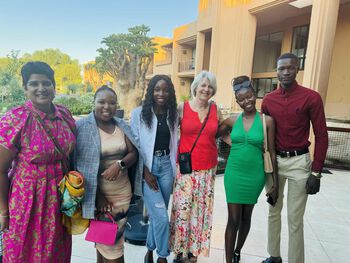
Sadhana Manik from UKZN, who is a partner in GLOMIND, together with project manager Sevika Stensby.
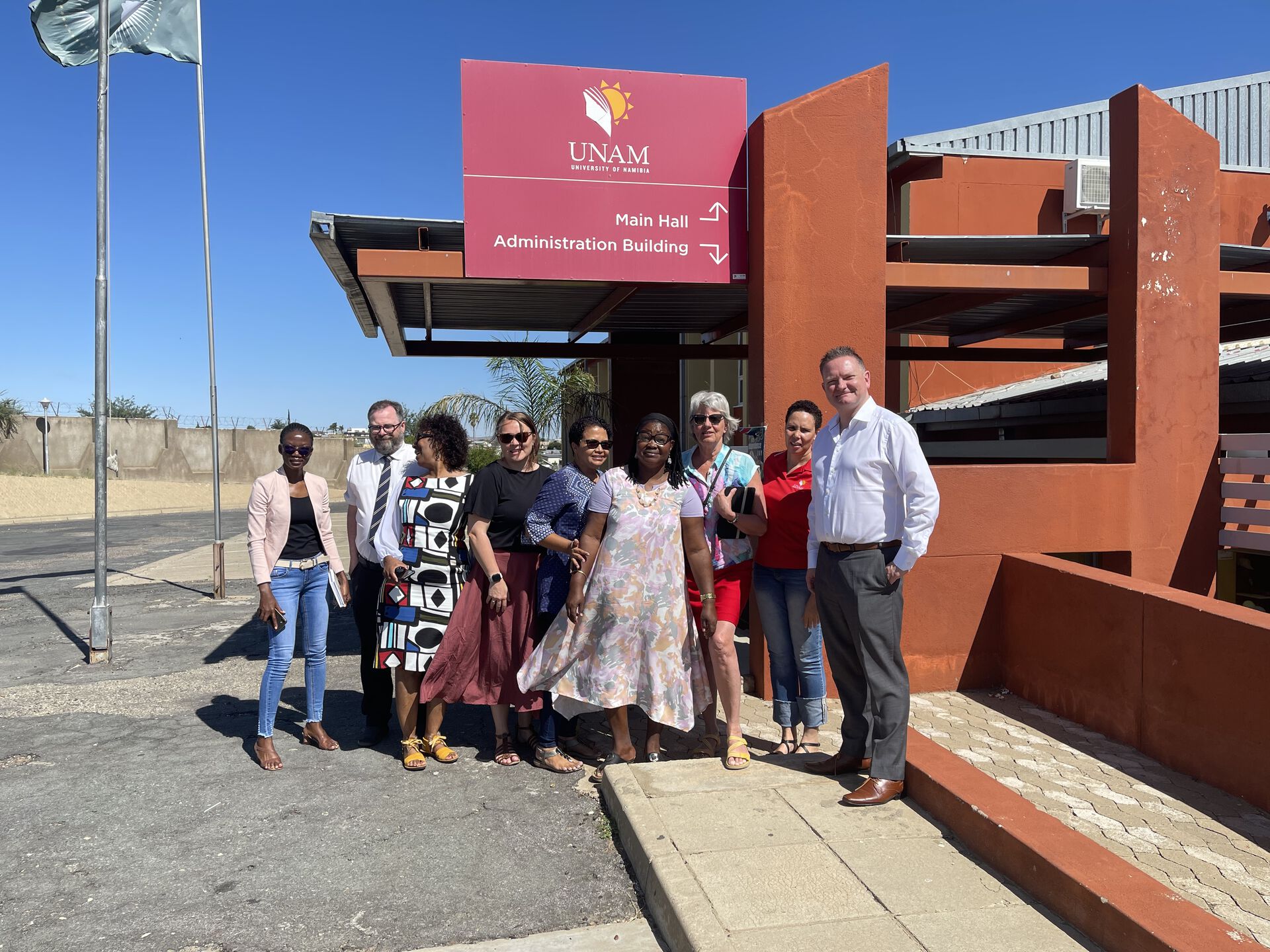
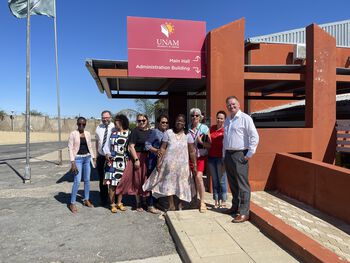
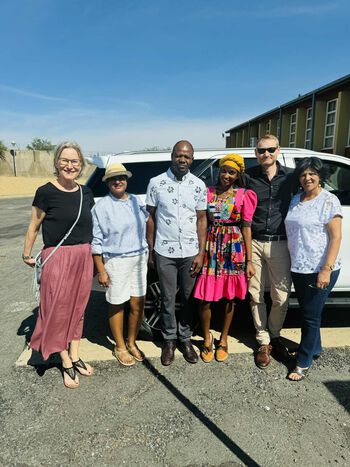
Partners from UNAM in Windhoek.
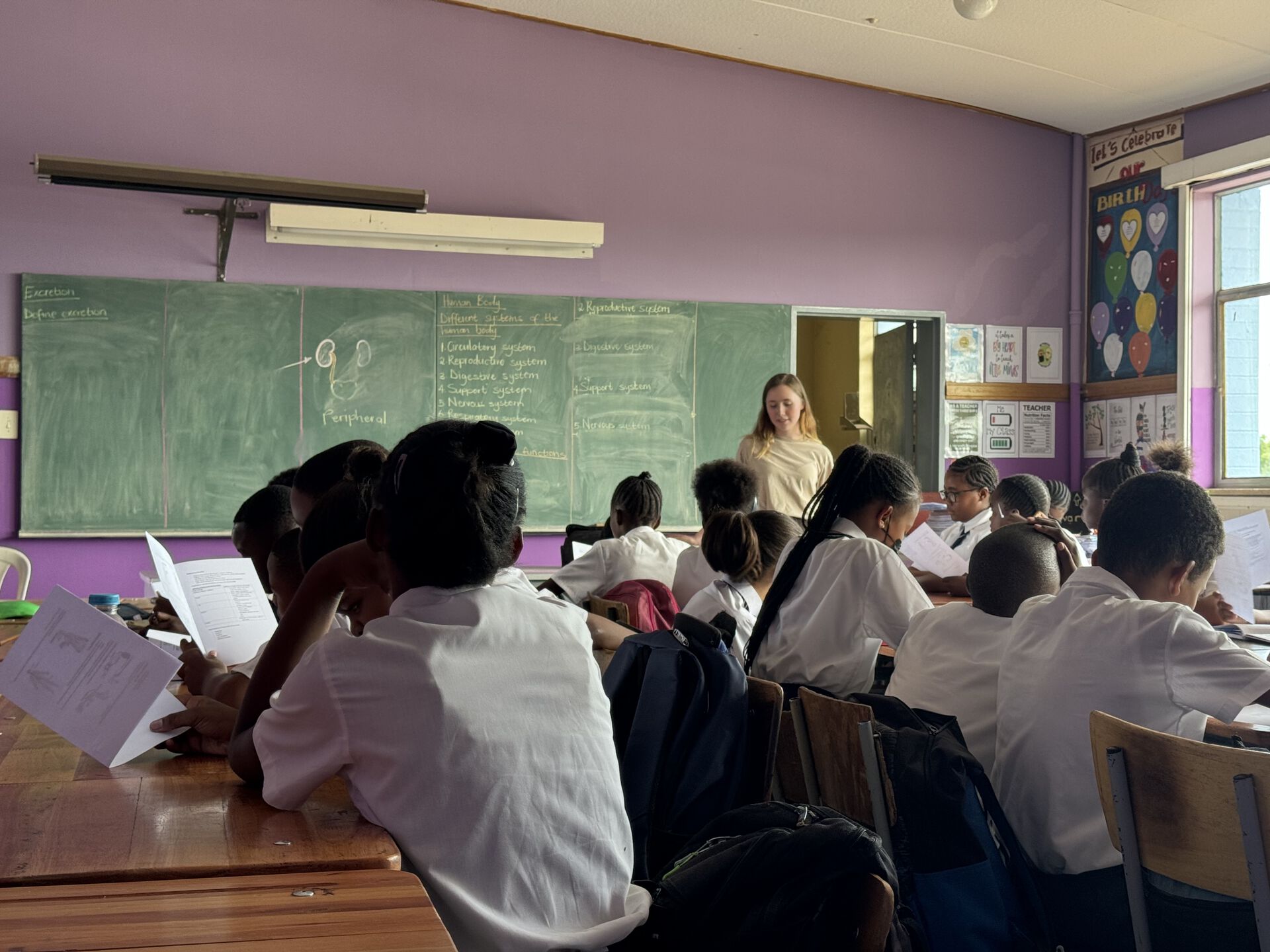
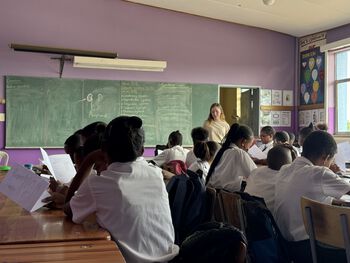
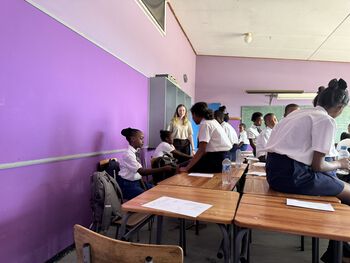
Norwegian student Hanne Skoglund doing her internship at a school in Windhoek.
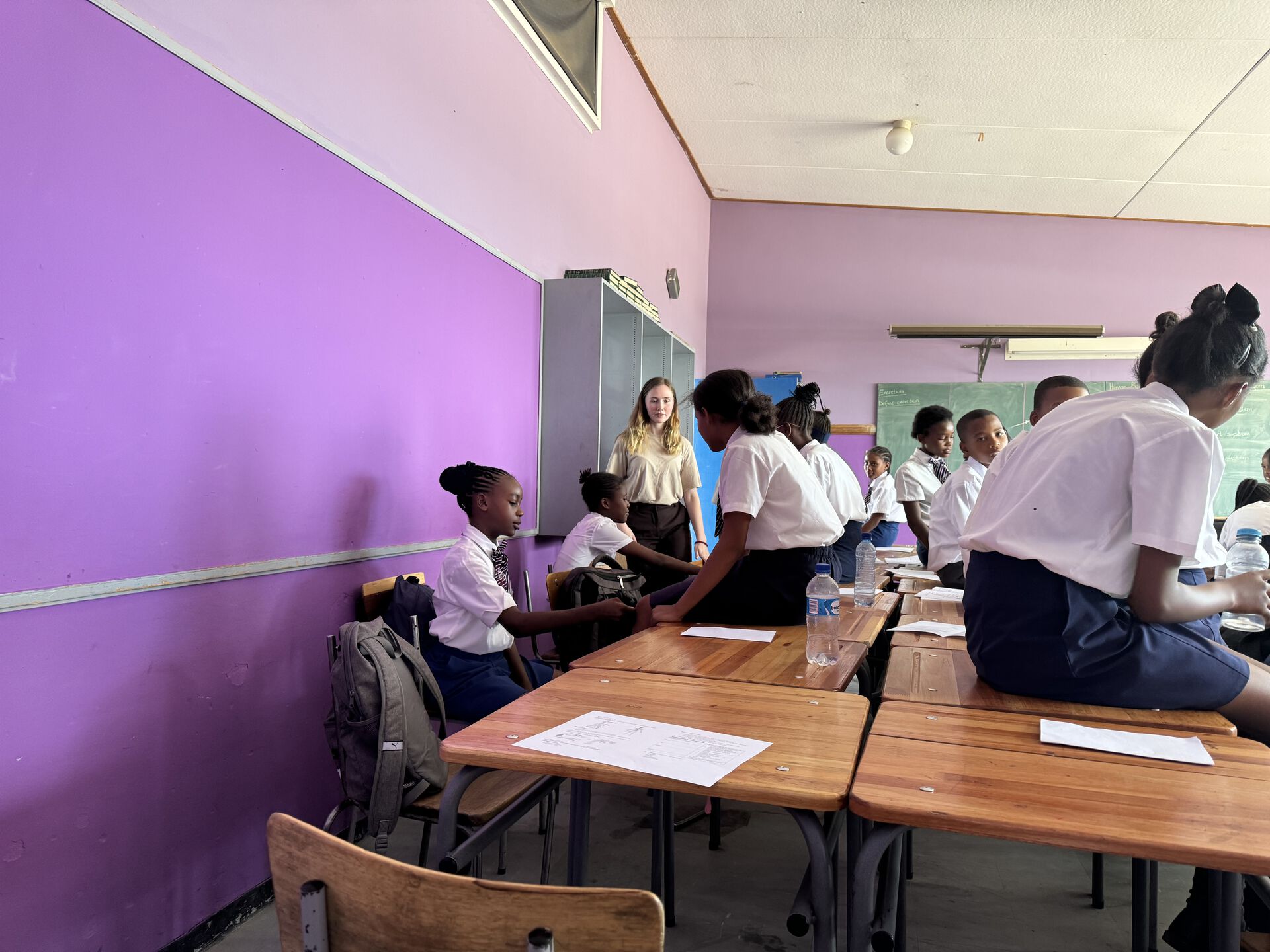
Norwegian student Hanne Skoglund on internship in Windhoek.
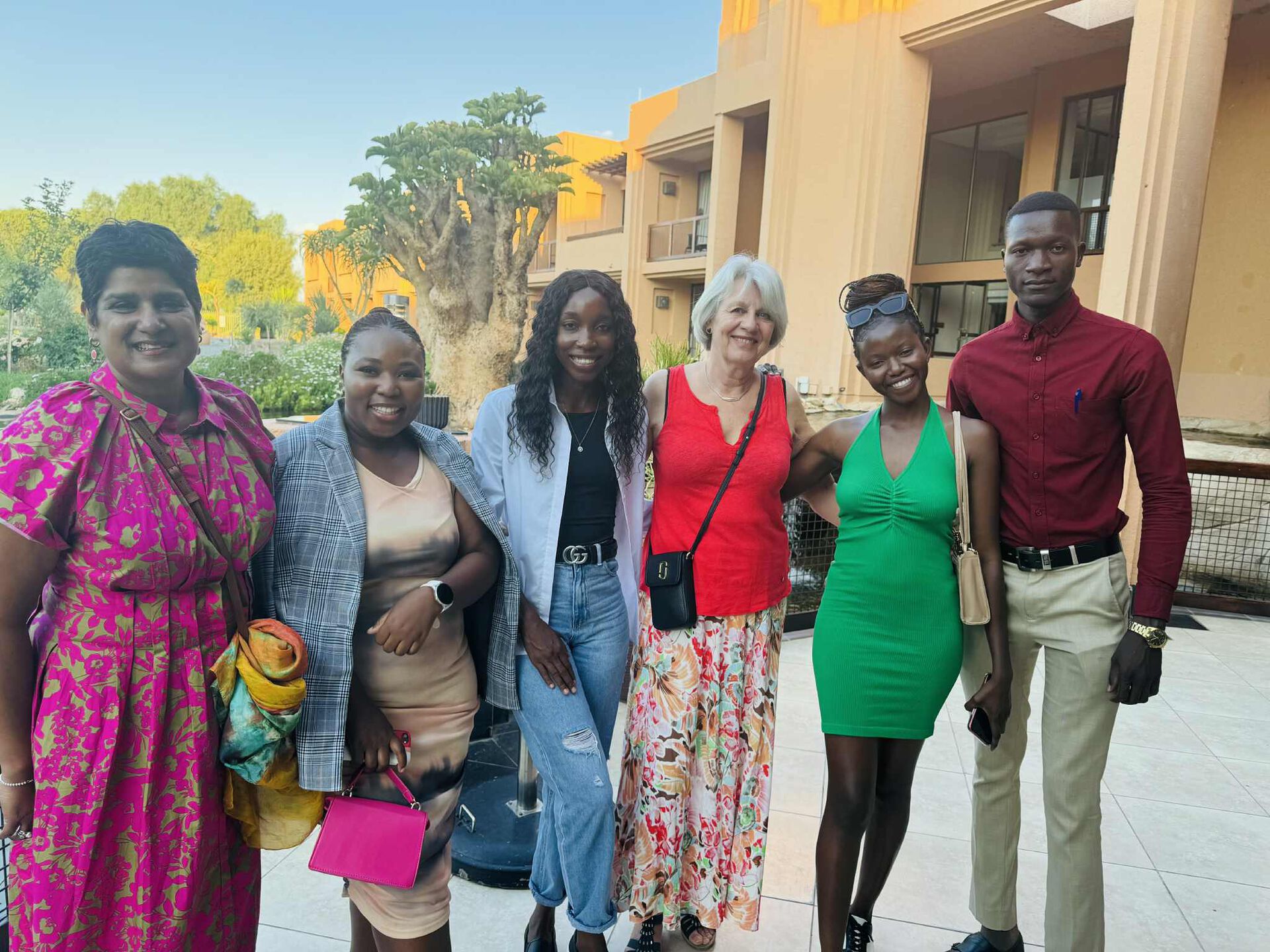
Namibian students who took part in an exchange in Norway under the previous NOTED project. From left: Sevika Stensby, Tomby Toromba, Ester Nyambali, Professor Gerd Wikan, Kristine Mwalunga, and Ben Kamati.
Sevika Stensby at UNAM with Colin Tjitemisa, who is a partner in the GLOMIND project.
Internationalisation requires dedicated people
"I believe internationalisation should be an integrated part of quality work – in both research and education – not something in addition to our main activities. It shouldn’t rely on 'enthusiasts' to drive it; there should be a culture of internationalisation throughout the institution. This is even more relevant now that we’ve become a university. As things stand, the work requires long hours and a lot of persistence to gain traction," says Stensby.
Thus, Internationalisation does not happen on its own, despite being clearly anchored in strategic and political frameworks. There are various challenges that affect this work – structural, cultural, and practical alike.
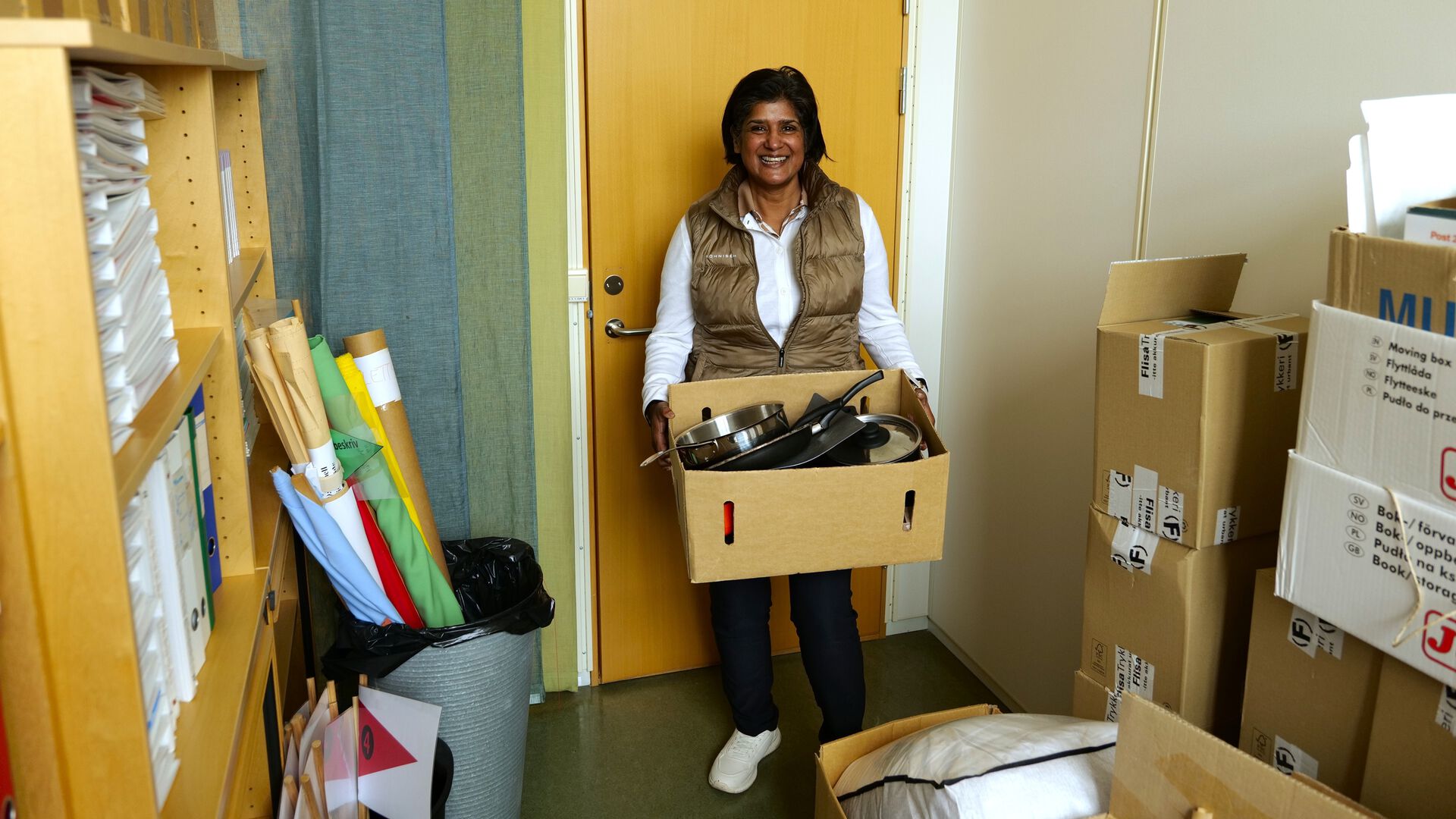
Stensby has at times even solved the shortage and high cost of short-term housing in Hamar by opening her own home to visiting students.
"It often means trips to the train station to meet students who may have travelled for 15 hours, making sure they get something to eat and are settled into accommodation. Many services in Norway also require a bank account, which can be difficult for visiting students to obtain. So there are quite a few errands to run on their behalf during their stay," adds Vestad.
Vestad’s commitment to internationalisation is also evident in her daily work at the Centre for Collaborative Learning for Sustainable Development (CCL). The centre was awarded the UNESCO Chair on Education for Sustainable Lifestyles in 2015, renewed in 2019 and again in 2023.
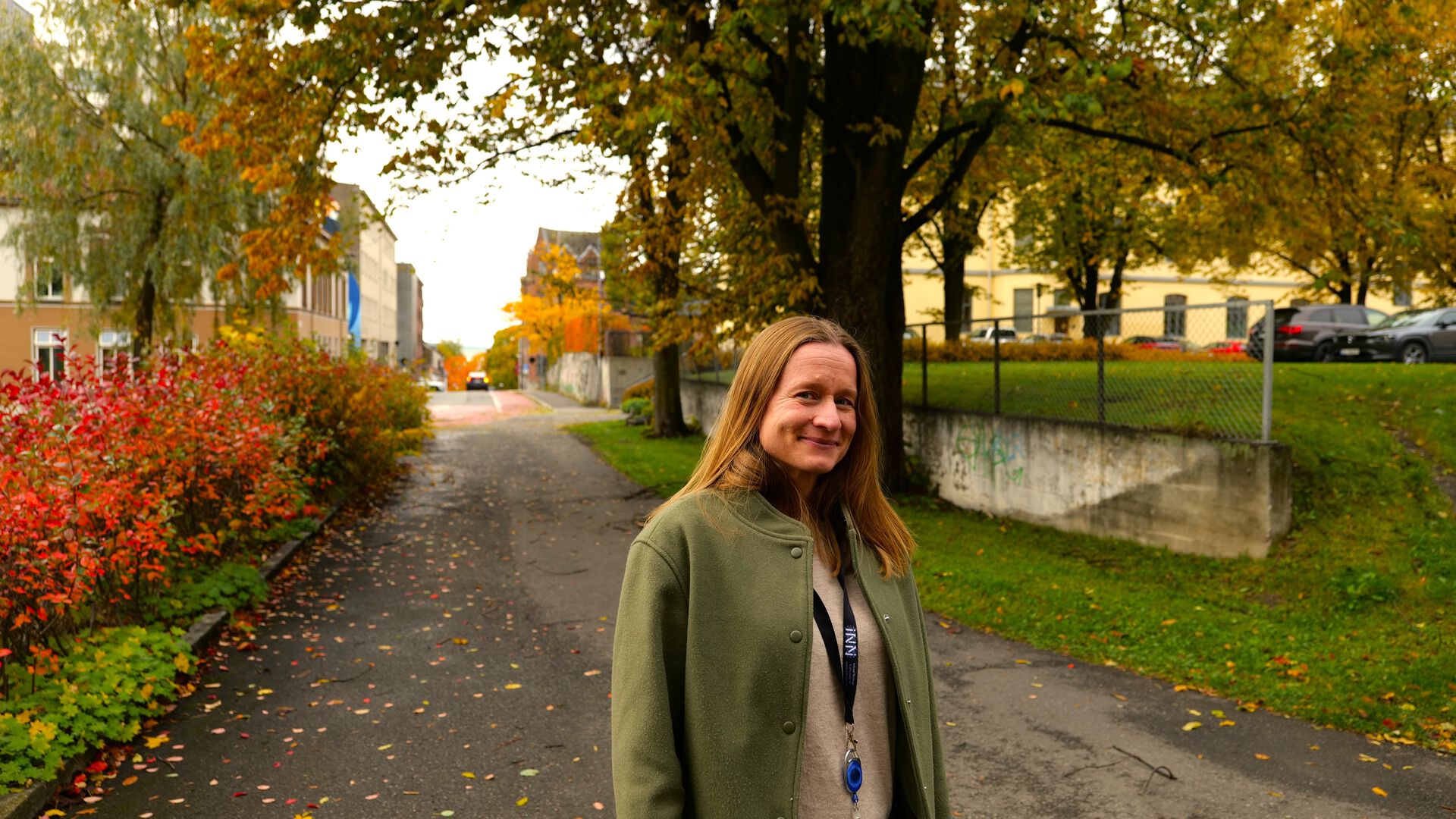
"I wish to see structures and a culture that make international collaboration at INN more feasible. We know such cooperation yields great results and that we fulfil many of our university’s mandates through internationalisation in teaching, research, and community engagement," says Vestad.
GLOMIND is a prime example of what can be achieved when dedicated people work purposefully towards internationalisation and reciprocity. INN looks forward to welcoming more students and staff from Namibia and South Africa over the next three years.
Read more:
- Faculty of Education
- Education for Diversity and Sustainable Living (EDSL)
- Centre for Collaborative Learning for Sustainable Development (CCL)
Contact information:

- sevika.stensby@inn.no
- Phone
- +47 62 59 79 25

- bente.vestad@inn.no
- Phone
- +47 62 59 79 39