
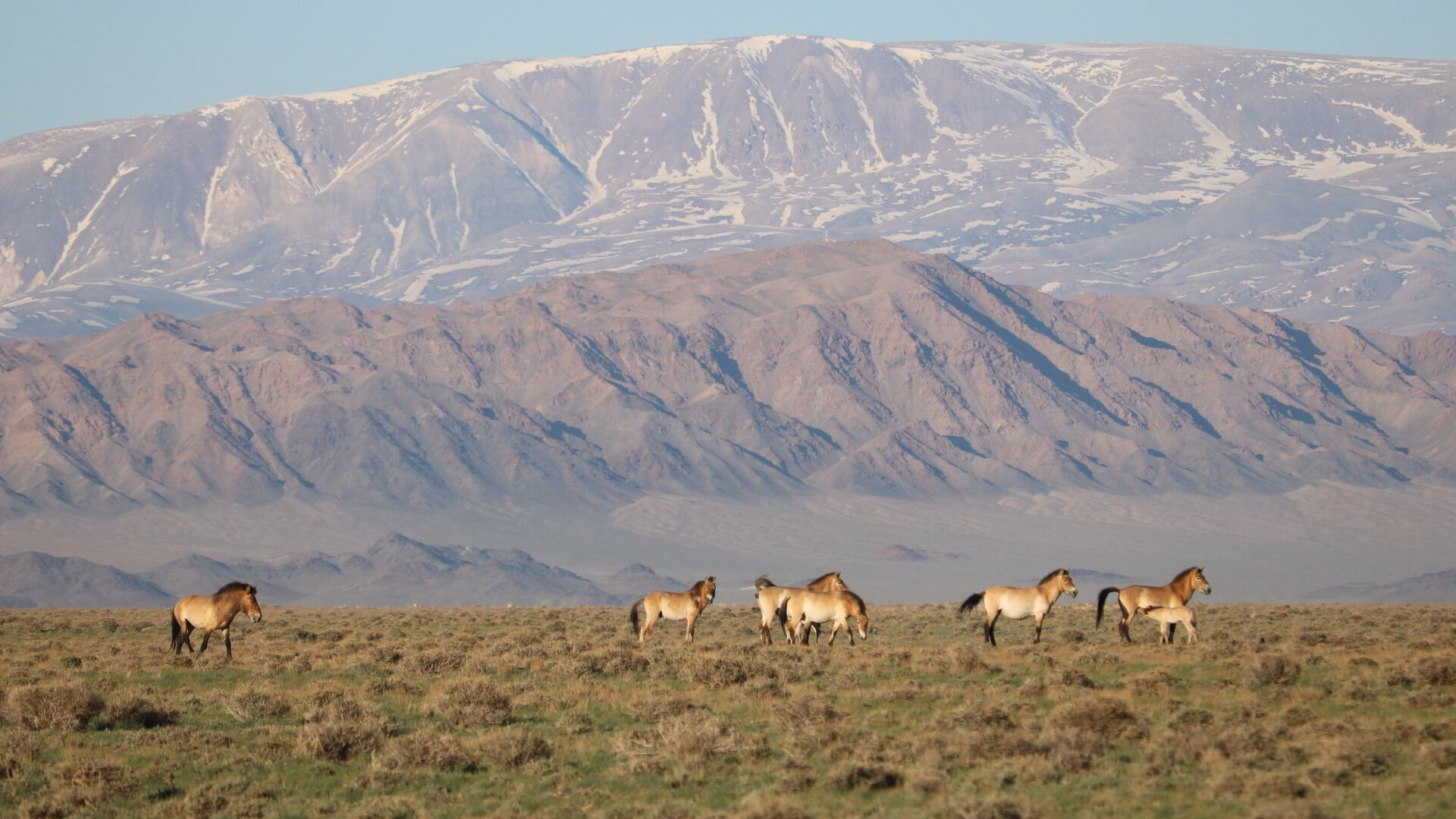
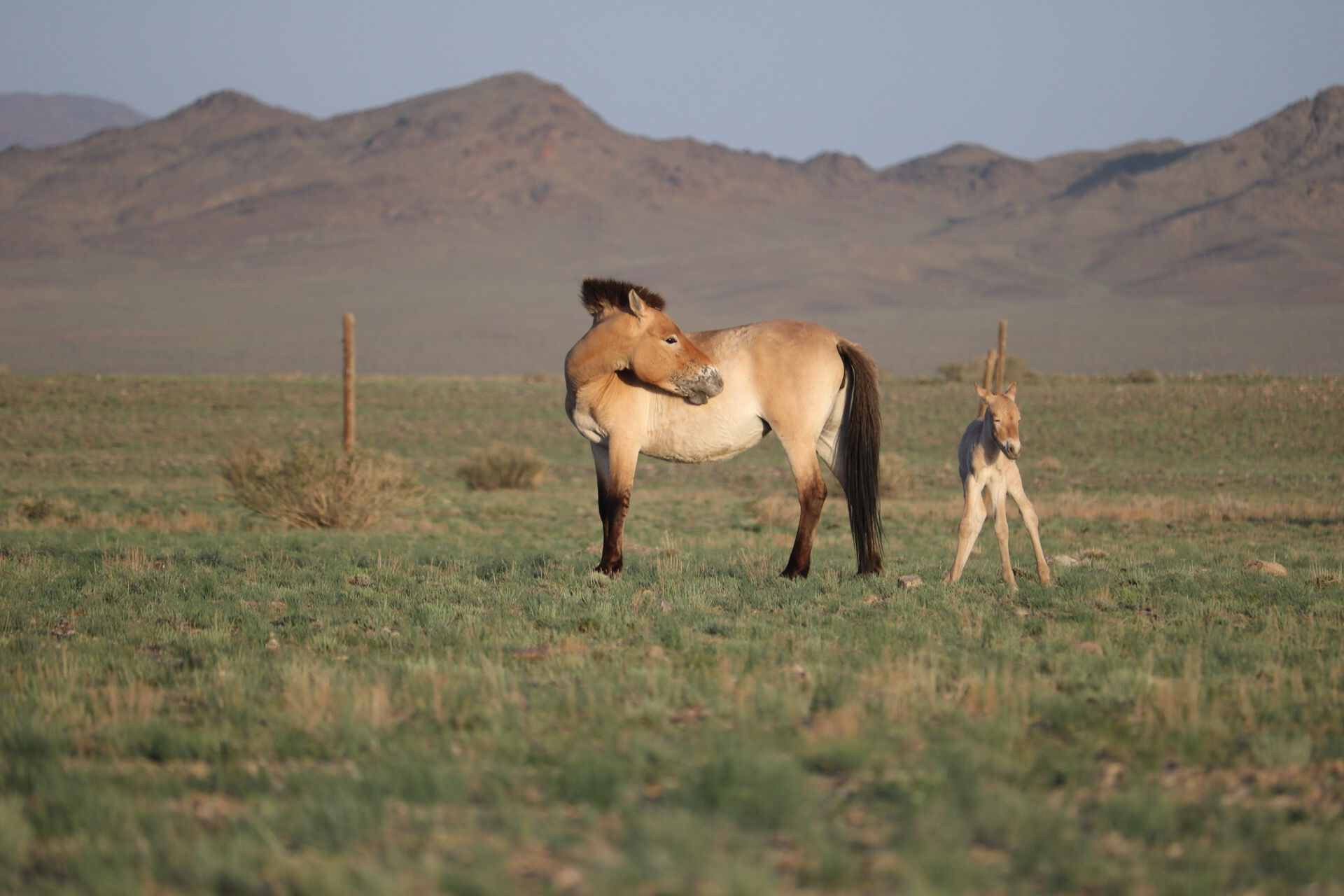
"The Przewalski's horse, also called the Takhi horse, is native to Central Asia. After surviving predominantly in zoos, the species has been reintroduced to the Mongolian Gobi since 1992," explains Petra Kaczensky, professor at the University of Inland Norway (INN).
Kaczensky works at the Faculty of Applied Ecology, Agricultural Sciences and Biotechnology. Her research is heavily focused on large mammal conservation, and she has been working in Mongolia with the International Takhi Group (ITG) and Great Gobi B administration for almost 25 years.
From Evenstad to the Gobi Desert
"I have loved horses my whole life, and from a young age I was fascinated by the Przewalski’s horse. When Petra gave a presentation about her work with the ITG, I knew immediately that I wanted to get involved," says Fay Goedbloed, one of the interns.
Goedbloed is a Dutch student and did an exchange semester at INN's Evenstad campus, in Boreal Forest and Wildlife Management. After her semester in Norway and meeting Professor Kaczensky, she was offered a three-month internship in Mongolia.
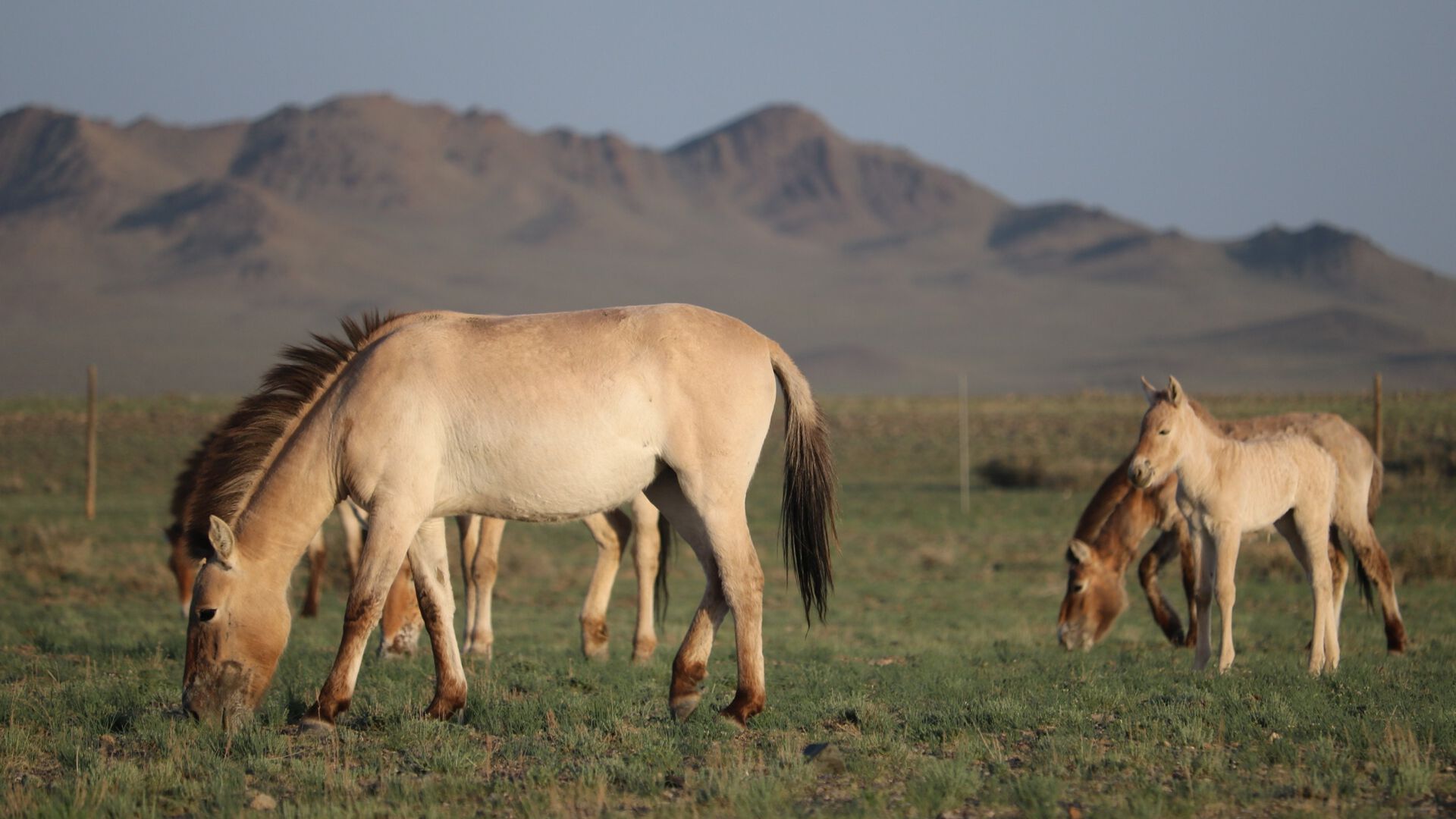
She has no doubts regarding her favourite experience from the stay:
"The best part, without question, was seeing the Przewalski’s horse in the wild, a lifelong dream come true."
The work for students in Mongolia involves camera trapping at water points in the Great Gobi B, for long-term monitoring of biodiversity of medium and large sized mammals and birds.
Water is a key resource in the desert environment and attracts a lot of species, thus making detection easier in this huge landscape where resources are scarce and consequently population animal densities are low.
"Although the Przewalski’s horse is the umbrella species of Great Gobi B, many other endemic, rare, and threatened species are found here. Monitoring is important to understand the impact of climate change and anthropogenic pressures and assess the success of conservation measures," Kaczensky explains.
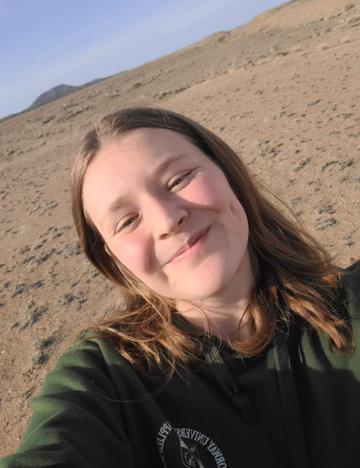
"Mongolia is a stunning country, and its people are exceptionally kind. I made many friends and had so much fun exploring a new culture," says Goedbloed.
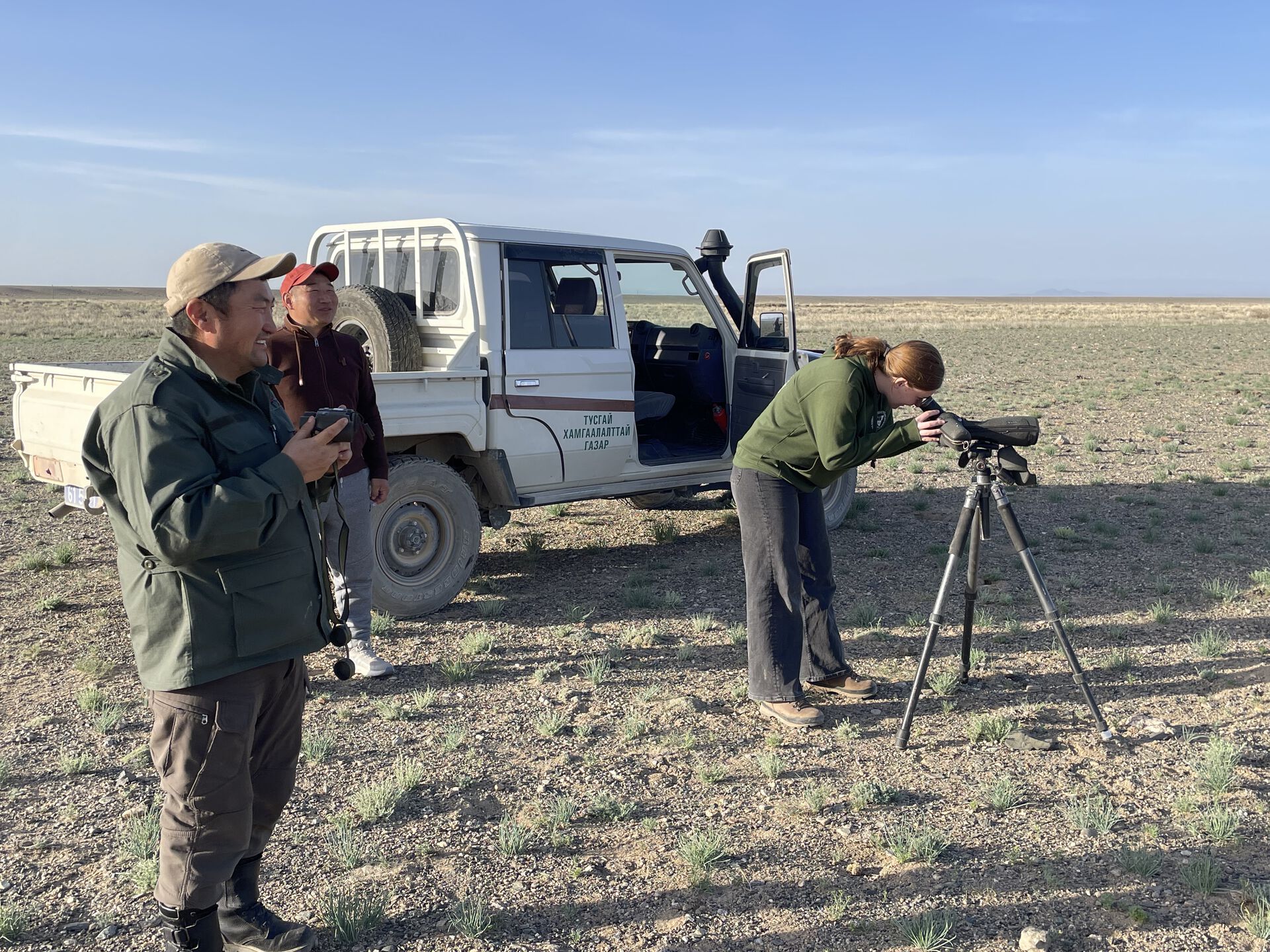
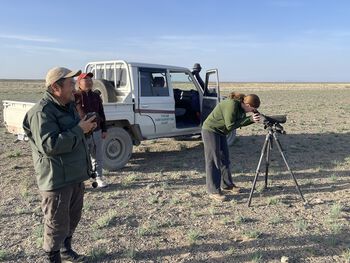
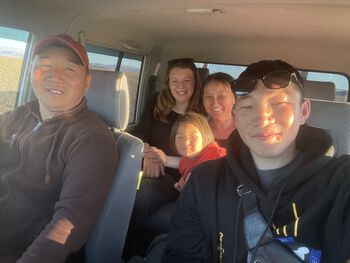
Goedbloed with rangers in the Great Gobi B.
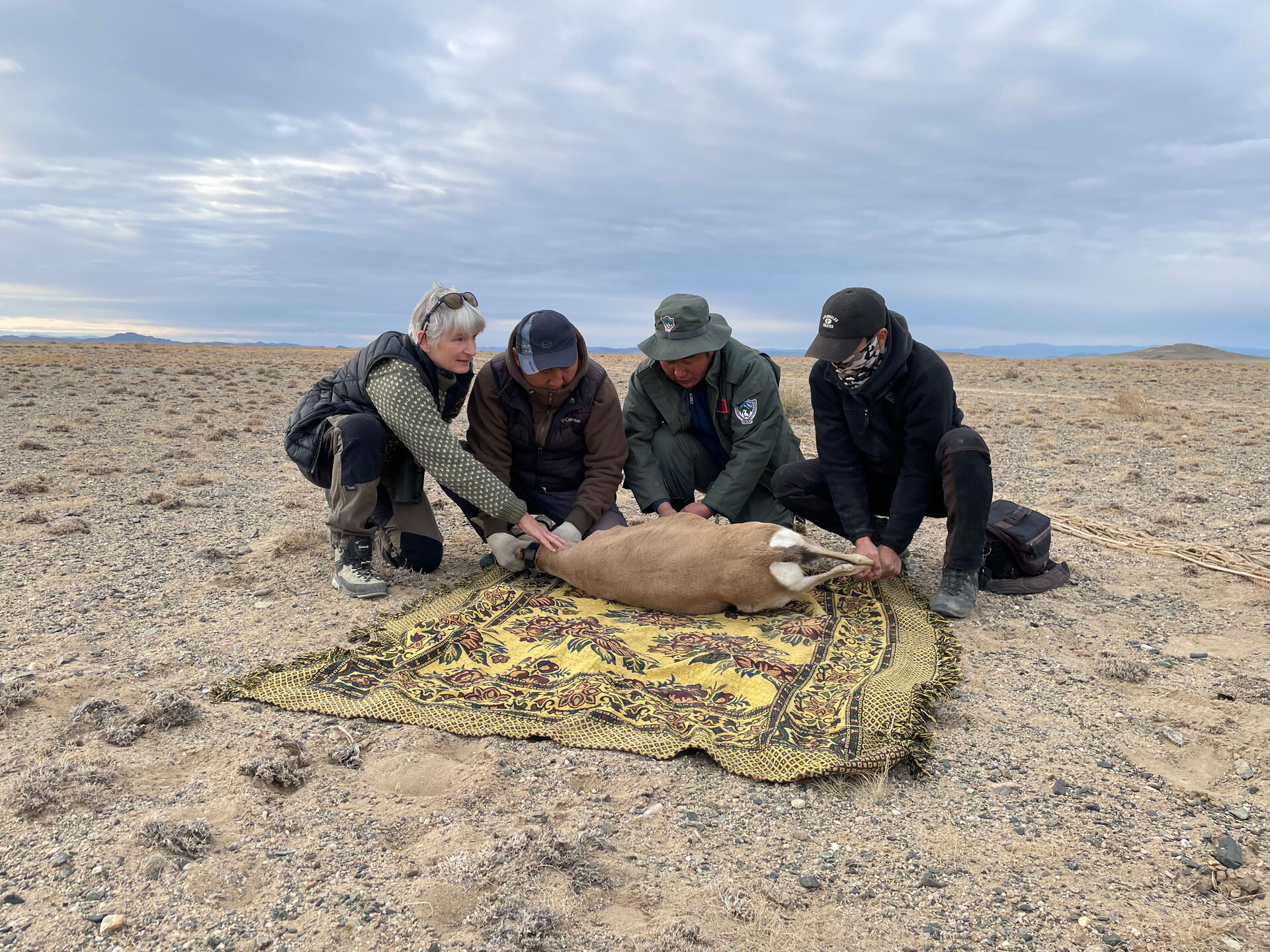
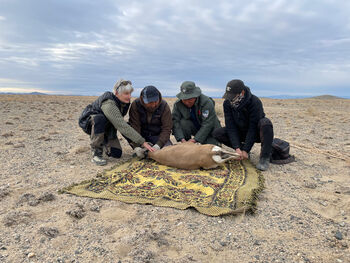
Professor Kaczensky and Mongolian rangers examining an animal in the desert.
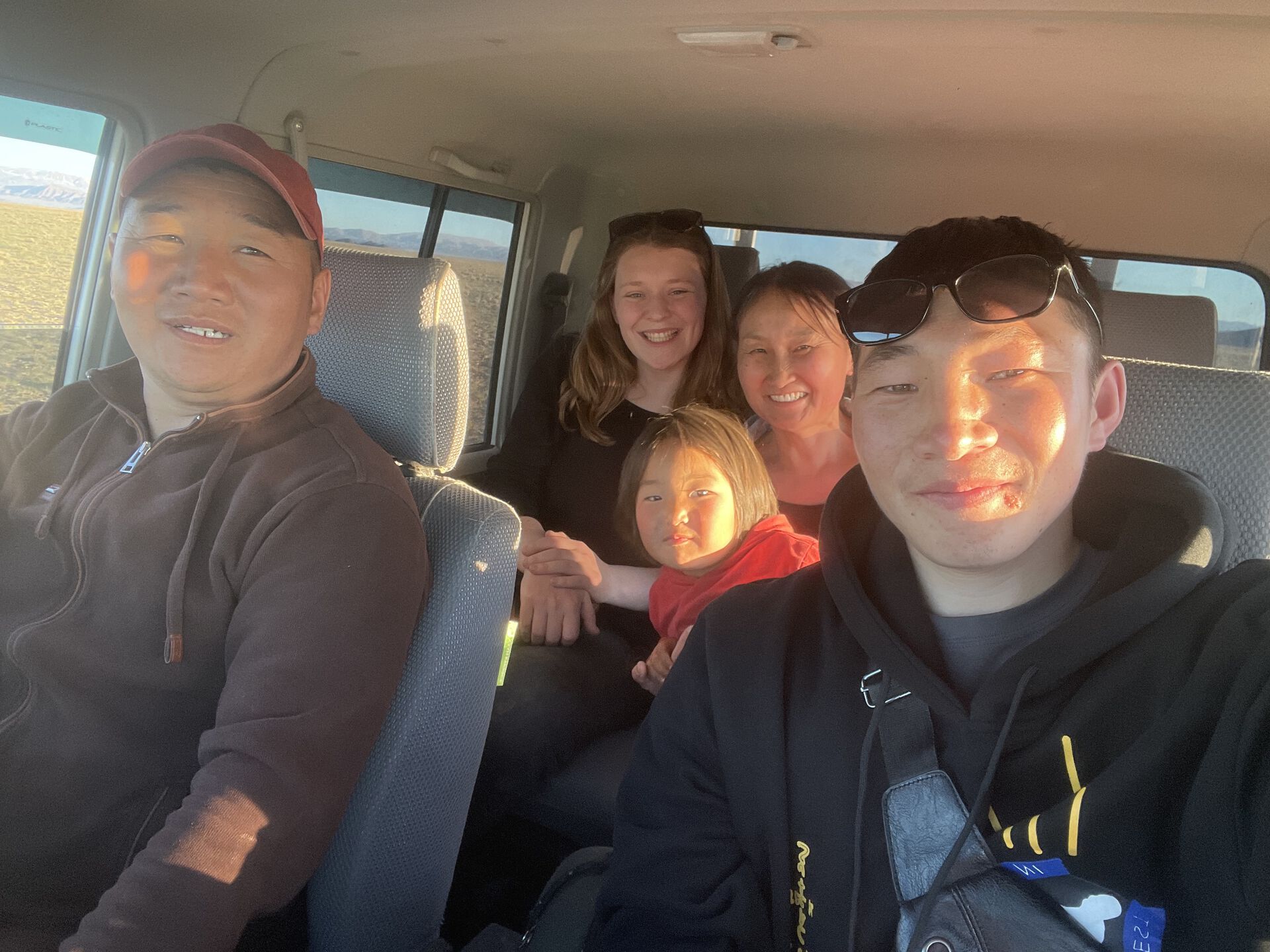
Goedbloed states that the kindness and hospitality of the Mongolians is extraordinary.
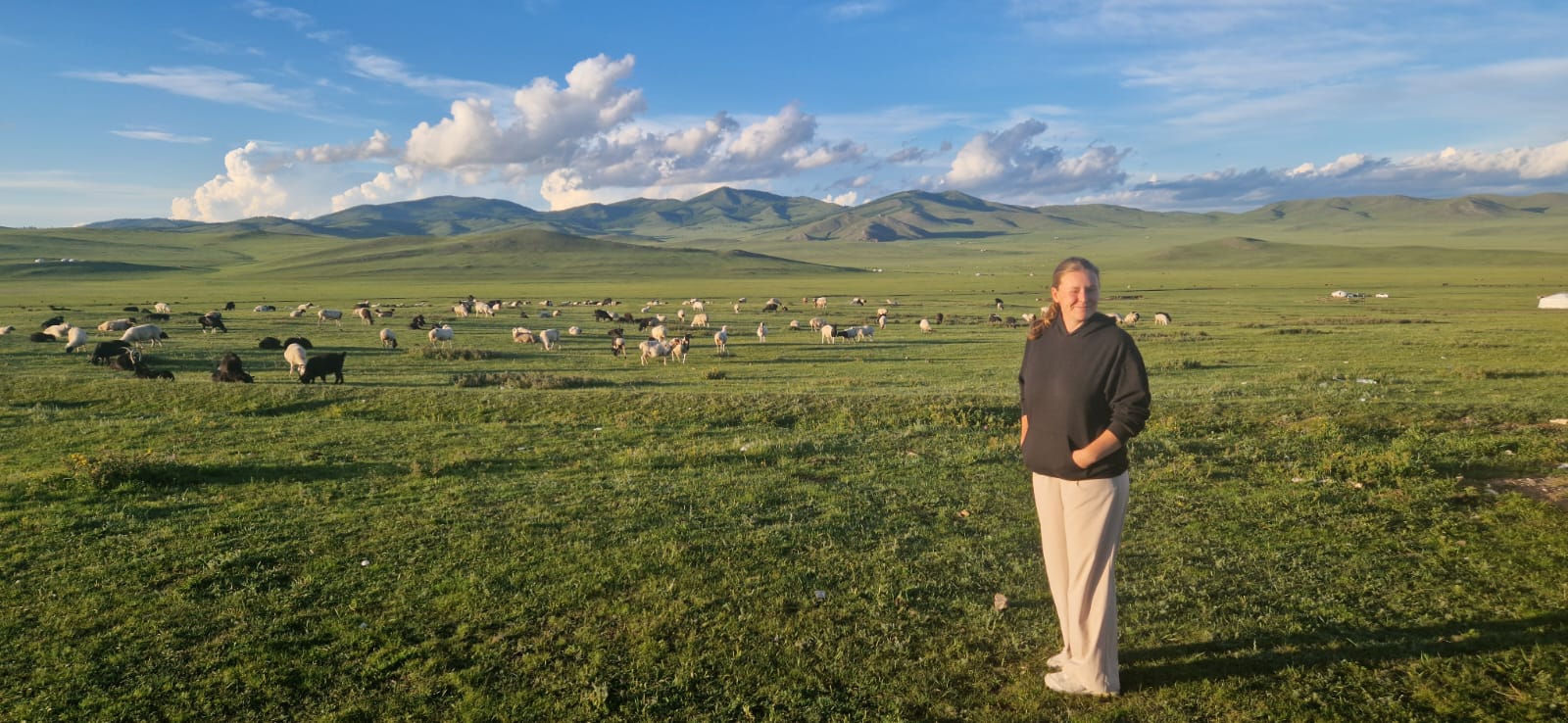
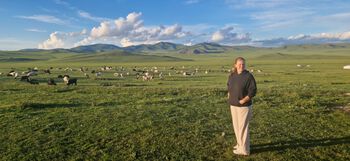
Goedbloed on the magnificent steppes in Mongolia.

Preparing young researchers
"The motivation behind including students in this project is the possibility to train the next generation there. And the Mongolians are also very happy to have this exchange and input from international and national students," says Professor Kaczensky, who also works closely with the National University of Mongolia.
The Great Gobi B Strictly Protected Area covers a huge area of nearly 18,000 square kilometers, so the rangers are busy. But they like to share their work and get novel inputs, especially if these come with helping hands, enthusiasm, and an open mind.
At Evenstad, the Wildlife Management courses are also designed to prepare students for the working life ahead of them. Some focus heavily on outdoor research methods, such as camera trapping, collecting samples for genetic analysis, or capturing animals to follow their movements, and the students themselves are responsible for gathering and organising the data from various projects.
"My semester at Evenstad remains my favourite. There is truly nothing quite like it – the sense of community, the nature surrounding the campus, and the hands-on learning environment made it such a special place. I miss Evenstad almost every day, and I would wholeheartedly recommend studying there to anyone."
For Goldbloed, the internship has given her even further opportunities with the ITG. She is still in Mongolia, as she has been offered to take over some tasks for a German colleague while she is on maternity leave for a year.
"Professionally, the internship gave me an amazing network of conservation professionals, not only in Mongolia but also across Europe. I now have a much better understanding of what it takes to manage a protected area and the kinds of challenges professionals in this field face."
Read more:
- International Takhi Group – save the wild horse!
- Department of Forestry and Wildlife Management
- Campus Evenstad
Contact information:

- petra.kaczensky@inn.no
- Phone
- +47 61 28 75 10