
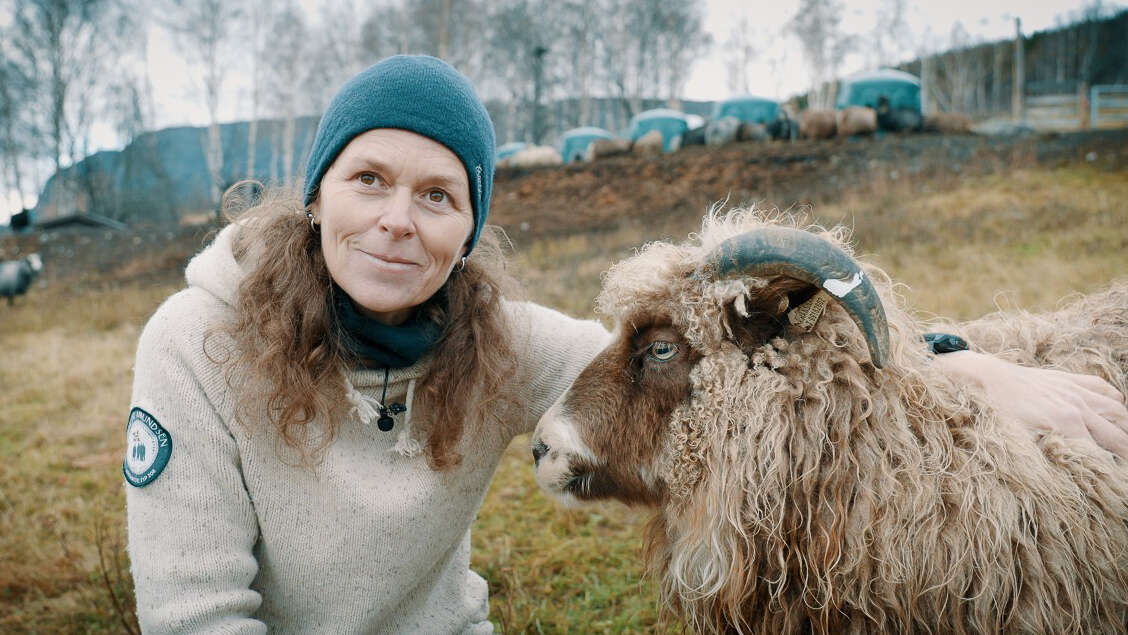
In this mini-documentary from INN University, viewers join researchers in the field to see how data is collected. The film offers insight into a process where researchers seek to understand one of Europe’s most complex nature-related conflicts – through the experiences of the people living it.
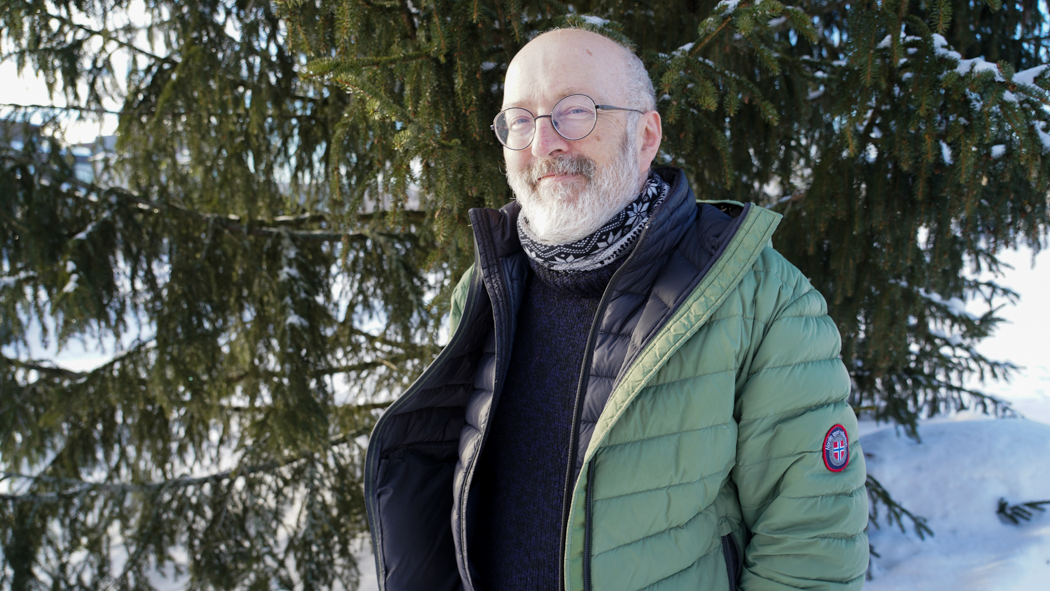
"There will always be conflicts regarding human relationships with animals such as wolves and bears. This is a universal phenomenon. However, the way these conflicts play out can vary greatly from country to country, and the solutions can differ significantly as well," says Professor John Linnell of INN University.
He leads the research project CoCo, in which researchers across twelve European countries are investigating how conflicts involving carnivores arise, evolve, and can be better managed.
The researchers seek to understand the people at the heart of the conflict. Farmers, hunters, landowners, conservationists, and authorities may hold vastly different views on how nature should be managed – and how the landscape should be used.
- Watch the documentary about the CoCo project, created by video producer Sverre Galgum of INN University:
Runnig up and down mountains to speak with farmers
A key question in the research project is how farmers, hunters, and landowners – many of whom own grazing livestock themselves – are affected by the presence of carnivores nearby, as well as the ensuing conflicts.
Through extensive interviews, the team aims to gather experiences and perspectives from more than a thousand people across large parts of Europe. The goal is not merely to map out public opinion, but to understand the reasons behind those views.
"We’ve had researchers and students running up and down mountains to seek out farmers willing to speak with us," says Linnell.
He believes that, beyond economic factors, these conflicts also revolve around identity, a sense of belonging, and differing values regarding nature.
“I don’t think there has been enough understanding of the complexity and depth of the conflicts. It is not just people’s bank accounts that are affected, but the very motivation to get up in the morning to work and live life,” says Linnell.
Sheep farmer wants a more nuanced conversation
Sheep farmer Kari Hånsnar from Skjåk has herself experienced losing many animals to predators. She believes that more knowledge could contribute to a more nuanced conversation.
“I think it’s good to have this issue researched. After all, the topic of predators and livestock is a highly contentious one. People tend to view it in very black-and-white terms; if we could achieve a more nuanced perspective, it would be easier to foster understanding for the various parties involved and their respective viewpoints,” she says in the mini-documentary.
.png)
The results from the project are not yet ready. The researchers must first analyze the extensive material being collected. Furthermore, the goal is not necessarily to find a solution that satisfies everyone.
“There will never be consensus regarding the underlying values, but perhaps there can be agreement on the need to find compromises – to accept that disagreements will always exist and that we must share nature,” says Professor Linnell.
The documentary is available in both Norwegian and English versions.
Contact persons:

- john.linnell@inn.no

- sverre.galgum@inn.no
- Phone
- +47 91 73 76 34