
Conflicts over predators are not just a hot topic in Norway. Their numbers have been increasing, with estimates now suggesting there are more than 20,000 brown bears and 23,000 wolves in Europe. While some view this as a conservation success, others – particularly those in pastoralism, hunting, and other rural communities – see it as a source of tension and challenges.
Deer species and wild boars also contribute to conflicts, alongside other significant changes in rural society.
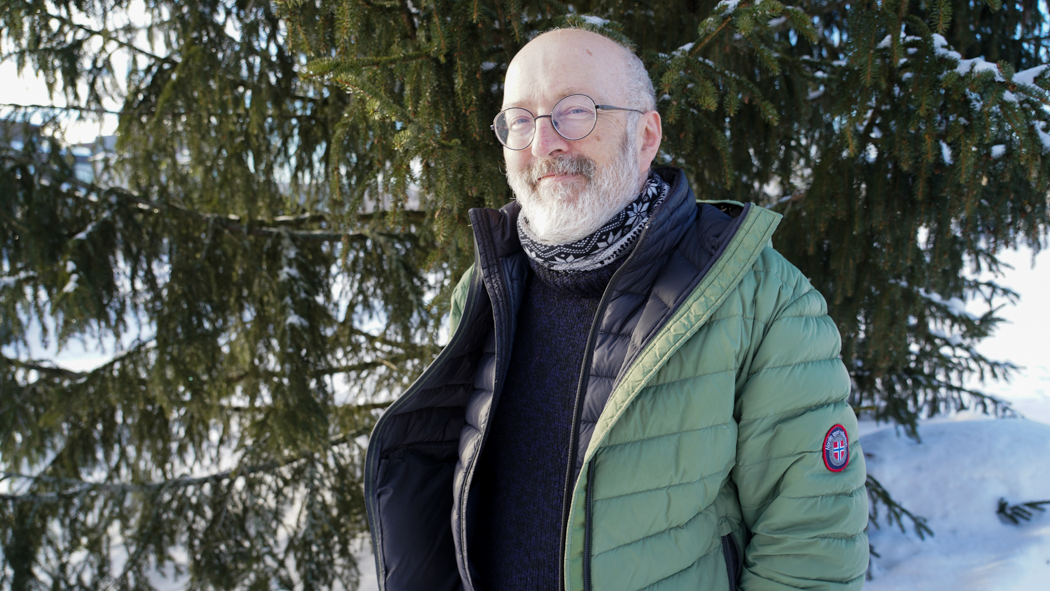
Now, researchers from 17 institutions in 12 countries aim to bridge the gap between wildlife management, conservation, and pastoralism. The three-year project, 'Coco: Co-creating Coexistence', led by the University of Inland Norway (INN) and Professor John Linnell, brings together an interdisciplinary team of researchers, policymakers, and stakeholders to develop better management models and solutions.
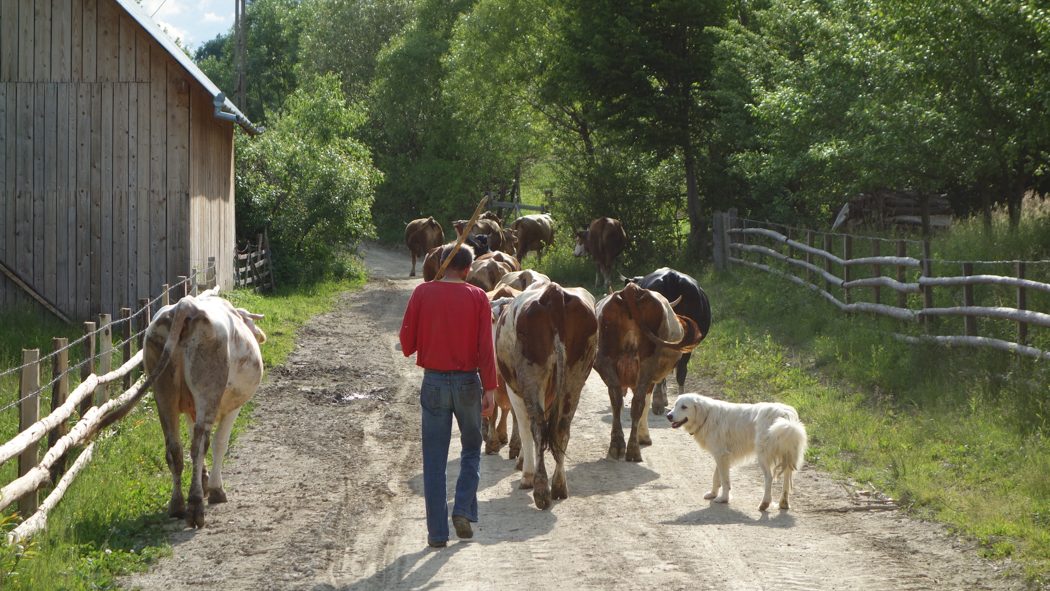
– We want to highlight the voices of farmers who graze their animals in outlying pastures, hunters, and others to hear about their experiences. We will examine the interactions between pastoralism and wildlife management. Based on this, we will provide policy recommendations and practical tools to help predators, livestock and people coexist better, says Linnell.
Knowledge to reduce tensions
.png)
The researchers will conduct studies across 12 European countries, including Norway. They will summarise existing knowledge and collect new data, primarily through interviews.
With an ambitious goal, the project aims to interview several thousand land users from Spain in the south to Trøndelag in the north, and from France in the west to Romania in the east.
Rather than focusing on the wild animals themselves, as traditional predator research often does, Linnell and his colleagues are primarily interested in understanding the people affected by these issues.
Science will meet local knowledge and traditional practices, with a particular emphasis on pastoralism.
– We believe that inclusive research processes, increased knowledge and mutual insights can help reduce tensions and find an acceptable balance that benefits both people and nature, says Professor Linnell.
He emphasises that the predator debate is not a question of either-or. Predators are here to stay. The aim is to find solutions that allow coexistence with minimal conflict, where hunting, financial incentives and conflict-mitigation measures are all part of the toolbox.
– Our vision is to transform a deadlocked conflict into a future where livestock farming is valued and can coexist with wildlife and predators in what we call multifunctional landscapes.
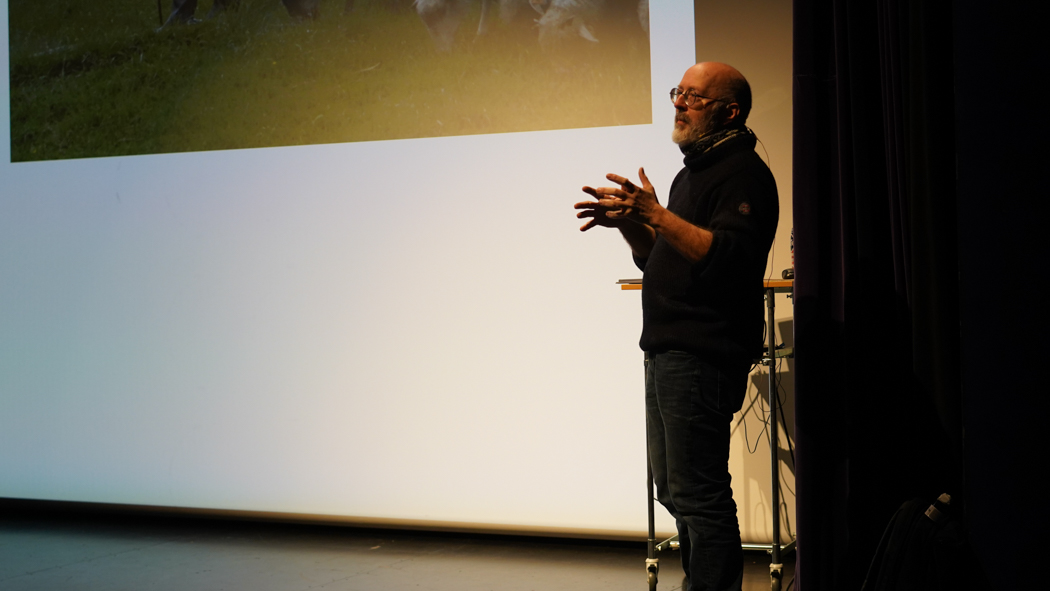
Several academic fields within agriculture and ecology at INN are involved in the project. The other Norwegian partner is the Norwegian Institute for Nature Research (NINA). The CoCo project has a budget of nearly EUR 4.3 million (NOK 50 million) and is set to conclude in December 2027.
About the project:
- CoCo: Co-creating Coexistence is an interdisciplinary research project led by INN with a total of 17 partner institutions.
- Funded by the EU’s Horizon Europe programme
- Project duration: November 2024 – December 2027
- Total budget: 50 million NOK (4.3 million EUR)
- Countries involved: France, Germany, Greece, Italy, Latvia, Norway, Poland, Romania, Slovakia, Slovenia, Spain, Sweden
- In each country, insights will be gathered from livestock farmers, hunters and landowners through interviews and site inspections.
- Link to the project website
Contact:

- john.linnell@inn.no