
Researchers in the Department of Biotechnology at the University of Inland Norway (INN) have been working for years to accelerate infection diagnostics. Today, hospitals generally rely on bacterial culture to identify a patient’s infection, a process that typically takes two to four days—or longer—before results are available.
The team has developed a cost‑effective, accurate approach that uses direct nanopore sequencing without prior culturing combined with real‑time data analysis. Using this method, diagnostic information can be obtained from patient samples in seconds.
The researchers now present their findings in an article in the international top journal Nature Communications, in collaboration with researchers in Germany.
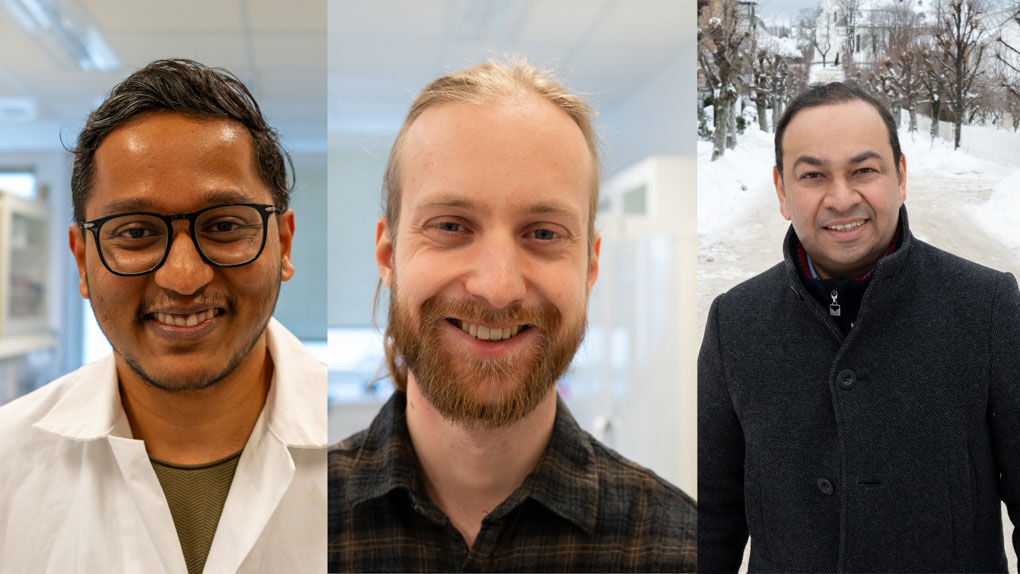
PhD candidates Sverre Branders and Anurag Bellankimath are lead authors of the article: 'Metagenomic sequencing enables accurate pathogen and antimicrobial susceptibility profiling in complicated UTIs in approximately four hours'. Professor Rafi Ahmad is head of the research group and senior author.
Very promising results
The study evaluates diagnostics for urinary tract infections (UTIs). With 405 million people affected each year, rapid diagnosis is vital for correct treatment.
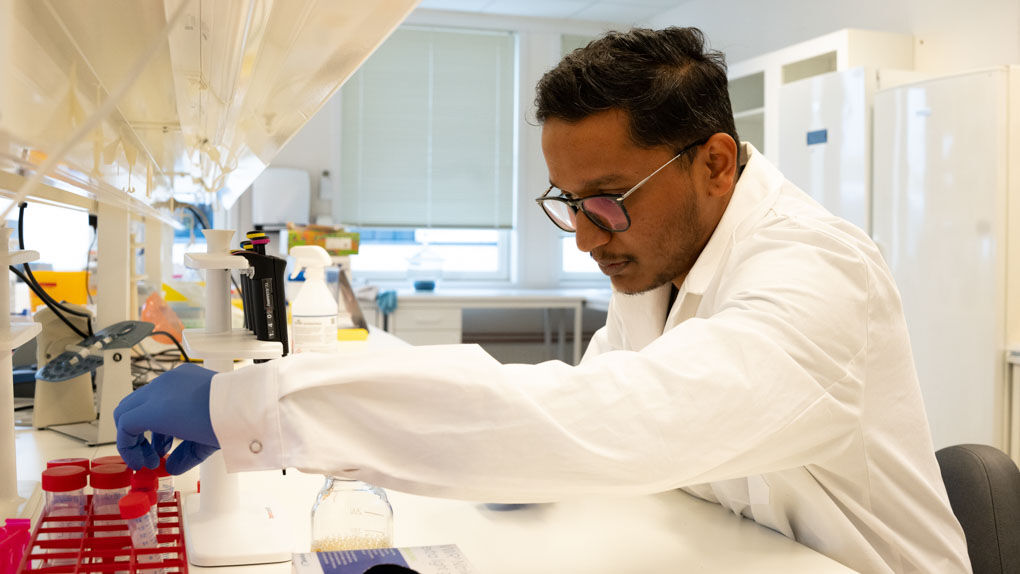
Researchers evaluated eleven ways to prepare samples without bacterial culturing. The optimized method found the correct disease‑causing bacterium in 99 percent of cases. In other words: the method almost always identifies which bacterium is causing the infection.
“We can now document that our method can replace current practice, where large amounts of broad‑spectrum antibiotics are used while doctors wait for results. That means better treatment for patients and less risk of bacteria developing resistance,” says Professor Rafi Ahmad.
Rapid diagnostics is a fast‑evolving field. INN researchers say their method can be up to 30% more cost‑effective than alternatives.
“Cost‑effectiveness is very important when introducing new technology. This is an affordable solution for hospitals and clinics. In addition, they can save money through shorter hospital stays,” says Rafi Ahmad.
Faster tests, smarter antibiotic use
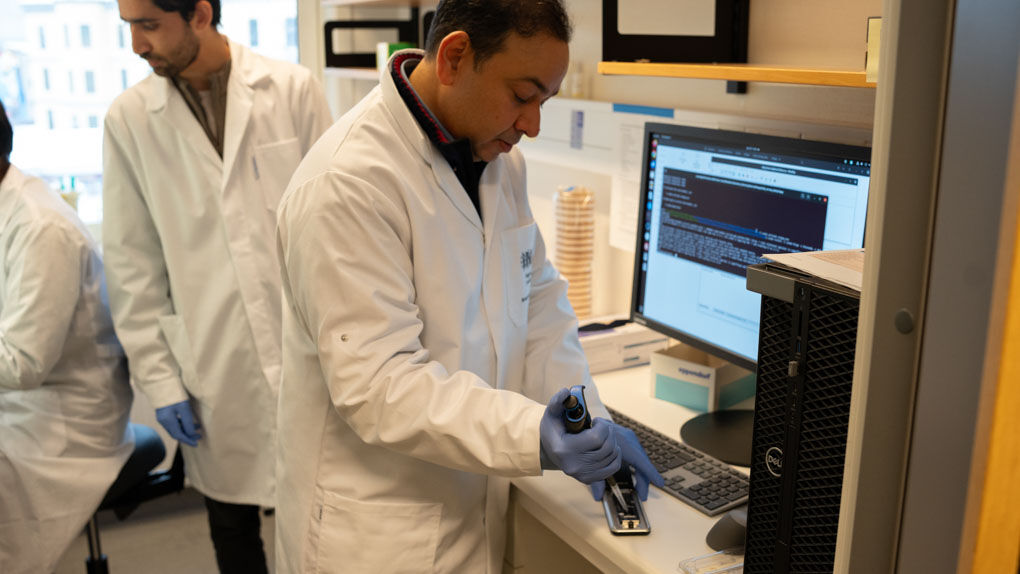
The INN method also predicts antibiotic susceptibility — i.e., which antibiotic will be effective — with 90% accuracy, the researchers report.
Antibiotic resistance is rising worldwide, putting at risk a key tool in modern medicine. Reducing and targeting antibiotic use is essential.
Faster diagnostics could help: today many patients receive broad‑spectrum antibiotics based on clinical suspicion because laboratory confirmation of the pathogen and its susceptibilities is not yet available.
“If rapid diagnostics become available in hospitals and clinics around the world, they will ensure that patients receive the right type of antibiotic faster and global antibiotic use will be reduced,” says Ahmad.
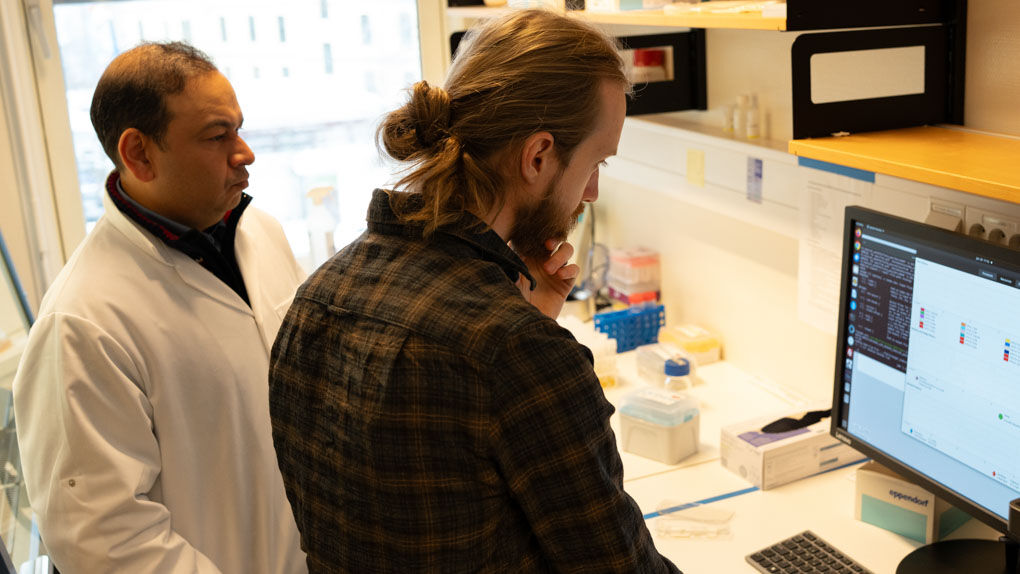
In addition to Branders, Bellankimath and Ahmad, co‑authors are Isabell Kegel, Torsten Hain, Florian Wagenlehner and Can Imirzalioglu from Justus Liebig University Giessen, Truls E. Bjerklund Johansen from University of Oslo and Jawad Ali and Fatemeh Asadi from INN University.
Contact person:

- rafi.ahmad@inn.no
- Phone
- +47 62 51 78 45