
The INN model
The INN Model is split into three parts. All exchange students at Campus Lillehammer are recommended to participate. For further information than stated on this webpage, please contact: gunnar.klinge@inn.no.
Part 1: After arrival/part of start-up
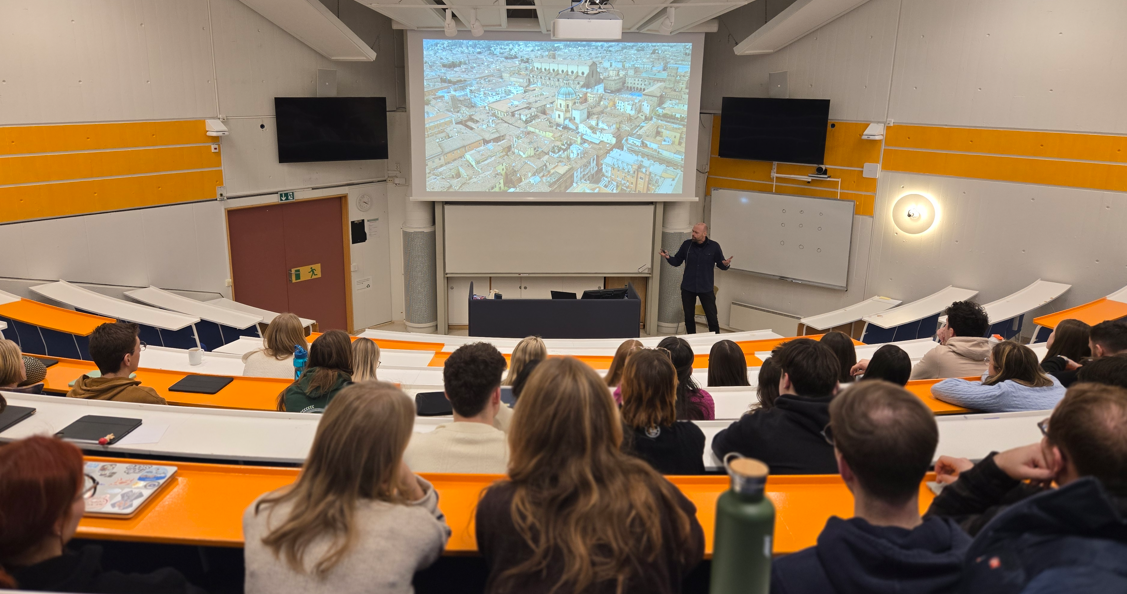
Boarding seminar:
- WHAT is intercultural communication?
- WHY is it important?
- HOW do we get better at communicating across cultural differences?
- Guide to intercultural competence development.
Part 2: During the exchange
Reflection tasks:
- My diverse cultural identity; Name your seven most important cultural groups and one or two values you got from each of these groups.
- Learning zones: What is your comfort zone, learning zone and panic zone? And what can you do to handle these as best as possible?
- Cultural glasses: How do we develop awareness of our own and others' cultural glasses? Formulate a concrete goal for your intercultural development during the exchange.
- Reverse culture shock: What are the typical challenges upon returning home, and how can you prepare to deal with them?
Part 3: Before departure
- Seminar with Story Circles: sharing personal stories and gaining insight into fellow students' stories and experiences.
- Course certificate for everyone who has completed and passed the model (lecture, workshop and all assignments).
Why do universities facilitate student exchange?
The short answer is: We want our students to achieve intercultural competence; that they should become better at communicating across cultural differences, because they need these skills in today's multicultural society and global working life. At the same time, research shows that very few people develop these skills without guidance.
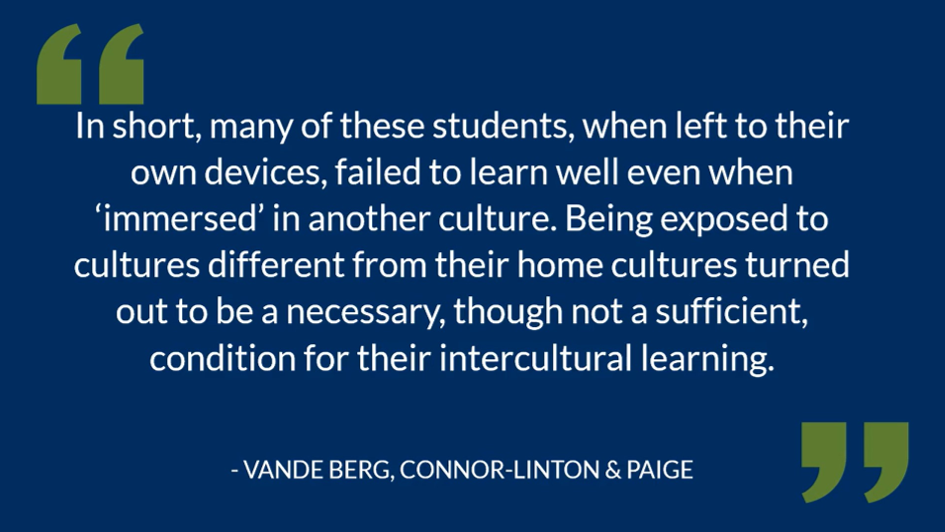
In the Georgetown consortium Project, Vande Berg, Connor-Linton, and Page (2009) studied the effects of exchange stays (of varying durations) on students' intercultural learning. 1,297 exchange students from 61 study programs participated in the study (2003-2007), and the main conclusion was as follows:
What can we do differently?
Intercultural learning starts with awareness of your own cultural filter; of how you construct and experience the world in a cultural and social context.
You develop intercultural competence by:
- being exposed to cultural differences
- by reflecting on how you and others experience the world
- and by practising stepping out of your usual framework of experience and trying to experience from other perspectives
This requires facilitation and guidance (before, during and after the exchange).
The INN model is developed by Gunnar F. Klinge, gunnar.klinge@inn.no, Head of international affairs and lecturer in intercultural communication, to help you develop your intercultural communication skills while studying abroad.