
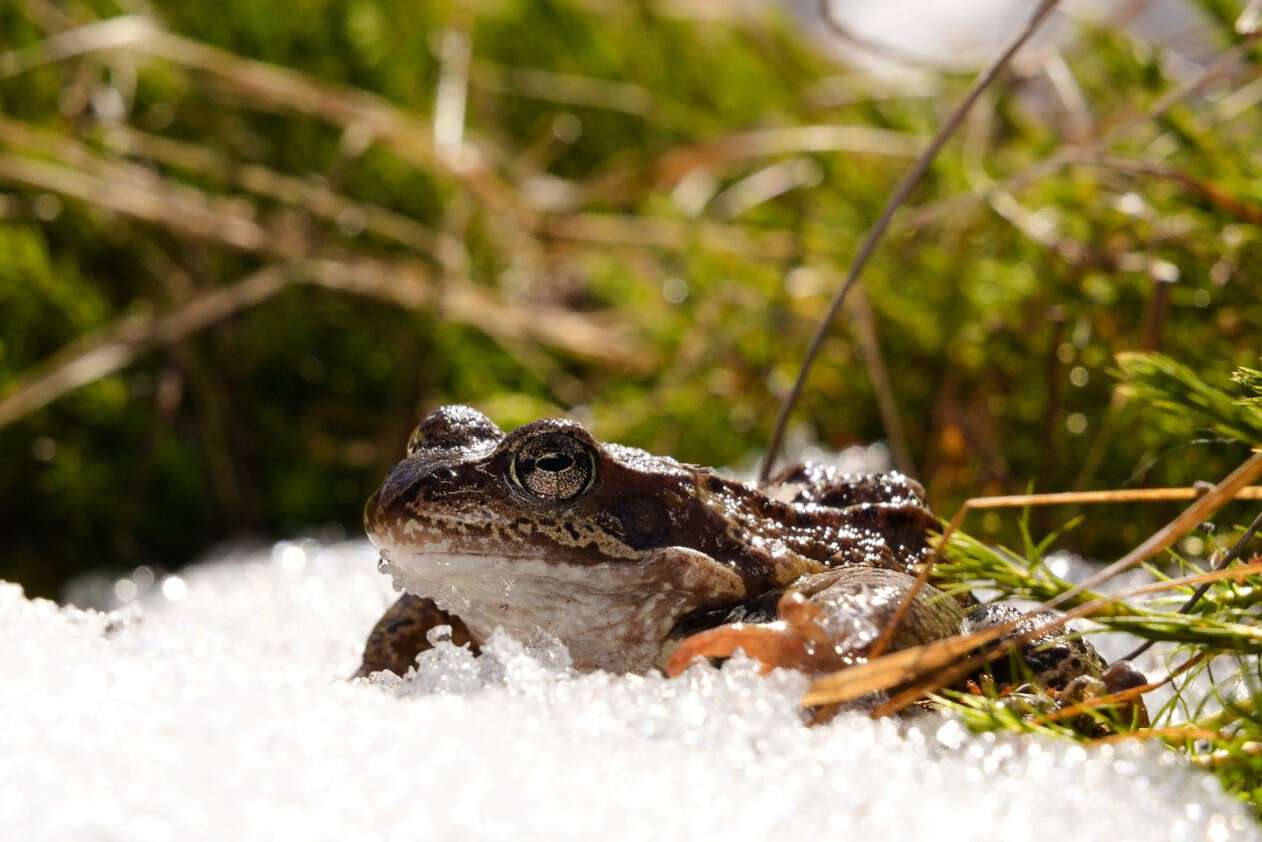
A new study from the University of Inland Norway shows that temperature is the most important factor, but also that the species' mode of reproduction influences when amphibians and reptiles emerge.
"For me, it was particularly interesting to see how species traits influence the timing of spring activity, in addition to the clear effect of temperature," says researcher Martin Mayer.
As winter draws to a close, amphibians and reptiles must find the right moment to become active again.
If they emerge too early, they risk exposure to night frost, cold, and a lack of food. If they wait too long, they may miss the opportunity to reproduce.

“For many species, spring activity coincides with the start of the breeding season. At the same time, this can be a demanding period. It is therefore important that they get the timing right,” says Mayer.
Mayer is a researcher at the Faculty of Applied Ecology, Agricultural Sciences and Biotechnology at INN University. Together with Lia Schlippe Justicia from the University of Veterinary Medicine Vienna, he is behind the new study, which has now been published in the journal Global Ecology and Biogeography.
The temperature explained the most
The study is based on more than 2.6 million observations of 97 amphibian species and 182 reptile species. The observations were made between 2010 and 2024 and cover areas north of the 30th latitude in the Northern Hemisphere. This encompasses the majority of the Northern Hemisphere's landmass.
The researchers investigated how factors such as temperature, precipitation, elevation, and species traits influenced the timing of spring activity.
Average annual temperature was the factor that best explained when the animals emerged after winter. Species in warmer areas generally became active earlier than species in colder areas.
However, the researchers also found that traits related to reproduction and offspring development played a role. Some frogs and toads gather in large numbers at breeding ponds and reproduce over a short, intense period. The researchers found that such species generally emerged earlier than species with a longer breeding period.
"This is likely linked to the intense competition among males for females. For these species, it may be necessary to emerge as early as possible," says Mayer.
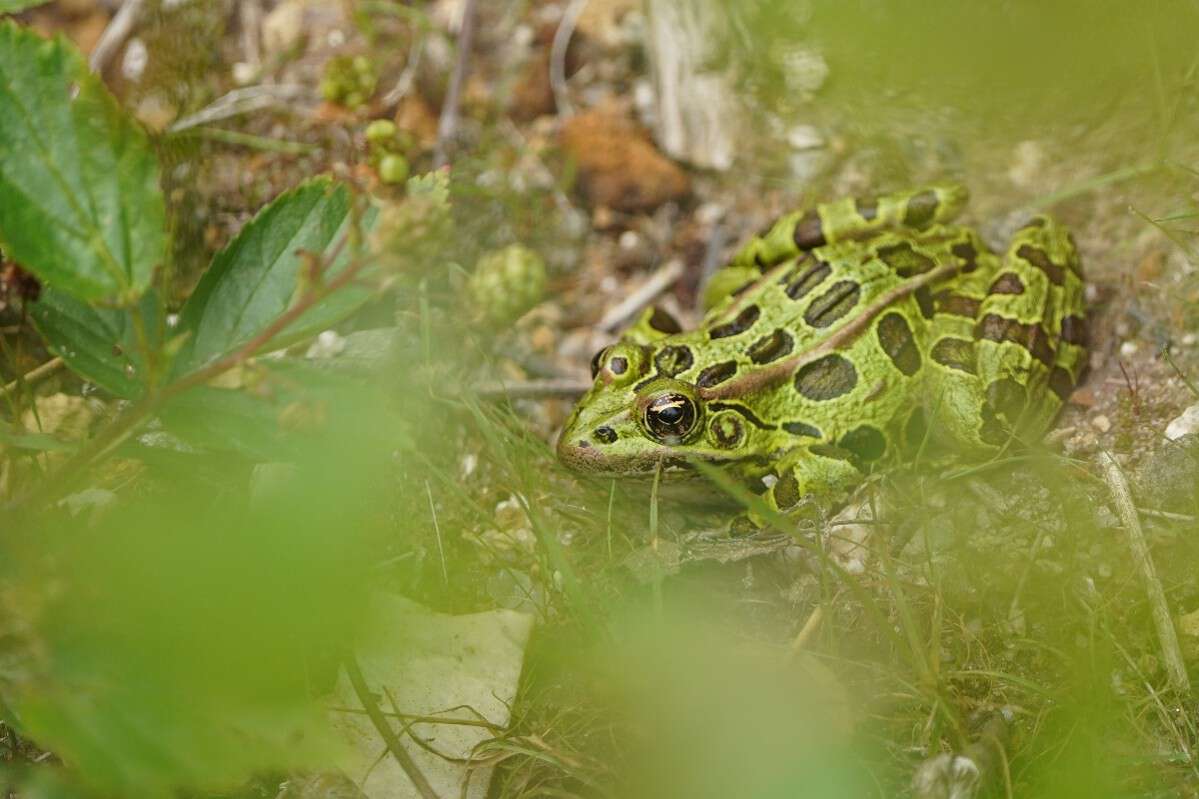
Some species may emerge several weeks earlier
The researchers also calculated how spring activity might change under two future climate scenarios.
In the scenario involving 4.3 degrees of warming by 2100 compared to pre-industrial times, amphibians could become active about 25 days earlier on average. For reptiles, the projected shift is around 17 days.
Note that this scenario is based on a calculation of possible future developments if temperatures rise in line with the scenario, rather than a change that has already been observed. They illustrate a possible future trend if temperatures rise in accordance with the scenario projecting the most intense warming.
Mayer emphasizes that earlier spring activity can have both positive and negative consequences. The effects will depend on the species and the conditions in which it lives.
Earlier spring activity could increase the risk of exposure to night frost. A mismatch may also arise between the timing of their activity and the availability of the food they rely on. For amphibians that breed in temporary ponds, higher temperatures can cause the ponds to dry up sooner.
At the same time, milder winters and longer active seasons may offer some species better opportunities to survive and reproduce.
In Norway, higher temperatures could also lead to species already present here expanding their ranges. In the longer term, new species might succeed in establishing populations.
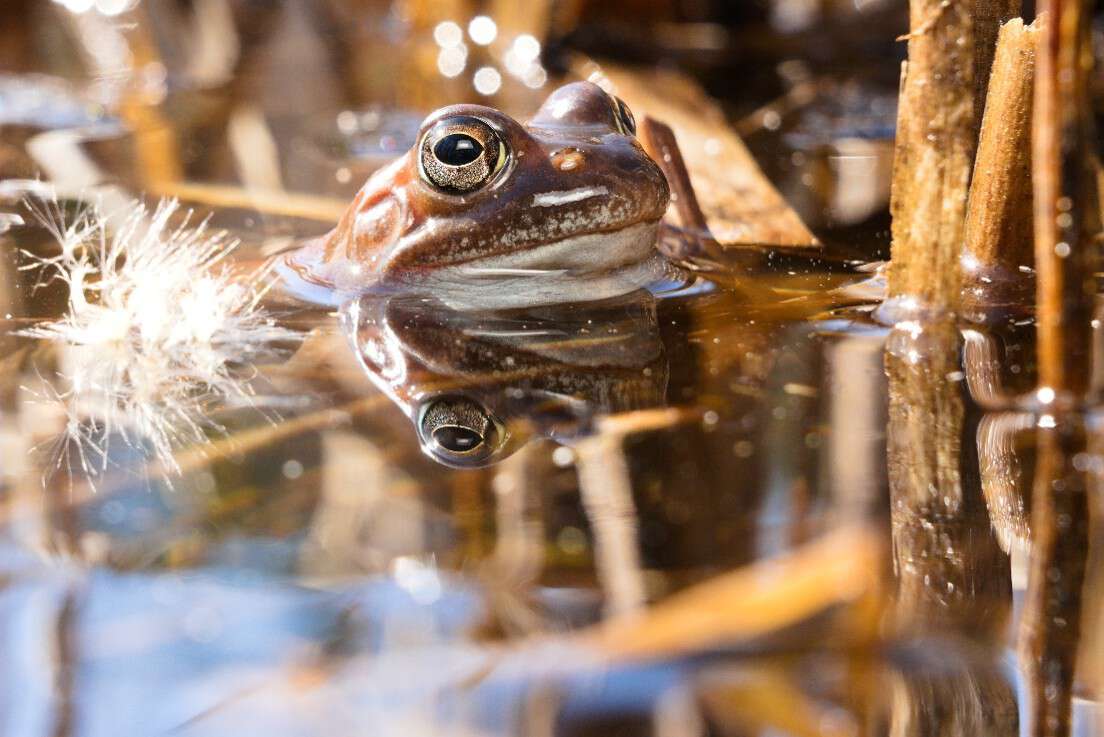
Millions of observations
The observations originate from services such as iNaturalist and have been compiled in the international database Global Biodiversity Information Facility (GBIF).
The researchers determined the onset of spring activity based on the earliest five percent of observations for each species in each area. The results were compared with previous scientific studies.
"It would have been impossible for us to collect this volume of data ourselves. Citizen observations offer a unique opportunity to study many species across vast geographical areas," says Mayer.
The dataset also contains certain biases; there are far more observations from Europe and North America than from other regions.
The researchers believe the results could help identify which species and areas are most vulnerable to future climate change.
Reference
The Role of Climate and Species Traits on the Timing of Spring Emergence in Amphibians and Reptiles was published in Global Ecology and Biogeography on 1 September 2026.
Authors: Martin Mayer and Lia Schlippe Justicia.