


– I have a very good life!
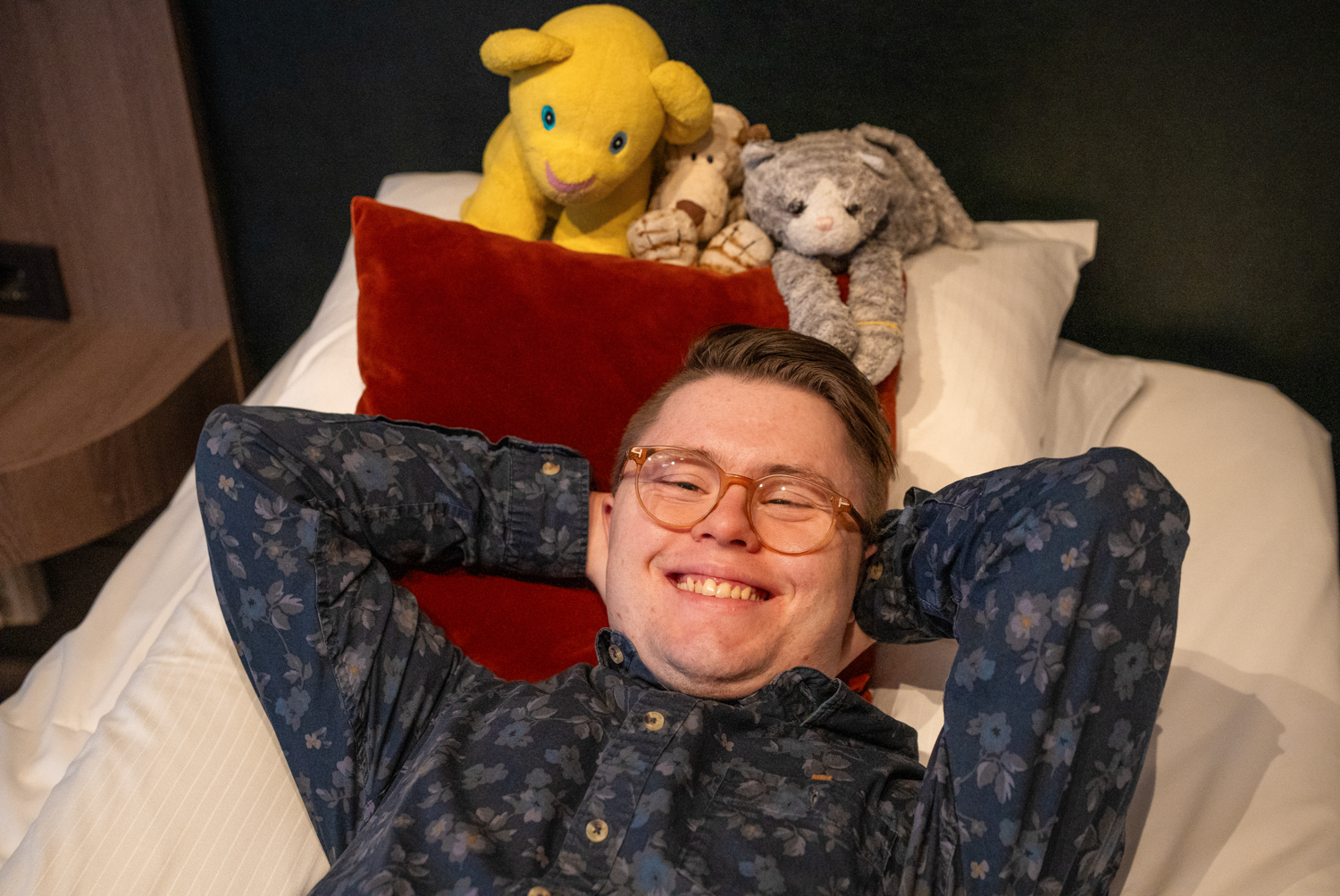
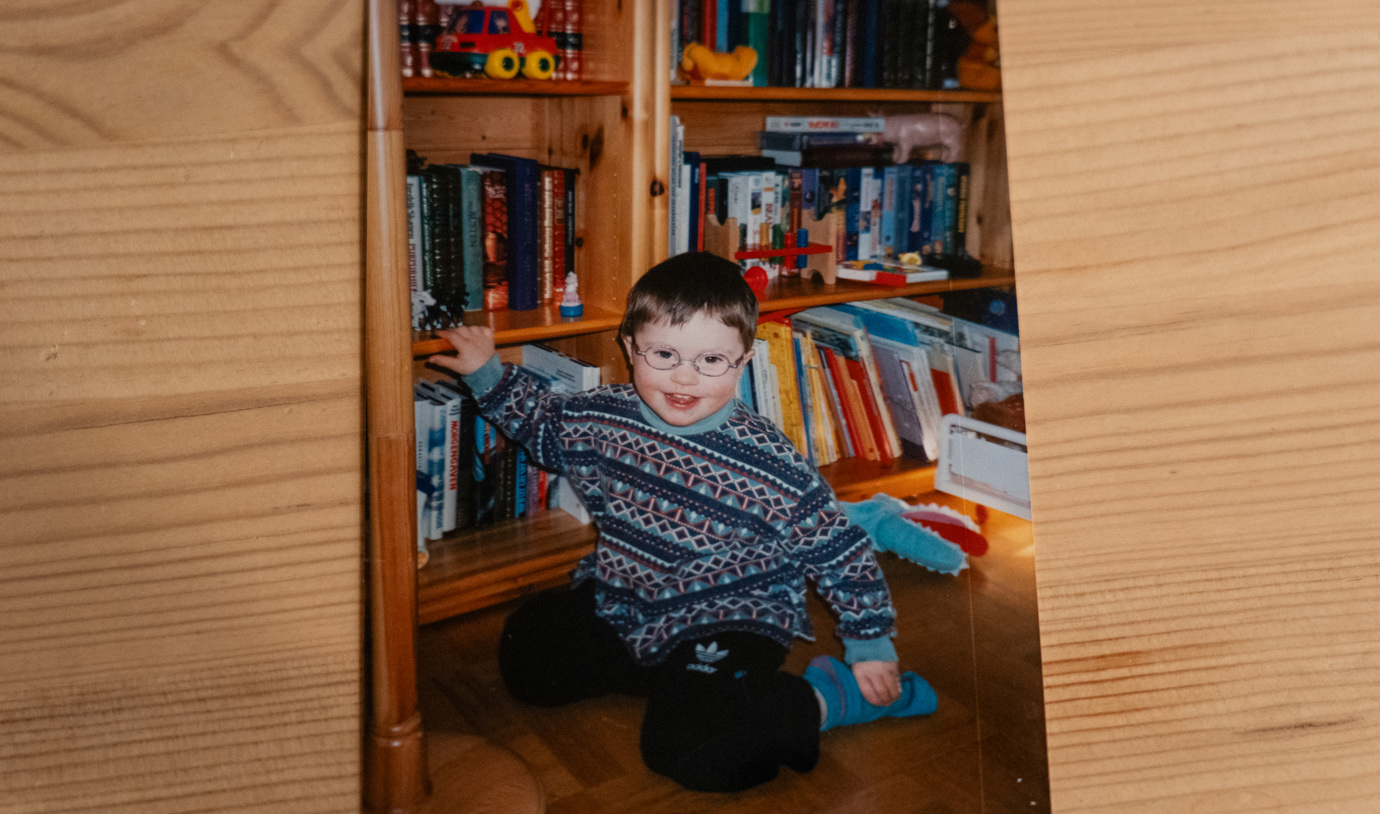
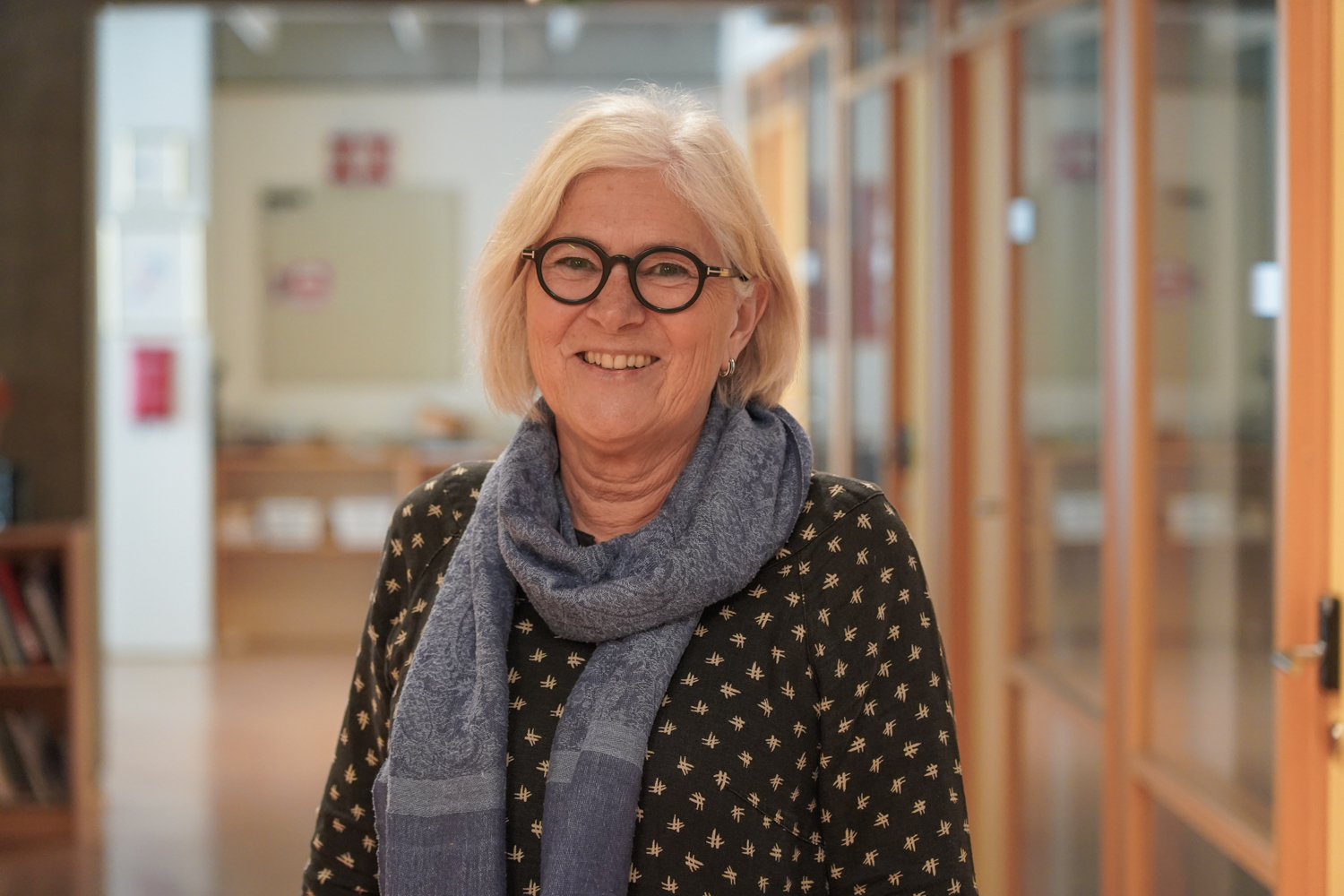
What Anne Stine had observed in her work in the habilitation service was that parents of children with Down's syndrome often had very specific questions about everyday matters. Questions that research also lacked solid answers for.
When can my child start school? Can they learn to eat with cutlery? When will they stop needing nappies? Will they get a job?
– There's been a lot of research on Down's syndrome, but not on these kinds of things. We wanted to give parents answers to the questions they were asking, says Dolva.
Since no one had yet described skill development for these areas, Anne Stine decided to become a researcher and take on that job herself.
Participants were recruited, and a unique and outstanding project was launched to follow the development of children with Down's syndrome throughout 23 years in Norway.
-1--kuttet.jpg)
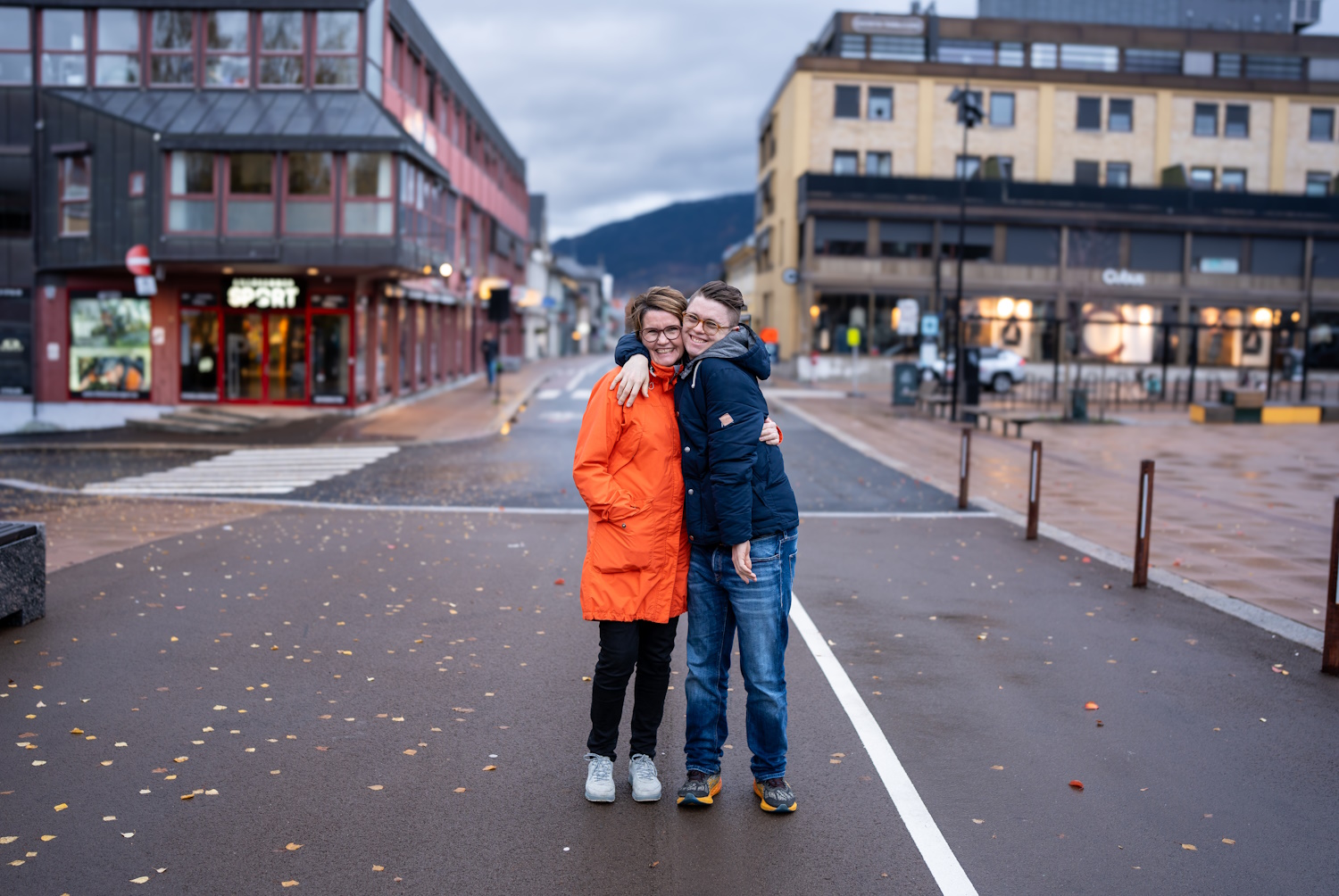
As parents, there was a lot to understand when Eirik was born, and there were many things they wondered about.
When Anne Stine reached out to us in 2001, we thought, YES, we want to be a part of this! Researching quality of life for people with Down's and their parents is important!
Torill, mother
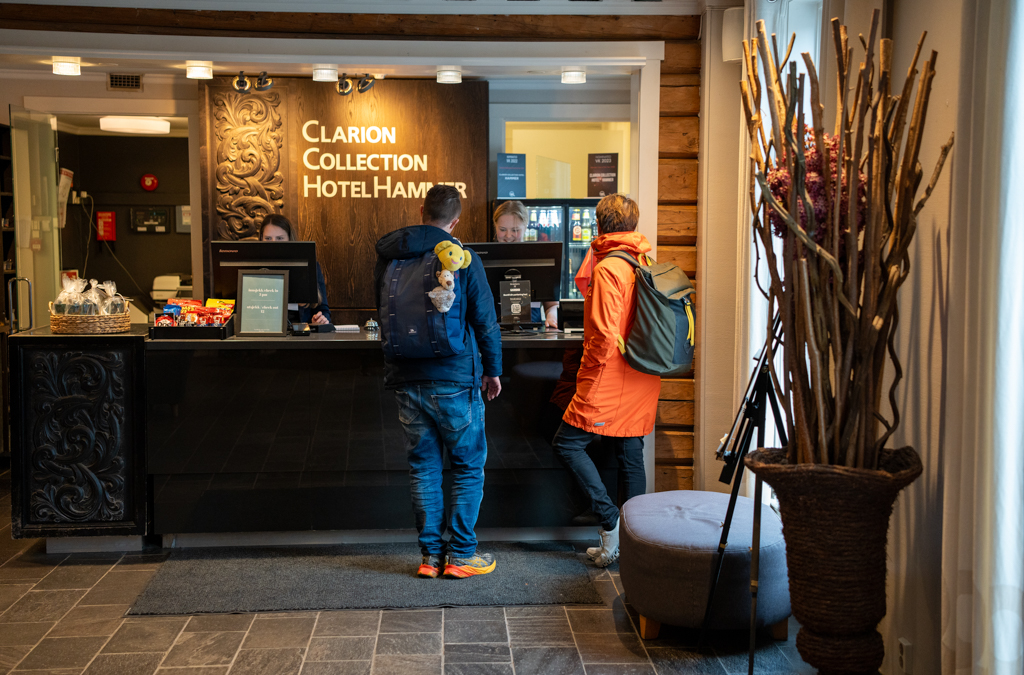
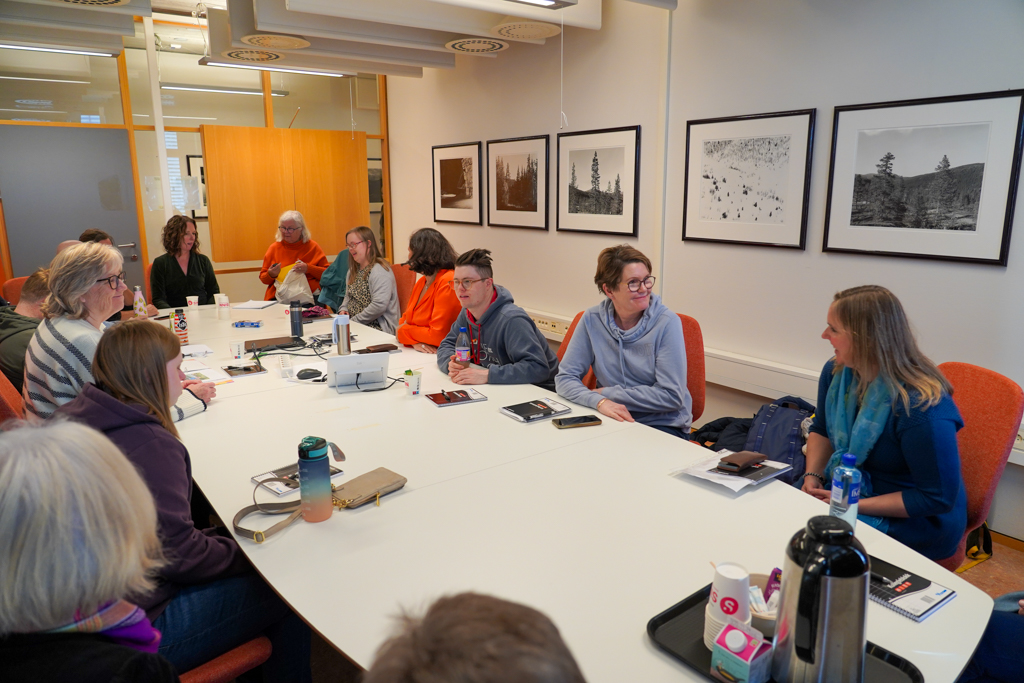
In meeting room 3 at INN University, five young adults with Down's syndrome from across Norway are gathered, along with seven parents and the researchers. There is much to discuss and many shared experiences. Conversations flow, heads nod, and laughter fills the room.
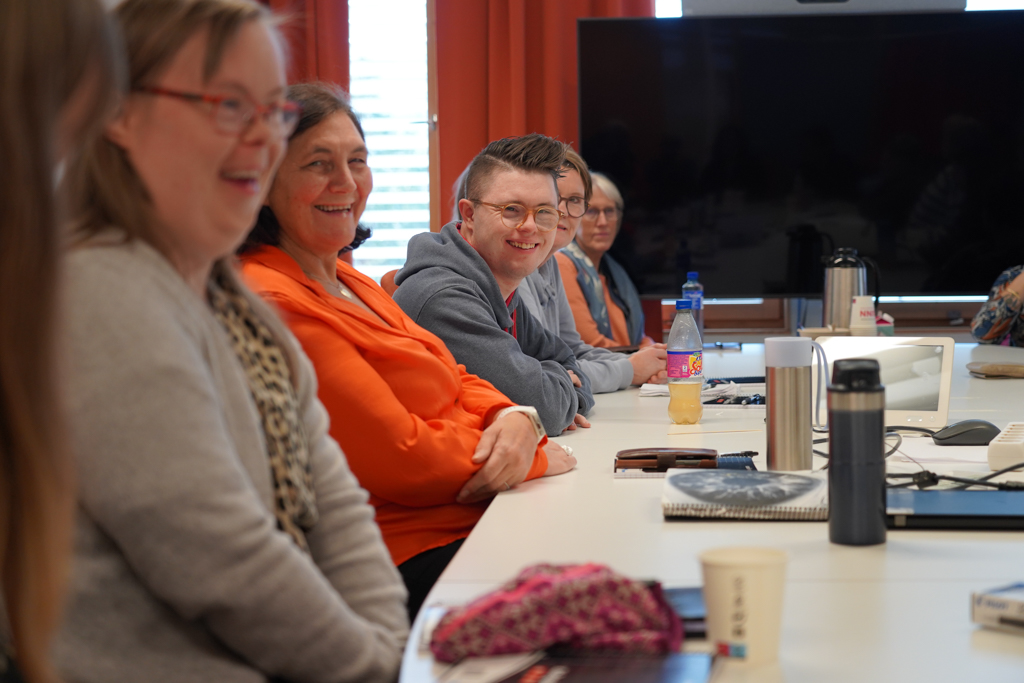
They will also assist the researchers in formulating questions for the others involved in the study, who will also have the opportunity to respond. How have they actually fared over these years?
Facts about the project:
- 62 children with Down's syndrome were born over a period of twelve months from 1996 to 1997 in Norway.
- 70 percent of these children and their parents agreed to participate in the research project, resulting in a total of 43 children.
- Among the children with Down's syndrome who are involved, there are 20 girls and 23 boys.
- The researchers have gathered information through questionnaires, observations, and interviews when the children were 5, 7, 10, 14, 17, 21, 22, and 25 years old.
- The study has so far produced 17 scientific articles, several of which have been published internationally.
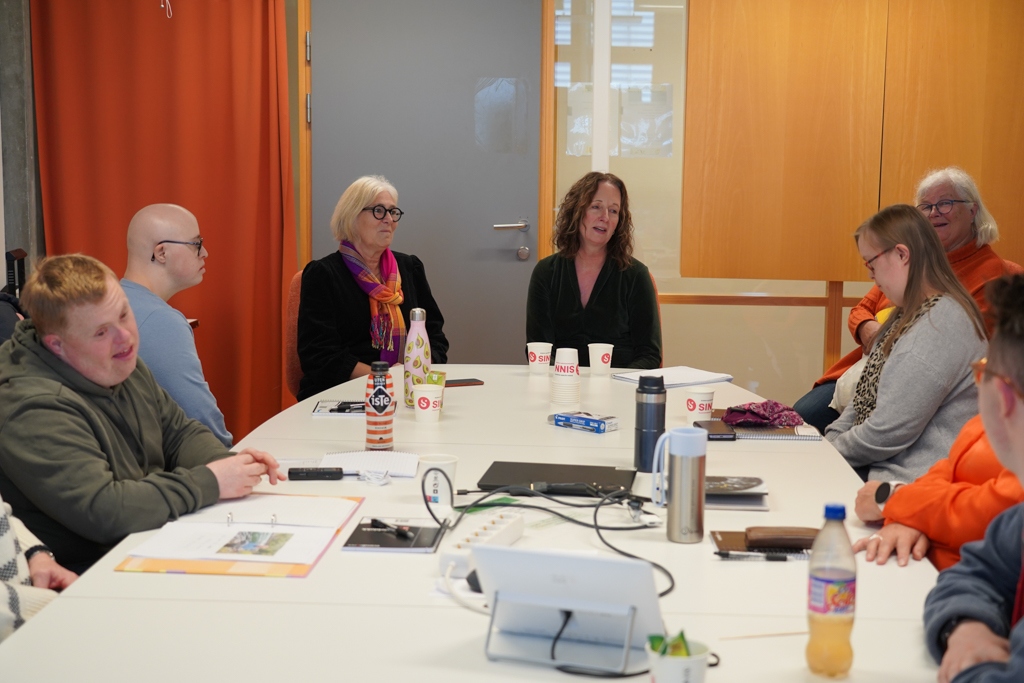
The feedback from the participants is numerous, but Anne Stine Dolva is clear about what the overarching conclusion has been so far:
What we see is that many parents have been worried along the way and have had to stand their ground and fight for their children. However, these parents report that when the children become young adults and things have fallen into place, the children thrive. If you can develop your potential and have opportunities, you can lead a good life.
Anne Stine
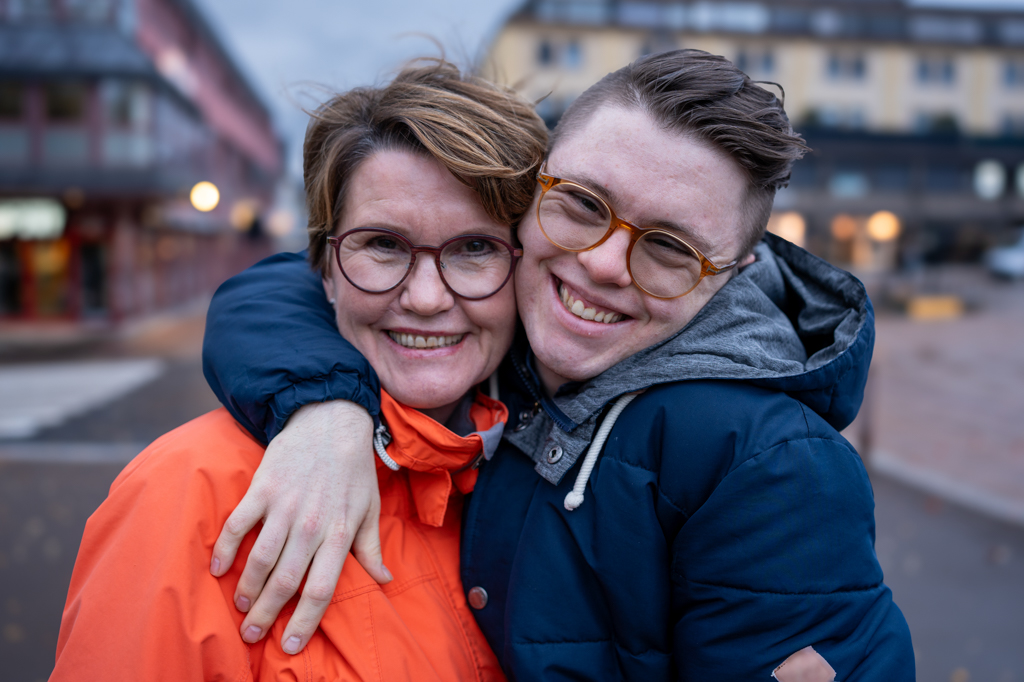
At the same time, Torill relates all too well to the conclusions of the research.
They have been frustrated and exhausted. At times, it has been challenging. They have had to fight multiple times to ensure Eirik received the support he needed:
People with Down's syndrome aren’t really that different from others. They just need a bit of help and support to live their lives and meet their needs.
For Eirik and his family, things have turned out well. They speak highly of the teachers and the support they received at primary school. Eirik was in a regular class throughout his primary education. It was only in upper secondary school that he was placed in a special class with others who have developmental disabilities.
Eirik has many friends, a supportive family, he reads and writes in both Norwegian and English, has been well integrated in many arenas and is a very active guy.
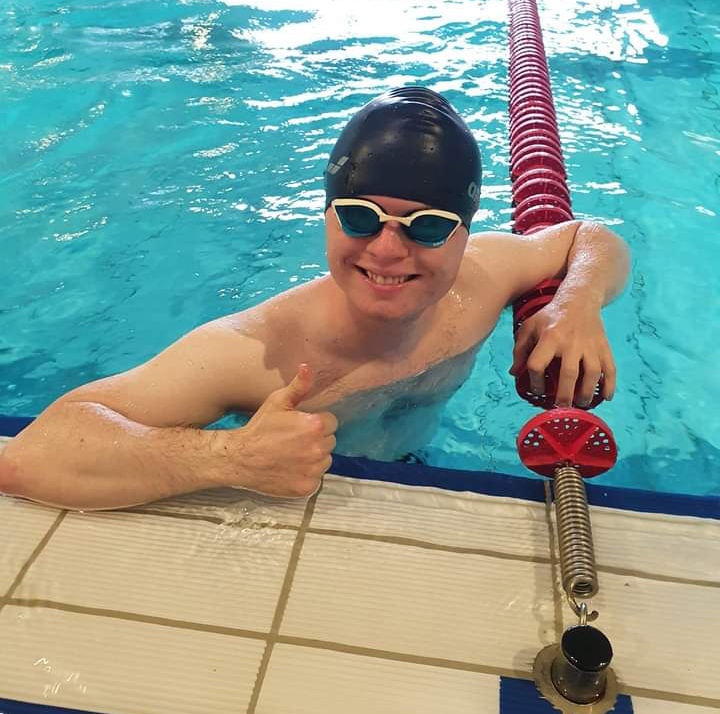
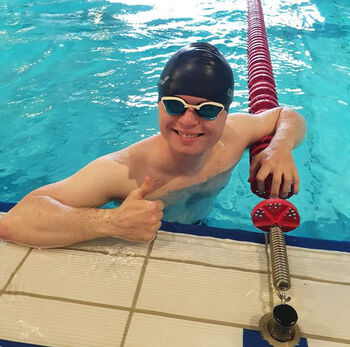
A central part of Eirik's life has been swimming. In the swimming club, he is part of the group. Sometimes, he has trained five times a week.

And that has made him one of Norway and the world's best swimmers in his class.
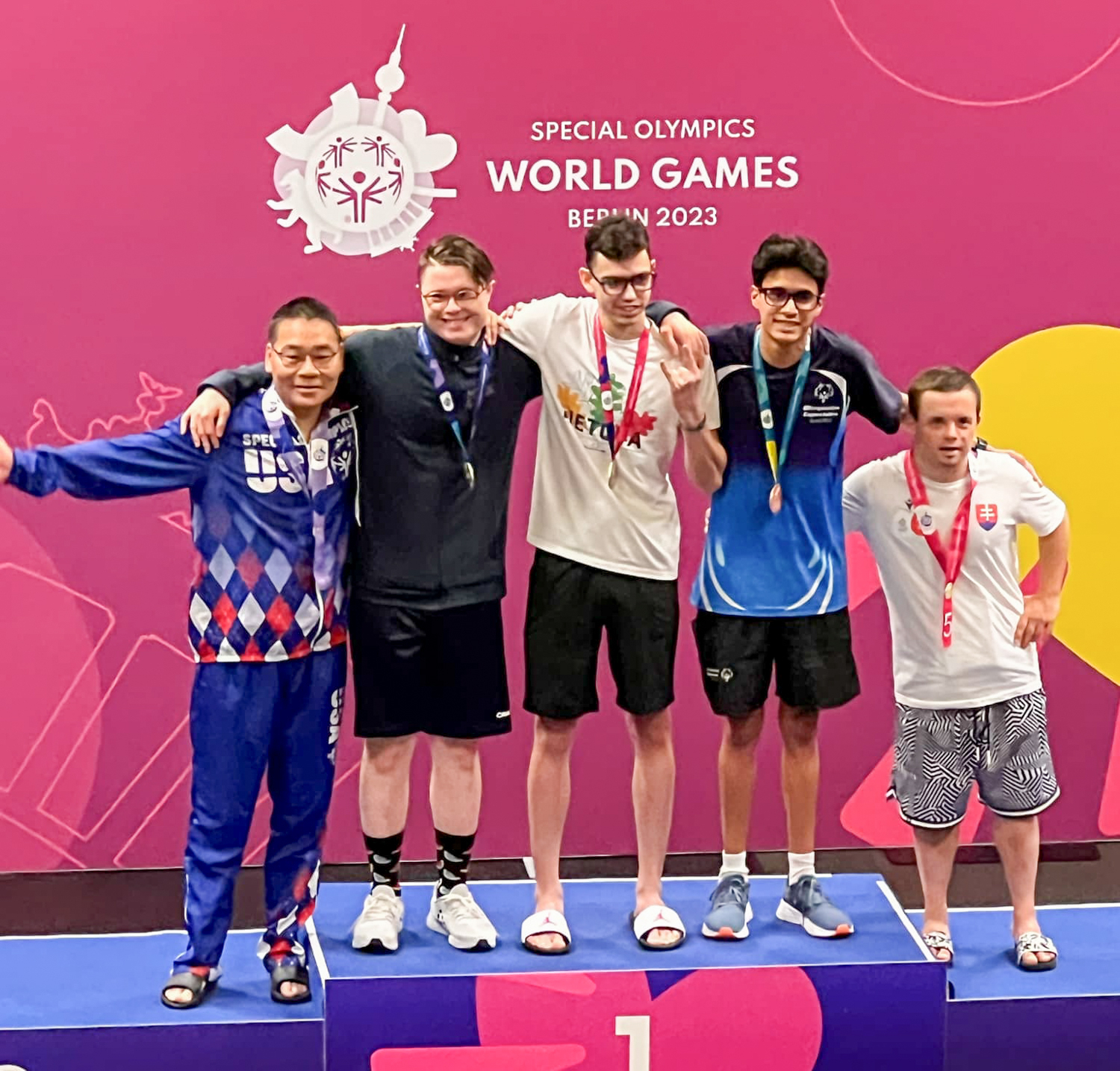
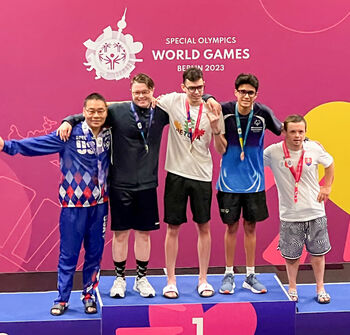
In the Special Olympics in Berlin 2023, he won the silver medal in 200 metres breaststroke!
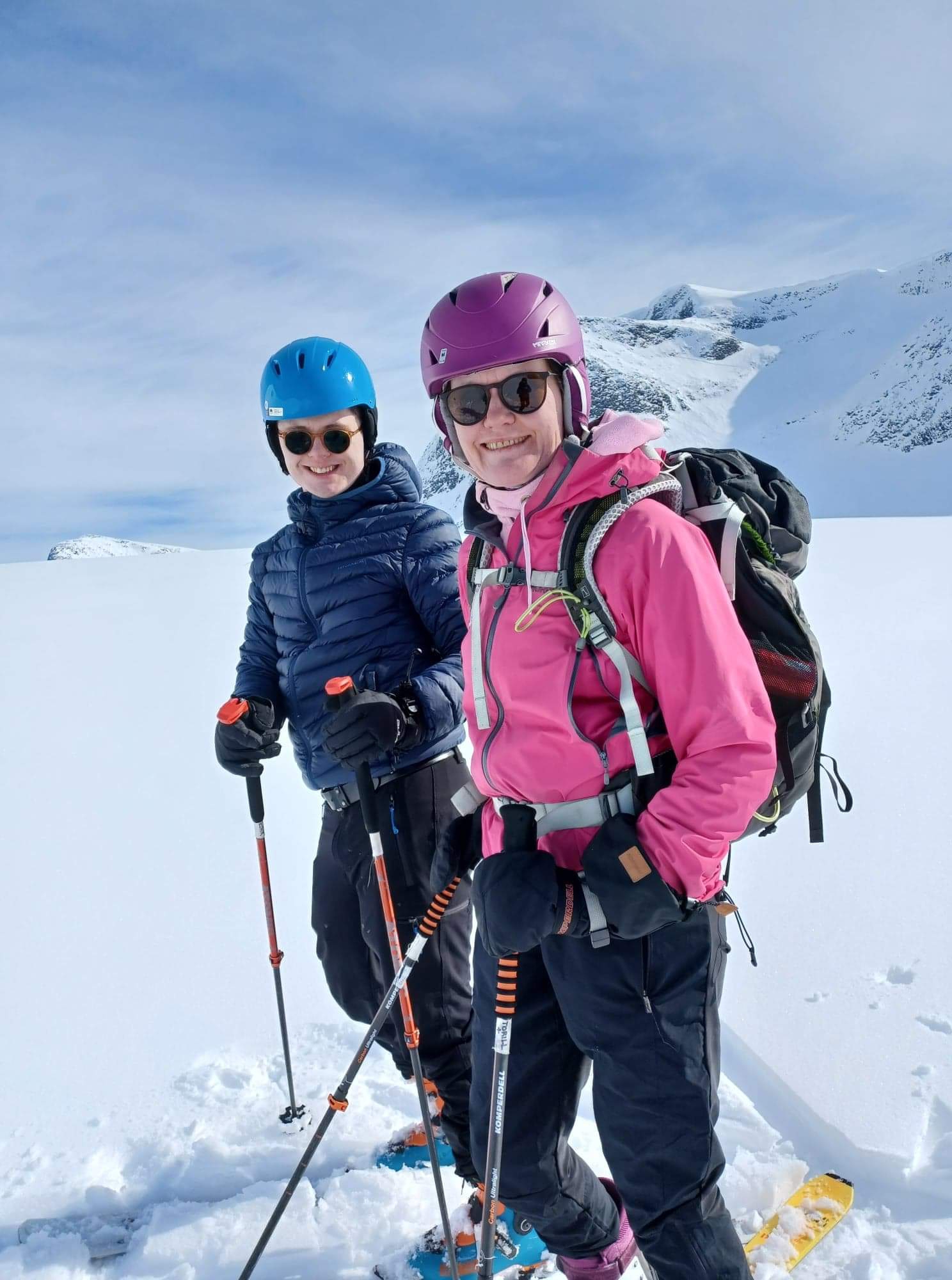
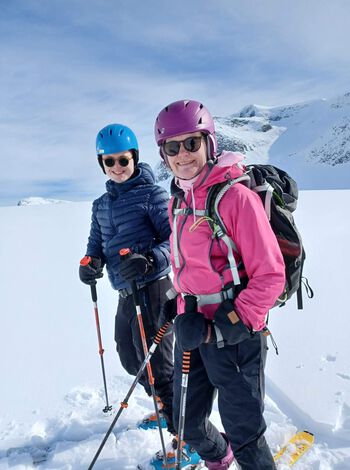
Another favourite activity is to go on mountain tops and ski back down in the snow – together with mum Torill and others in the family.

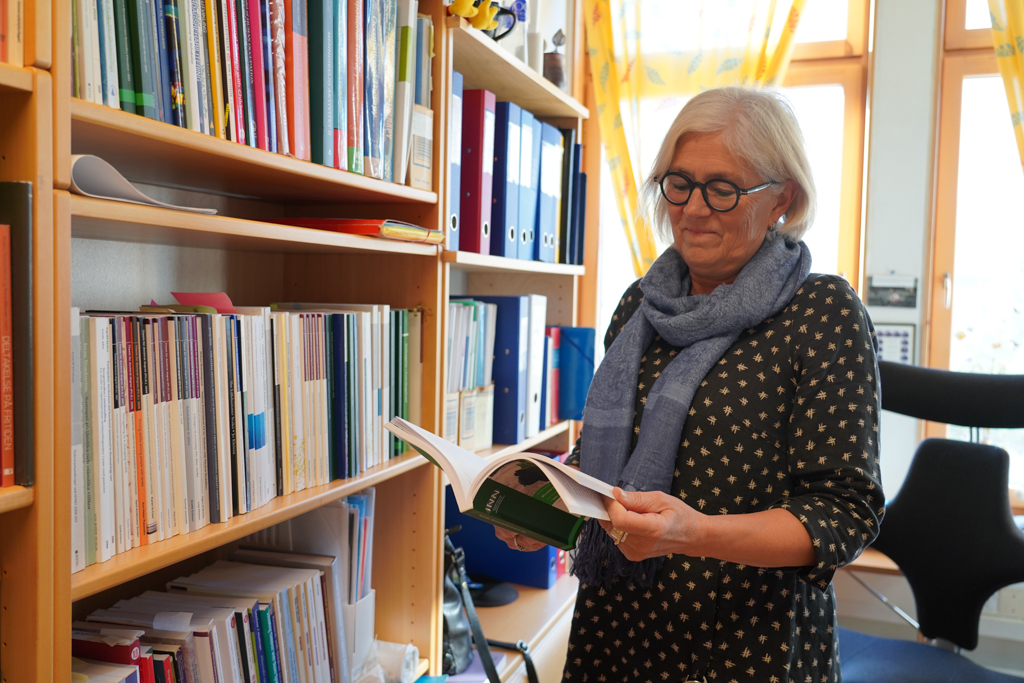
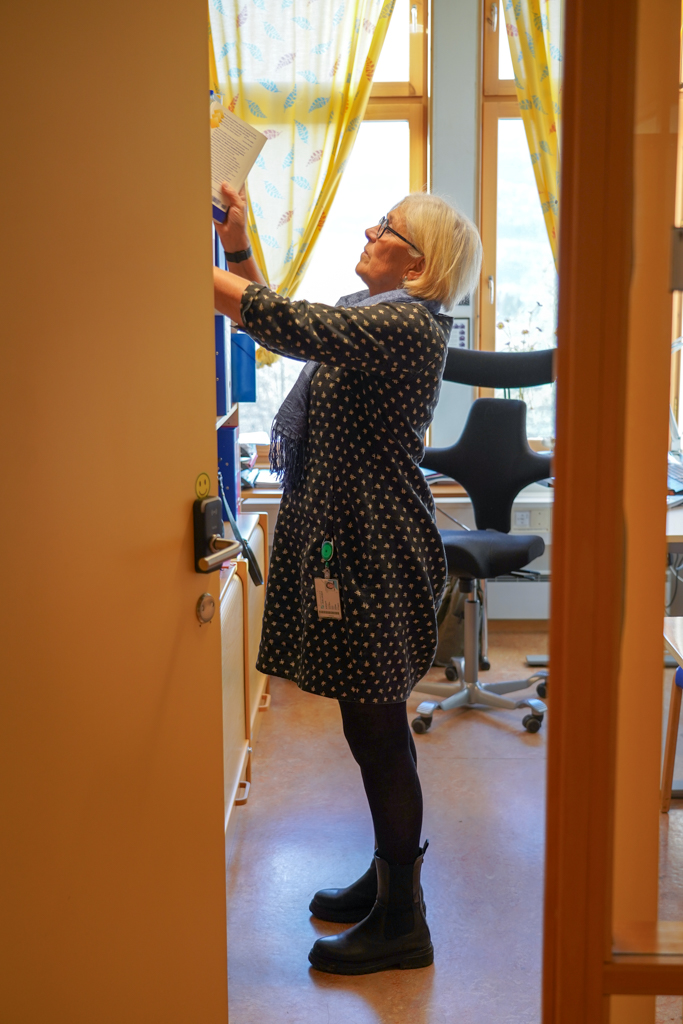
– What are you most proud of?
That we have a completely unique study. There is nothing comparable that looks at both the individual and their environment as comprehensively as we do. This is also a feather in the cap for interdisciplinary work, and I am proud to have such skilled and dedicated colleagues. Together, we have made this possible.
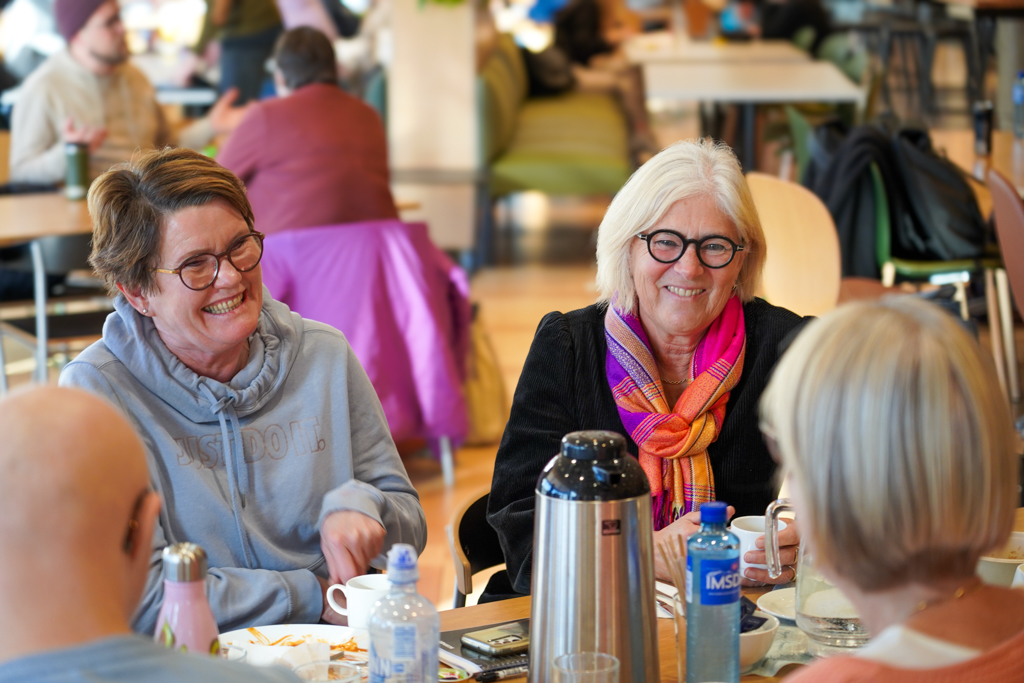
It’s clear that this means a lot to me. It means so much to have followed all of them since they were five years old, and I have met their parents several times. I have grown fond of them.
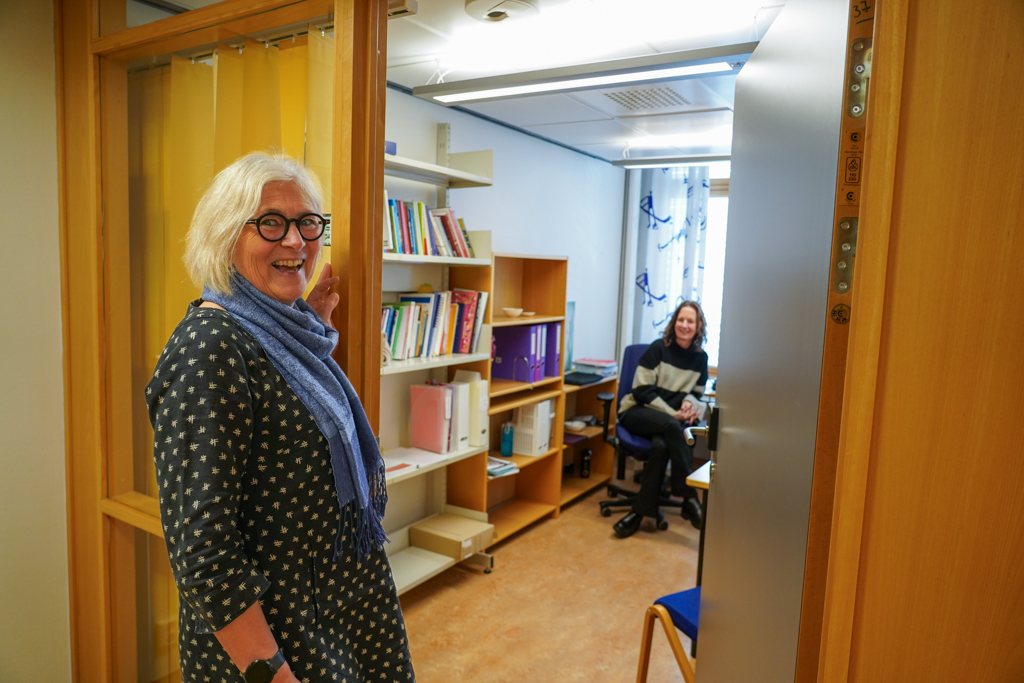
Did you think this was the end of the project? Not at all. Anne Stine has already chosen someone to carry this forward – her colleague Kjersti Wessel Jevne.
This is a longitudinal study. We have followed them until they became young adults, but now it's about what lies ahead for them.
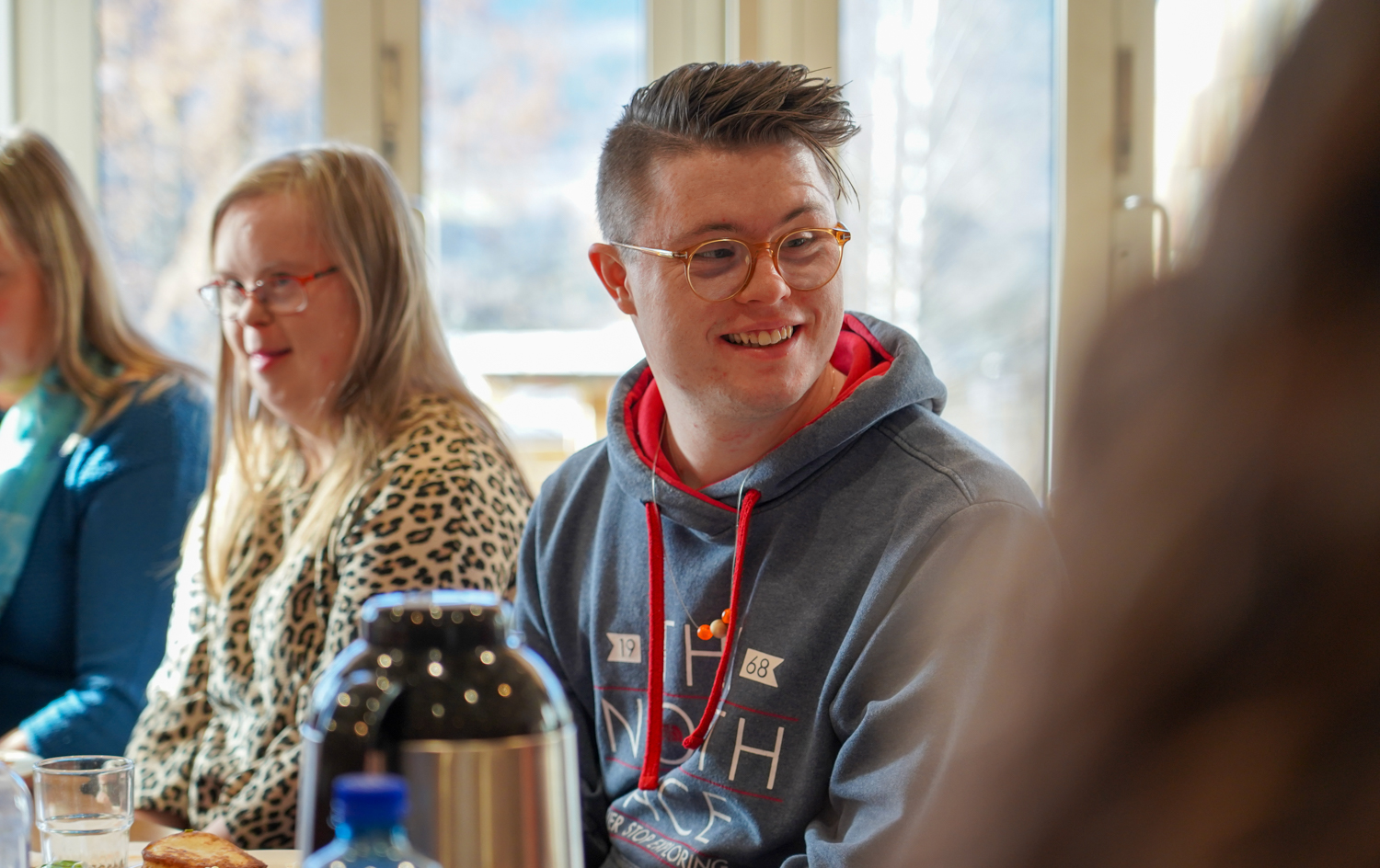
– Do you think the researchers' findings could help improve life for people with Down's syndrome in Norway, Eirik?
– Yes. I know some people with Down's syndrome who aren’t doing so well. I think some feel excluded and perhaps don't get to be part of the group. We who have Down's need to be allowed to be part of something and fit in.
– Why is it important to continue researching people like you, Torill?
– A lack of knowledge often leads to prejudice. A lack of visibility leads to prejudice. What Anne Stine has researched increases our level of understanding and makes those with Down's syndrome more visible.

Ask:

- anne-stine.dolva@inn.no
- Phone
- +47 61 28 80 24
Made by:

- ole.ringlund@inn.no
- Phone
- +47 62 43 02 71
/english/research/research-news/a-life-in-the-service-of-research/index.html, 248:3: ${include:contact}: https://www.inn.no/english/find-an-employee/halvor-mykleby.html?vrtx=vcf does not exist

- nan.kolby@inn.no
- Phone
- +47 62 43 03 26