
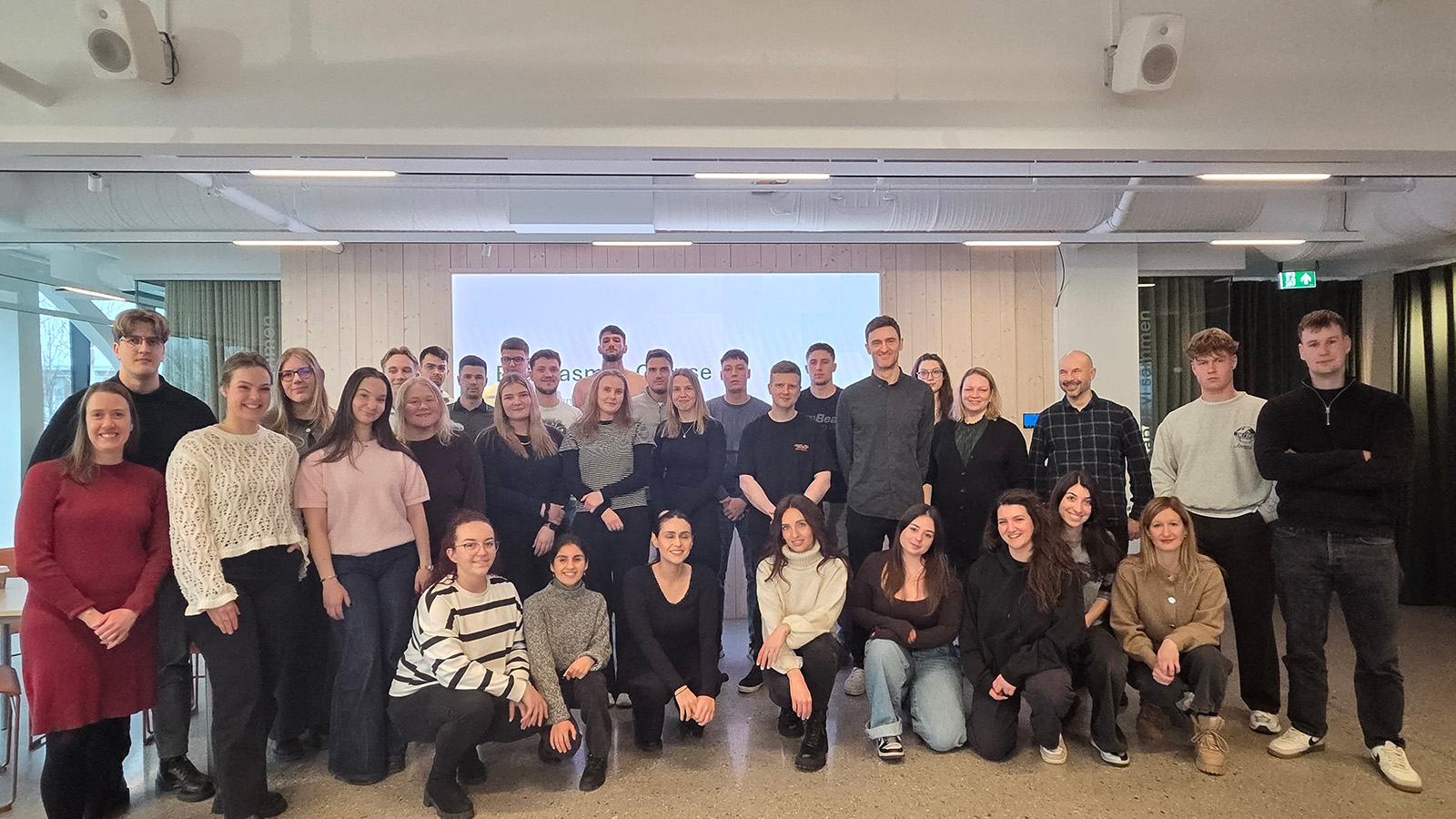
The students participated in an Erasmus+ Blended Intensive Programme (BIP) on the theme "Digital Value Chains and Networks for Regional Resilience." The programme was organised by the University of Inland Norway (INN) and the research centre CREDS.
The participants came from Sweden, Finland, Spain, Germany, Norway (INN) and Croatia.
"Students were engaged and contributed new and innovative perspectives to the tasks they were given," says Professor Johan Kask of CREDS - Center for Research on Digitalization and Sustainability, who was responsible for the programme.
Teaching was delivered by experts from CREDS, with additional contributions from regional stakeholders.
First visit to Norway
Three of the participating students – Dimitra Kolovou from Högskolan i Skövde, Miriam Michaelsen Gomez from the University of A Coruña, and Litan Cai from Europa-Universität Flensburg – were visiting Norway for the first time.
They worked in the same group and were tasked with examining innovation in established companies, specifically how small and medium-sized enterprises and industrial firms can collaborate more closely to strengthen innovation.
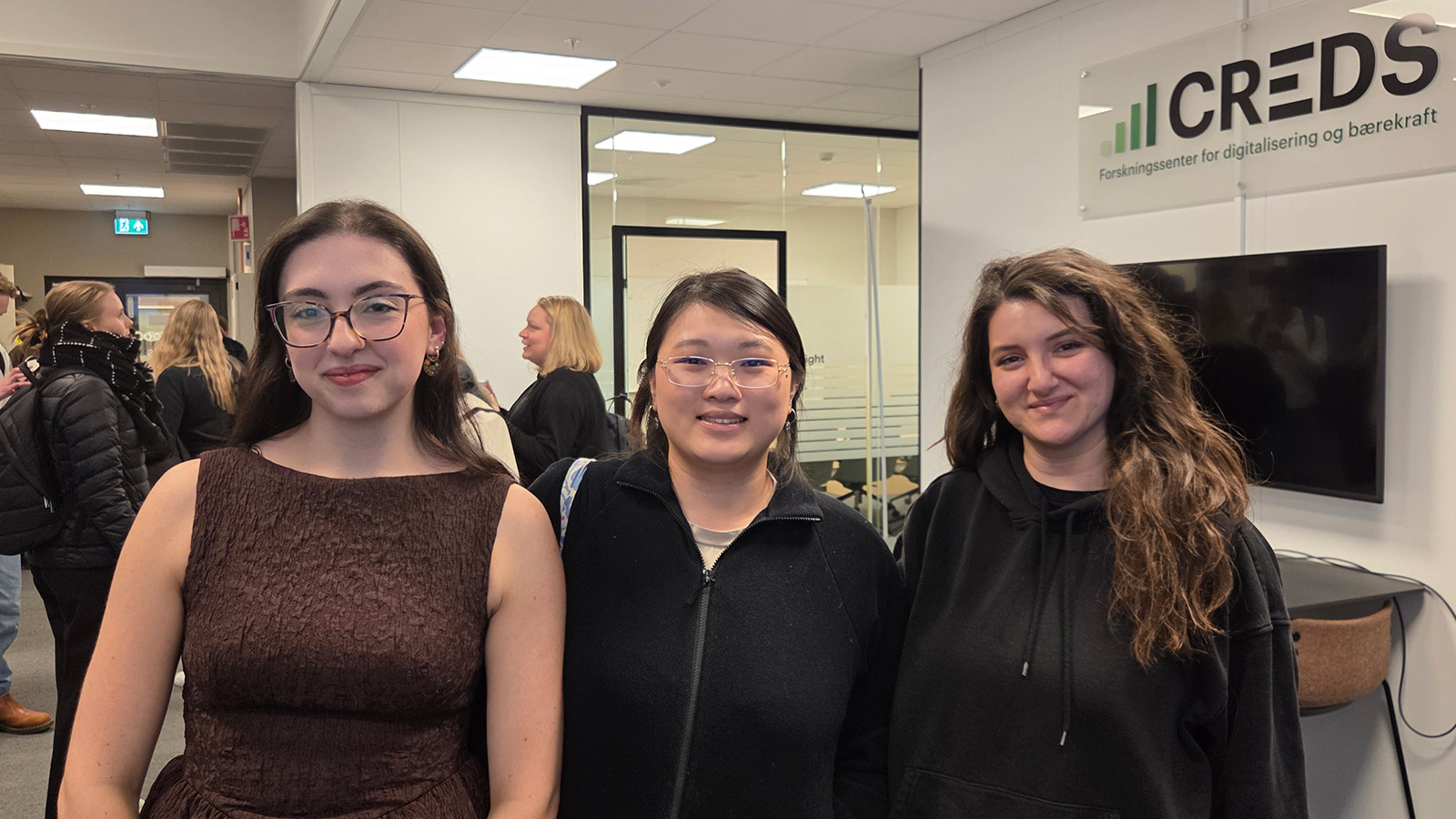
– It was an exciting but challenging assignment, since we don't know the local context very well, they said.
For all three, this was their first visit to Norway, and their stay in Kongsvinger left a positive impression.
“Kongsvinger was bigger than I expected, and the food was good. It was also exciting to meet students from other countries. The assignments were interesting, and we will continue working on them when we return home as part of the course,” the students say.
Became friends quickly
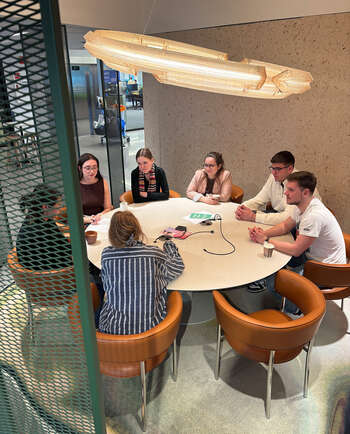
During the week, the students worked in international groups. Although many initially stuck with students they already knew, that quickly changed.
“At the beginning of the week the students stayed mostly with people they already knew. It takes a little time to get to know each other, but by the end of the week everyone had become well acquainted and functioned as a strong group. It was nice to see,” says Joachim Rahmström, Associate Professor at the University of Turku.
Ana Živković, Associate Professor at J. J. Strossmayer University of Osijek, also describes the programme as successful.
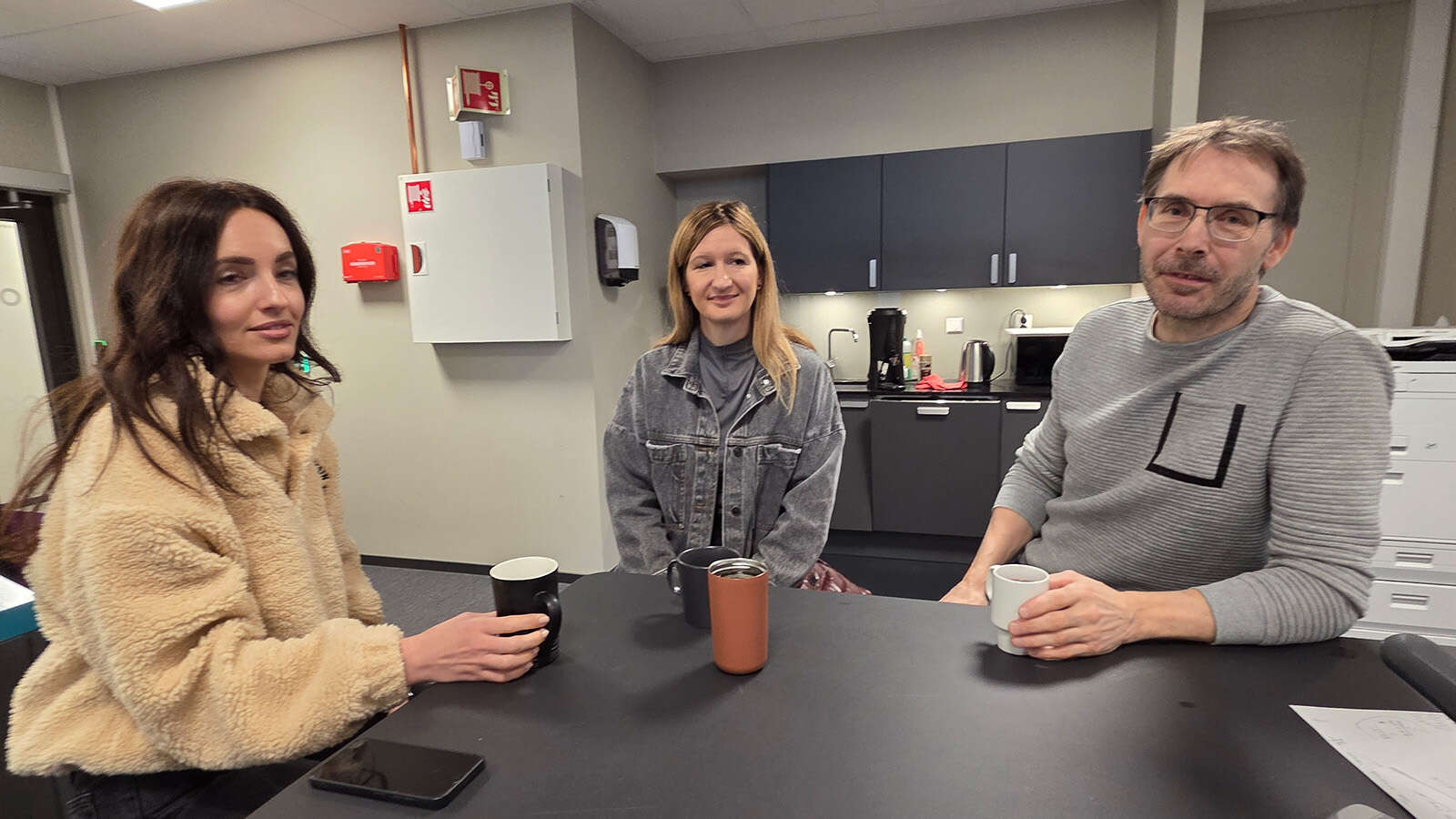
"It was a good idea to give the students practical assignments related to the local community. Many of the students themselves come from smaller towns and can therefore relate to the issues," she says.
Working together with regional partners
The programme combined lectures, workshops and collaboration with regional stakeholders. Among other activities, the students gained insights into regional innovation and business development through meetings with Campus Kongsvinger, Innlandet Science Park, Klosser Innovasjon and 7sterke.
Two of the participating universities – the University of A Coruña and Europa‑Universität Flensburg – are also members of EMERGE, together with INN.
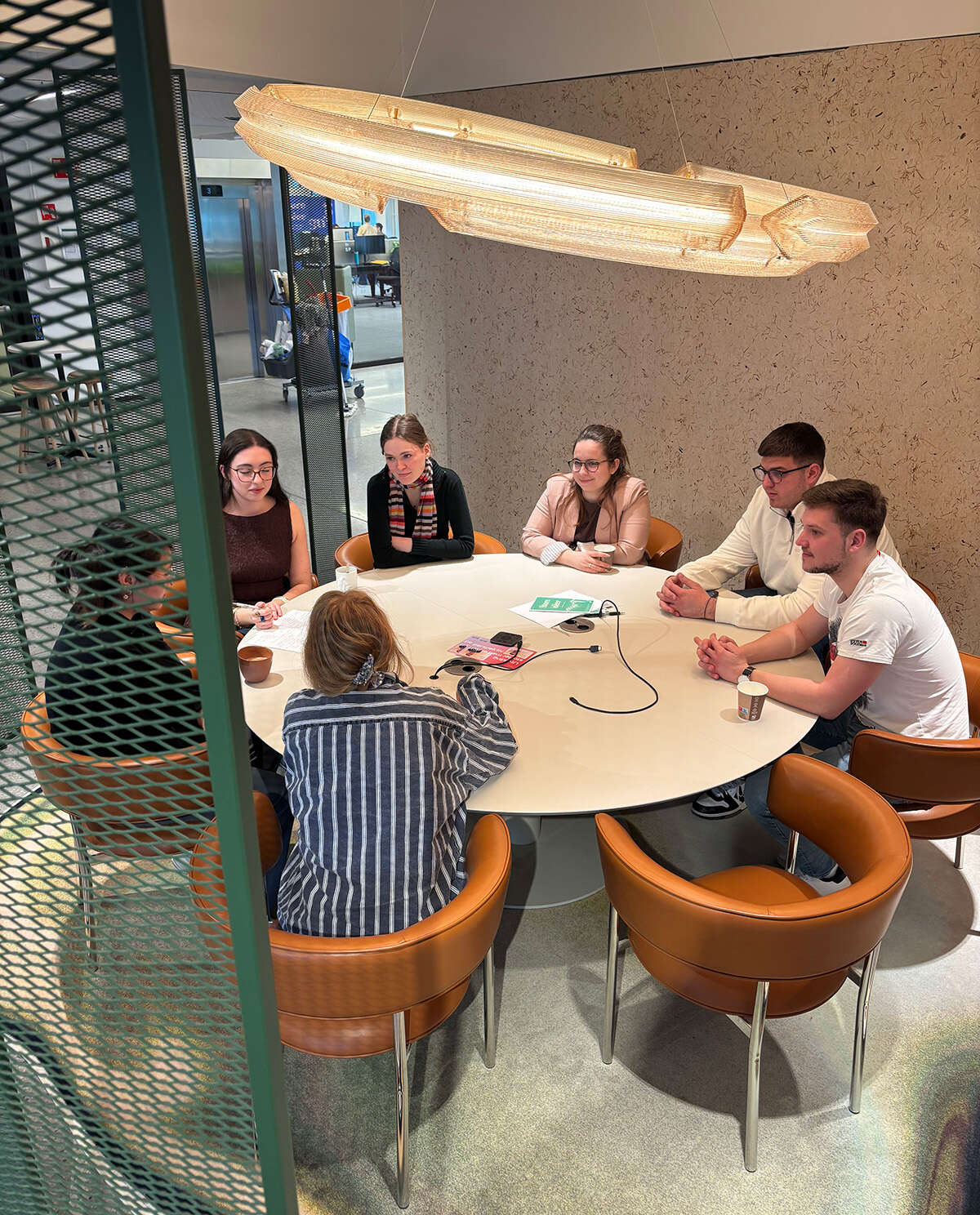
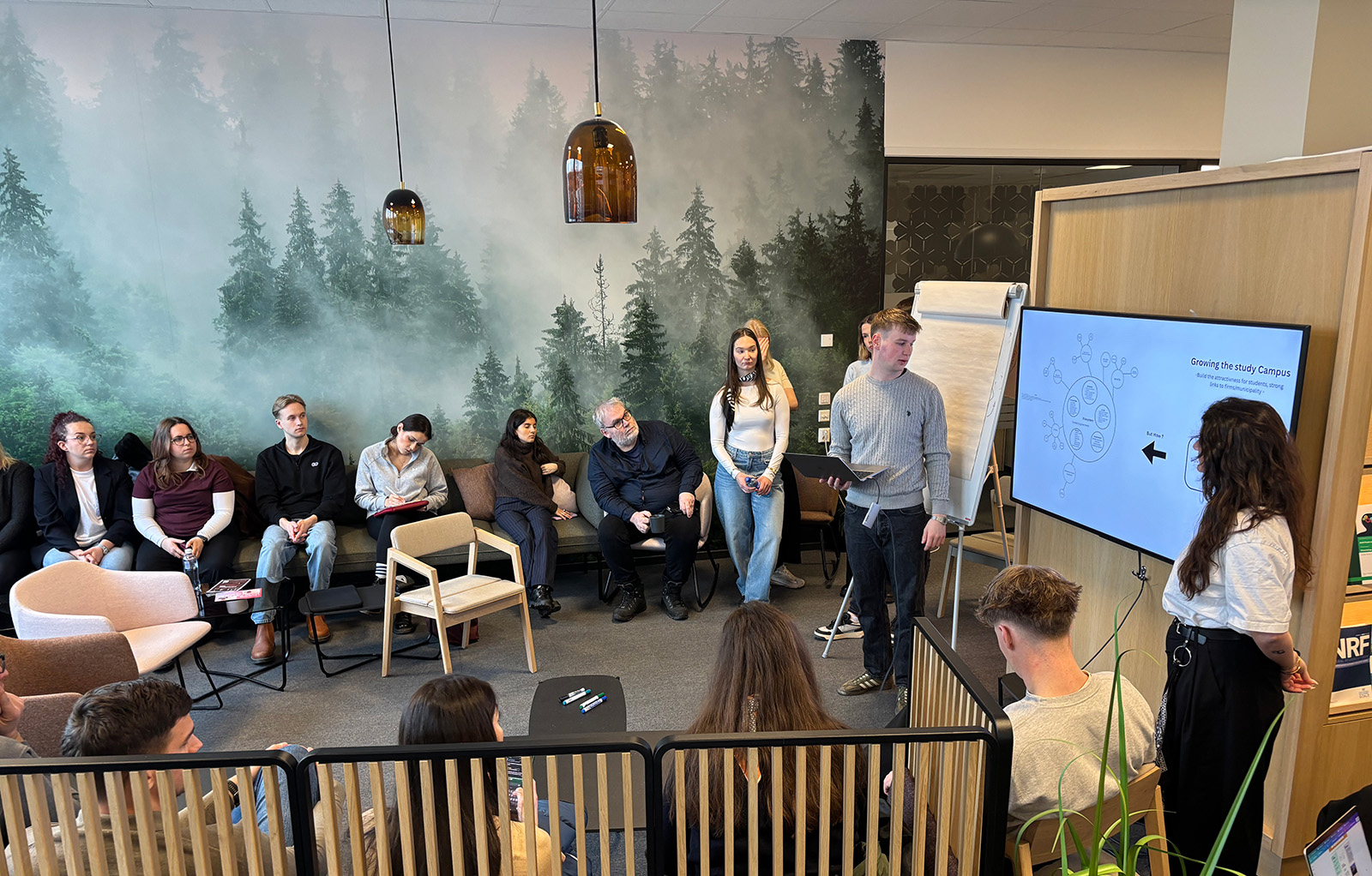
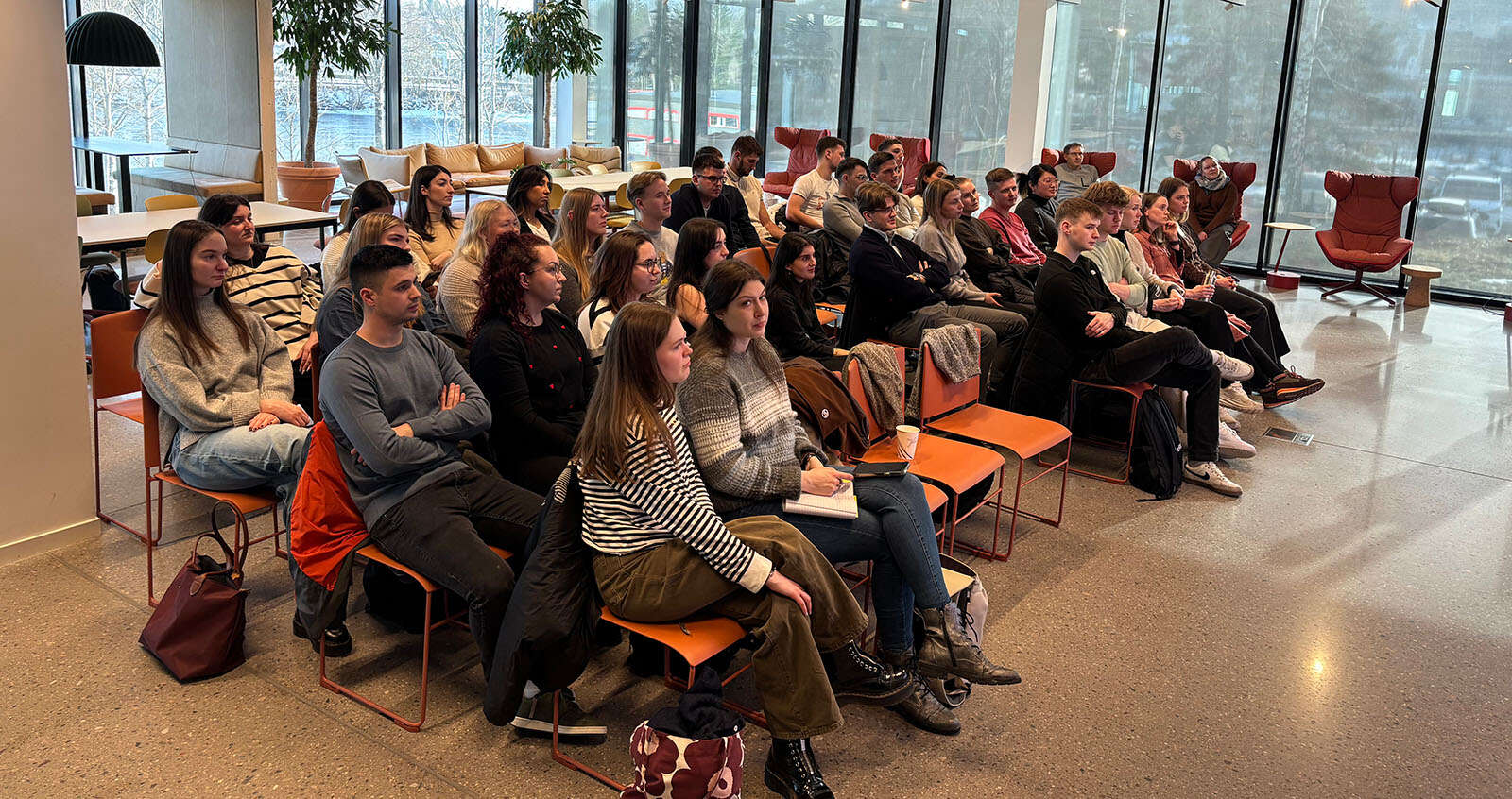
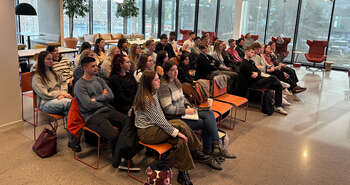
A variety of activities were used while 33 students joined lectures, workshops and group projects.
Photo: Jørgen Flint / INN
Tasks
The students worked on the following issues:
- Development of Kongsvinger as a study location – how to increase attractiveness for students and strengthen links between the university, local businesses and the municipality.
- Further development of the incubator – how to generate more ideas and increase interest in entrepreneurship and startups.
- Kongsvinger as an attractive place to live – using test arenas, pilots and place-based innovation to improve services and boost the region’s attractiveness.
- Innovation in established companies – how small and medium-sized enterprises and industrial firms can collaborate more closely to strengthen innovation, including partnerships with the University of Inland Norway and CREDS.
- Sweden–Norway border hub – how to strengthen cross-border cooperation, partnerships and talent flow between the regions.
- More locally useful research for the municipality and region – how research can contribute more directly to the development of local communities and businesses.