
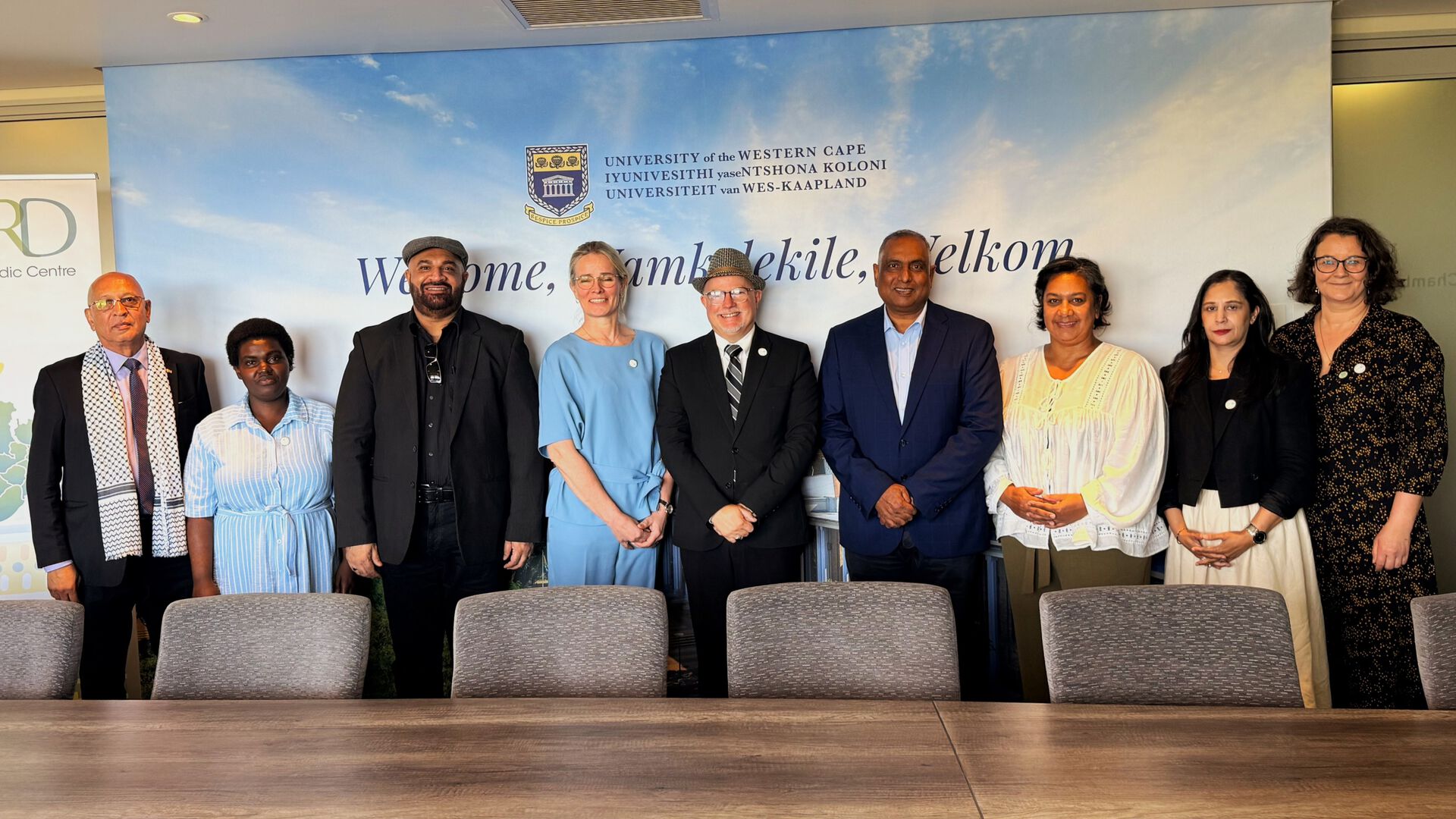
“In SANORD, emphasis is placed on institutions meeting as equal partners and standing together to address many of the same challenges, despite different contexts. We have a great deal to learn from one another,” says Director of Organisation at the University of Inland Norway (INN), Stine Grønvold.
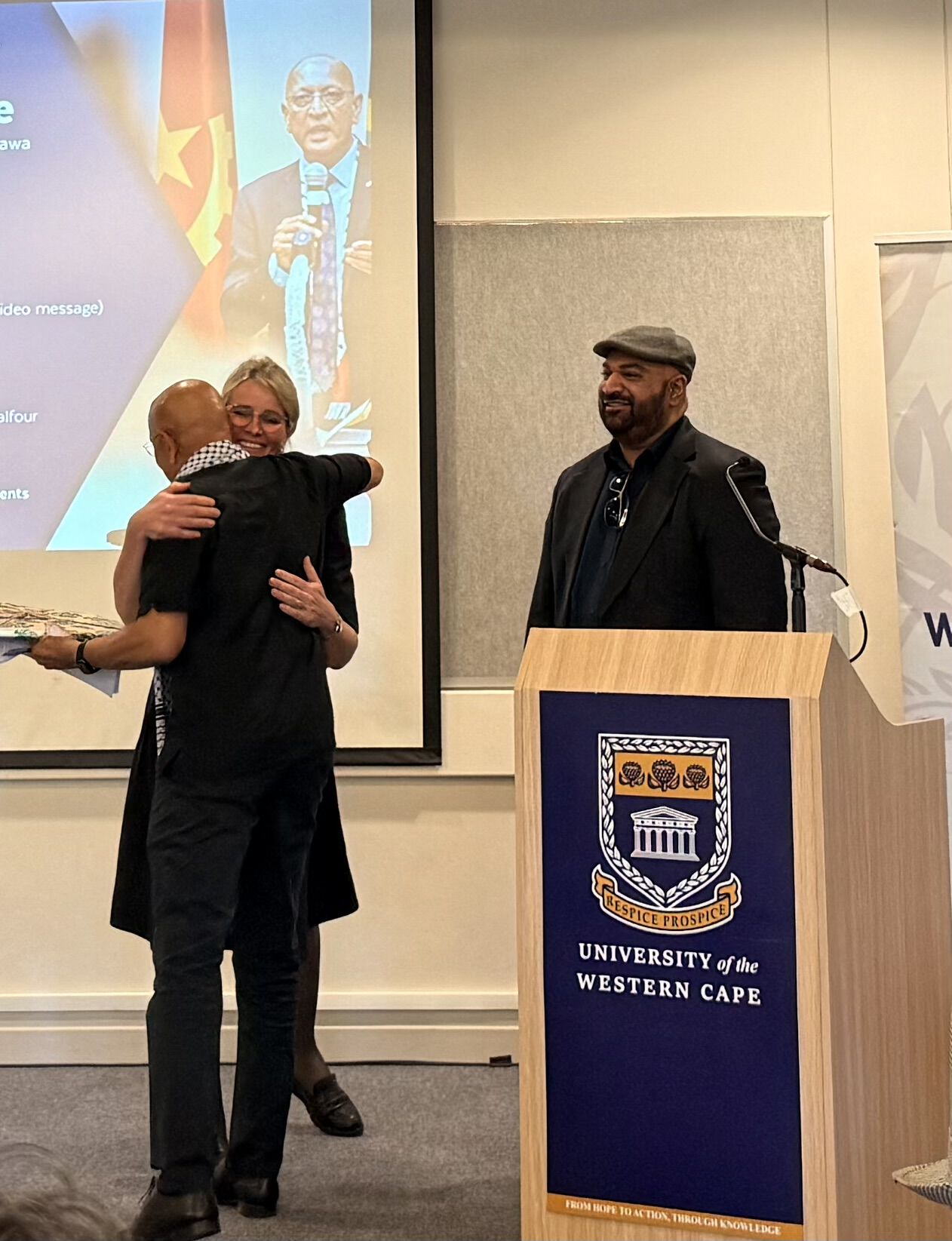
INN has been a member of SANORD (Southern African-Nordic Centre) since 2013. The core values of the collaboration are reciprocity, strategic development, sustained engagement and leadership.
Grønvold and international senior adviser Bente Gaalaas Rønningen have visited Cape Town in South Africa to step into the new role as chair of the network.
Grønvold will serve as chair, while Gaalaas Rønningen will be SANORD’s contact person at INN.
During their days in South Africa, they met, among others, the Vice-Chancellor of the University of the Western Cape (UWC) to discuss the significance of the network, as well as holding meetings with the SANORD Central Office and the new director of the SANORD office, Dr Tasmeera Singh.
“It was important for INN to establish personal contact with Singh, as we will be working closely together over the next two years as chair and director,” emphasises Gaalaas Rønningen.
The board has also been newly elected, with three representatives from the North and three from the South. The vice-chair is Professor Priscilla Baker, Pro-Vice-Chancellor for Research at UWC.
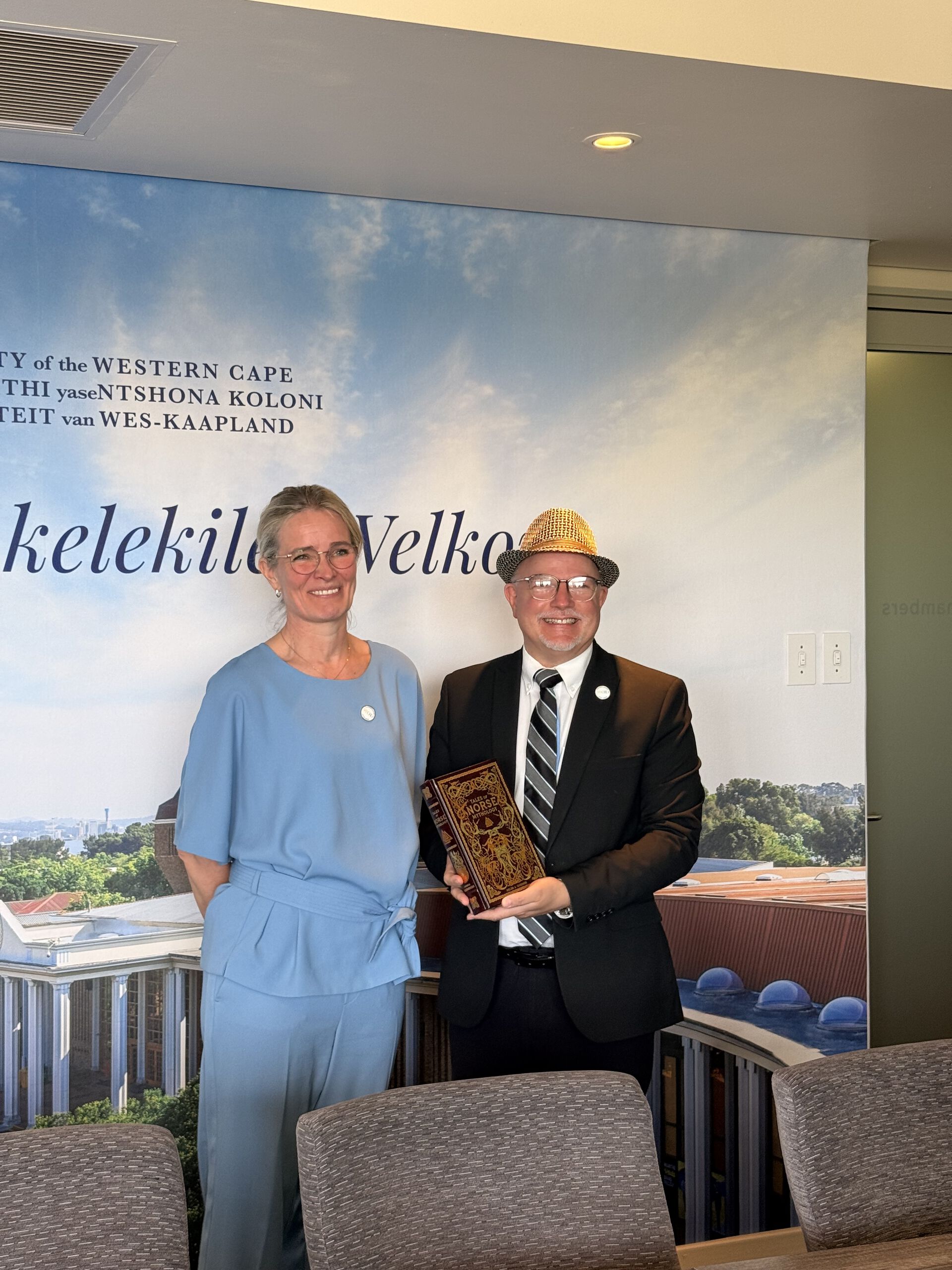
“Our international engagement is both about ensuring that we ourselves maintain high quality in education and research, and about the need to collaborate with others to fulfil our societal mission,” explains Grønvold.
Representatives from universities on the Cape Peninsula that are also part of SANORD (Stellenbosch University, Cape Peninsula University of Technology and the University of the Western Cape) met to discuss the needs of member institutions and how the network can develop further.
South Africa is one of the countries covered by the Norwegian Ministry of Education and Research’s Panorama Strategy, which addresses how Norway should strengthen cooperation in research, higher education and innovation with countries outside the EU/EEA in a holistic and long-term manner.
“We have a long history of collaboration with various institutions in the network, which has helped us easily connect with one another and has fostered relationships characterised by high trust,” says Grønvold.
Read more:
Contact information:
