
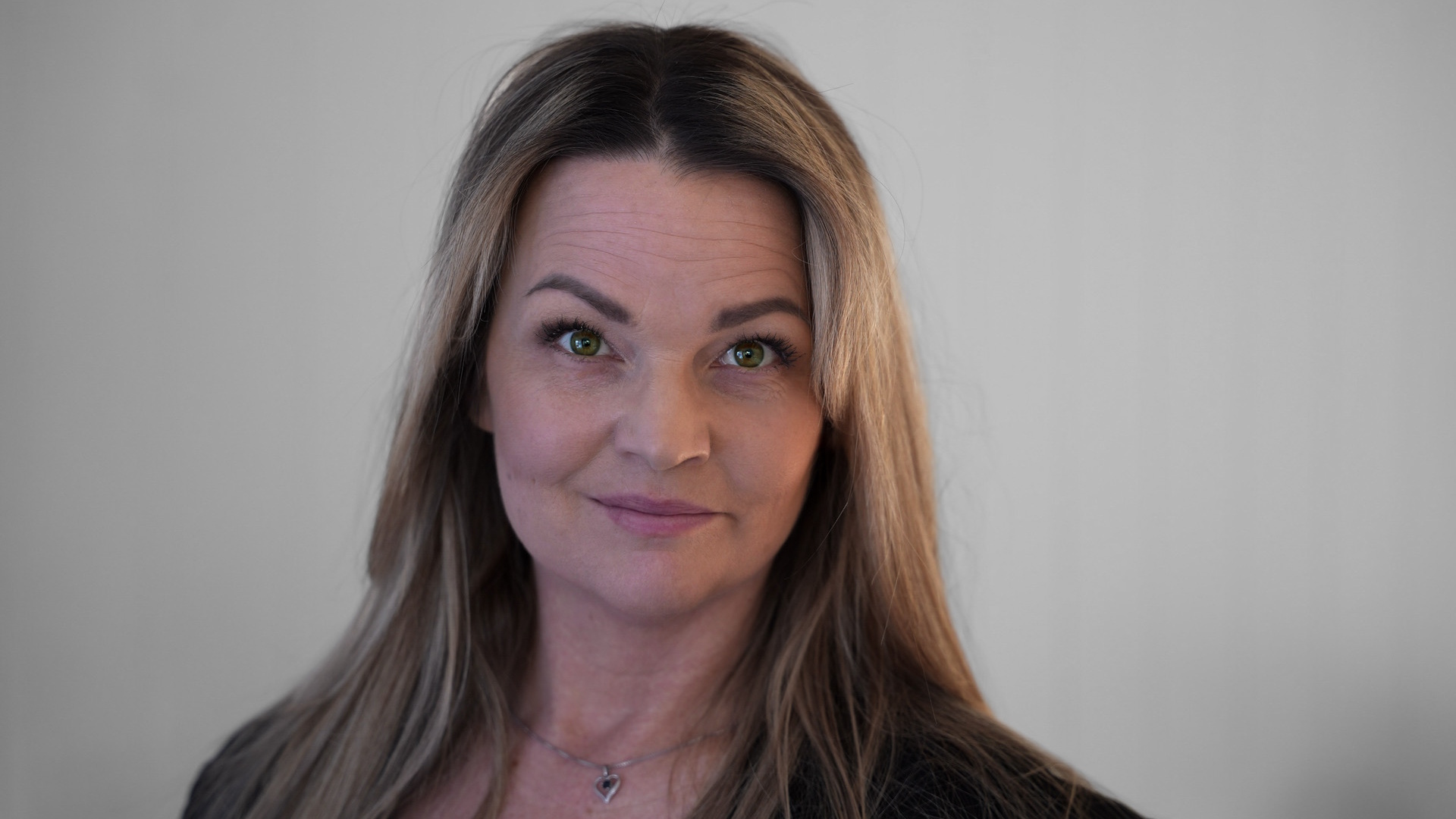
That Tonje Louise Finne from Våler in Solør would become Norway’s first female professor of cinematography, was not something she had initially envisioned.
It all began when a friend started studying art history at Lillehammer University College, prompting Tonje to explore the same course offerings. Buried deep in a list, she found a one-year programme in film studies. Is that really something you can study? she wondered – and ended up having an enchanting year.
The journey is the destination
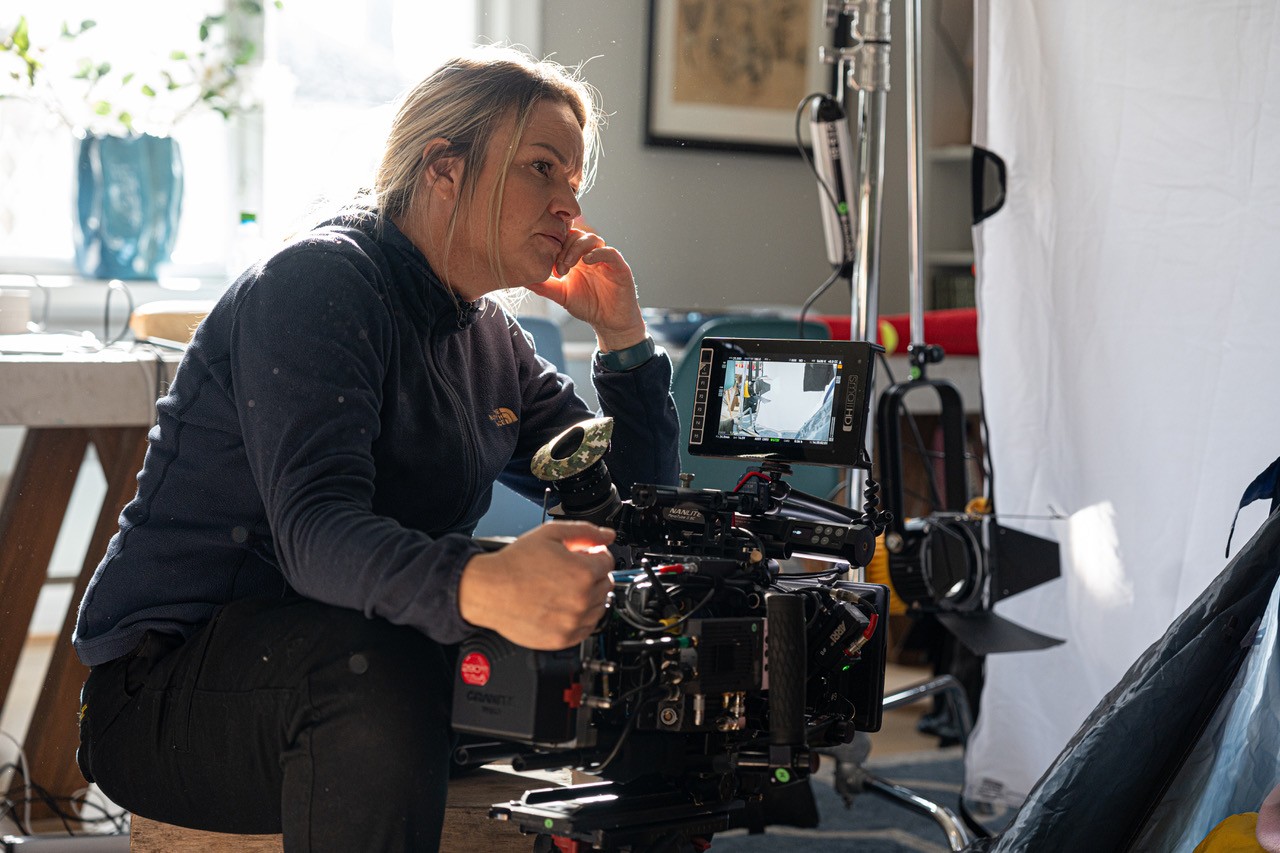
Engaged lecturers and diligent fellow students helped open her eyes to the art of film. After film studies in both Trondheim and Volda, a well-trained young woman entered the cinematography programme as the only girl in cohort 4 at The Norwegian Film School.
– Cinematography is a male-dominated profession. You are, and you are not, one of the guys. I had to embrace that, and I have found a secure place within my professional environment, Tonje says, and continues:
– At the same time, I believe that everyone who gets into film school understands that they have been given a unique opportunity, and so everyone wants to make the most of the three years they spend there. I worked hard and intensely. One of the most important things I did for myself was admit that I did not know everything beforehand. I dared to say I did not know, and I asked for advice. Kjell Vassdal was my main teacher and professor, and he taught me so much, both about being a cinematographer and a teacher.
Pedagogical tools
This knowledge has been carried into her own teaching at the TV School.
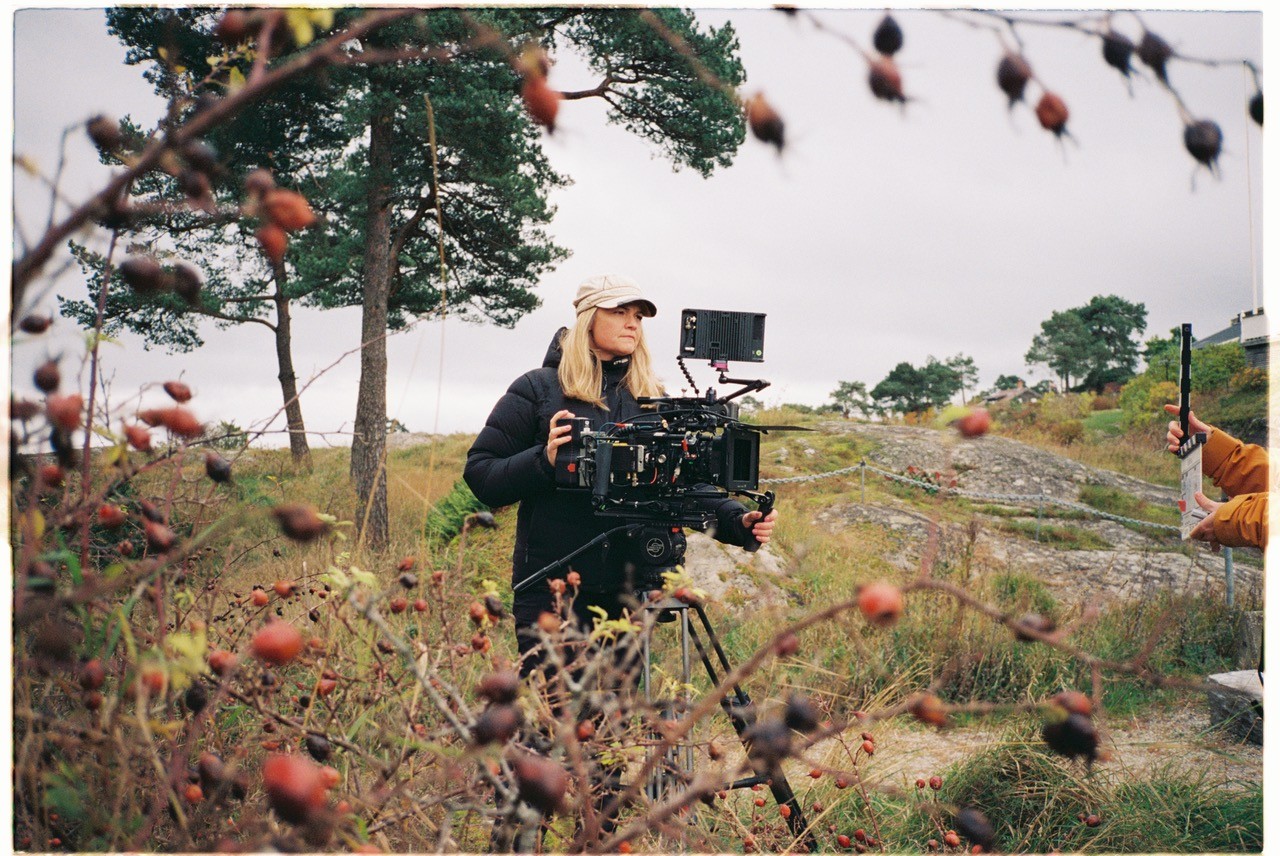
– As an educator, I am focused on dialogue-based teaching. Students should try out in practice what we talk about. They should try and fail, and reflect on the results, regardless of whether they are right or wrong. It is my duty as a teacher to create a safe space where students can develop through knowledge-sharing and reflection.
Alongside her role as a professor at the TV School, Tonje actively works as a cinematographer. She has worked on numerous documentaries, TV and documentary series, and children's TV programmes.
Cinematic techniques in storytelling
In documentary filmmaking, she meets real people with different backgrounds and stories. In such cases, it is important to create a safe environment and space.
As a cinematographer, I often dare to take up some space and be friendly, but also clear about what I want.
This creates a sense of security.
– At the same time, it is important to be open and inclusive, and my most important task is storytelling. As a cinematographer, you must master the craft so that you can use cinematic techniques, but the key is finding the narrative perspective. What story are we actually telling? The education I’ve received has been crucial to where I am today.
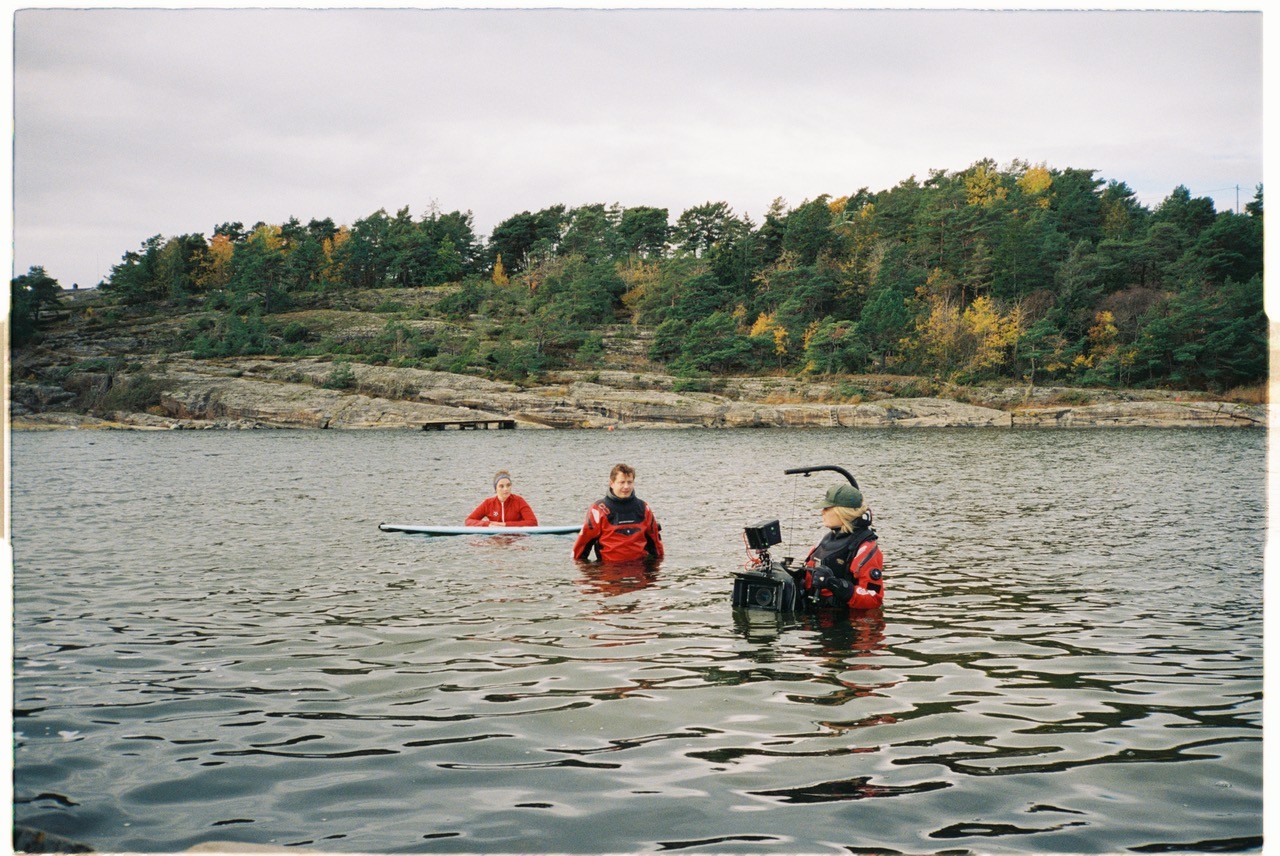
– As a cinematographer, you must have a presence. All your senses need to be available. It is also this that gives me the great experiences—the feeling of being in flow behind the camera.
Thoughts on the professor title
As Norway’s first female professor of cinematography, she feels humble.
I can clearly see that this will open some new doors for me. It will lead to different types of collaborations and new projects in the form of research.
– I am so happy for this new opportunity to grow and develop as a professional and educator. My wonderful colleagues at the TV School have supported me, and that has been absolutely fundamental in starting the process of applying for promotion. This achievement makes me both proud and happy, and it gives me the motivation to stretch further – towards more of the unknown.
But for now, she is looking forward to starting a brand-new documentary series about the school closures in Innlandet County.
– It has been decided that my old high school will permanently close in June 2025. I want to tell that story, and I want to show how young people are affected, those who still do not know they could one day become a professor.
Contact information:

- tonje.finne@inn.no
- Phone
- +47 61 28 81 42

- stina.greaker@inn.no
- Phone
- +47 62 43 00 62