
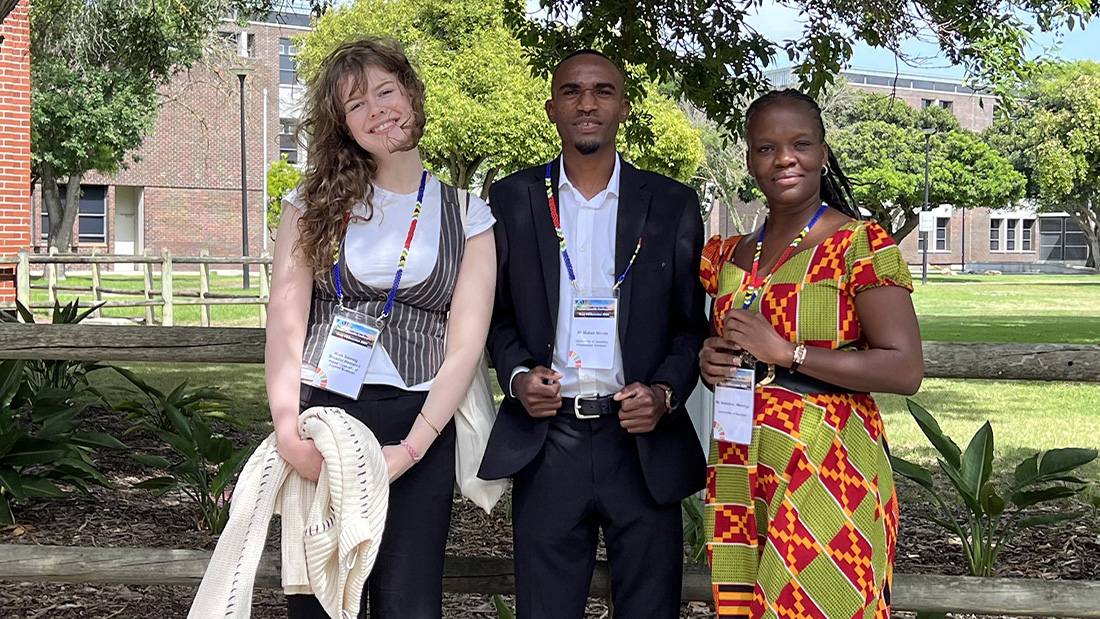
– I was initially scheduled to have a regular supervision session, so I was very surprised when I was asked to present. It is probably because the topic of my paper aligned well with the academic programme they wanted for the conference, says Solveig.
SANORD stands for South African-Nordic Centre and is a network of more than 50 higher education institutions. The partners come from the Nordic countries and Southern Africa, with the goal of fostering collaboration across institutions and geographic regions.
In 2023, the conference was held in Hamar, Norway, while this year it took place in South Africa.
– For me personally, it is both liberating and enriching to have the opportunity to present something I have worked on in surroundings like these, says Solveig.
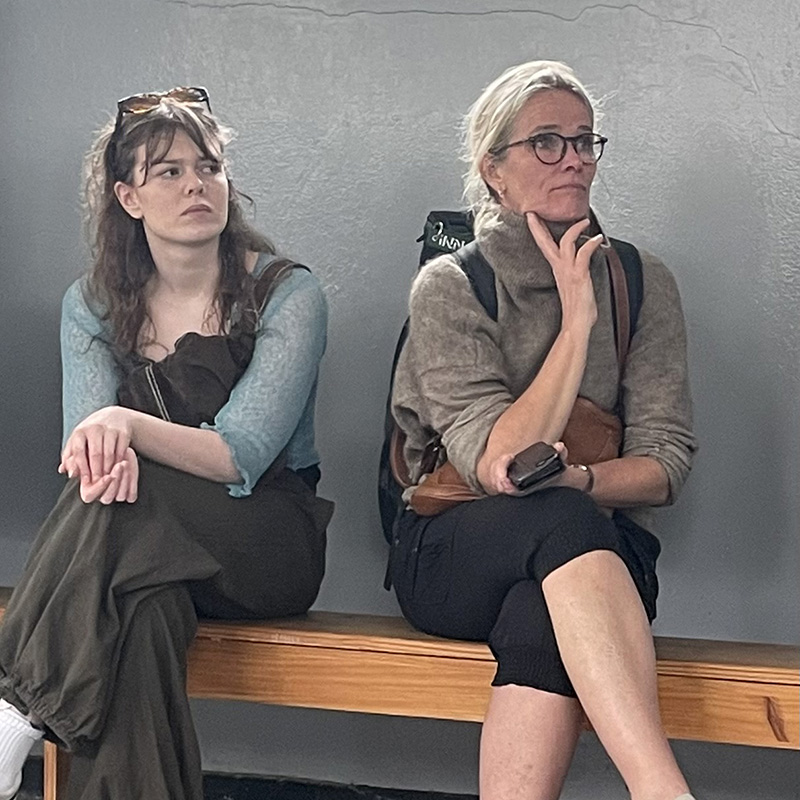
Pro-Rector for Education, Stine Grønvold, also attended the conference in Cape Town.
– This collaboration is an excellent example of how internationalisation can be integrated into teacher education by combining practice with research. It also highlights the importance of involving students in all phases of a development project, including dissemination, says Grønvold.
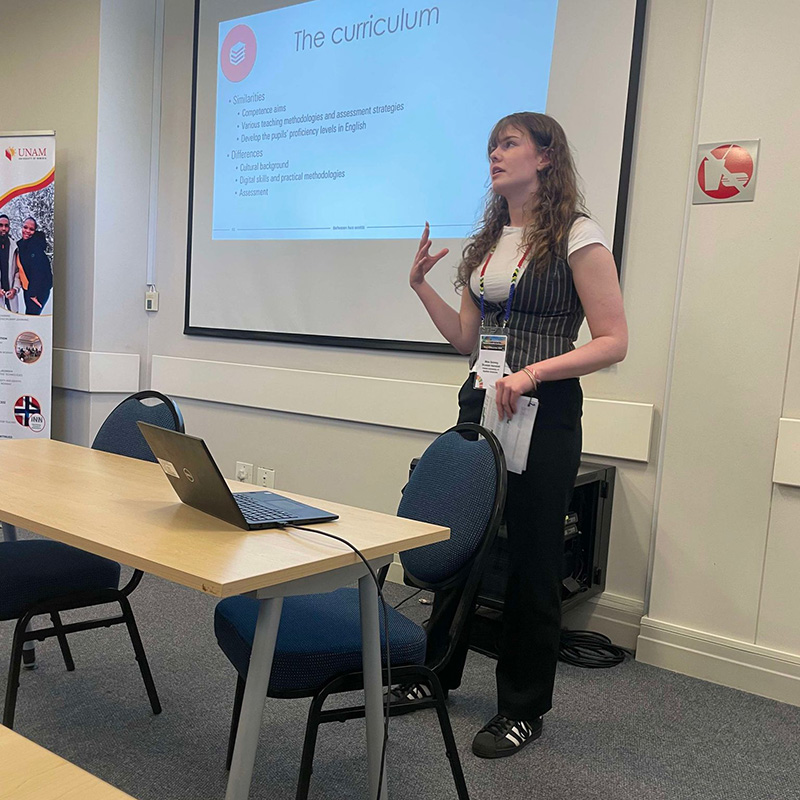
During her presentation, Solveig delved into how the Namibian students perceived English language teaching in Norway. The findings of her project show that aspects we consider fairly normal in Norway were perceived differently by the Namibian students.
– The biggest difference between English teaching in Namibia and Norway is related to digital teaching and tools. Norwegian schools have become very digitalised, with nearly every student having their own PC and/or iPad. According to my interviews, the Namibian students found this somewhat unusual and, overall, identified more negative than positive aspects of this development, says Solveig.
Studying to become a primary school teacher
Solveig is currently pursuing her primary teacher education (grades 1–7) at the Hamar campus, specialising in English to become an English teacher.
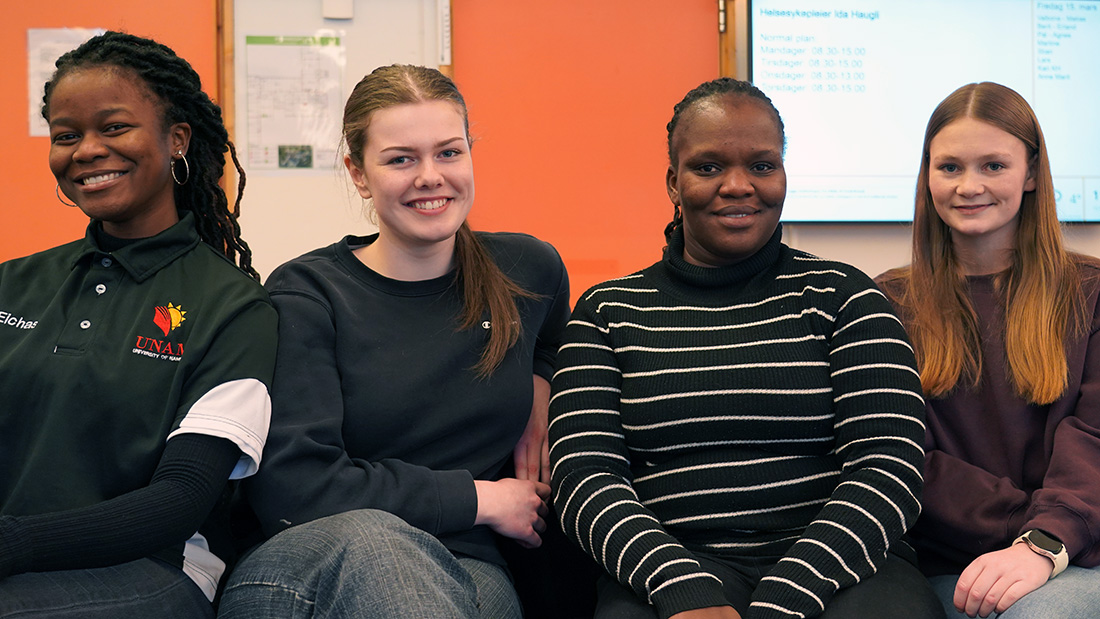
The idea for her R&D project on Namibian students’ perspectives on English teaching in Norwegian classrooms came from an internationalisation project that allowed ten Namibian teacher students to do their teaching practice at Prestrud school in Hamar. Solveig worked alongside two of them during their placement.
– We gain their perspectives on teaching in Norway, which is incredibly valuable. Even though we are not teaching in another country, the feedback from the Namibian students can open our eyes to how we teach here, as we approach it in slightly different ways, said Solveig earlier this year in April.
Gained many international Insights
During her studies, Solveig has actively taken advantage of the opportunities offered through the internationalisation efforts of her teacher education programme.
In autumn 2023, she spent a semester at the Norwegian Study Centre in the UK, located at the University of York. After Christmas, she is set to complete a teaching placement at a primary school in Zambia.
– INN has made it so easy for us to go on exchange and explore the world, really. I think when you are given opportunities like this, you have to take them, especially since we receive great financial support and assistance from the International Office, says Solveig.
Aspiring to be an English teacher
By summer 2026, Solveig will be a qualified teacher. She does not rule out the possibility of connecting her master’s thesis to internationalisation and her R&D project, noting that her experiences will likely make her an even better teacher.
It would be exciting to work as a teacher abroad at some point, but I would prefer to have my base in Norway and practise the teaching profession here once I finish my studies, says Solveig.