
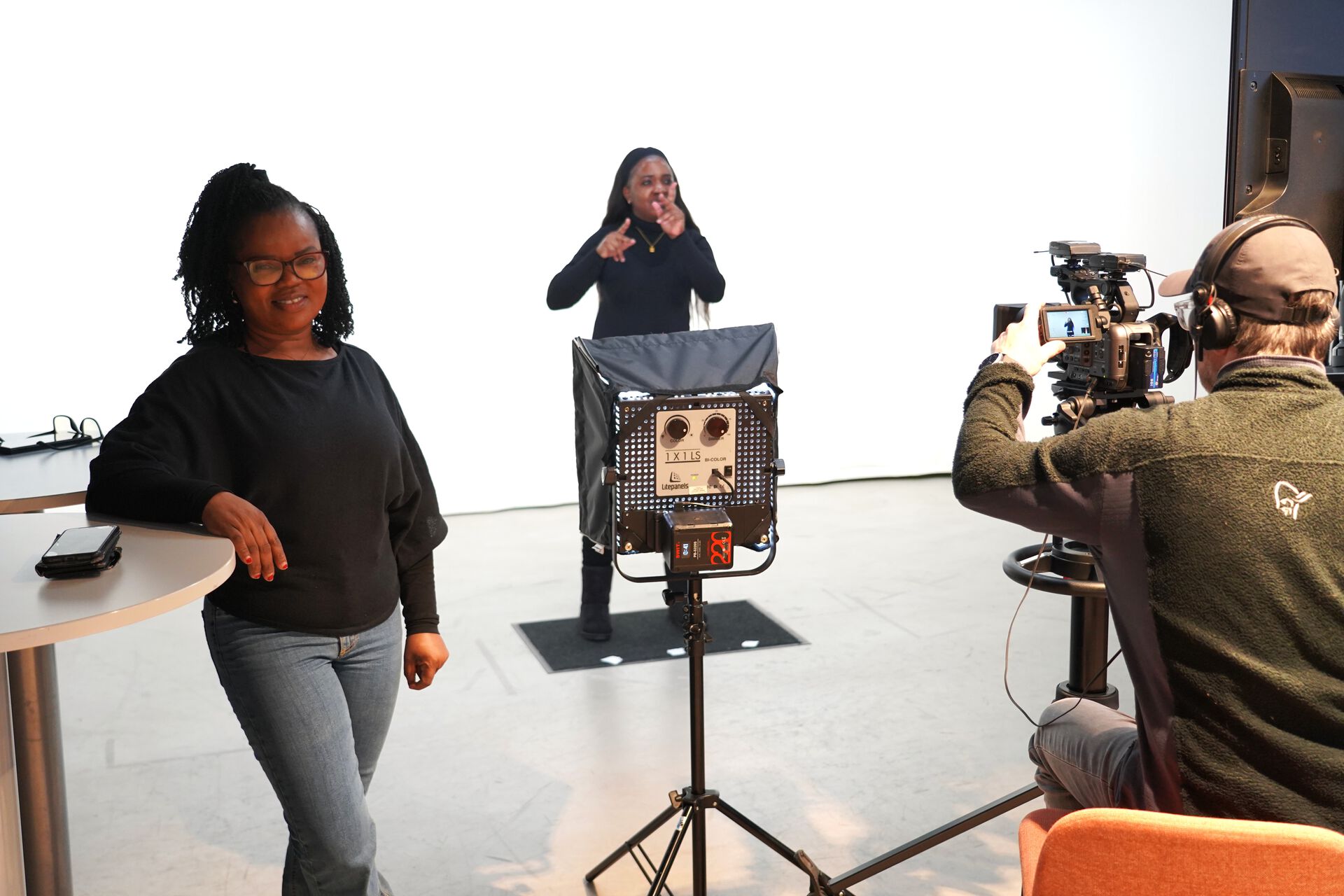
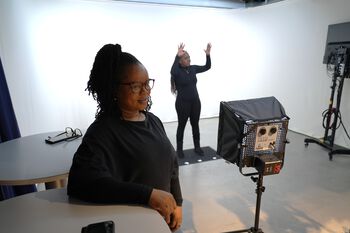
"I joined DIALOGUES because of my long-standing commitment to advancing inclusive education for Deaf and Hard-of-Hearing (DHH) children in Zambia," says Rachel Muuma Chomba, one of the PhD students providing the recordings.
DIALOGUES is a research project that aims to improve and strengthen digital literacy and multilingualism, including sign language, by developing digital literacy training courses, providing access to PhD training, and including Zambian teacher educators in an international network of higher education institutions in order to enhance quality in teacher education in Zambia.
Zambian sign language is acknowledged as one of the languages of Zambia. However, sign language is often marginalised, and this applies also to sign language users.
Seeing how Deaf children in Norway grow up surrounded by sign language, stories, visual learning, and confident Deaf adults made me say, 'This is what I want for our children back home.'
Rachel Muuma Chomba
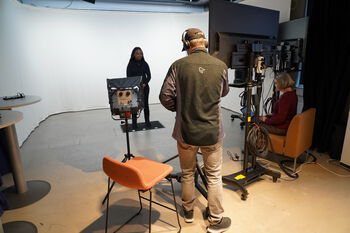
"The purpose of the recordings is to make sign language more visible and include it in Zambia’s multilingualism. Storybooks Zambia is a free and open resource of stories from African Storybook and is translated into all the official languages of Zambia, and now including sign language," says Anne Marit Vesteraas Danbolt, professor at the University of Inland Norway (INN).
There are five partner universities in DIALOGUES from Zambia, Norway and Iceland. INN is one of the partners with the Faculty of Education providing access to PhD training and courses on digital learning and inclusion.
"I know how much Deaf children in Zambia struggle to find stories they can understand and enjoy. I have seen this gap firsthand as a teacher. So being part of creating these resources makes me feel like I am contributing to something important, something that brings joy, learning, and belonging to Deaf children," says Chomba.

Phydes Ng'uni Kaunda holds a master's in Speech-Language and Communication Disorders and is a trained Audiology Technologist. She currently serves as a lecturer at the Zambia Institute of Special Education (ZAMISE), where a significant portion of students is DHH.
Photo: Hedda Smedbold / INN
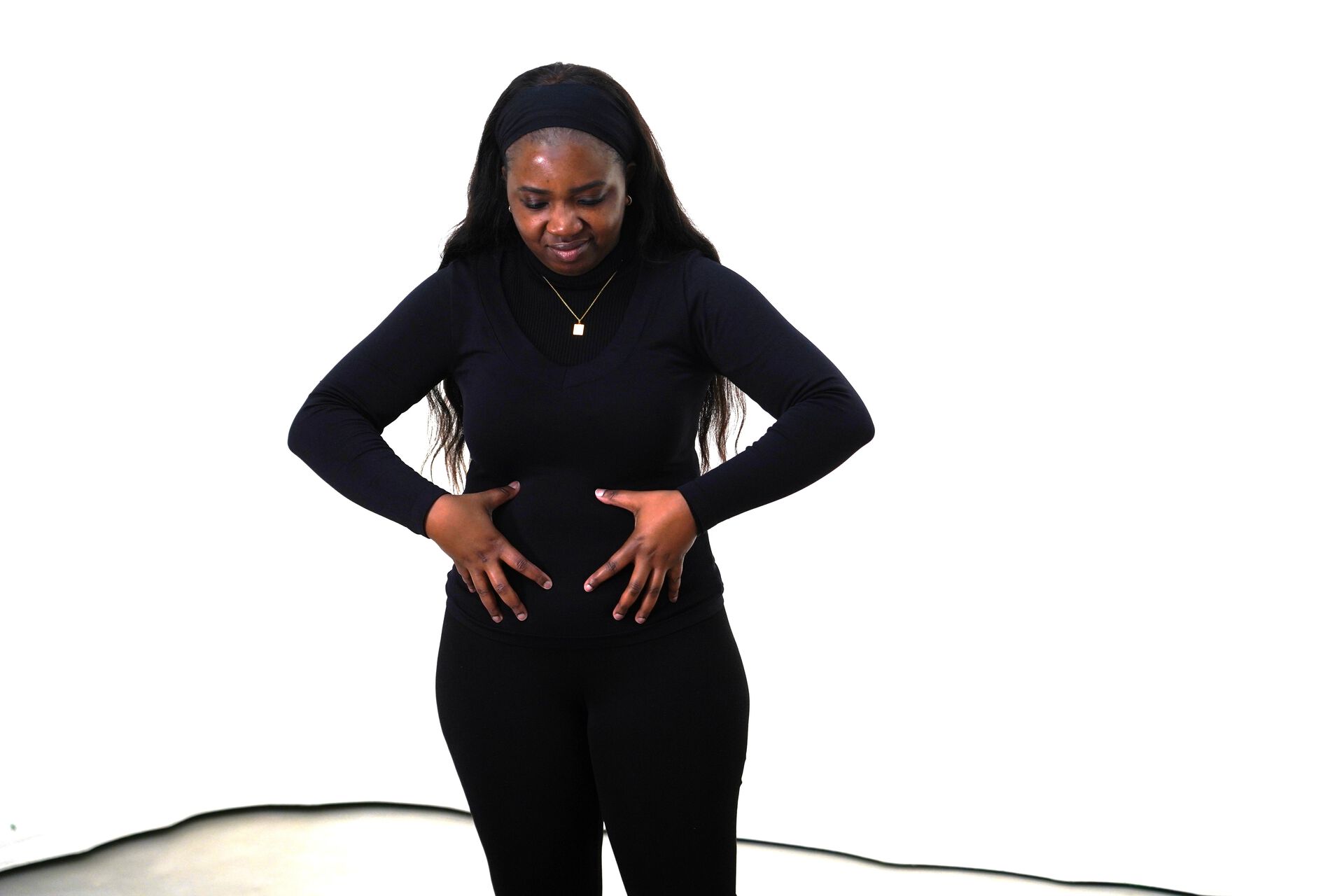
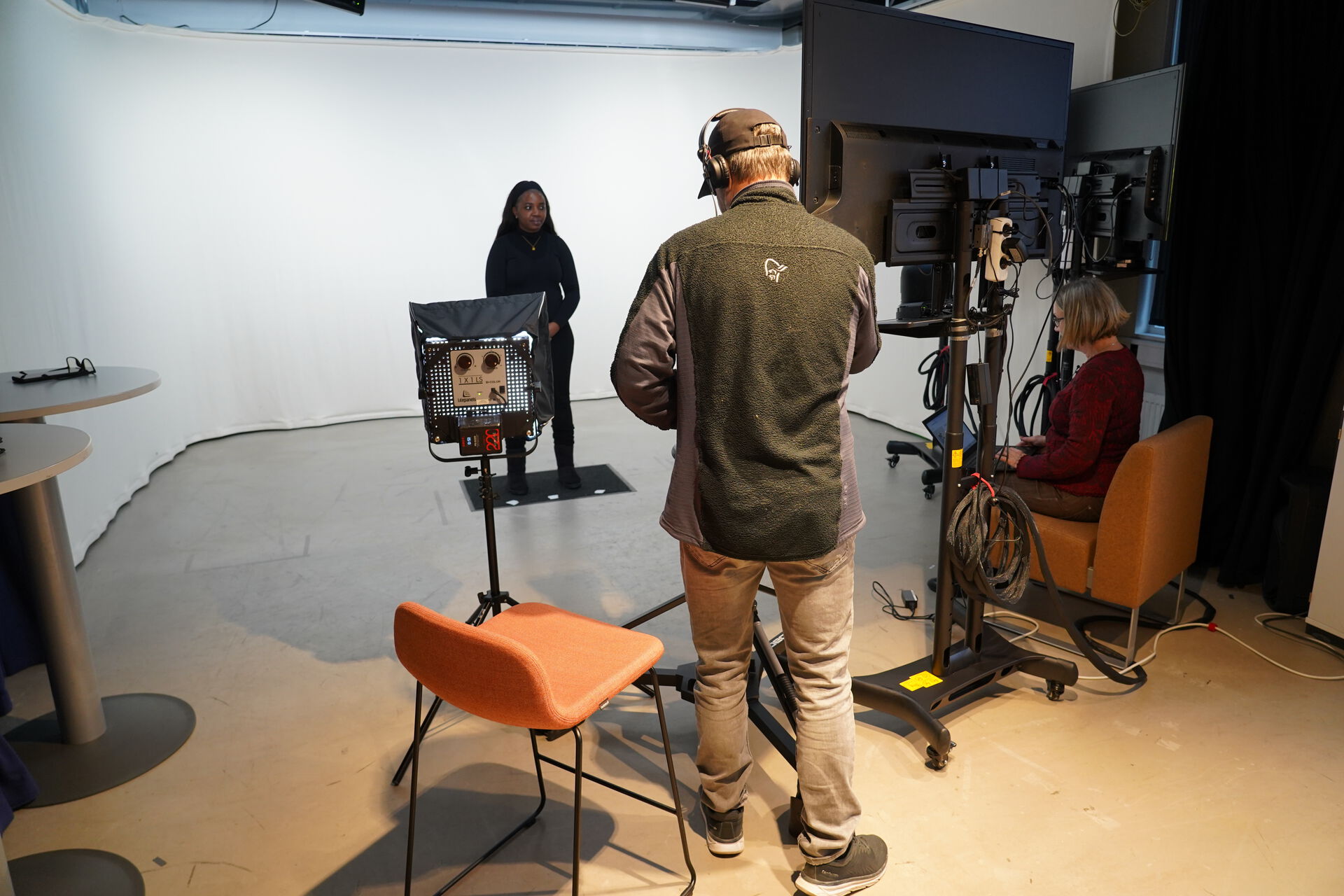
Rachel Muuma Chomba explains that the recordings are not just about making videos; it is about giving Deaf children something many of them do not have – access to stories in their own language.
Photo: Hedda Smedbold / INN
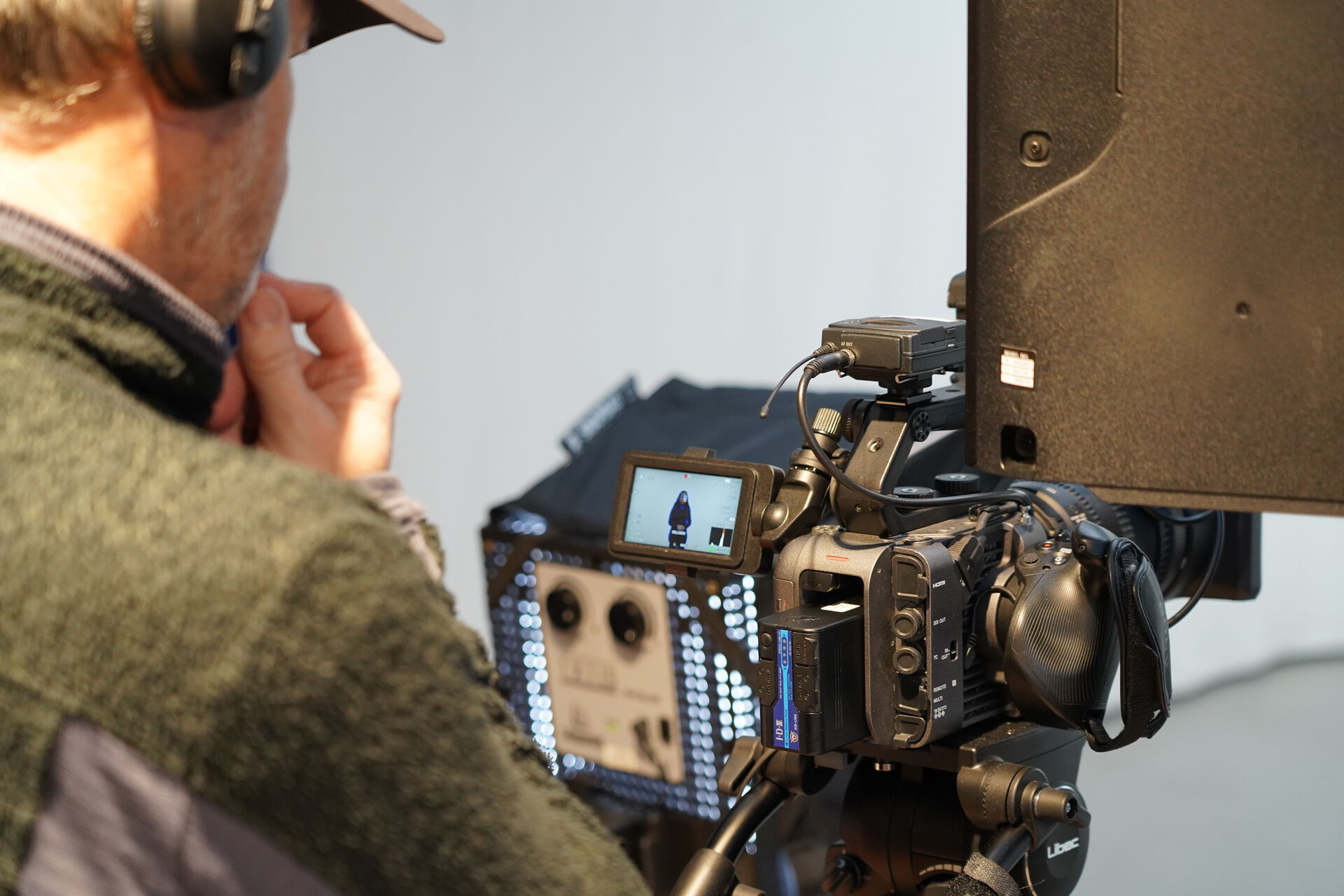
The Faculty of Education at the University of Inland Norway (INN) is located at Campus Hamar. The PhD students in Educational Sciences from Zambia visit for parts of one semester.
Photo: Hedda Smedbold / INN
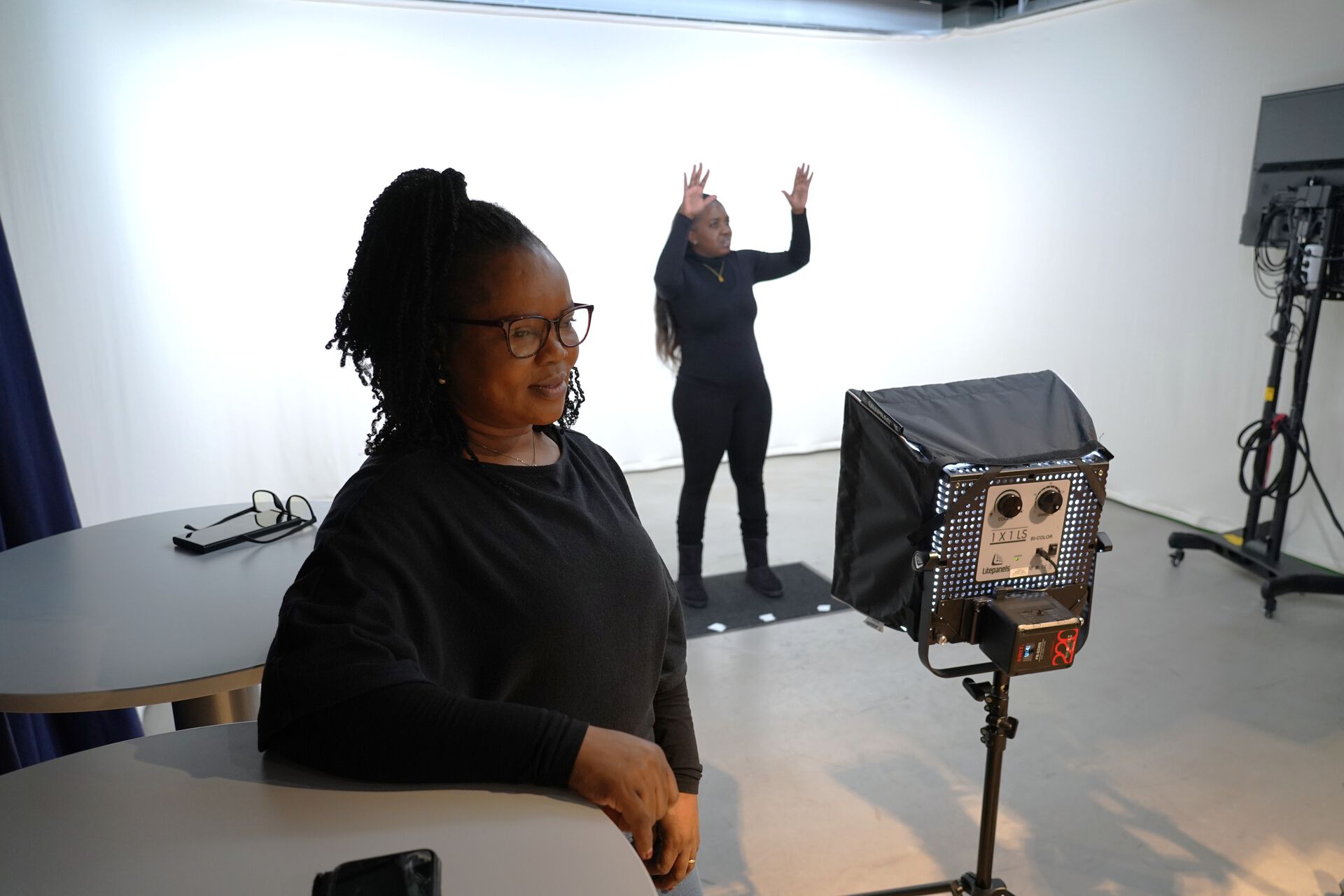
"I am returning not just with new knowledge, but with a validated, strategic action plan to reform how we educate both teachers and DHH learners in Zambia."
– Phydes Ng'uni Kaunda
Photo: Hedda Smedbold / INN
"Everything I learned, more especially our course on Digitalisation and Inclusion, connects to my bigger dream of creating a National Resource Centre for Deaf and Hard-of-Hearing Children in Zambia."
– Rachel Muuma Chomba
Photo: Hedda Smedbold / INN
PhD student Phydes Ng'uni Kaunda points to three main challenges that she encounters in her lectures to future teachers in Zambia when it comes to educating DHH students:
- Linguistic inconsistency: There is a significant variation in Zambian Sign Language and a severe shortage of trained interpreters. This creates a barrier to knowledge transfer from the outset.
- Cognitive and literacy gaps: Many of our DHH students perform below average, with critically low literacy levels. This is not a reflection of their intelligence but of an educational system that fails to provide them with the foundational cognitive and linguistic tools they need from an early age.
- Inadequate teacher preparation: Our system lacks the specialised methodologies to effectively bridge these gaps for DHH learners.
"It was upon my arrival in Norway and immersion in DIALOGUES that I fully understood how directly it targets these very issues. The project’s focus on navigating multilingualism, leveraging digital transformation, and strengthening competencies in literacy education and sign language is precisely the framework I have been longing for," says Kaunda.
Whilst visiting Norway, the PhD students also got to visit several schools that are specifically developed for DHH learners. The visit to OsloMet and the Oslo Special School and Kindergarten for the Deaf was described as particularly inspiring.
On a personal and professional level, this project is transformative. It means acquiring advanced, practical knowledge in digital literacy, multilingual education, and inclusive pedagogical practices.
Phydes Ng'uni Kaunda
"The recordings will enable access to literacy at a tender age. By providing visual and linguistic models in Zambian Sign Language, we can build a stronger foundation for reading and writing, directly addressing the literacy crisis I witness. Early exposure to language in an accessible format is crucial for cognitive development," explains Kaunda.
It is not only the Zambian PhD students who benefit from the project. Professor Kristin Vold Lexander, project manager of DIALOGUES, says the following:
"The PhD students from Zambia bring in perspectives on multilingualism, digitalisation and inclusion that can challenge our conceptions and that help us broaden our understanding of these issues."
The DIALOGUES project continues until the end of 2027, leaving plenty of time to continue the great collaboration with Zambian teacher eduacators.
Read more:
Contact information:

