
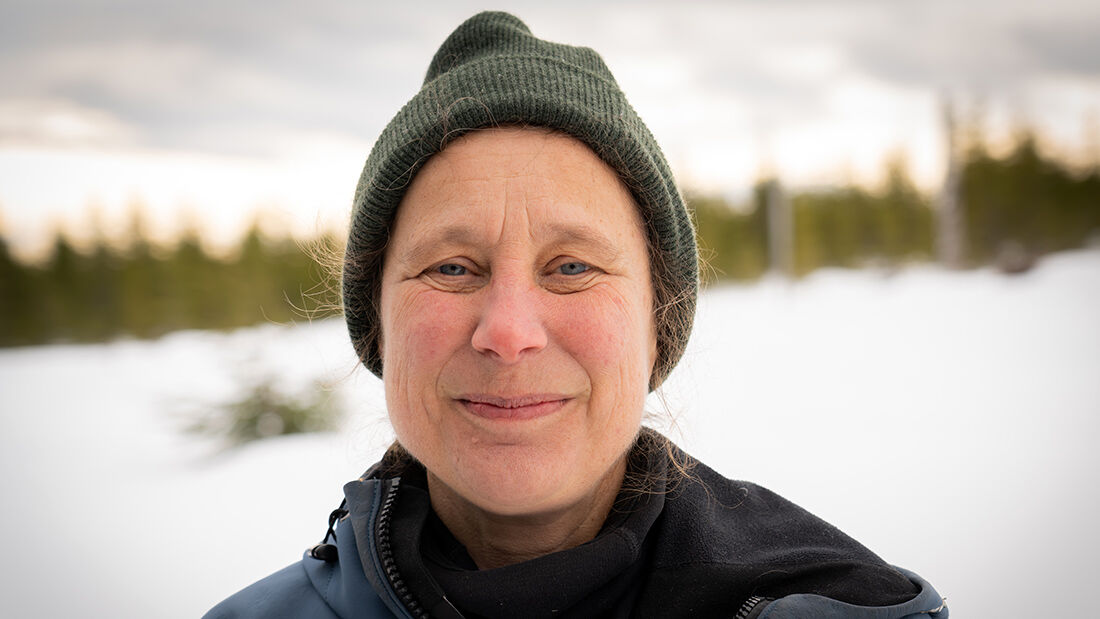
"It is a great honor and very prestigious to be the organizer of such a congress. It is also gratifying that the Evenstad campus is well represented and that there will be a number of lectures on ongoing wildlife research that we are doing", says Dean of the Faculty of Applied Ecology and Biotechnology, Maria Hörnell Willebrand.
Read more about the International Wilderness Congress.
A global meeting place for research
The International Wildlife Congress is an important international arena for wildlife research and management. It was first held in 1954, but has not been held in Norway since 1989, when Trondheim hosted it.
Now that the conference has come to Innlandet and Scandic Hotel in Lillehammer, with INN University as the organizer, it helps put INN University on the map as a central arena for international knowledge collaboration.
“The event gives us a unique opportunity to bring together representatives from several of the world's leading professional communities within wildlife management and to highlight our own research”, says Professor Barbara Zimmermann.
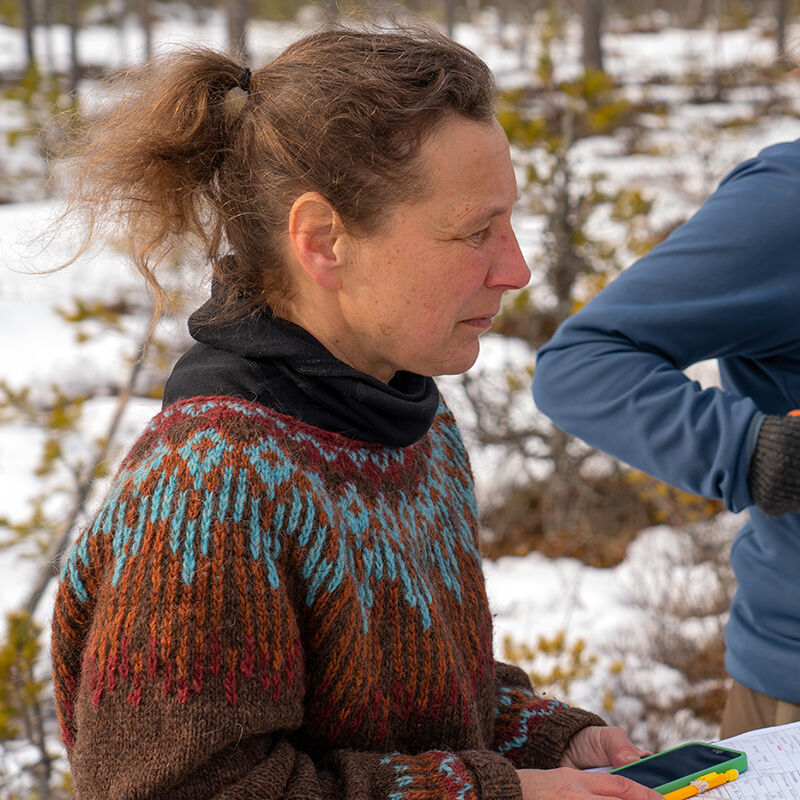
The University of Inland Norway has been given the responsibility of hosting the conference through our participation in the International Union of Game Biologists (IUGB). Zimmermann will be president of the union until the conference is over, at which point she will take on the role of vice president.
A very relevant topic
How Wild is the Wildlife? is the theme of the conference, which touches on central and current issues related to the importance of securing nature and biodiversity in a time and world characterized by human activity and the impact on nature. Most of the lectures are about animals in areas affected by humans, such as agricultural areas, production forests and cities.
"The theme can be linked to most of the wildlife research we do at Evenstad", says Zimmermann.
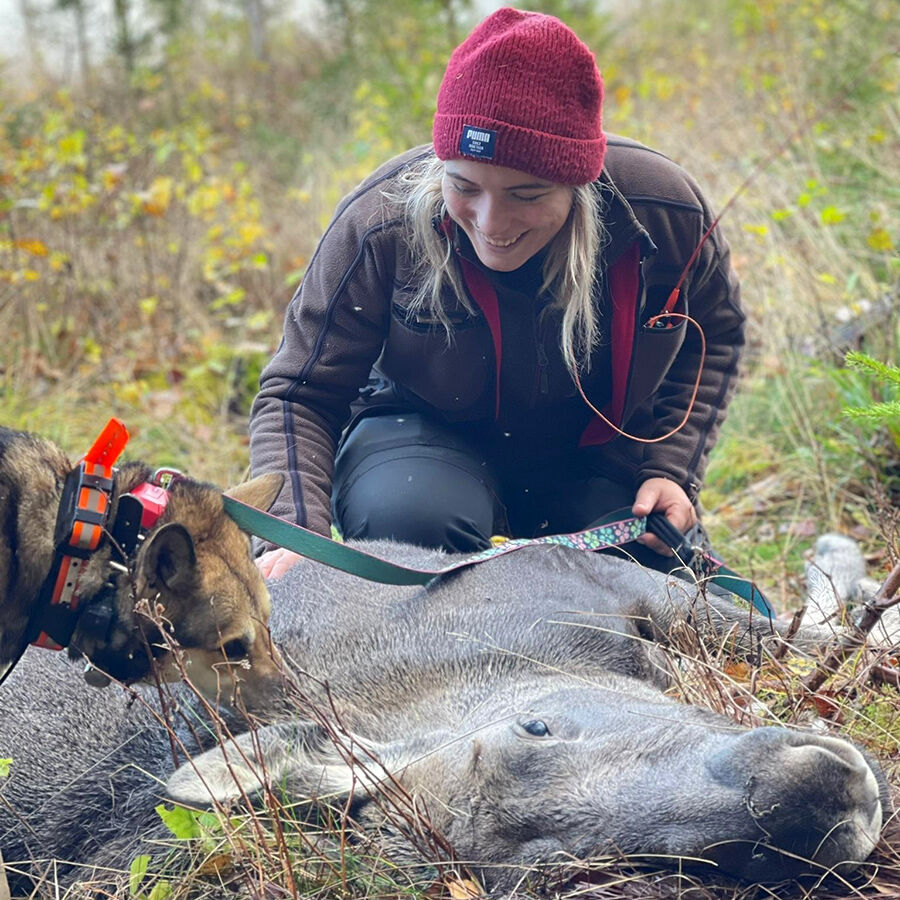
The conference consists of lectures, workshops and panel discussions, where the goal is to share findings and learn from others' experiences, discuss management and conservation issues, develop new solutions to preserve nature and increase cooperation across borders.
Many highlights over several days
The four-day conference promises many highlights. Zimmermann tells of two already on the first day.
Krithi Karanth from India will give a presentation on living with wildlife, which is a major challenge, especially around protected areas.
The talk presents over twenty years of research and several years of community-based projects that promote coexistence by strengthening local communities and creating lasting solutions for people and wildlife.
Gladys Kalema-Zikusoka from Uganda will talk about leadership related to integrating local communities, wildlife and health for a sustainable future.
On Tuesday, Rolf Anker Ims from the University of Tromsø will give a presentation on wildlife in the Arctic. The Arctic is warming much faster than the rest of the world, which will transform ecosystems and is already affecting wildlife there.
On Thursday, American Matthew Kauffman will talk about the great migrations of ungulates in the world.
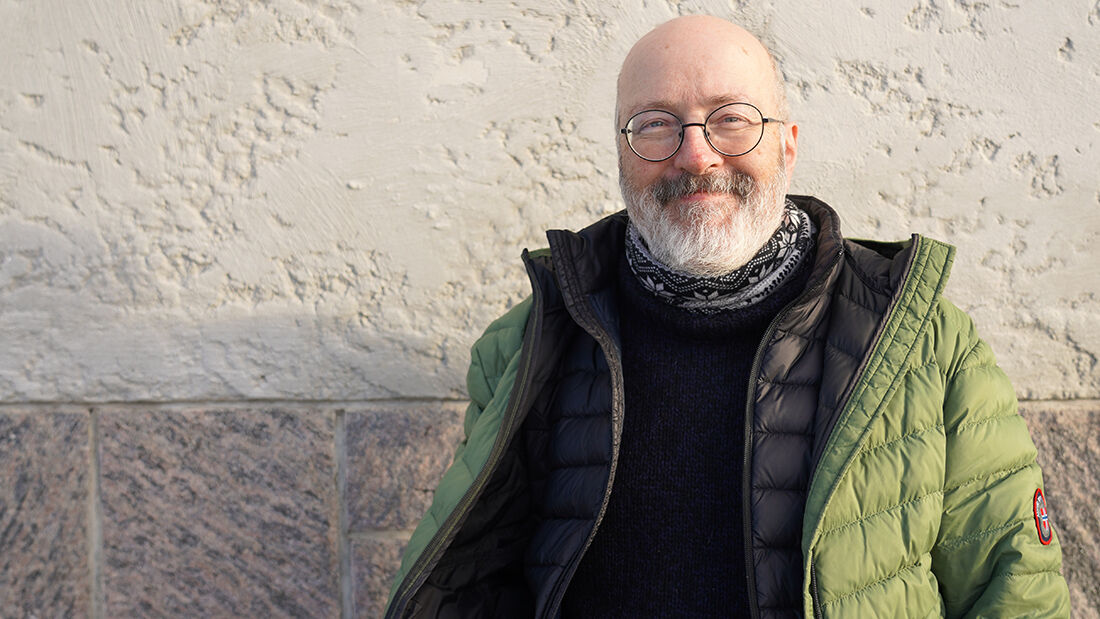
In addition, Zimmermann mentions our own Professor John Linnell. He will participate in a panel discussion and give a presentation, drawing attention to technological advances in terms of using the potential of camera traps to monitor wildlife.