
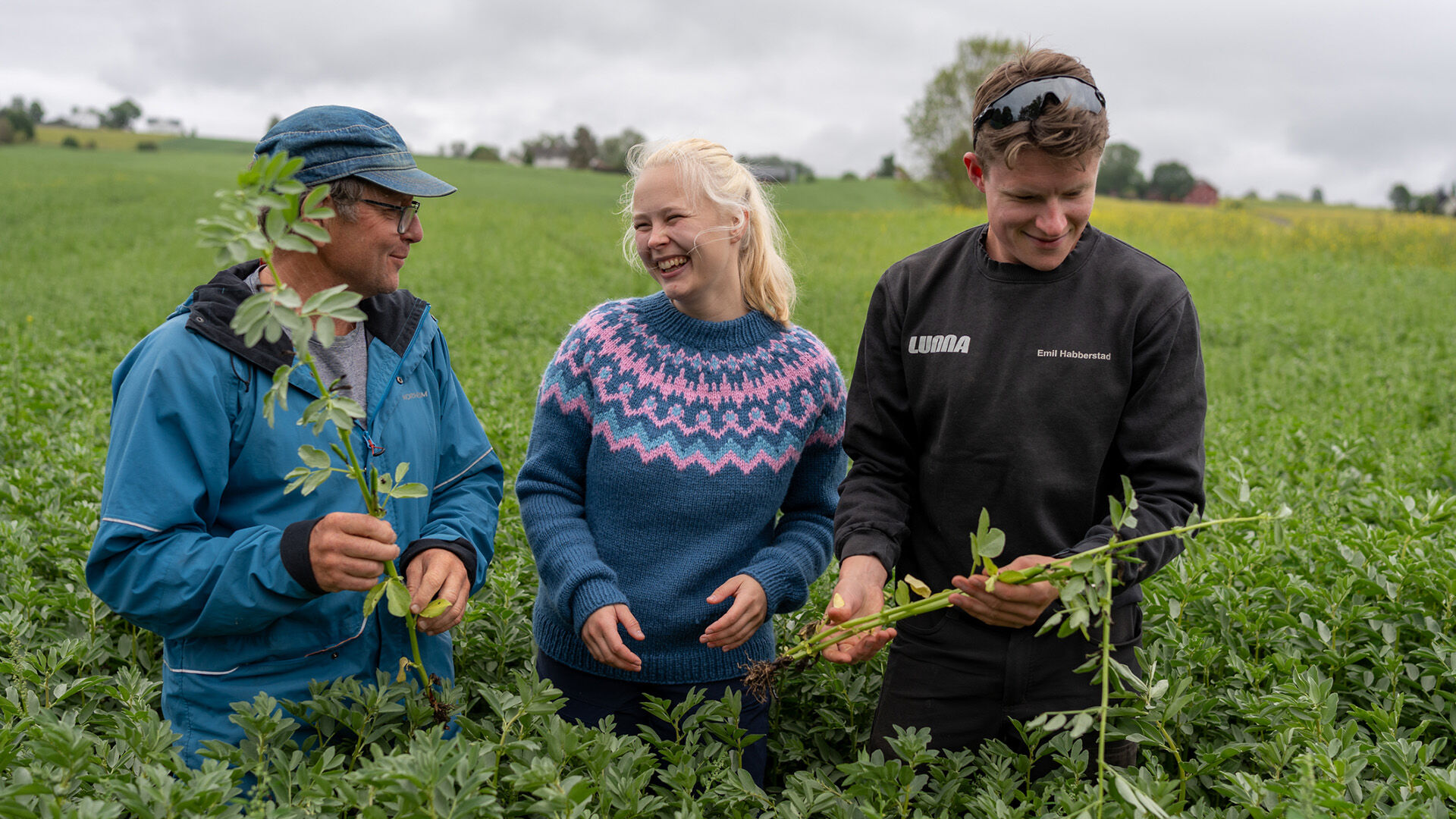
We meet bachelor’s students Oda Torgersbråten and Emil Habberstad on a somewhat grey and overcast July day in Stange. This is where Habberstad spends much of his summer.
He is currently studying agricultural engineering at Blæstad, and as a tenant farmer, he is also gaining valuable work experience before continuing his studies in the autumn. Torgersbråten is studying agronomy at the same institution.
Facts about agriculture in Innlandet
-
The agricultural sector in Innlandet generates an estimated NOK 13.1 billion in value, according to Innlandsstatistikk.
-
As of 2022, nearly 16,000 people were employed in agriculture in Innlandet, over 6,600 of whom worked in crop and livestock farming.
-
Agriculture in Innlandet accounts for around 20 per cent of the country’s productive farmland.
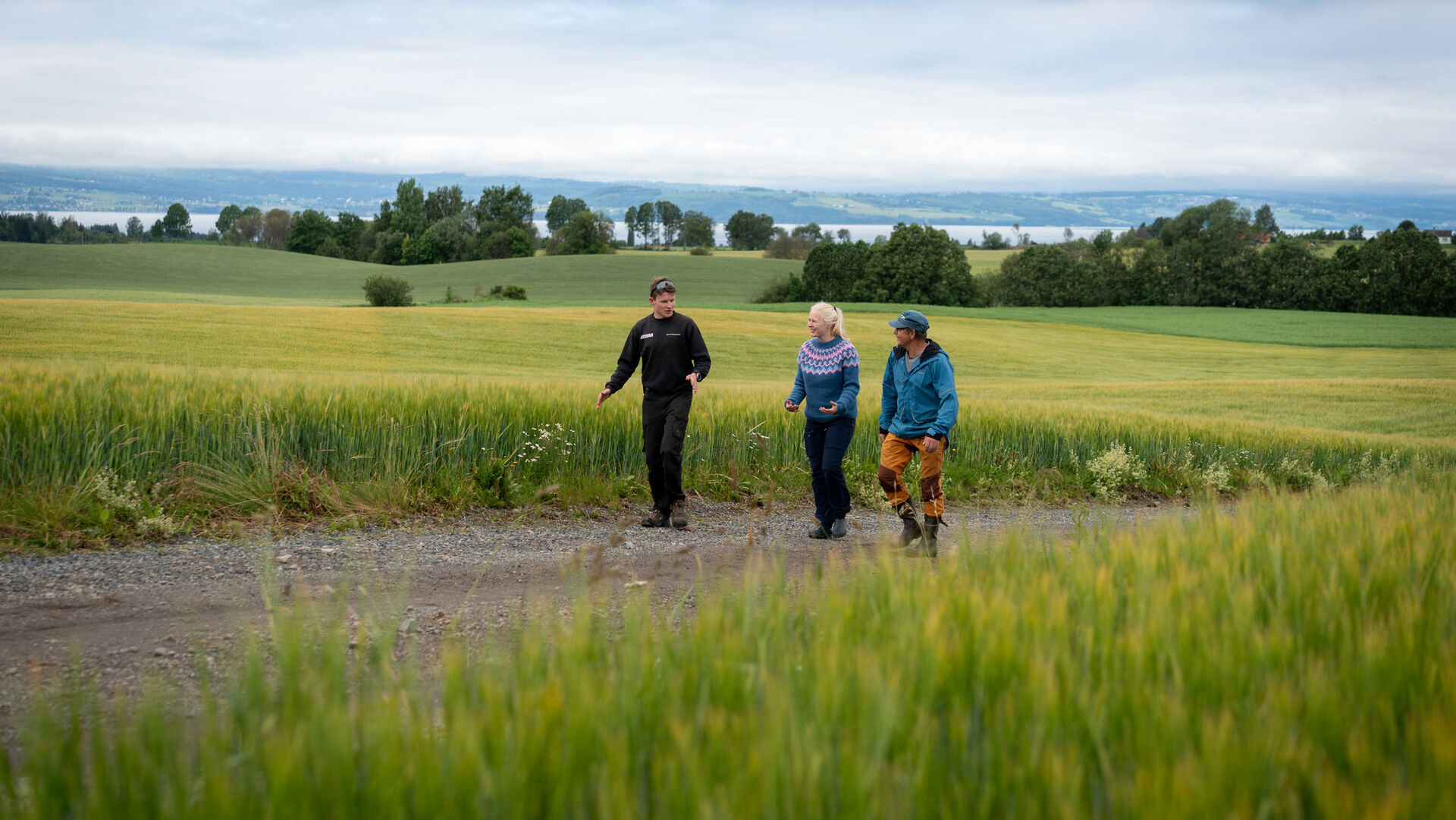
Growing trend in Innlandet
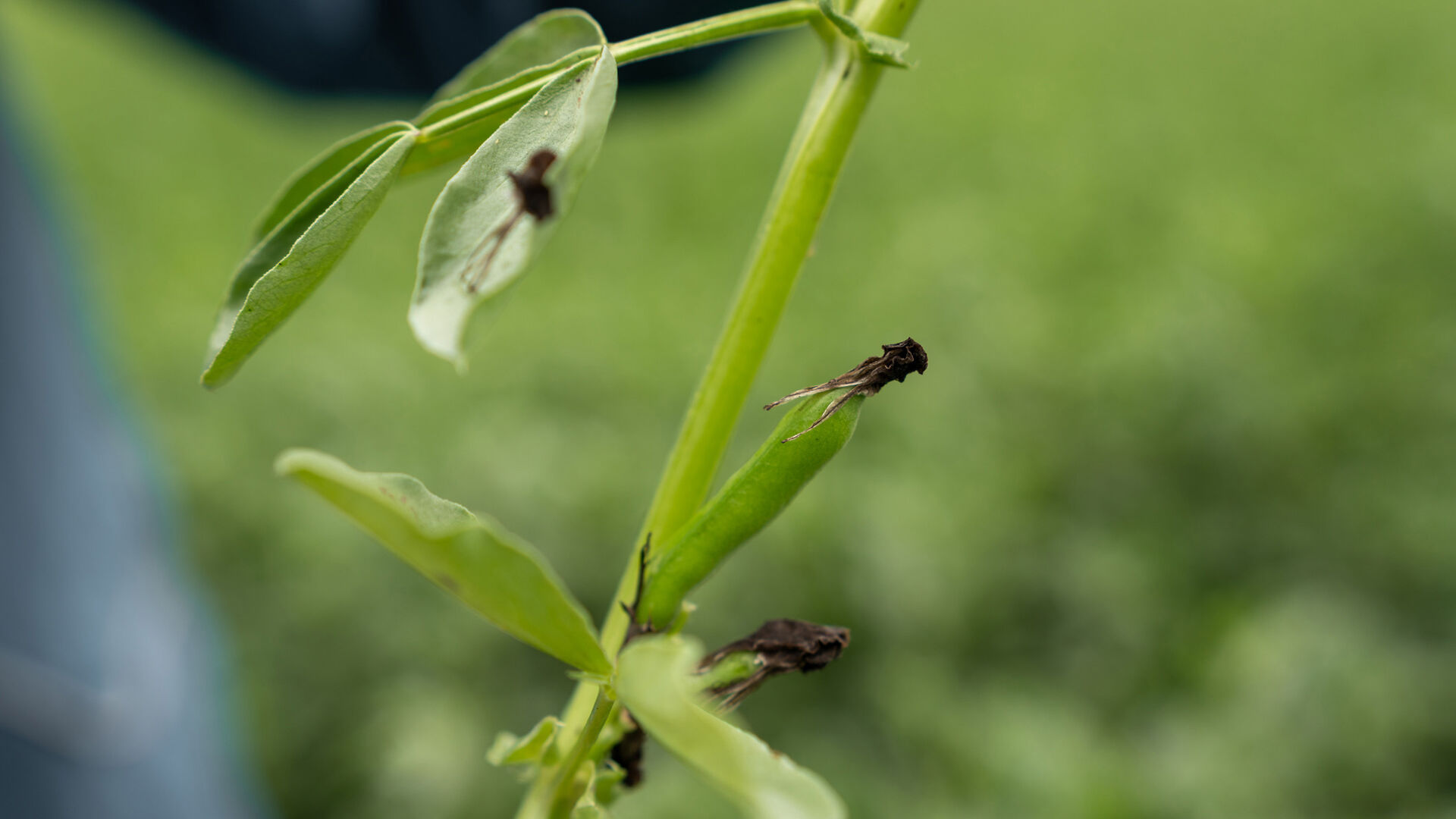
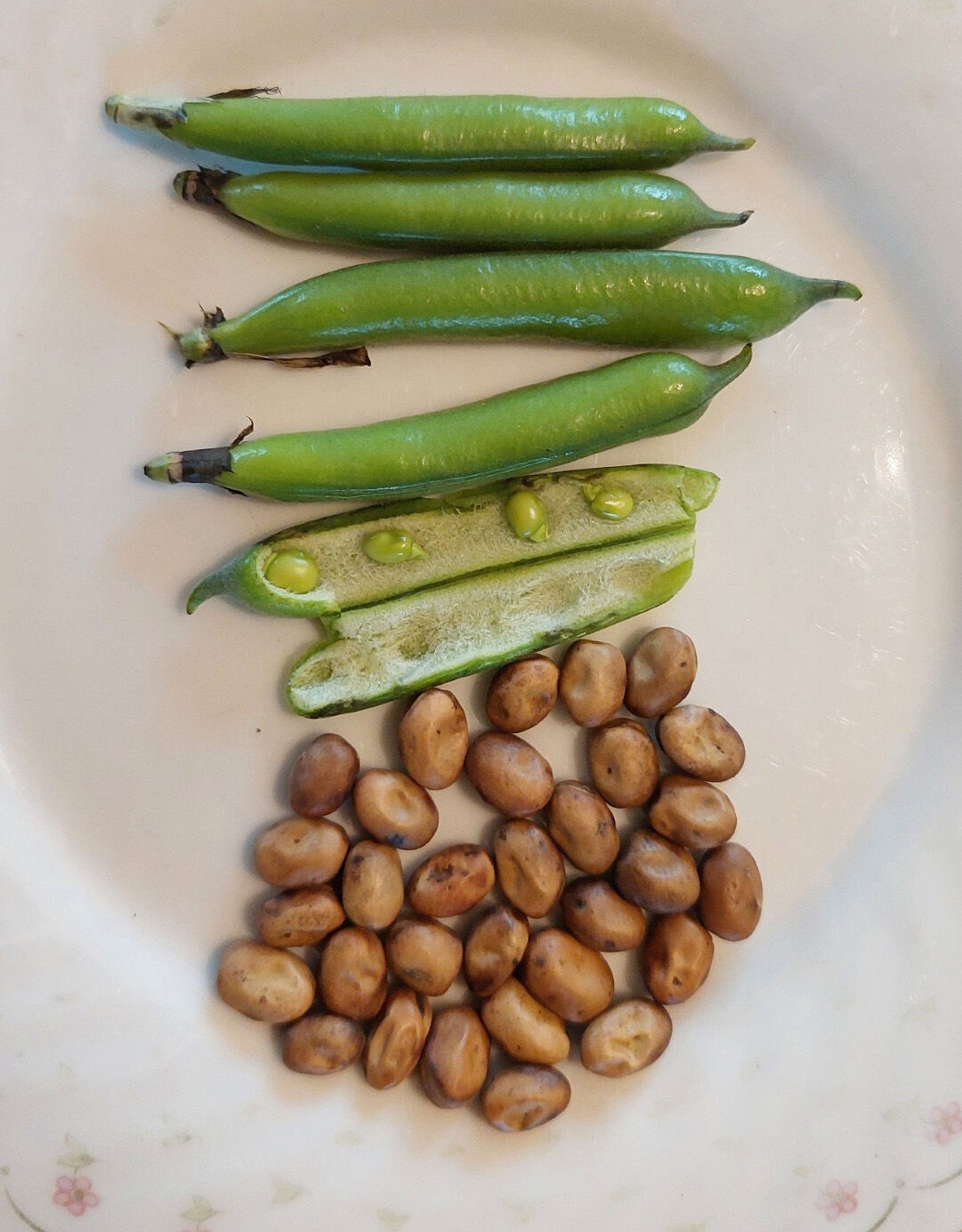
While field beans have primarily been used as animal feed until recent years, skilled plant breeders have developed quality varieties that can be grown and used for human consumption.
Facts about field beans
- Also known as broad beans, horse beans, or fava beans.
- Belong to the legume family and typically grow between 40 and 90 cm tall.
- The Norwegian Institute of Bioeconomy Research has estimated that the potential area for cultivating field beans in Norway is 274,000 decares, while current production covers around 48,000 decares.
Sown with large seed drills in spring and harvested with combine harvesters in autumn once dry and ripe, similar to peas. Habberstad believes more and more farmers are moving in this direction.
"This year, there are many more growing peas in particular, but also field beans here in the area,” says Habberstad. “People are starting to realise how important it is, and here in the lowland areas we’re fortunate because the surroundings are well-suited for cultivating field beans."
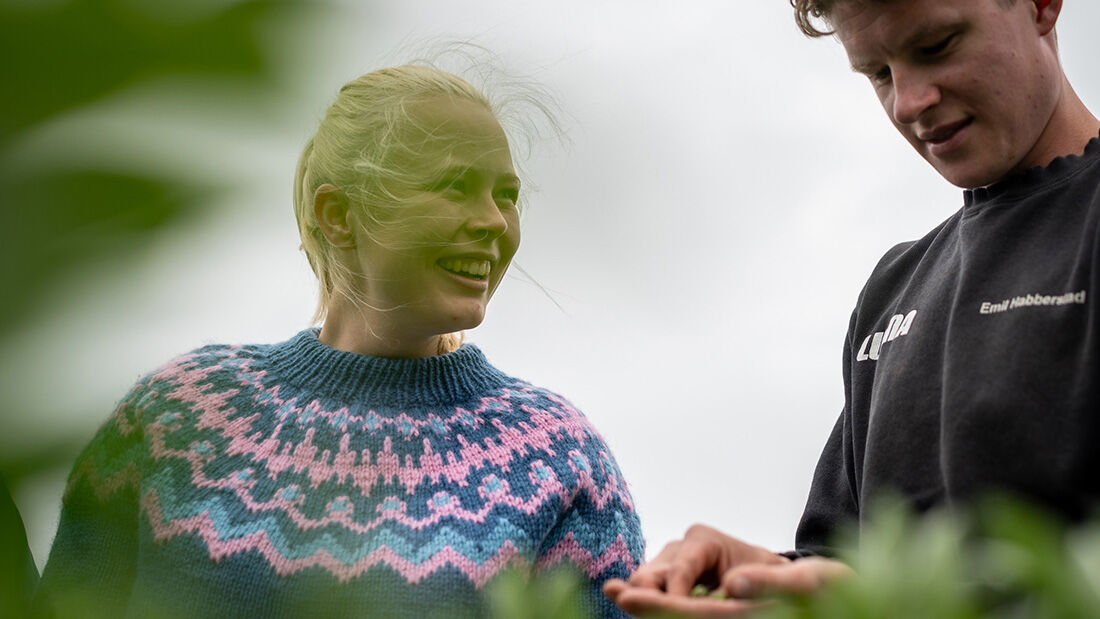
Using field beans to increase self-sufficiency
The primary role of Norwegian agriculture is to produce safe and clean food for its own population. In 2023, the Ministry of Agriculture and Food reported a self-sufficiency rate of 44 percent in Norway, while the goal set by the Storting and the government is to increase that rate to 50 percent.
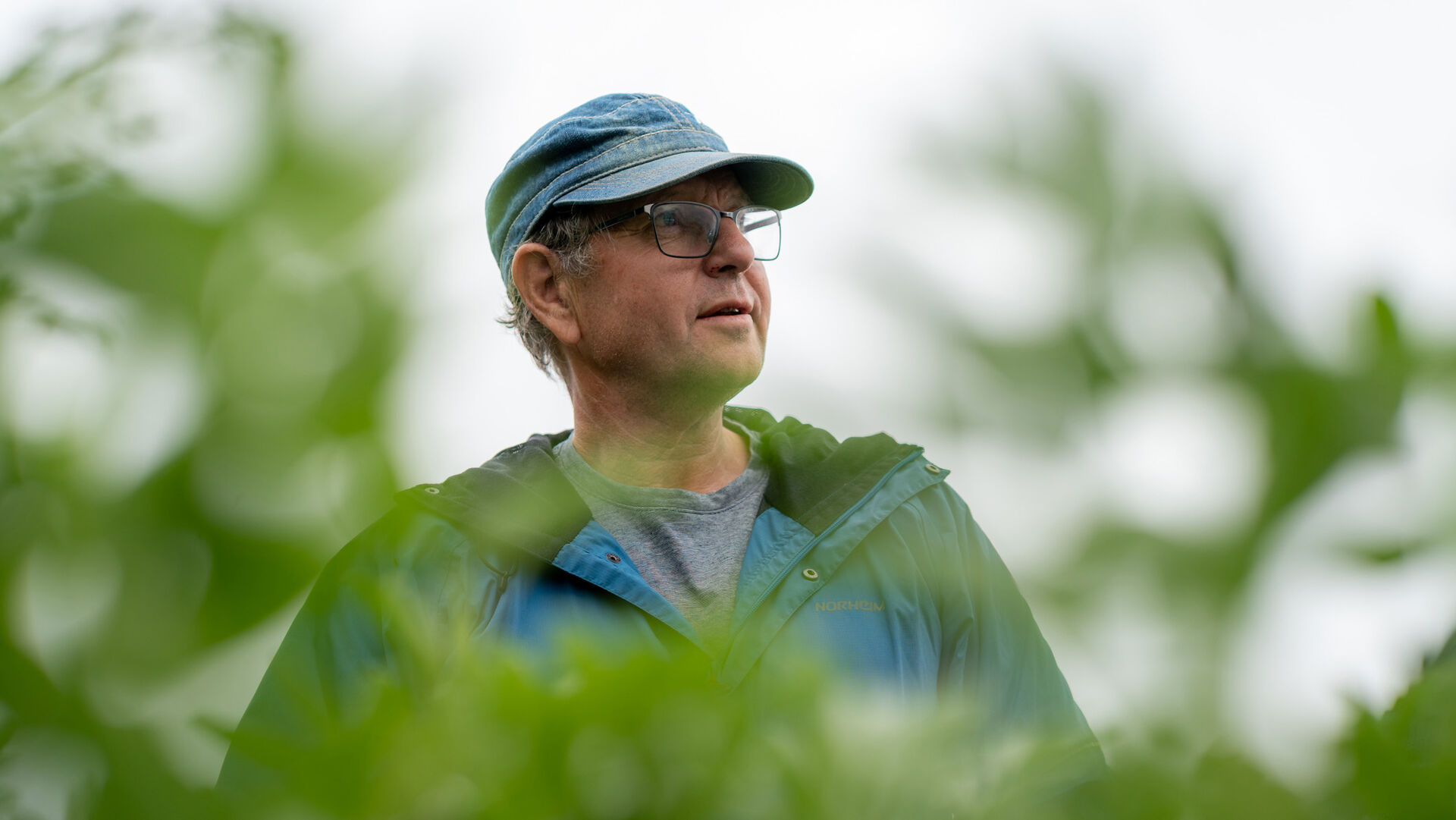
"Field beans and peas are excellent food crops and great examples of what we should be growing and eating more of in the future. If we do that, we will increase Norway’s self-sufficiency, and greenhouse gas emissions from agriculture will be significantly reduced," says Cottis.
Charlotte Forsberg is project manager at 'Klimasmart landbruk Østfold', which has been working within the Østfold County Council since 2014 to make agriculture in the region more sustainable – both environmentally and economically.
"If we are going to increase the self-sufficiency rate, we need to utilise our entire resource base. That means everything from eating barley and oats instead of imported rice, using the whole animal, to repurposing grain silos on farms for local storage of beans and grains," says Forsberg.

She says that food preparedness and resource utilisation have received increased attention in recent years, both nationally and within the project she works on. She is particularly focused on the need to think more broadly than just food waste.
"We often talk about the food people throw away, but the real food loss is what never even reaches the shops. It could be potatoes that are too big or too small, or food-grade wheat that doesn’t meet all three quality standards required by the bakery industry," says Forsberg.
Forsberg highlights an example from 2024: the project created a dedicated exhibition on 'lost food' at the agricultural fair Markens Grøde in Rakkestad. Among the offerings were hummus made from field beans, jam made from fruit that would otherwise have been discarded, and chicken fricassée.
"Worryingly vulnerable food preparedness"
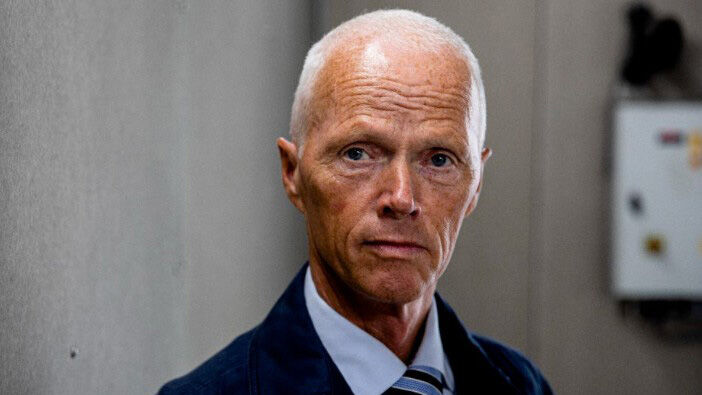
We move away from the fields in Stange to retired General Inspector Robert Mood.
He remains deeply committed to Norway’s overall preparedness and believes that, taken as a whole, Norway’s food preparedness is worryingly vulnerable.
"Not primarily because of the volume we produce, but because of the 'just in time' concept, and the fact that we have become completely dependent on crucial inputs from abroad," says Mood.
The world today looks very different from just a few years ago, which also affects our food preparedness. It is no longer predictable and stable, but marked by multiple conflict lines.
Russia’s war in Ukraine is often referred to as the 'war in the breadbasket', highlighting that Ukraine is one of the world’s largest exporters of wheat and maize, and is often described as Europe’s breadbasket.
On the Gaza Strip, people are being killed while waiting in line for food and emergency aid, while the early heatwave in Southern Europe this summer may also impact agriculture in the affected countries, and likely our imports of vegetables from Spain this year.
Climate change is causing the greatest damage in countries to the south, from Spain all the way down to South Africa. This also includes Brazil, Central America, and southern Texas. Much of the food we eat is produced in these regions, including much of the animal feed we import.
"Food preparedness is more important than ever"
Mood believes we are deceiving ourselves if we do not recognise that the USA, Europe and Russia, as well as the West and China, are on a collision course.
"It is important to hope for the best, but we fail if we do not simultaneously prepare society for the worst. The combination of weak overall preparedness, high national vulnerability, and a world on a steady course towards greater conflicts makes food preparedness more important than ever," says Mood.
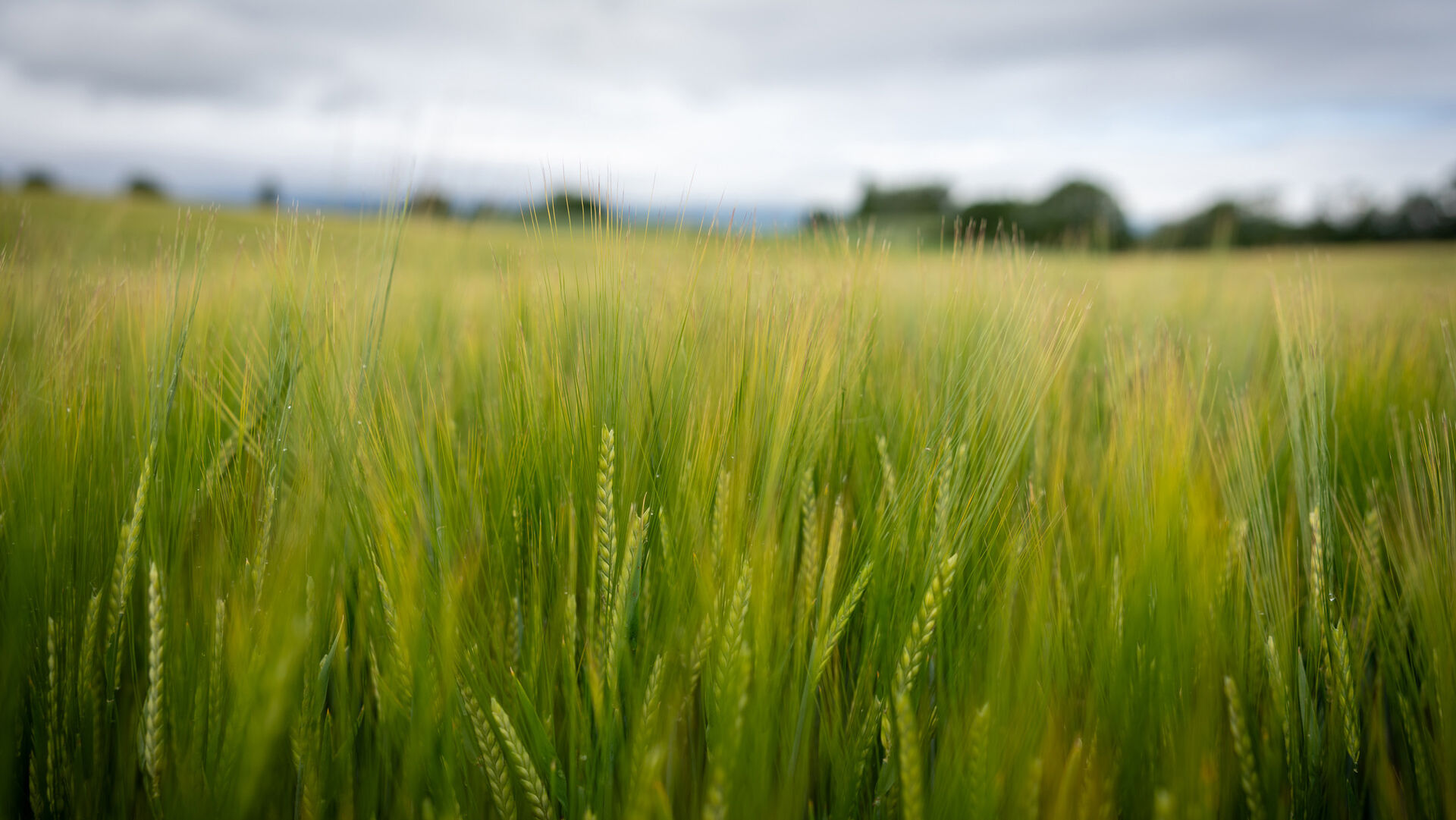
"Without food and water, even heroes will not manage, so total preparedness starts in the farmer’s field," says Mood.
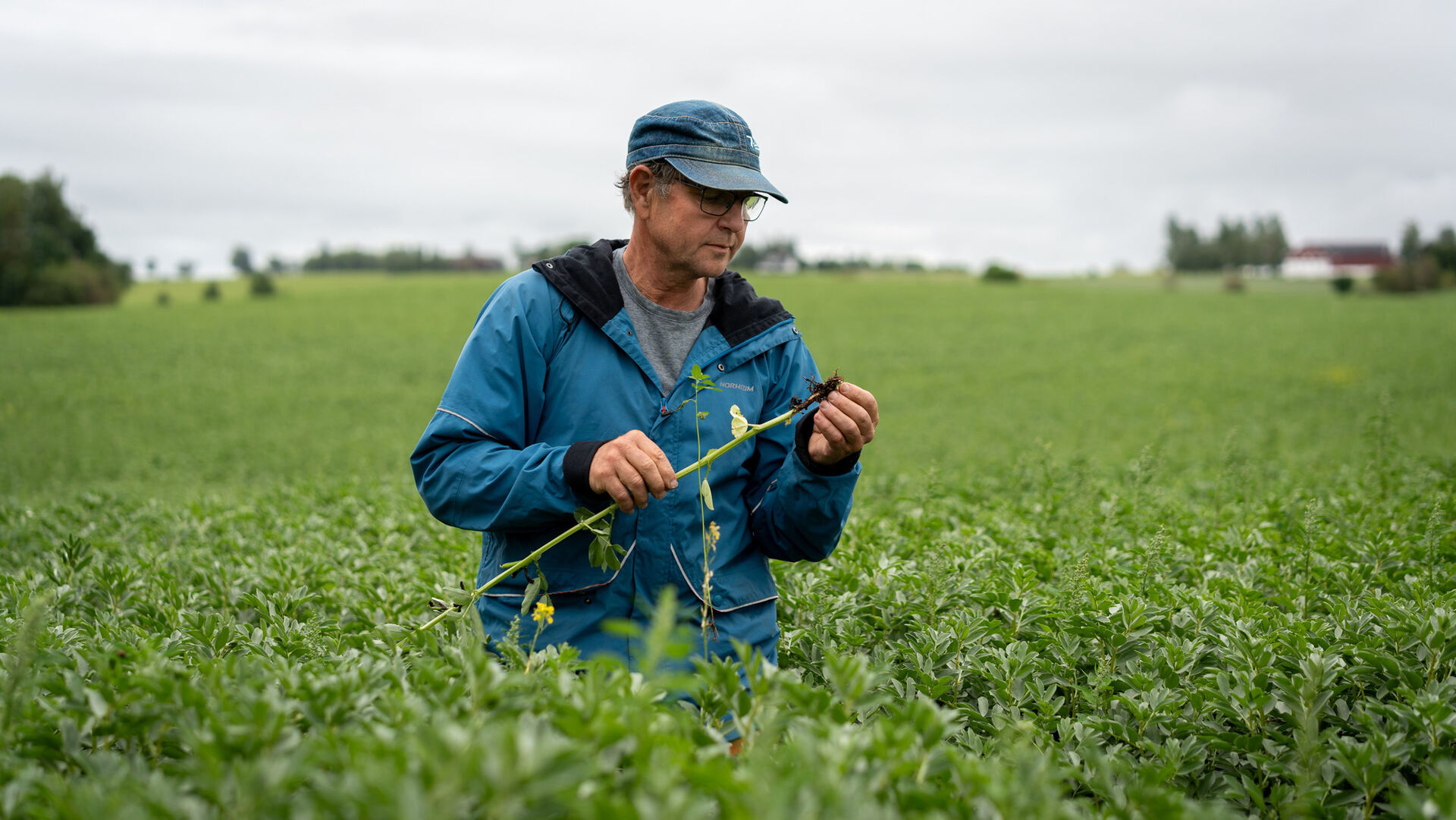
One of the major advantages of field beans is that, as a legume, they can utilise nitrogen from the air through their symbiosis with nitrogen-fixing bacteria.
"They are a protein-rich bean that thrives without nitrogen fertiliser, so field beans will clearly be part of the solution," says Mood.
"Field beans and peas are perhaps the most climate-friendly foods we can eat because they do not require nitrogen fertiliser. This means we can manage without artificial fertilisers and still achieve good harvests if a crisis occurs. Additionally, they can be stored for up to twenty years," adds Cottis.
So, what will Norwegian agriculture and food preparedness look like in the future?
In 2024, new dietary guidelines were introduced, recommending a halving of red meat consumption.
"We are not there yet where we have to, but that day will come when we must eat more plant-based foods and less meat. From a nutritional perspective, it’s good for all of us and for our health. We need to get started," says Cottis.
Forsberg believes Innlandet is well placed to be a driving force in climate-smart agriculture, partly through study programmes such as agronomy and agricultural engineering, which she describes as crucial for future food production.
"I am genuinely concerned about who will produce our food in the future. It’s berry and vegetable farmers who are quitting in our region, smaller farms are closing down, and that’s why it is more important than ever that we have educational opportunities that make it attractive and possible to invest broadly in agriculture and food production," says Forsberg.
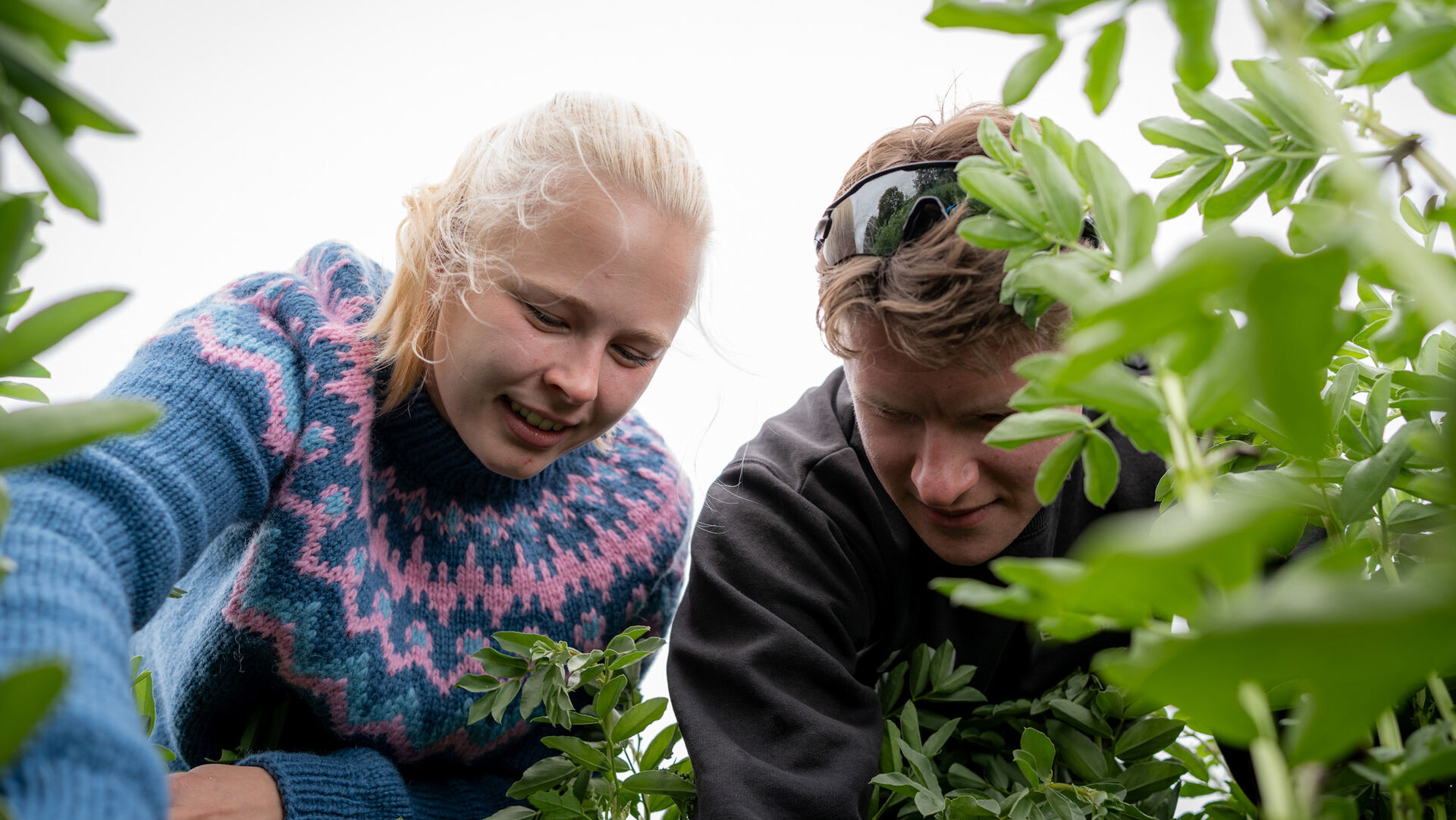
"My dream is to be a full-time farmer, and right now I am studying to gain more skills and options to stand on. I also believe it is important to look at the bigger picture in the future. Climate measures need to be profitable for us farmers over time, and there must be support to make that happen. The growing conditions for field beans aren’t equally good everywhere, and we cannot simply replace cows with field beans — we have to find the right balance," says Habberstad.
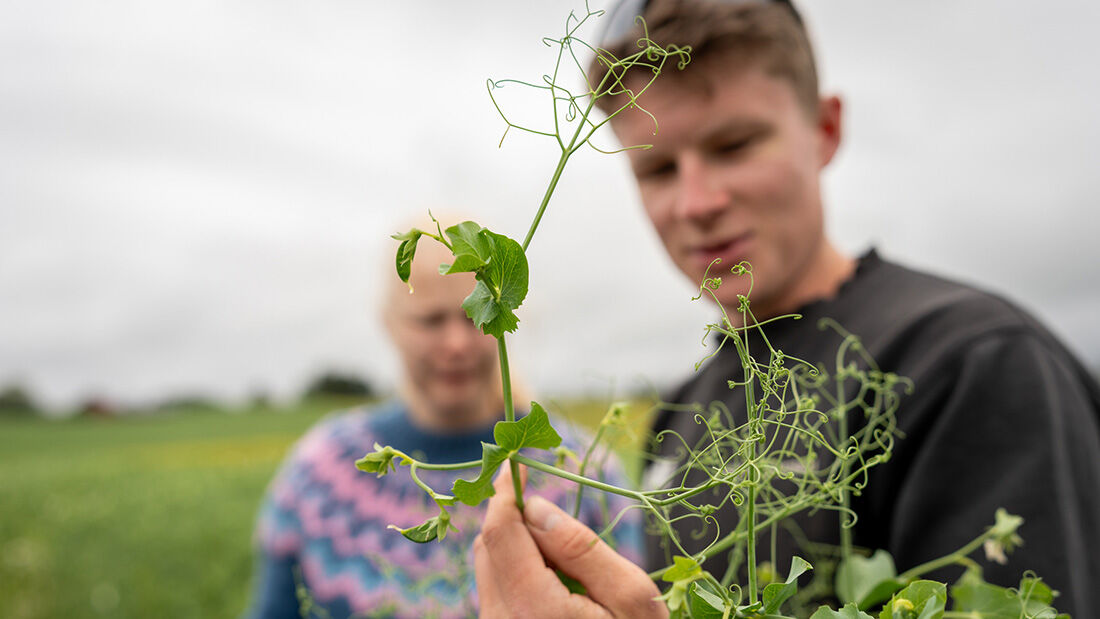
Cottis has taught both Torgersbråten and Habberstad in the course Agriculture, Environment and Society, which they have found very rewarding.
"It is a course that really makes us students think and reflect. Is the way we do things today really the right way? For my part, I want to contribute to steering agriculture in the right direction – perhaps as a vocational teacher one day," says Torgersbråten.
Short path to knowledge:
- At the University of Innlandet, we have researchers engaged in innovative and relevant research that matters to the society around us.
- We work across a wide range of disciplines, and much of our research is directly connected to Innlandet and the challenges faced by its residents.
- Our goal is to teach what we research, and research what we teach. In other words: here, there is a short path to up-to-date knowledge!