
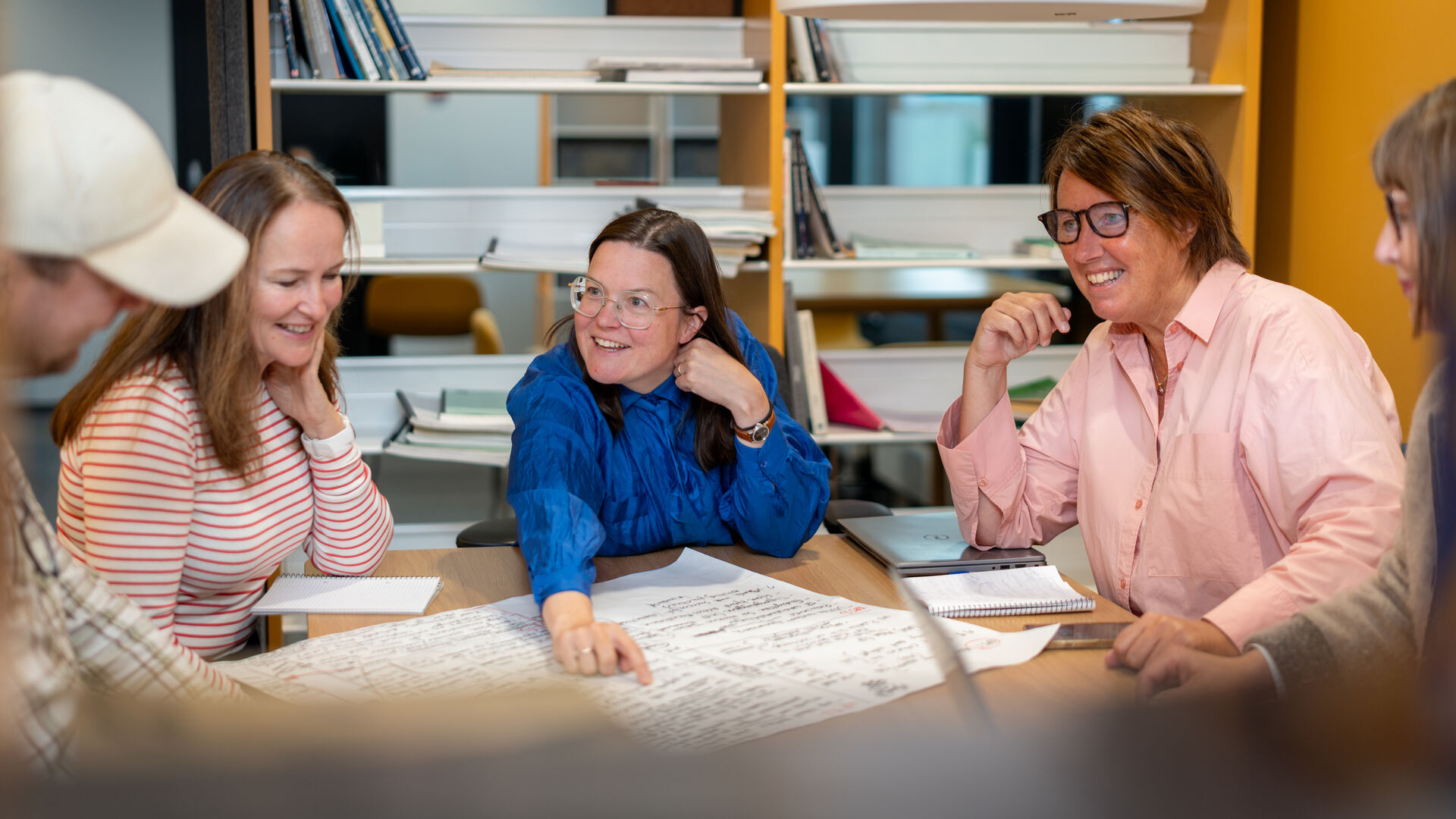
“We have worked closely with regional stakeholders such as Nav, Karriere Innlandet, municipalities, Skåppå, Helse INN, KS and learning centres to identify which groups in Innlandet have the greatest need for upskilling,” say Irene Thorsplass and Brit Svoen.
Thorsplass is a project manager and Svoen is an associate professor at the Centre for Lifelong Learning (SELL) at the University of Inland Norway (INN).
They have extensive experience in developing flexible learning opportunities for adults, but they will now lead this work within EMERGE – INN’s European University Alliance. The alliance brings together nine institutions across education, research and community engagement to strengthen their regions.
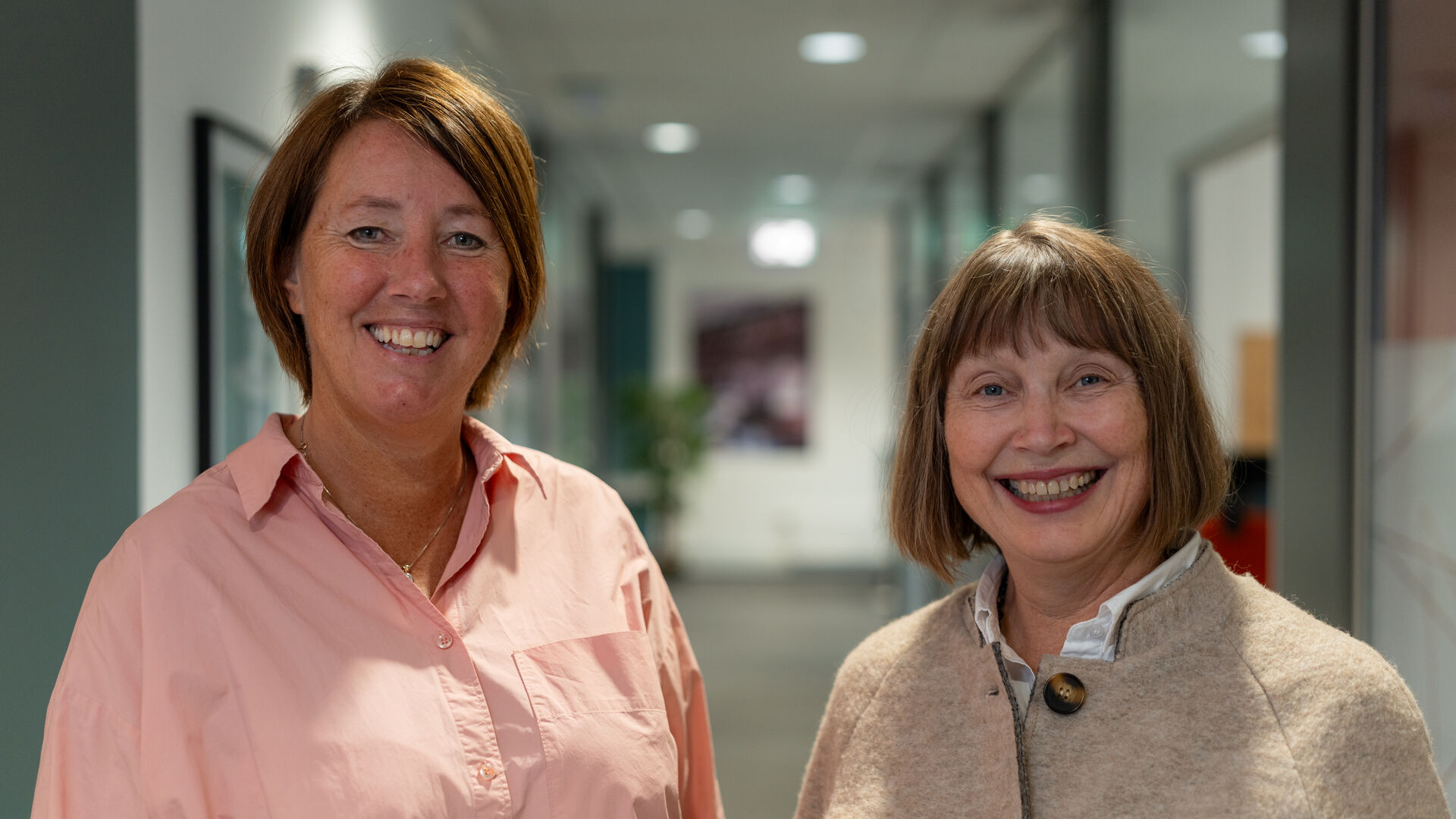
“It’s especially exciting that we have a leading role in lifelong learning within this international collaboration. Here, we engage with strong academic communities that share their expertise with us, and we learn about approaches that have proven successful in other countries in helping vulnerable groups enter the labour market,” say Thorsplass and Svoen.
INN naturally focuses on the Innlandet region, and they summarise the purpose of their work as follows:
“Innlandet is characterised by depopulation and an ageing population, particularly in rural municipalities. Our focus area is the shortage of labour in the healthcare sector, viewed in relation to the growing group of people outside work and education. Can we address the region’s most pressing challenge by developing learning opportunities that can mobilise this group into, for example, elderly care? That’s the goal!”
Regional forces in a global network
EMERGE (“Empowering the Margins of Europe through Regional and Global Engagement”) consists of INN and eight other institutions in Ireland, France, Germany, Slovakia, Spain, Greece and Cyprus.
-(4).png)
All the universities are located in geographical peripheries, often characterised by ageing populations, minority groups, and lower socio-economic conditions. EMERGE has therefore dedicated a work package to lifelong learning, with the goal of empowering vulnerable groups and addressing the various challenges faced by the regions through skills development.
“In Limerick, for example, they work with older employees and on bridging the digital gap between them and younger generations. In Thrace, the focus is on bilingual teachers within the region’s Muslim minority,” explain Thorsplass and Svoen, continuing:
“All partners will jointly develop a digital pedagogical toolbox, as well as offer at least 30 flexible courses and micro-courses for our various target groups. The result will be a framework that can be further developed and implemented across different subject areas.”
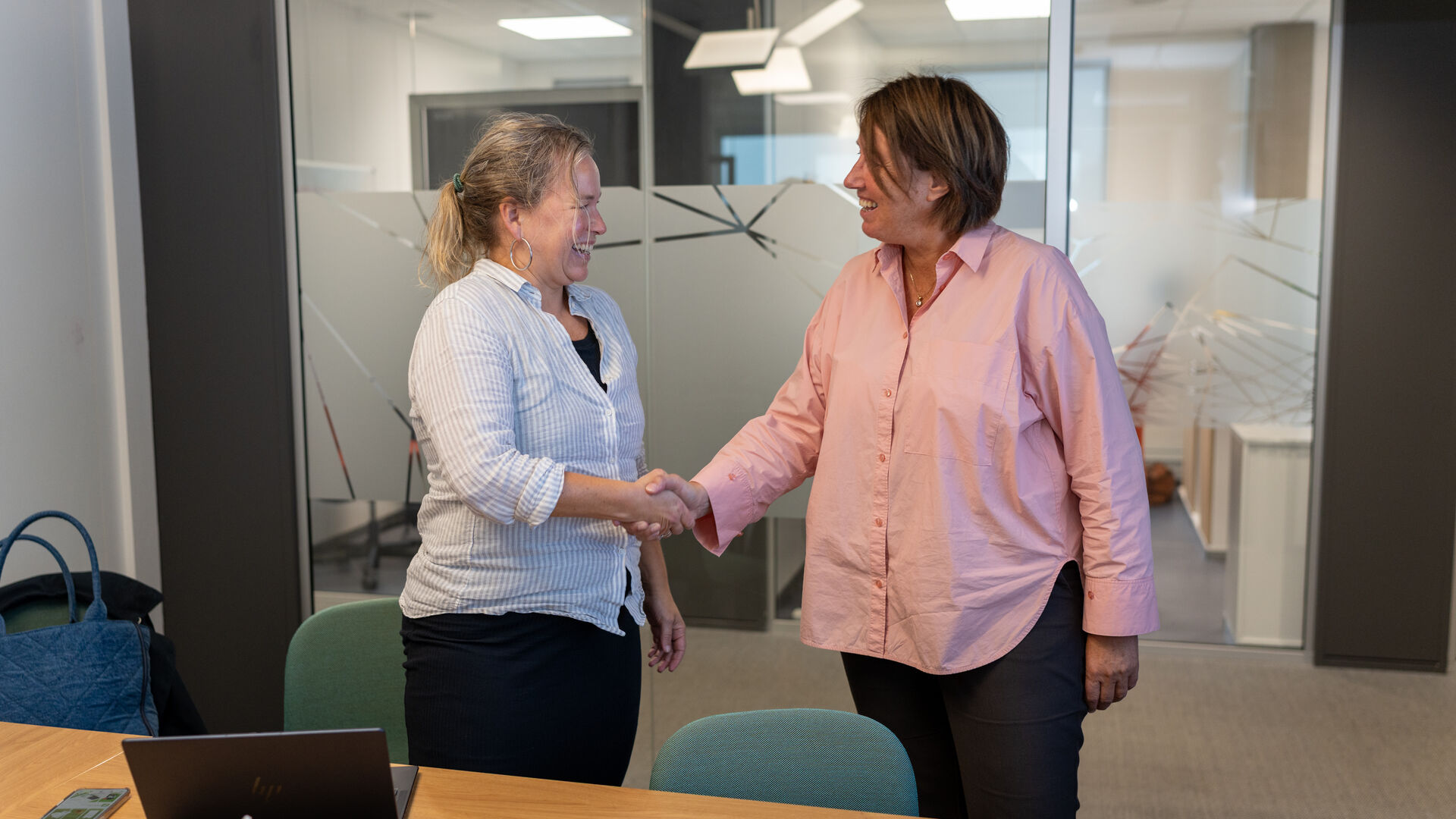
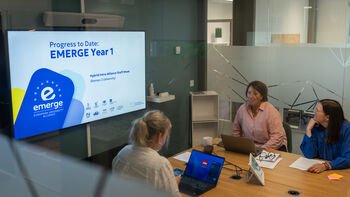
Irene Thorsplass and Line Smedsrud from Nav Ringsaker, who visited SELL for a meeting about the target group on 11 September.
Photo: Ole-André Lagmandokk / INN
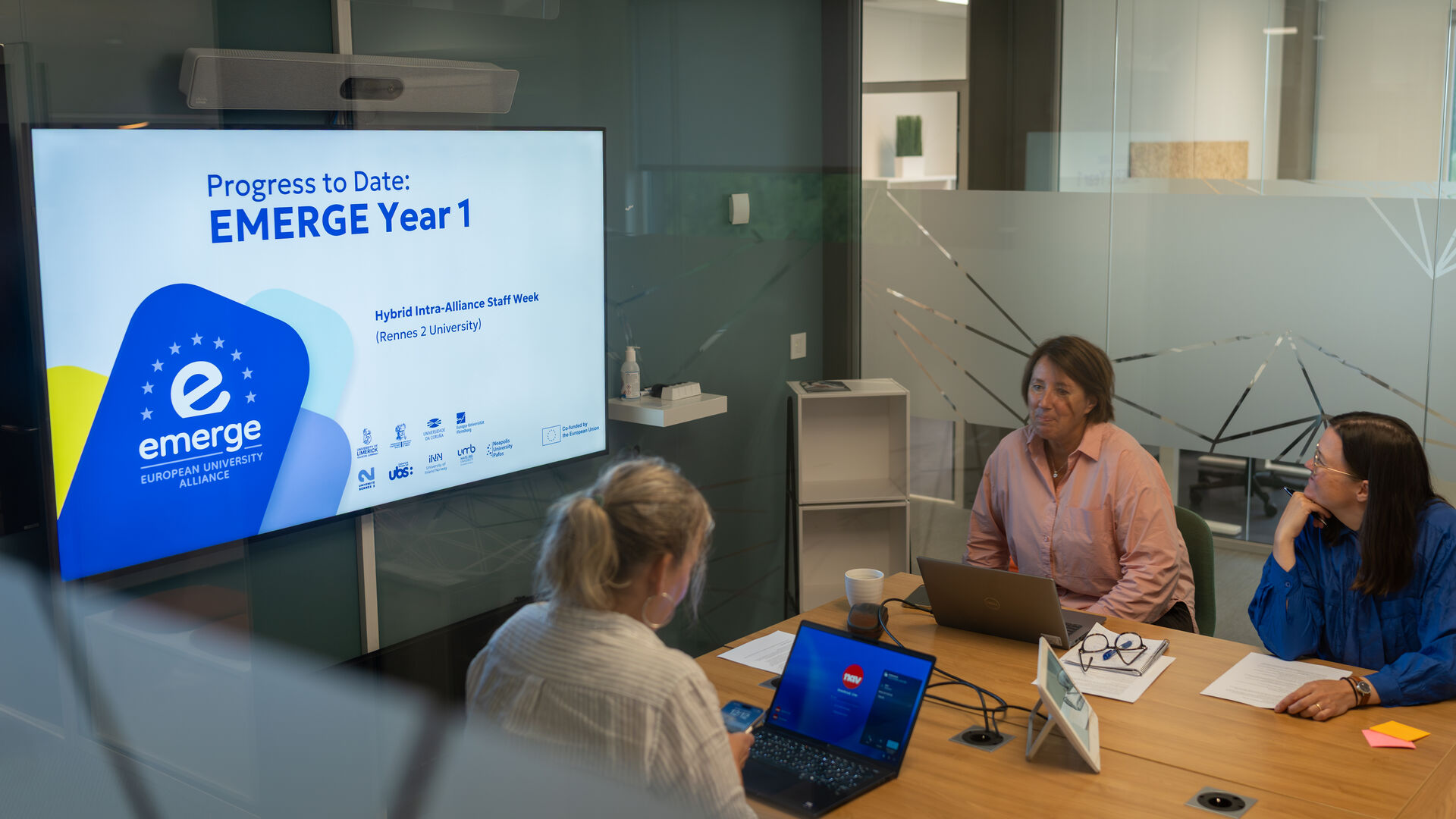
The purpose of the meeting was to arrange dialogue interviews with the target group, consisting of adults outside education and working life.
Photo: Ole-André Lagmandokk / INN
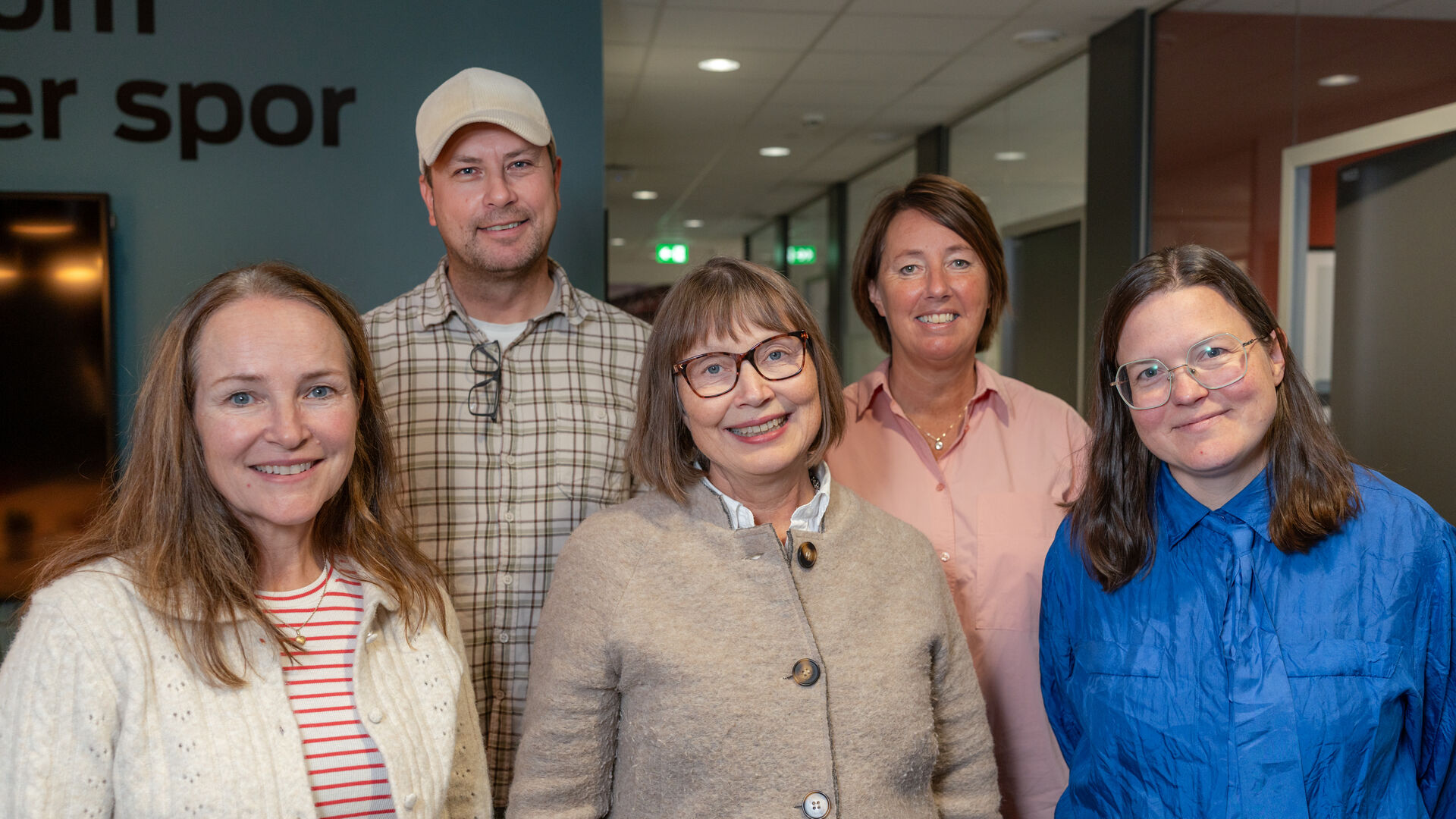
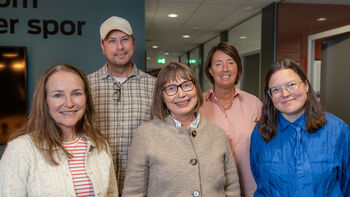
Line Kristiansen, Lars Teppan Johansen, Brit Svoen, Irene Thorsplass, and Marie Othilie Hundevad all work at SELL and are involved in EMERGE and Work Package 5.
Photo: Ole-André Lagmandokk
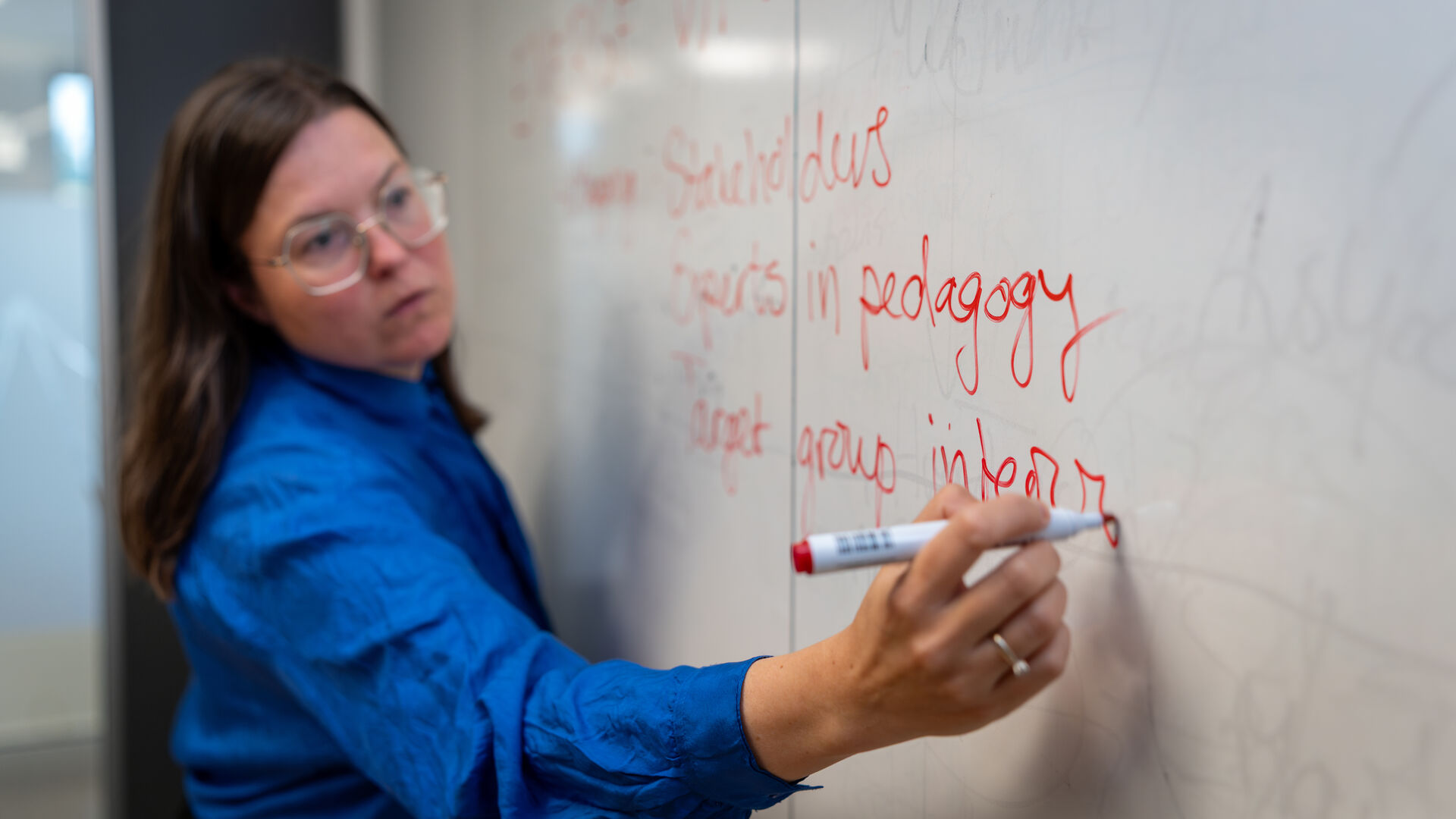
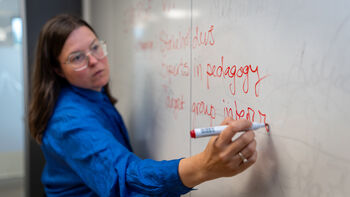
Marie Othilie Hundevad prepares for a meeting at the whiteboard.
Photo: Ole-André Lagmandokk / INN
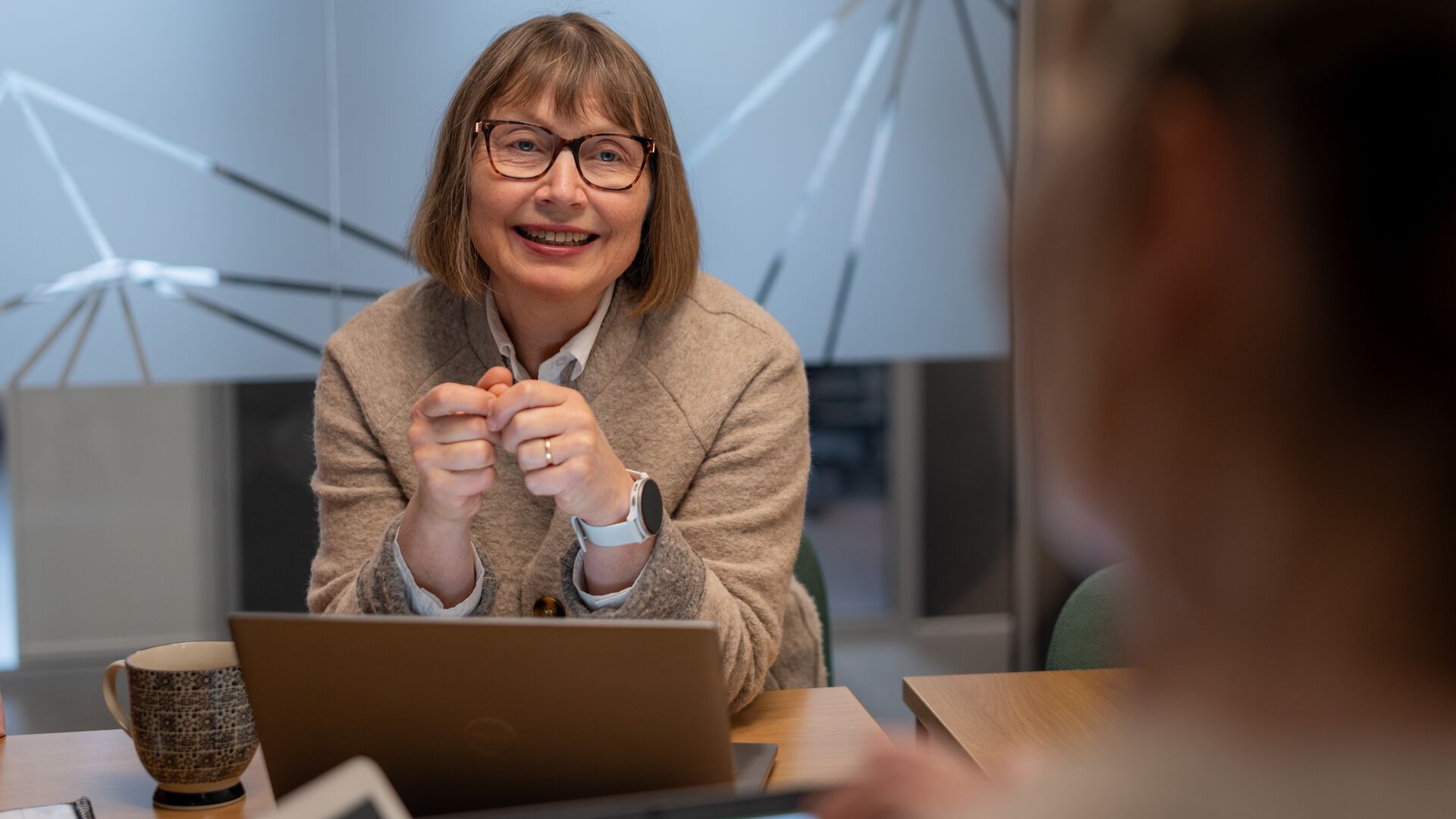
Brit Svoen holds the role of academic lead in Work Package 5 in EMERGE: Flexible Lifelong Learning for Adults.
Photo: Ole-André Lagmandokk / INN
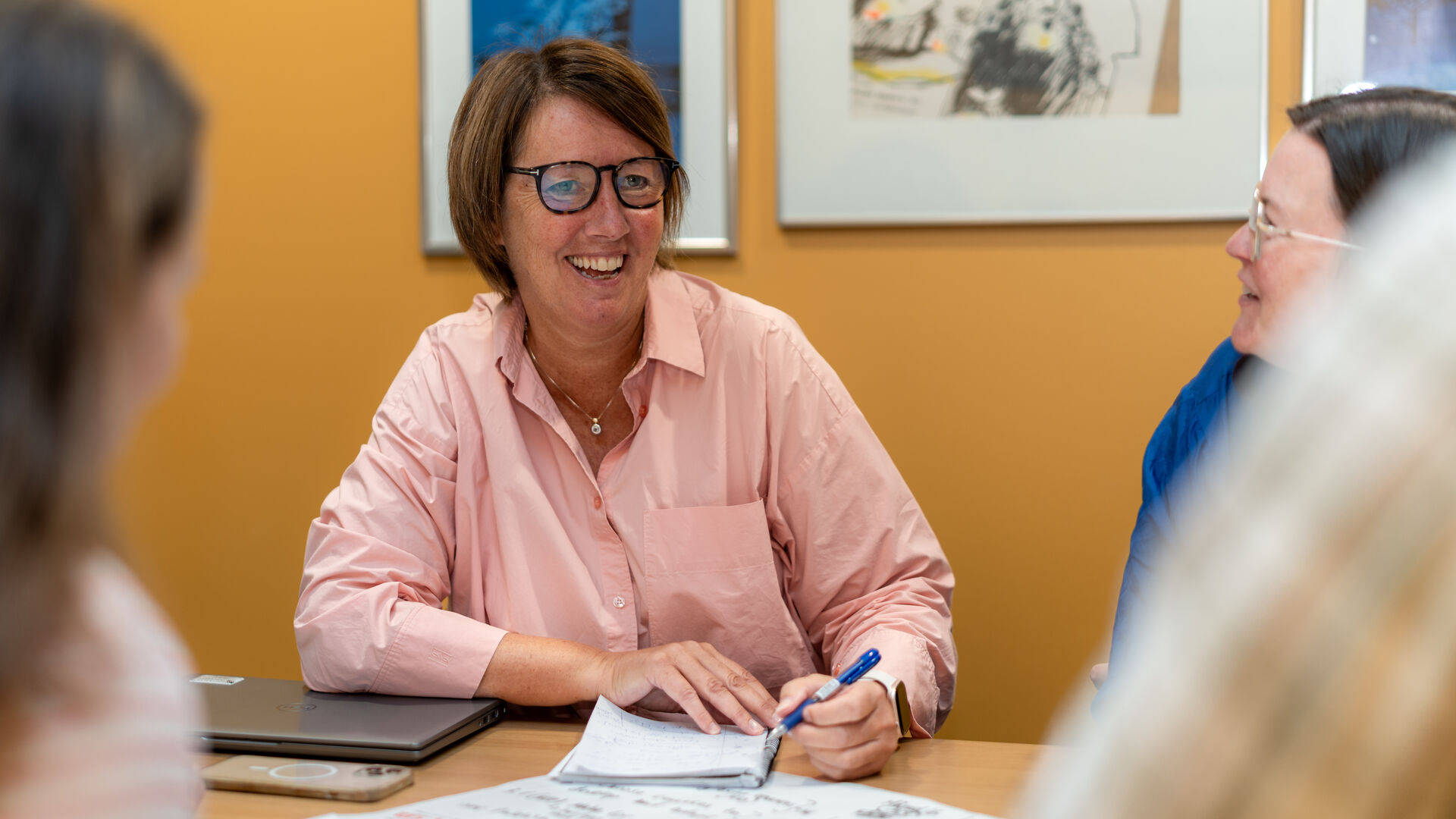
Irene Thorsplass holds the role of project manager for Work Package 5: Flexible Lifelong Learning for Adults.
Photo: Ole-André Lagmandokk / INN



2025 marks the beginning of the work package on lifelong learning, and the universities are currently conducting extensive mapping in each region. They are collecting the information needed to develop micro-courses over time, and the collaboration is designed to be long-term.
“For us, the main challenge is that the target group is difficult to reach. These are people who are outside both work and education, so we depend on other social actors who can help us make contact. Nav, for example, has been an important partner in this regard,” explain Thorsplass and Svoen.
The ongoing dialogue INN maintains with various partners provides the university with valuable insight into the surrounding community and key areas for development. INN aims to be a driving force for the Innlandet region, and this position is strengthened by building networks and offering relevant skills development opportunities that meet regional needs.
“It’s motivating to work with something forward-looking that can benefit both the region and the people who live here – and to be part of a collaboration that contributes to development and growth on a much larger scale than we could have achieved on our own,” conclude Thorsplass and Svoen.
Read more:
Contact information:

- irene.thorsplass@inn.no
- Phone
- +47 61 28 83 43

- brit.svoen@inn.no
- Phone
- +47 61 28 83 88